



Georgian Tavern Vessel
A georgian tavern vessel is a sturdy drinking or measuring piece from the Georgian period, built to serve ale, spirits, or wine in public houses.
Georgian Tavern Vessel
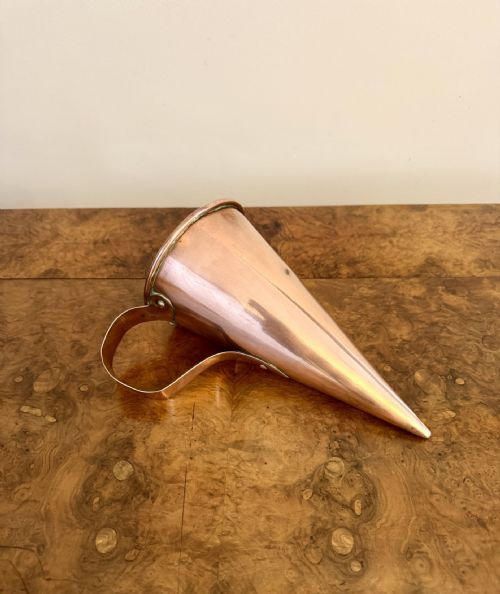
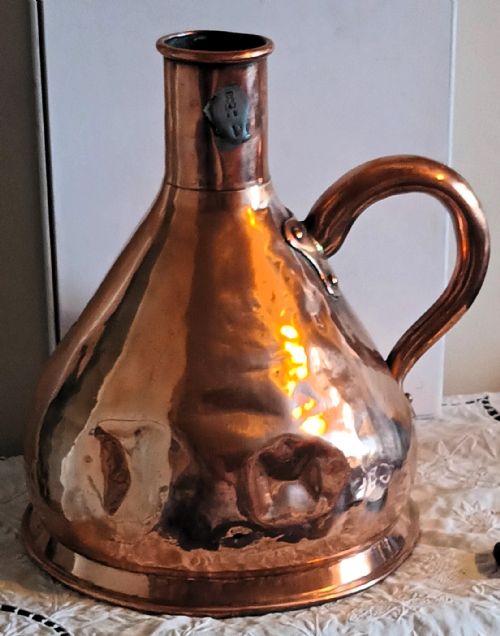
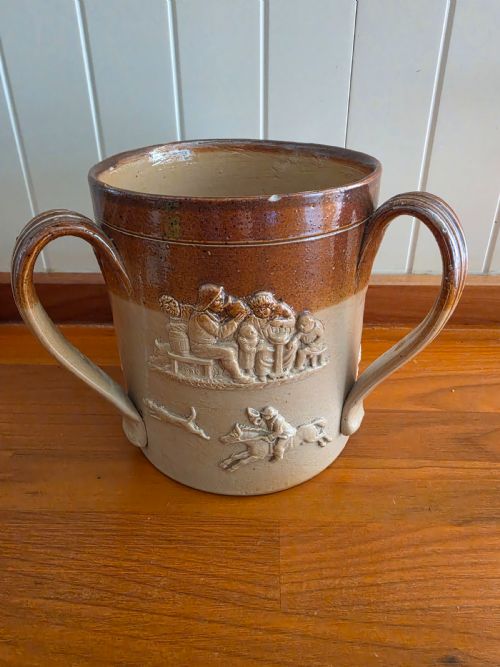
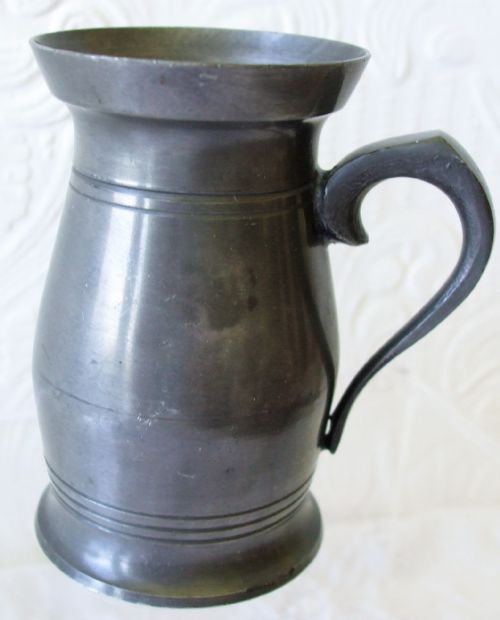
A georgian tavern vessel encompasses heavy-duty utilitarian items designed for commercial drinking establishments and private clubs alike. These objects range from massive copper liquid measures and ale jugs to smaller pewter gill measures, dram glasses, and stoneware tygs.
The versions most commonly met on this page are metal measures and jugs made of copper or pewter, alongside glass rummers and dram glasses from the Georgian era and the nineteenth century. They reflect the heavy daily service of historical taverns and public houses.
How they were made
Makers fashioned these pieces from durable materials such as heavy copper, pewter, lead glass, and stoneware clay to withstand the rough handling of busy drinking houses. Metal vessels relied on expert sheet work and soldering, while glass pieces utilised blowing techniques to create thick walls and sturdy bowls.
Surface finishes include nickel-plating on copper tankards and the natural patination of aged pewter and clay. These utilitarian methods prioritised practical strength and liquid capacity over delicate decoration.
Georgian Tavern Vessel Retail Price Guide 2026
Typical asking prices for georgian tavern vessel among the pieces listed under this phrase on Sellingantiques today, from the lower quarter to the upper quarter. They describe what is for sale here now, not the wider market.
A deceptive dram glass tricks the eye by making a tiny sip look like a generous full measure.
What varies in quality
Quality rests in the weight of the metal and the clarity of the glass, distinguishing heavy-gauge copper measures and thick baluster dram glasses from lighter utilitarian wares. Maker attribution, such as signed London copper jugs, elevates a piece beyond standard workshop production.
Proportion and surface integrity dictate the standing of a vessel, where surviving touchmarks on pewter and clean, unblemished glass profiles show superior craftsmanship. Pieces that retain their original structural mass and intended form command greater attention from collectors.
Loftus of Oxford Street London
The Georgian Tavern Vessel Glossary
- Gill measure
- A small liquid measure used for serving spirits or wine accurately in taverns. These containers are typically found in pewter or copper.
- Tyg
- A multi-handled drinking vessel, often made of stoneware or pottery, designed to be passed around a communal table.
- Rummer
- A large, sturdy drinking glass popular in the eighteenth and nineteenth centuries for serving rum, ale, or wine. They sit on short stems with thick feet.
- Baluster
- A thick, turned stem shape found on drinking glasses, resembling an architectural column. This form adds necessary weight and stability to the glass.
- Deceptive bowl
- A glass bowl featuring a solid or unusually thick lower section that makes the internal liquid capacity appear much larger than it actually is.
Georgian Tavern Vessel: Frequently Asked Questions
What were tavern vessels used for?
These vessels served, measured, and consumed alcohol in eighteenth and nineteenth-century public houses and drinking clubs. Large copper jugs held bulk volumes of ale, while smaller pewter measures and dram glasses dispensed individual servings.
Communal drinking vessels like tygs were passed between patrons at a table. Each form fulfilled a specific practical role in the daily trade of the tavern.
How do I clean a copper or pewter vessel?
Metal tavern vessels require gentle cleaning to preserve the aged surface patination that collectors value. Warm soapy water and a soft cloth remove dust without stripping the historic character.
Avoid harsh chemical metal polishes that remove surface age. Leaving the metal untouched often maintains its authentic historical appearance.
How can I tell Georgian glass from later periods?
Georgian glass often exhibits pontil marks on the base where the vessel was snapped from the blowing iron. The glass metal itself may contain tiny air bubbles and minor impurities typical of early production methods.
Weight and thickness also guide identification, as tavern rummers and dram glasses were made heavy for daily use. Their forms tend to be simpler and sturdier than fine decorative glassware.
Can I use these antique vessels for drinks today?
Most metal and glass tavern vessels remain structurally sound enough for practical use, provided they are cleaned thoroughly. Pewter from earlier centuries may contain lead, so caution is advised if drinking from unverified metal alloys.
Many collectors prefer to display these objects rather than use them for beverages. Displaying them safely protects the historic material from modern wear.