


Georgian Tankard
A georgian tankard brings substantial weight and sturdy historic character to the table, combining functional drinking vessel heritage with the craftsmanship of past centuries.
Georgian Tankard
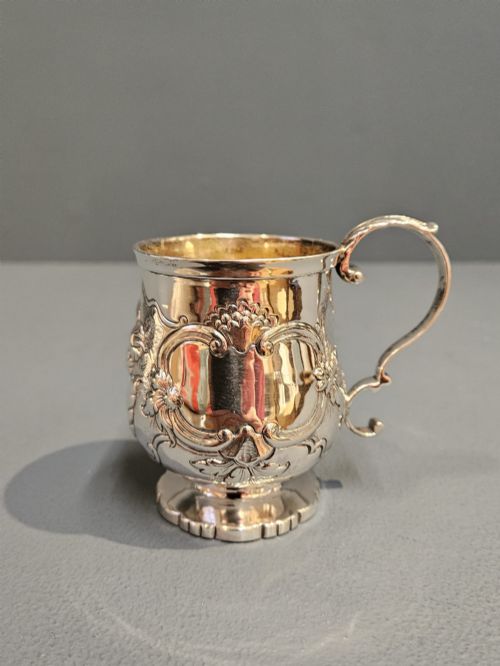
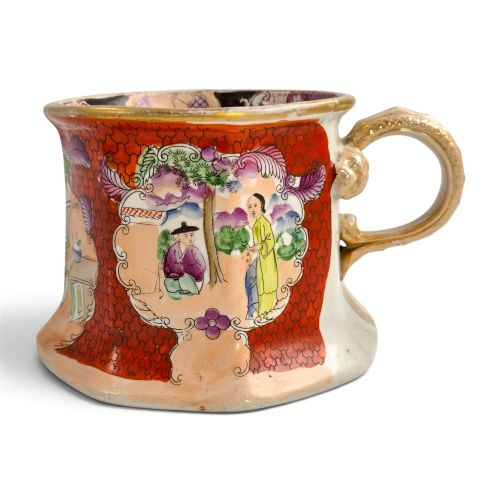
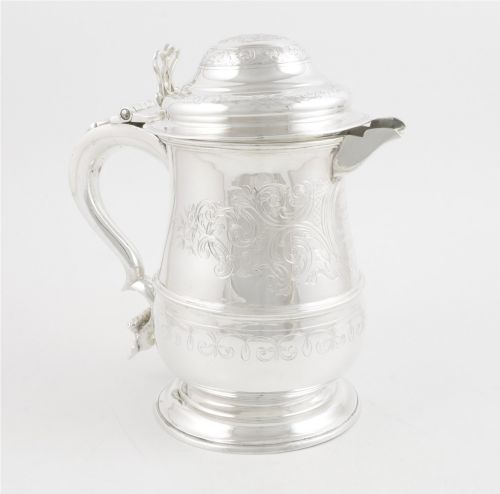
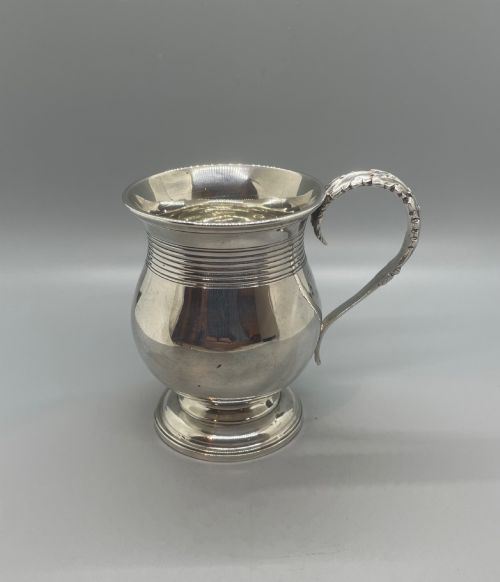
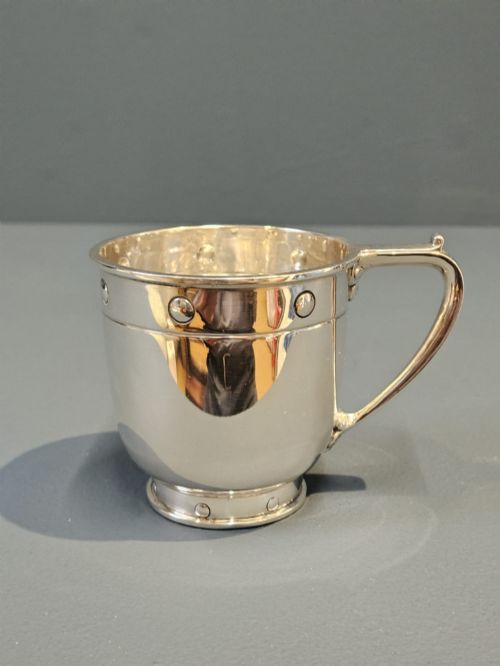
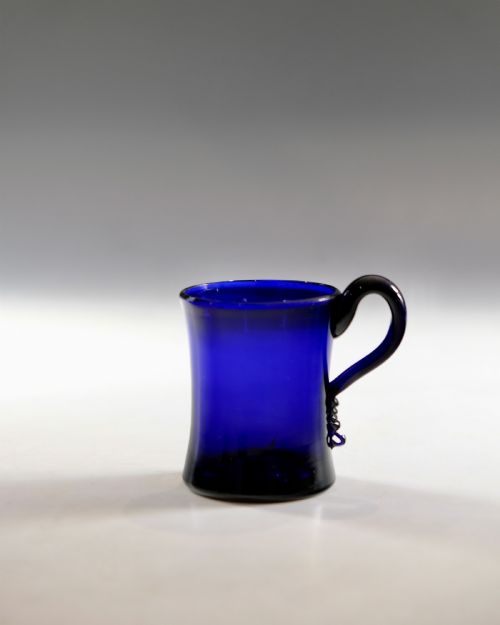
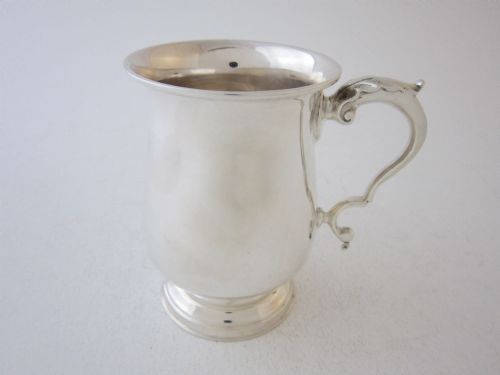
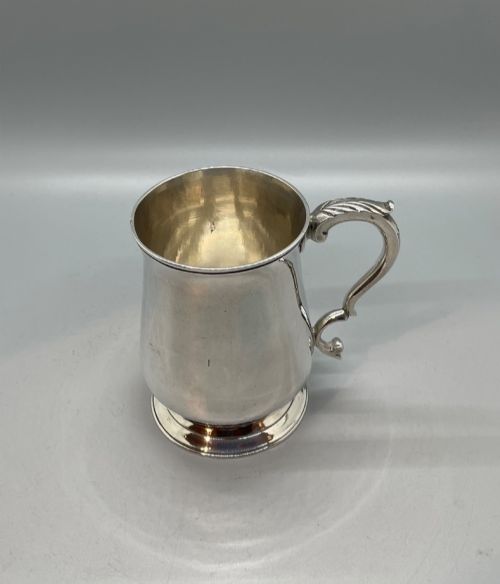
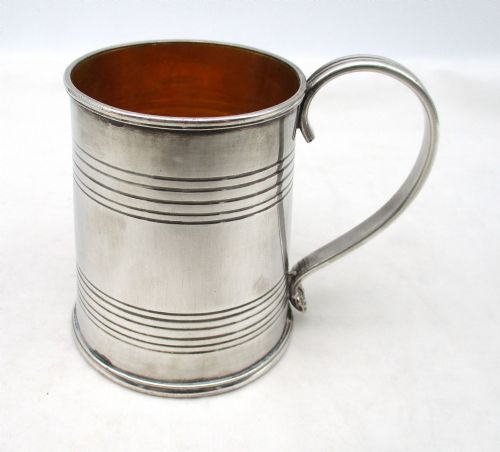
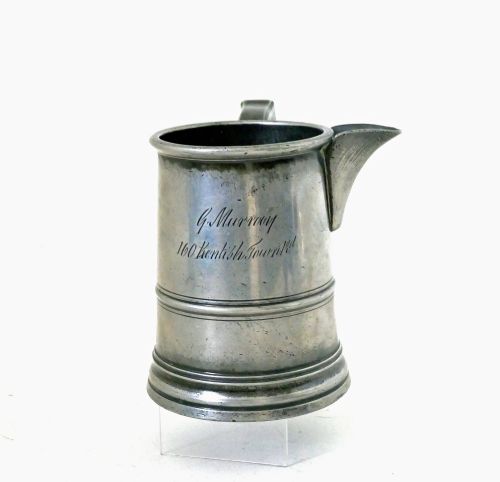
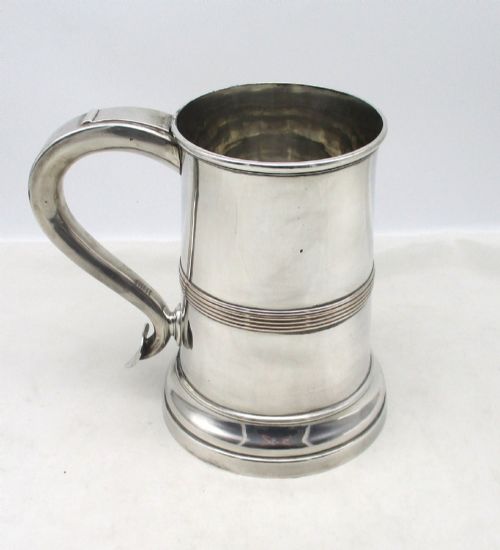
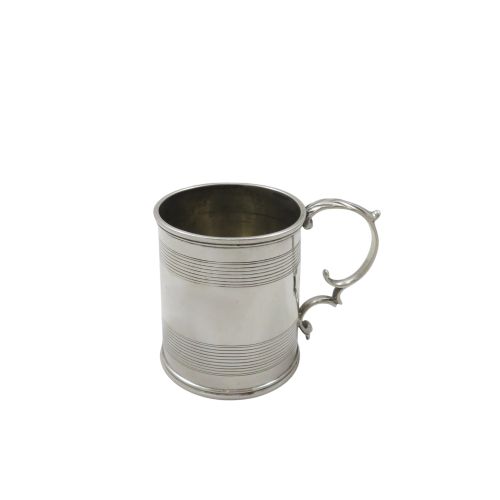
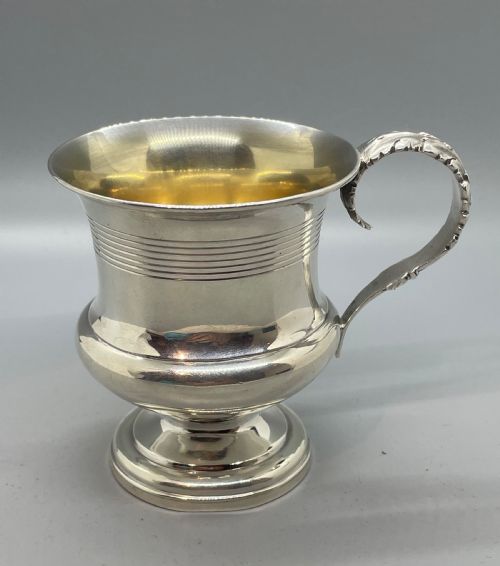
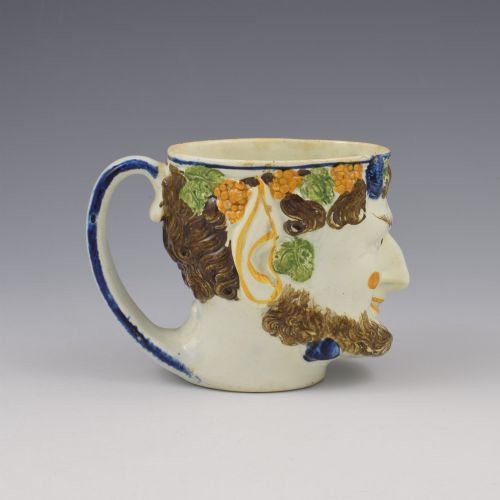
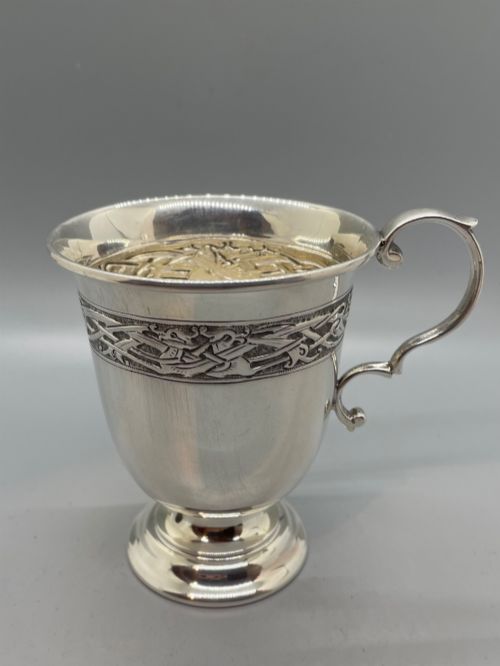
A georgian tankard encompasses metal and ceramic drinking vessels spanning sterling silver, old sheffield plate, pewter, porcelain, and earthenware forms. You will encounter pieces ranging from solid silver hallmarked examples to earthenware ale jugs, often overlapping with mugs and christening vessels.
The objects stem from the eighteenth and nineteenth centuries, reflecting domestic and tavern habits alongside formal presentation pieces. Production encompasses English, Irish, Scottish, and Chinese export origins, demonstrating diverse regional aesthetics within the same utilitarian category.
Materials and construction
Metal vessels rely on sterling silver, pewter, and copper fused with silver plating known as old sheffield plate. Silversmiths hammered and soldered sheet metal or cast solid forms, applying engraved crests and inscriptions by hand.
Ceramic examples utilise earthenware, pearlware, ironstone, and porcelain shaped on wheels or in moulds. Potters applied hand-painted cobalt scenes, transfer printing, and glazed finishes before firing at high temperatures.
Georgian Tankard Retail Price Guide 2026
Typical asking prices for georgian tankard among the pieces listed under this phrase on Sellingantiques today, from the lower quarter to the upper quarter. They describe what is for sale here now, not the wider market.
Listings feature periods spanning the eighteenth and nineteenth centuries, alongside twentieth century revivals up to nineteen thirty.
Differentiating quality
Quality rests on the crispness of hallmarks, maker stamps, and engraved detail across silver and pewter items. Heavy metal gauge and balanced proportions separate utilitarian workshop output from master silversmith commissions.
John Heaney·Barker Bros·William Bateman·Richard Morton
The Georgian Tankard Glossary
- Old Sheffield Plate
- A composite material made by fusing a thin sheet of silver to a thicker copper base. This technique preceded modern electroplating and leaves a characteristic copper seam visible on edges.
- Pearlware
- A refined earthenware developed in the late eighteenth century featuring a subtle bluish glaze that pooled in recesses. It provided a whiter surface that imitated Chinese porcelain more closely than standard creamware.
- Pewter
- A malleable alloy primarily composed of tin combined with copper, antimony, or lead. It served widely for domestic tankards and church flagons before mass-produced ceramics displaced it.
- Frog Mug
- A drinking vessel featuring a ceramic frog modeled inside near the rim to surprise the drinker as the liquid lowered. These novelties were popular in English country potteries for tavern jests.
- Tappit Hen
- A traditional Scottish pewter measuring vessel featuring a lid with a knob resembling a nesting hen. These containers held specific regional volumes for ale and spirits.
Georgian Tankard: Frequently Asked Questions
What is the difference between a tankard and a mug?
Tankards traditionally incorporate a hinged or flat lid to keep ale covered, whereas mugs remain open at the top. Both terms often overlap in historic listings.
Heavier metal examples usually feature sturdy handles and flat bases designed for stable tavern use, while ceramic versions often display decorative transfer prints.
How do I identify a silver date mark?
British silver incorporates standardised hallmarking systems showing town marks, lion passant symbols, and date letters corresponding to specific years. These stamps verify the exact period of manufacture.
Matching maker initials alongside the assay office mark help trace the precise workshop origin of the piece.
Were these vessels used for drinking daily?
Historic metal and ceramic tankards served practical roles in homes, inns, and institutions for ale, beer, and water. Christening mugs were specifically commissioned for family milestones.
Many survived intact because they transitioned into decorative display items or presentation trophies over subsequent generations.
What is old sheffield plate?
Old sheffield plate involves fusing silver directly onto a copper core through heat and pressure rather than chemical deposition. This creates a durable laminated sheet metal used before electroplating was invented.
Examining rims often reveals thin copper lines where the underlying metal shows through natural wear.