

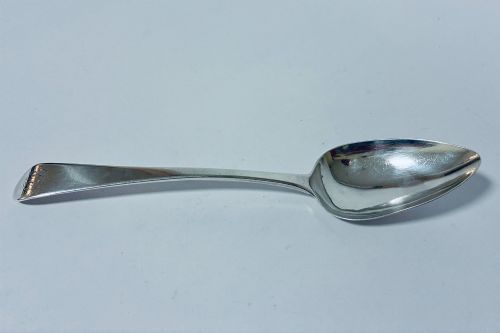
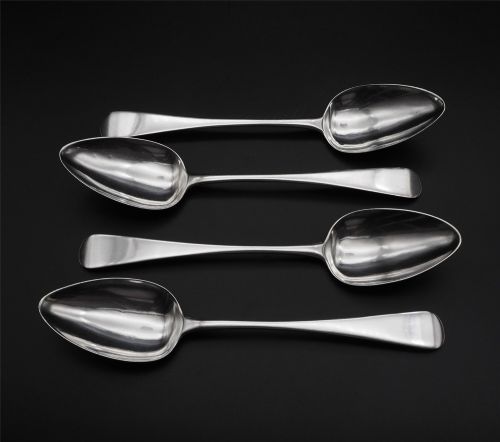
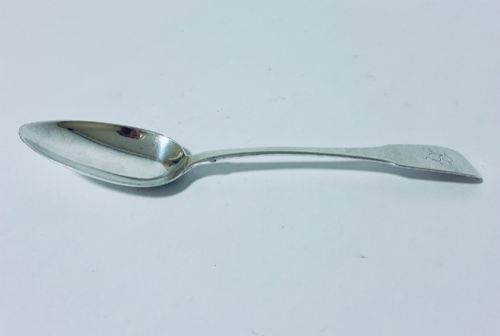
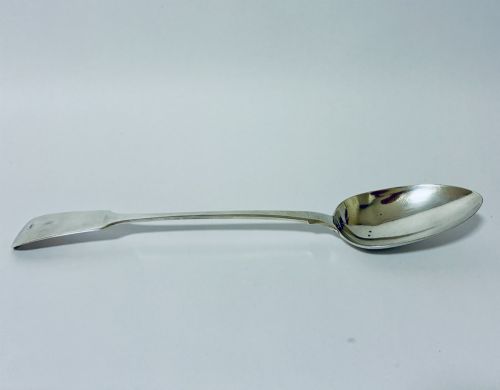


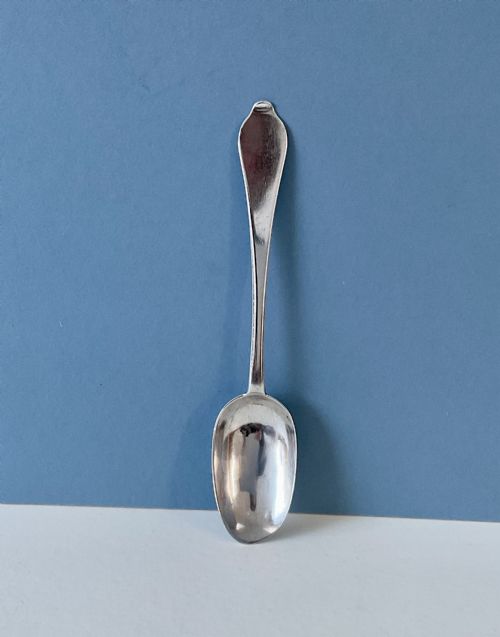
Georgian Tablespoon
A georgian tablespoon carries the weight of eighteenth-century dining tables in solid silver.
Georgian Tablespoon
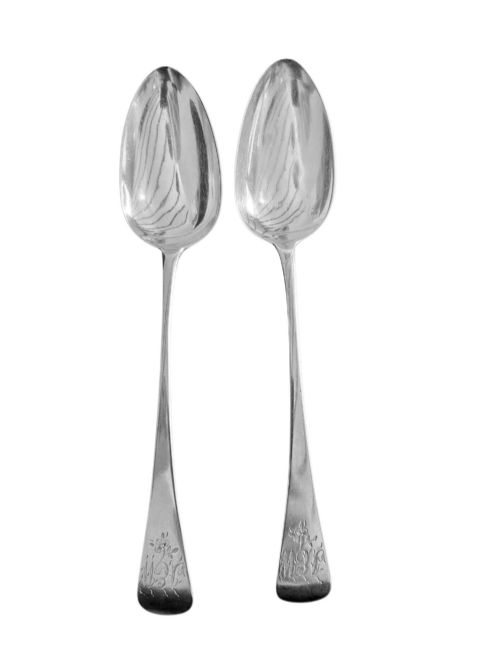
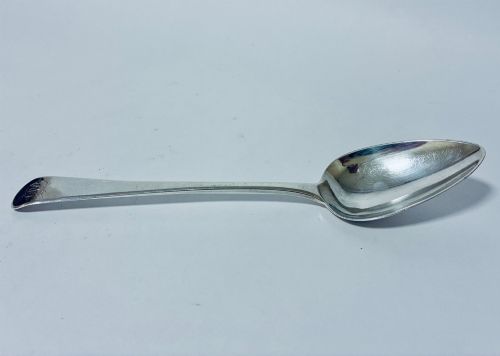
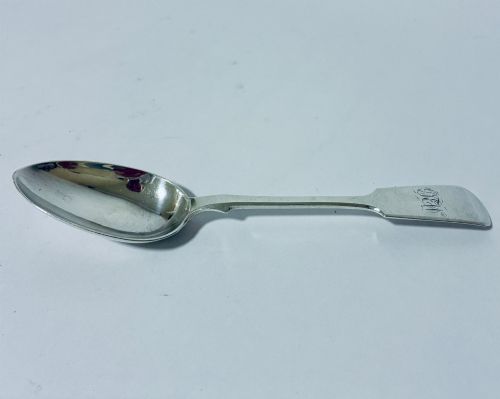
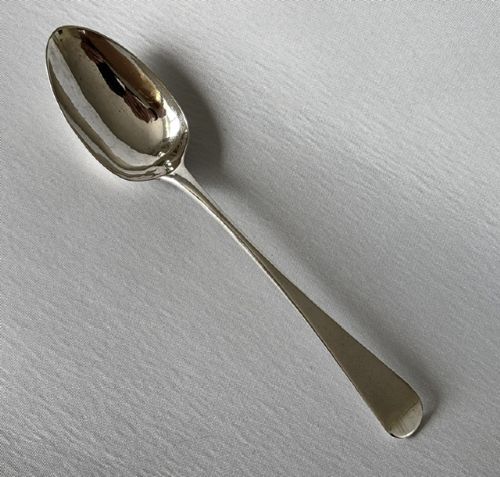
A georgian tablespoon is a substantial silver implement designed for serving or dining during the eighteenth and early nineteenth centuries. The pieces on this page span several reigns and regions, featuring early forms like the dognose alongside later English and Scottish provincial examples. Buyers encounter singles, pairs, and full sets intended for practical table use or collection.
Most items reflect the broader georgian aesthetic through clean lines, sturdy handles, and traditional hallmarks. Makers worked within established regional centres such as London, Exeter, and various Scottish towns to produce these functional pieces of flatware.
The assortment includes specialised serving spoons alongside standard table spoons in patterns ranging from plain surfaces to distinct provincial rat tails. Each piece demonstrates the heavy gauge silver typical of the era before industrial thinness took over.
Materials and Silversmithing Techniques
These items are fashioned primarily from sterling silver and britannia silver, utilising high-purity metal melted and beaten into robust blanks. Smiths shaped the bowls and stems by hand, applying reinforcement where the handle meets the bowl to withstand daily use.
Makers struck their wares with town marks, maker's marks, and date letters using heavy steel punches. The resulting objects display the tangible hammer marks, hand-engraved initials, and subtle asymmetries characteristic of pre-industrial silversmithing.
Georgian Tablespoon Retail Price Guide 2026
Typical asking prices for georgian tablespoon among the pieces listed under this phrase on Sellingantiques today, from the lower quarter to the upper quarter. They describe what is for sale here now, not the wider market.
The listings on this site span the reigns of William III, Queen Anne, and the Georges, utilising both sterling and britannia silver.
Distinctions in Quality and Craft
Quality rests in the crispness of the hallmarks, the preservation of the original bowl shape against decades of polishing, and the thickness of the silver stem. Superior pieces retain their sharp rattail attachments and clear maker stamps without excessive wear.
Provincial pieces and items by notable makers command attention through the distinct character of their regional engraving and the integrity of their survival over three centuries.
Peter & Jonathan Bateman·James Tookey·Isaac Davenport·James Tait·Richard Rae·Jabez Daniell·David Willaume·John Henry Lias
The Georgian Tablespoon Glossary
- Dognose
- An early spoon form featuring a notched, spade-like terminal that evolved from the trifid style.
- Rat tail
- A prominent ridge running down the back of the spoon bowl to strengthen the join with the stem.
- Provincial
- Silver made and marked outside the capital, often bearing distinctive regional assay characteristics.
- Britannia silver
- A higher purity standard of silver introduced by statute in the late seventeenth century.
Georgian Tablespoon: Frequently Asked Questions
How do I date a georgian tablespoon?
Dating relies upon the stamped hallmarks found on the reverse of the stem, which include date letters corresponding to specific assay office years.
Additional clues come from the shape of the bowl, the presence of a rattail, and the style of the handle terminal.
Can I use these spoons for dining?
These spoons were built for daily use from thick silver and remain entirely robust for modern dining.
Hand washing in warm soapy water preserves the finish and protects the antique hallmarks.
What is the difference between London and provincial silver?
London pieces bear the leopard head mark of the Goldsmiths' Company along with standardised date letters.
Provincial items carry unique local town marks reflecting independent silversmithing traditions across Scotland and regional England.
Why do some spoons have rat tails?
The rat tail is a structural feature soldered onto the back of early eighteenth-century spoons to reinforce the weak point where the handle joins the bowl.
Over time, manufacturing techniques advanced and this feature largely disappeared from standard flatware.