



Georgian Table Box
A georgian table box brings portable storage and display to a surface, uniting period craftsmanship with practical utility.
Georgian Table Box
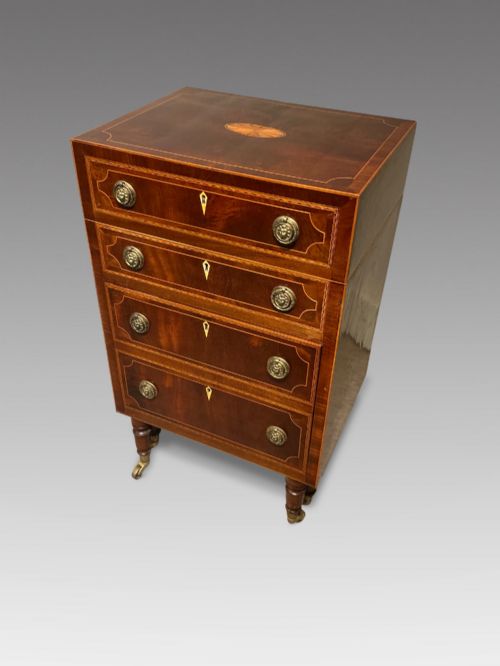
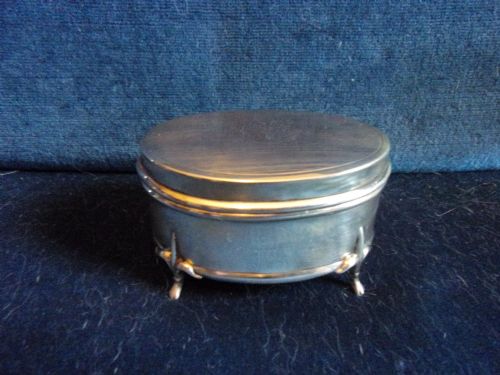
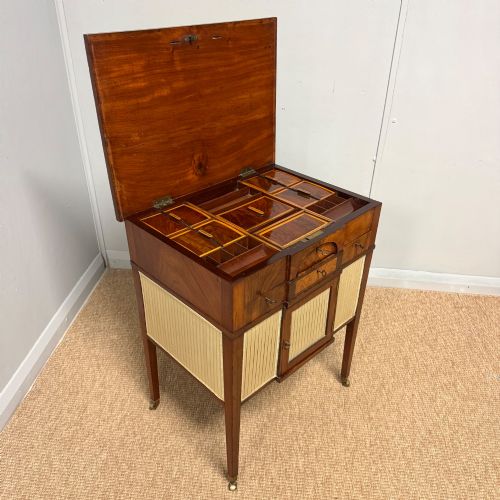
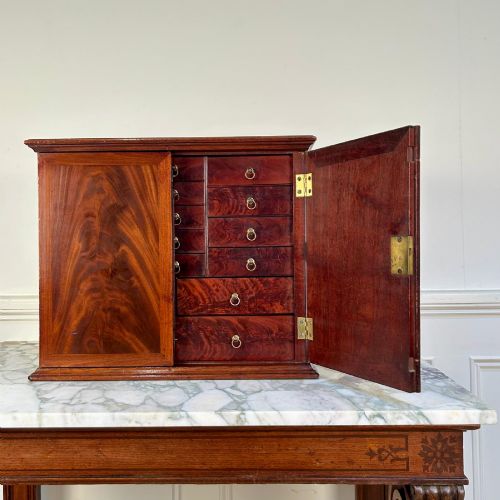
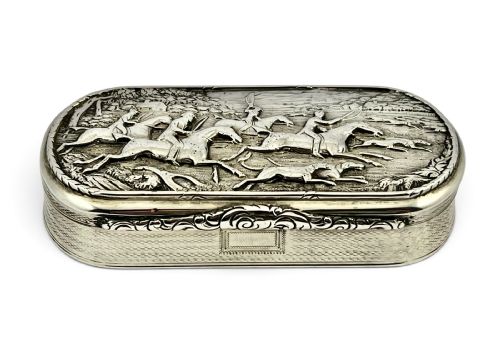
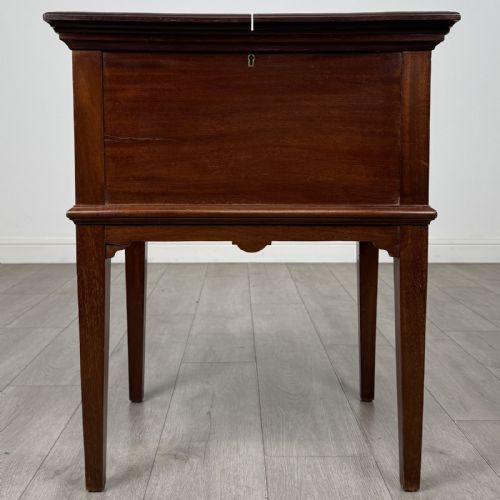
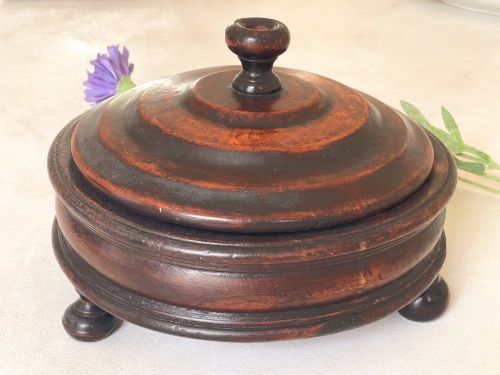
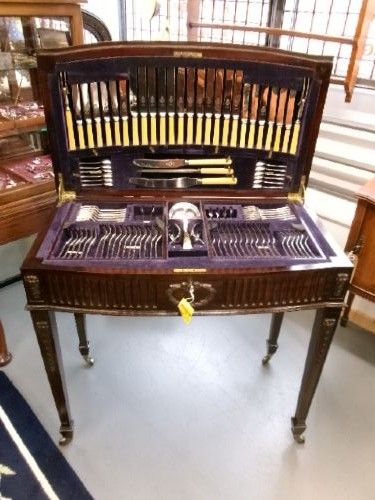
A georgian table box encompasses a varied group of small domestic containers and portable furniture items designed for personal care, writing, and storage. The selection includes dressing mirrors, tea caddies, snuff boxes, trinket boxes, work tables, and small collectors cabinets spanning the 18th and 19th centuries.
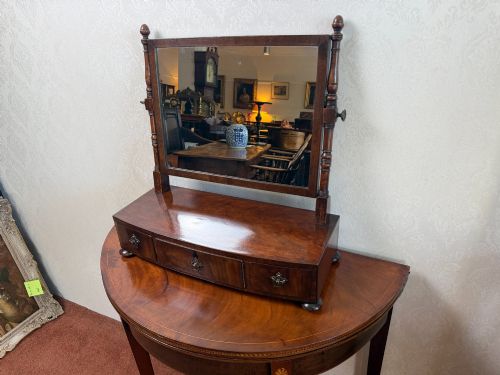
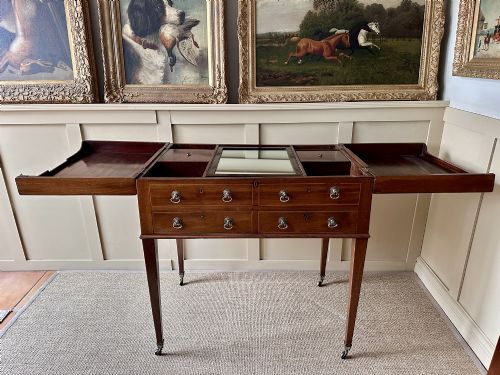
The version most frequently met on this page is the mahogany dressing table mirror or toilet mirror, typically fitted with small drawers beneath the glass. Alongside these are silver and brass table snuff boxes, work tables, and tea caddies that reflect the period focus on refined personal accessories and organised storage.
How they were made
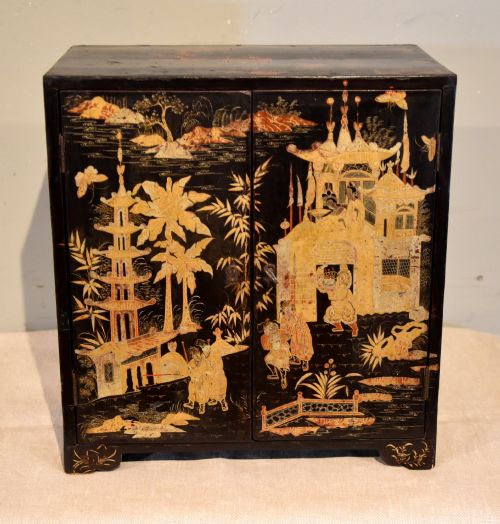
Cabinet makers relied primarily on mahogany, walnut, and oak to construct the structural bodies of these boxes, tables, and mirrors. Timber preparation involved careful selection of grain and veneer, sometimes enhanced by boxwood inlay or Chinoiserie decoration.
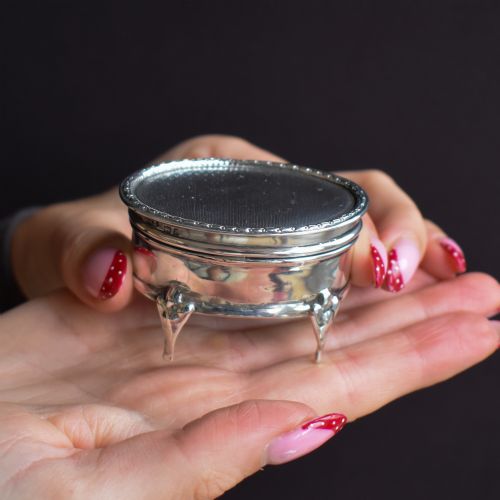
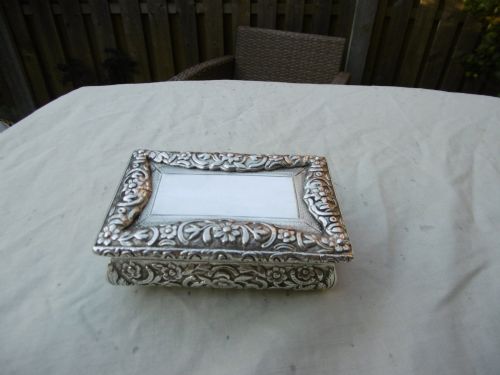
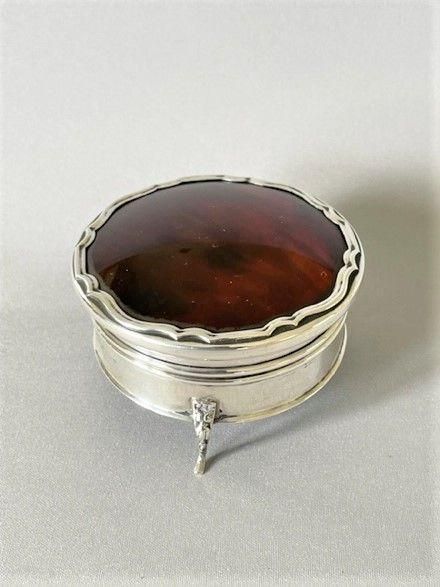
Metal elements such as brass hinges, escutcheons, and cast mounts were integrated alongside sterling silver components on boxes and caddies. Silver items frequently display chased floral borders, gilding, and hallmarks recording London and Birmingham assay offices.
Georgian Table Box Retail Price Guide 2026
Typical asking prices for georgian table box among the pieces listed under this phrase on Sellingantiques today, from the lower quarter to the upper quarter. They describe what is for sale here now, not the wider market.
A surprising number of these pieces conceal secret drawers, sliding panels, and hidden compartments designed to outsmart curious houseguests.
What varies in quality
The standard of a georgian table box depends upon the precision of its joinery, the choice of timber figure, and the crispness of any applied metalwork or carving. Examples by recorded silversmiths or cabinet makers generally show superior attention to interior arrangement, hidden compartments, and proportional balance.
Condition and originality dictate the standing of surviving pieces. Original glass plates in dressing mirrors, intact paper linings, and unaltered brass or silver hardware distinguish pieces that retain their integrity from those altered by later repairs or replacement components.
Joseph Wilmore·Thomas Shaw·Zimmermann·Paul Storr
The Georgian Table Box Glossary
- Tea caddy
- A small box or container made to store dry tea leaves, often fitted with internal lids or compartments and lockable to protect an expensive commodity.
- Snuff box
- A pocket or table-sized container designed to hold ground tobacco, commonly fashioned from silver, brass, or papier mâche with hinged lids.
- Toilet mirror
- A small mirror mounted on a pivoting frame above a miniature set of drawers, designed to sit upon a dressing table.
- Work table
- A small occasional table incorporating a drawer, bag, or drop leaves to hold sewing and needlework materials.
- Cellarette
- A cabinet or box designed to hold bottles of wine, standing on the floor or a table surface during the Georgian period.
- Navette
- A pointed, boat-like shape frequently utilised for the design of small brass and silver snuff boxes during the late 18th century.
Georgian Table Box: Frequently Asked Questions
What is a georgian table box used for?
These boxes served specialised domestic purposes such as storing tea, personal toiletries, sewing accessories, or tobacco. Their portable nature allowed them to be moved easily between rooms or placed securely on larger furniture.
Many incorporated internal compartments, hidden drawers, or locking mechanisms to safeguard valuable personal possessions like jewellery and writing supplies.
How do I tell a Georgian mirror from a later copy?
Examine the construction methods, timber ageing, and secondary woods used inside the drawer framing. Period pieces typically display hand-cut dovetails and older backing boards.
Original mirror glass often shows subtle distortions, foxing, or bevels that differ from modern machine-cut replacements.
Where should I place a table box in my home?
They sit comfortably on top of chests of drawers, sideboards, or dressing tables where their timber and metal details can be appreciated up close. Smaller boxes function well on side tables or desk surfaces.
Keep them away from direct sunlight and strong heat sources to protect delicate wood veneers, paper linings, and historical finishes.
How do I distinguish a tea caddy from a trinket box?
Tea caddies generally feature internal subdivisions or foil-lined compartments designed to keep loose tea leaves fresh and dry. They often include a small fitted lock.
Trinket boxes and table cabinets lack these specific tea-storage inserts, instead offering open wells, velvet linings, or small compartments for jewellery and personal items.