

Georgian Style Wing Armchair
A georgian style wing armchair is a high-backed seat designed to keep out draughts, combining traditional form with deep upholstery.
Georgian Style Wing Armchair
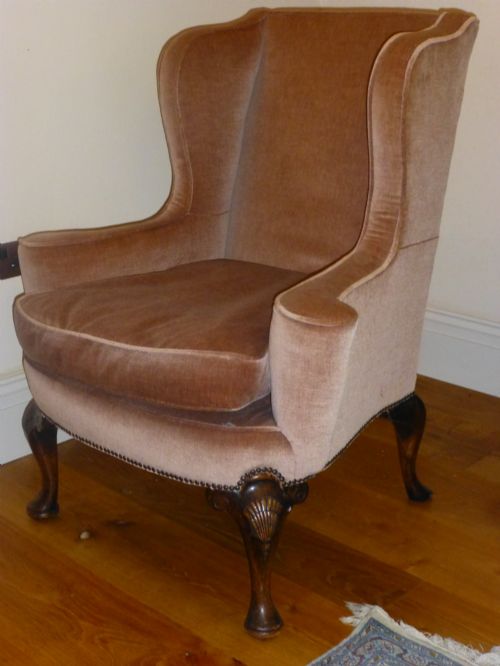
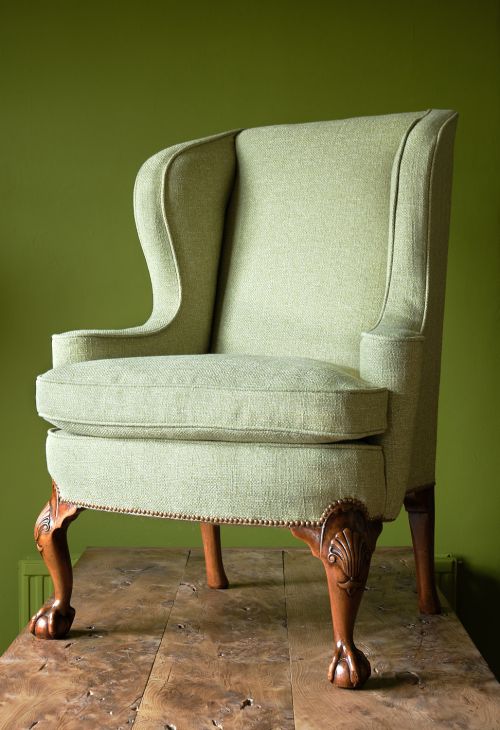
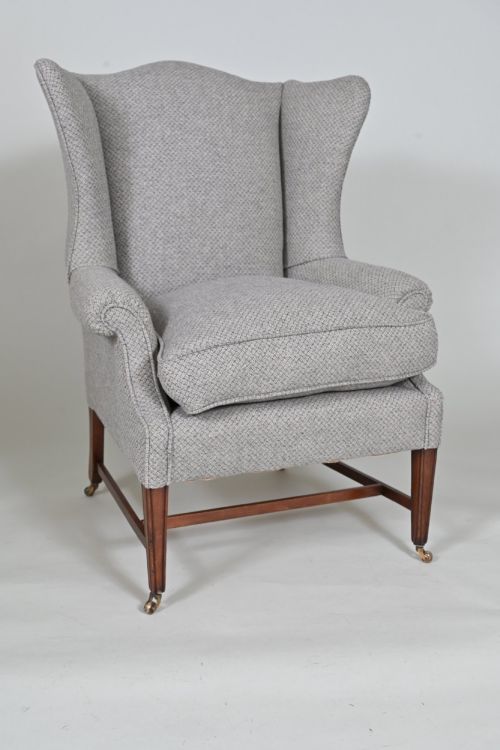
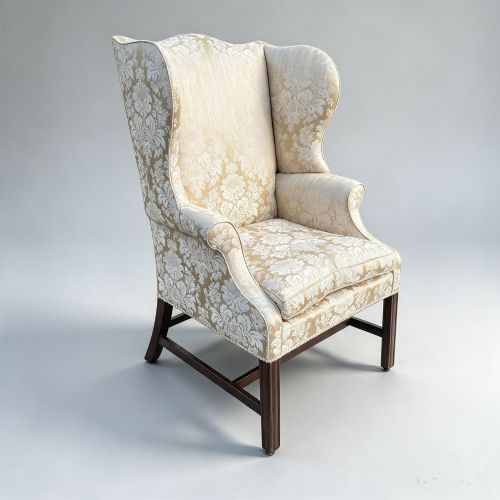
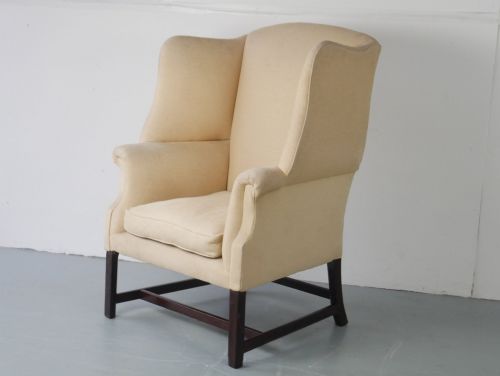
When you search for a georgian style wing armchair, you encounter seating designed with protective side panels on the back to shield the sitter from fireside draughts. The pieces span genuine eighteenth-century examples alongside later revivals from the nineteenth and twentieth centuries.
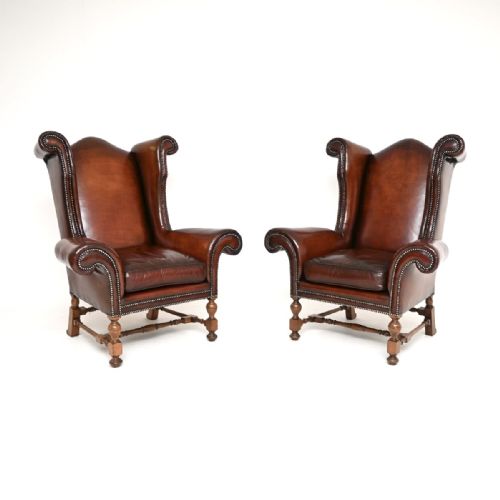
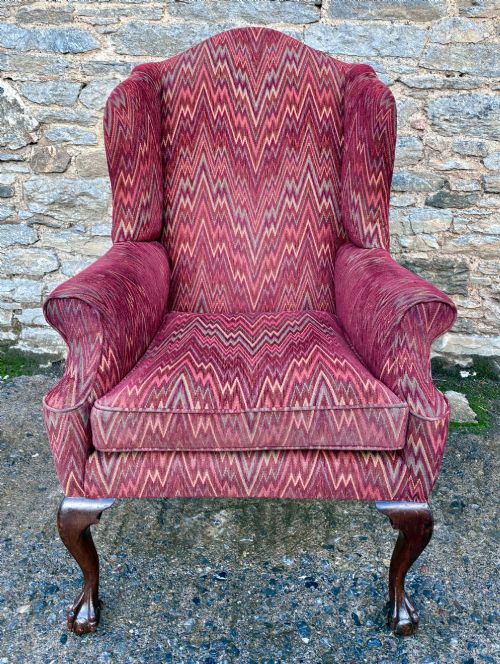
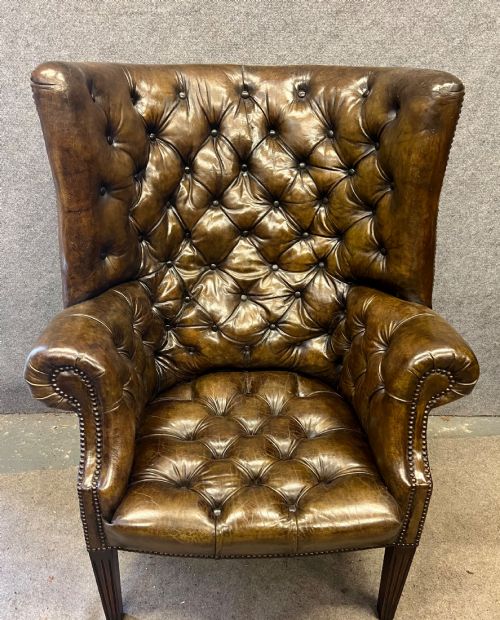
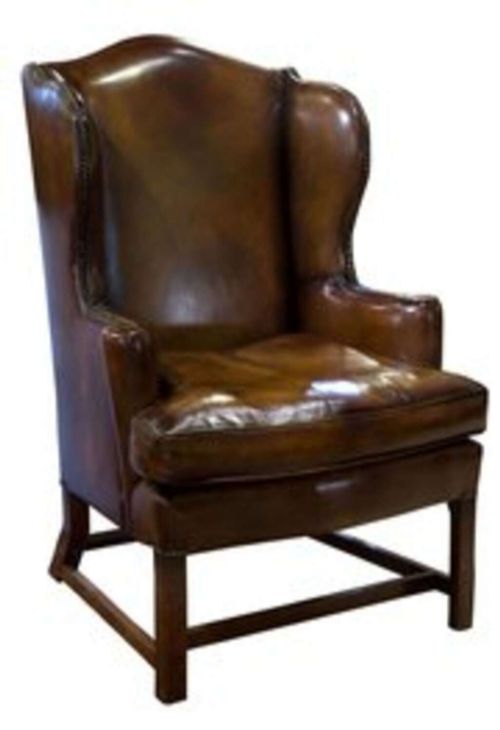
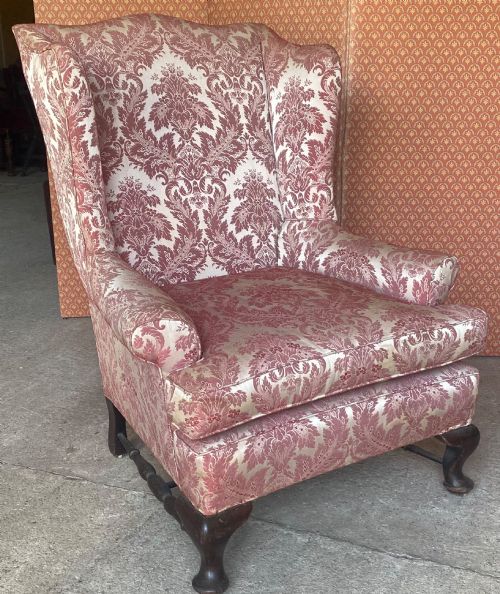
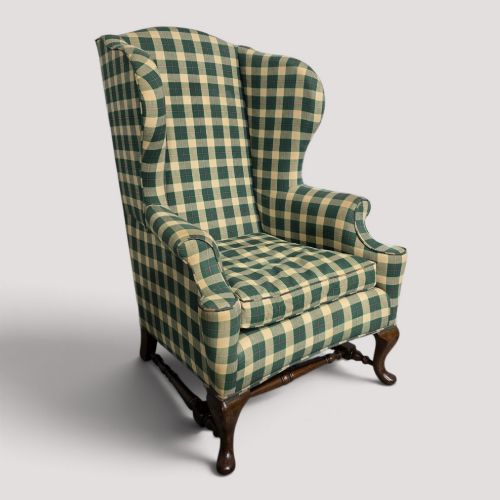
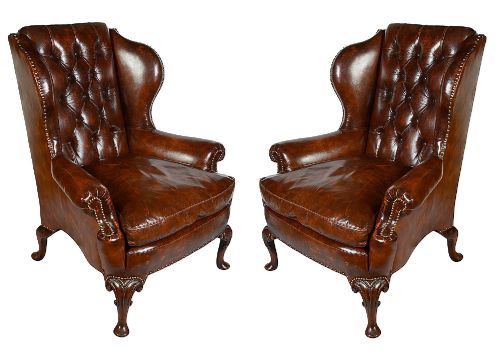
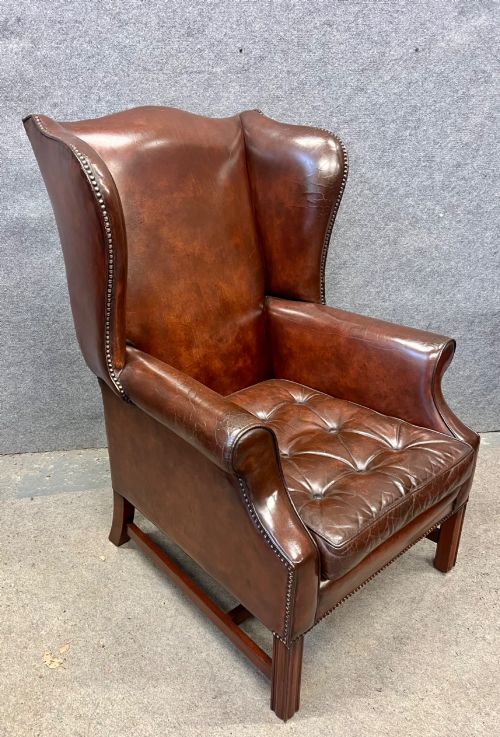
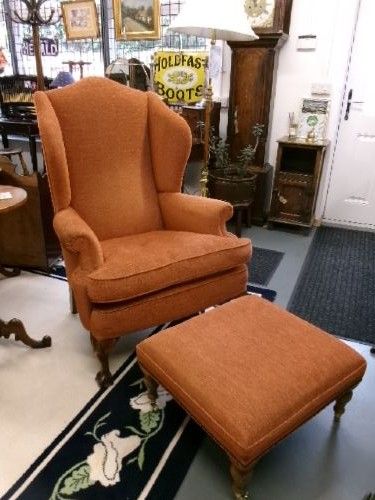
Most items on this page follow the georgian style, featuring exposed mahogany or walnut frames, upholstered wings, and generous seats. You also meet variations in leather, velvet, and fabric, including barrel backs and occasional sofas.
Origins range from eighteenth-century English workshops to Edwardian country houses and twentieth-century reproductions. The common thread is the traditional wingback silhouette adapted for comfort across multiple eras.
Materials and construction
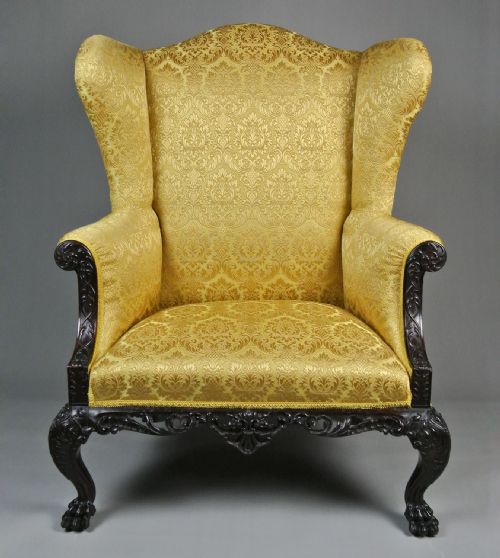
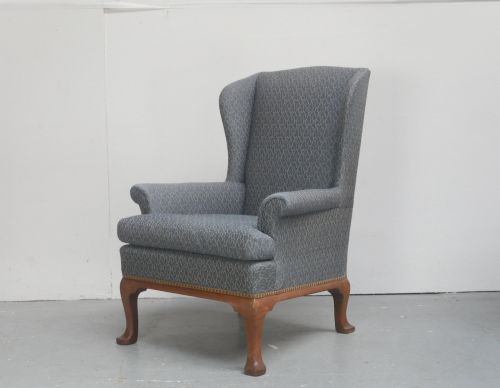
Makers built the structural frames using timber such as mahogany, walnut, and general wood, often shaping the cabriole or straight legs by hand. Some pieces incorporate brass castors or studs alongside carved details executed in the irish manner.
Upholstery methods involve stuffing with traditional materials like feathers and securing them beneath surfaces of leather, velvet, fabric, or calico. Buttoning appears frequently on leather versions, while other frames arrive ready for final covering.
Georgian Style Wing Armchair Retail Price Guide 2026
Typical asking prices for georgian style wing armchair among the pieces listed under this phrase on Sellingantiques today, from the lower quarter to the upper quarter. They describe what is for sale here now, not the wider market.
Listings feature frames spanning from the eighteenth century through the Edwardian era up to nineteen thirty.
What determines quality
The standard of a georgian style wing armchair rests on the integrity of its wooden frame and the precision of any carving. Timber selection, such as dense mahogany or figured walnut, dictates the durability and visual weight of the base.
Execution of the upholstery and internal stuffing defines the seating comfort and structural longevity. Pieces retaining original leather or structured feather-filled interiors demonstrate superior craftsmanship compared to lesser reproductions.
The Georgian Style Wing Armchair Glossary
- Wingback
- An upholstered chair style featuring protective flaps attached to the back frame. These extensions originally trapped heat around the head and blocked cold air.
- Cabriole leg
- A furniture leg that curves outward in a convex arc and tapers inward in a concave arc. This form terminates in a pad or claw foot.
- Calico stage
- An intermediate point in upholstery where unbleached cotton covers the internal stuffing. This allows final fabric choices to be applied later.
- Irish manner
- A distinct regional design variation characterised by heavier proportions and elaborate carving. It often appears on eighteenth-century mahogany frames.
Georgian Style Wing Armchair: Frequently Asked Questions
How do I identify a true period piece?
Examine the construction methods visible beneath the chair, including the type of timber used in the frame and hand-cut joinery. Period pieces display wear consistent with age on the exposed wood and structural joints.
Compare the silhouette against known eighteenth-century proportions, noting the rake of the back and the shape of the wings. Revivals from the nineteenth and twentieth centuries often use machine-cut elements or different secondary woods.
What is the difference between styles?
Georgian models often feature restrained mahogany frames with subtle carving, whereas Chippendale revival versions showcase more elaborate detail. Queen Anne interpretations emphasise curved walnut lines and pad feet.
Later Edwardian and twentieth-century revivals adapt these historic shapes for modern proportions. They frequently incorporate full leather buttoning or looser feather filling for increased comfort.
Are chairs in calico ready to use?
Chairs at the calico stage feature internal webbing, springs, and stuffing covered in plain cotton. This intermediate state provides a stable foundation for you to apply your own top fabric.
Such pieces require an upholsterer to fit the final material of your choice. This allows you to match existing room decor while keeping the internal padding intact.
How should I care for leather upholstery?
Maintain leather surfaces by cleaning them gently with a dry or slightly damp cloth to remove dust. Avoid placing the armchair in direct sunlight or near heat sources to prevent the material from drying out.
Period leather develops a natural patina over decades of use. Conditioning treatments help preserve the supple quality of antique hides without altering their colour.