



Georgian Style Painting
When you search for a georgian style painting, you enter a world of oil on canvas portraits, classical scenes, and decorative panels rooted in the eighteenth and nineteenth centuries.
Georgian Style Painting
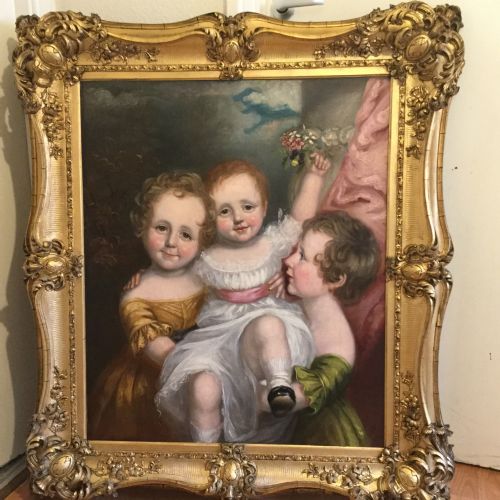
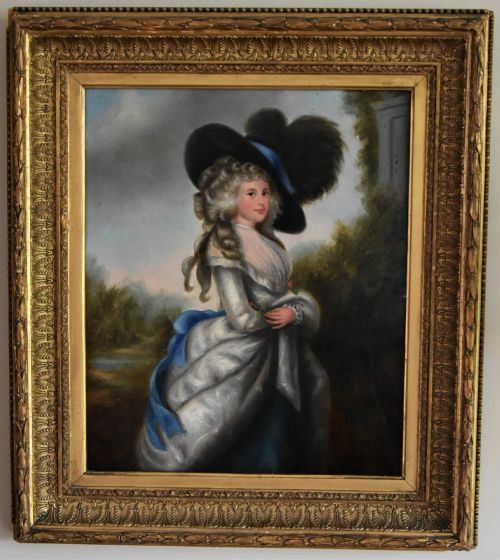
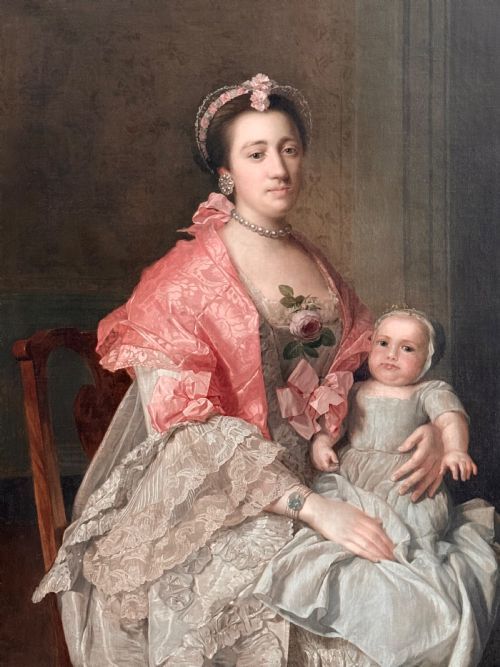
A georgian style painting encompasses formal oil portraits, classical studies, and decorative works executed across the eighteenth, nineteenth, and early twentieth centuries. Many examples draw directly on the visual traditions of eighteenth-century masters, capturing sitters in aristocratic dress or pastoral settings.
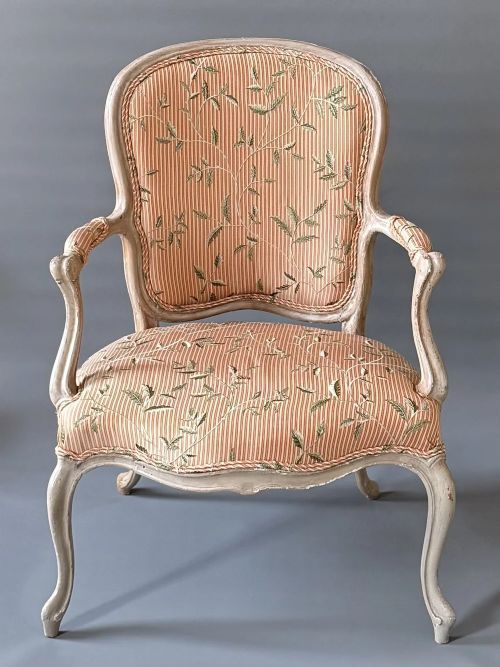
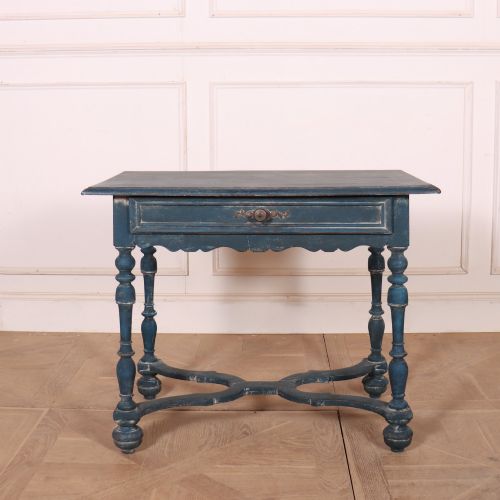
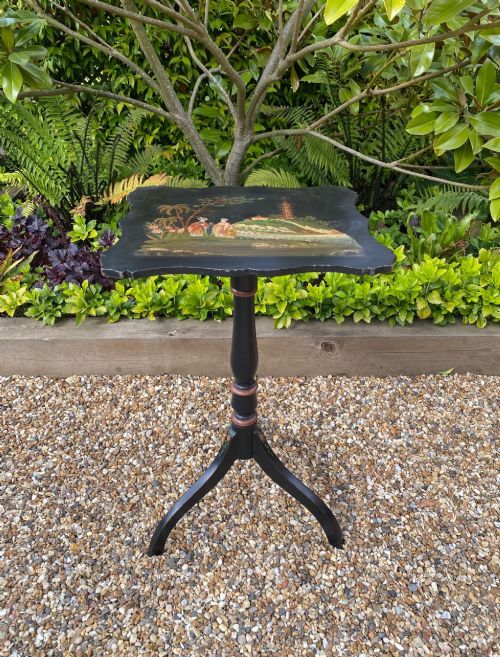
Buyers will encounter original period canvases alongside later revivals from the nineteenth and twentieth centuries that adopt the palette, clothing, and compositional weight of the Georgian era. Alongside flat canvases, related painted furniture and framed panels often carry similar artistic idioms.
The selections span from intimate watercolours of young ladies to large religious or mythological subjects such as sibyls, reflecting the breadth of historical tastes available to collectors.
How they were made
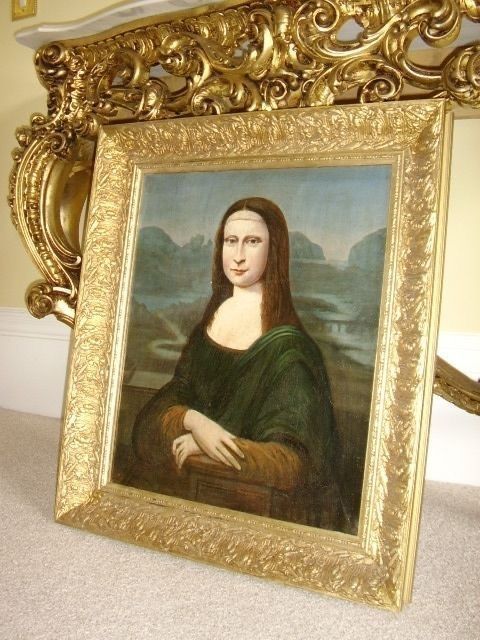
The primary medium for these works is oil paint applied to stretched canvas or panel, utilising traditional layering techniques to build depth in drapery, flesh tones, and background shadow. Giltwood frames and painted wood supports frequently house these artworks, adding structural and decorative weight.
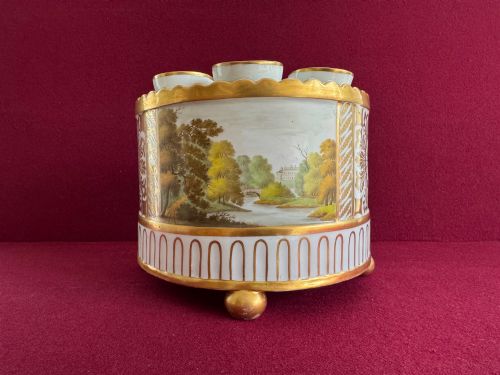
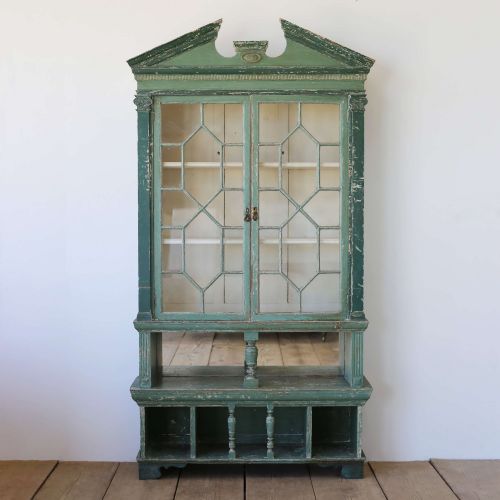
Many revival pieces and decorative items employ painted wood, lacquer, or Japanning techniques alongside gold leaf gilding to emulate the refined finish associated with Georgian and Regency interiors.
Sitters occasionally pose with unexpected companions, including orange trees, pet dogs, and classical sibyls.
What varies in quality
The integrity and age of the surrounding frame, whether original giltwood or period moulding, contribute significantly to the overall cohesion and historical character of the piece.
Sir Joshua Reynolds·Jeremiah Davison·Sir Thomas Lawrence·Sir Allan Ramsay
The Georgian Style Painting Glossary
- Oil on canvas
- Pigments bound in a drying oil, usually linseed, applied to a woven fabric support stretched across a wooden frame. This method allows for subtle blending and rich colour depth.
- Giltwood
- Timber, commonly carved gesso-coated wood, covered with a thin layer of gold leaf. It provides a bright, reflective border typical of formal period framing.
- Neoclassical
- A style spanning the eighteenth and early nineteenth centuries that drew inspiration from the art and culture of classical antiquity. It emphasises strict proportions, balance, and solemn dignity.
- Chinoiserie
- European decorative and fine art style reflecting Chinese artistic influences, characterised by whimsical motifs and lacquered surfaces. It gained immense popularity during the Georgian period.
- Regency
- The period in British history from 1811 to 1820, alongside the wider Regency aesthetic, marked by a refined classical elegance influenced by Greek and Roman design.
Georgian Style Painting: Frequently Asked Questions
Are these paintings original eighteenth-century works?
The selection includes genuine eighteenth-century works alongside later nineteenth- and twentieth-century revivals painted in the same historical manner.
Examining the canvas preparation, stretcher construction, and pigment ageing helps determine the exact period of execution.
How do I identify a revival piece?
Revival works often date from the Victorian or Edwardian eras, utilising period-appropriate motifs while displaying modern material wear or framing techniques.
Comparing the stylistic handling to known eighteenth-century studio practices clarifies the date of production.
What subjects are most common?
Portraits of ladies, gentlemen, and historical figures dominate the selections, alongside classical scenes and allegorical depictions.
These subjects reflect the portraiture traditions that defined elite British homes during the Georgian epoch.
How should I hang and care for them?
These works require stable indoor humidity away from direct sunlight to protect the oil pigments and wooden frames from cracking.
Gentle dusting with a soft, dry cloth is sufficient for routine maintenance of both canvas and giltwood.