
Georgian Style Mirror Frame
When you search for a georgian style mirror frame, you enter a world of carved timber and gilded plates that defined formal rooms across centuries.
Georgian Style Mirror Frame
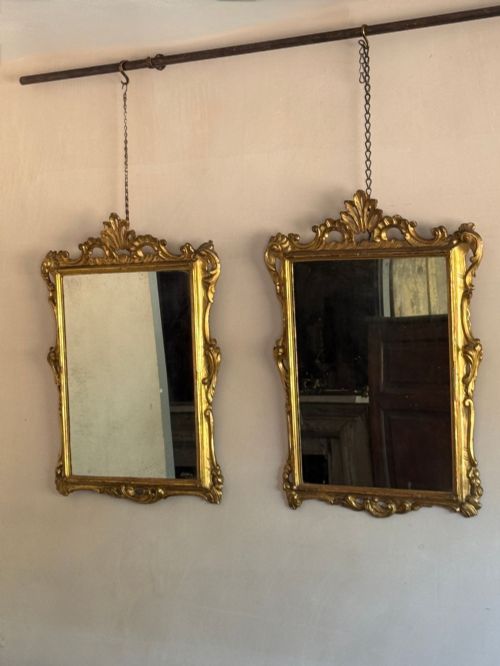
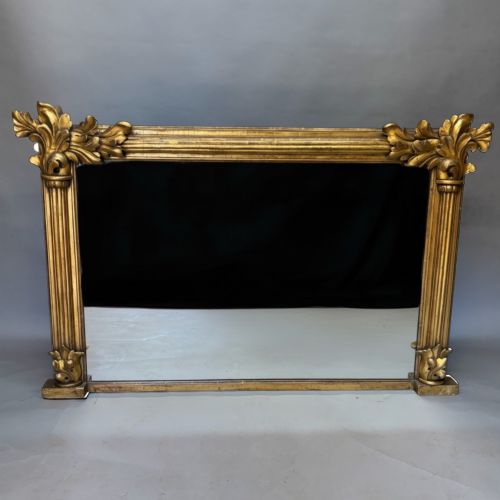
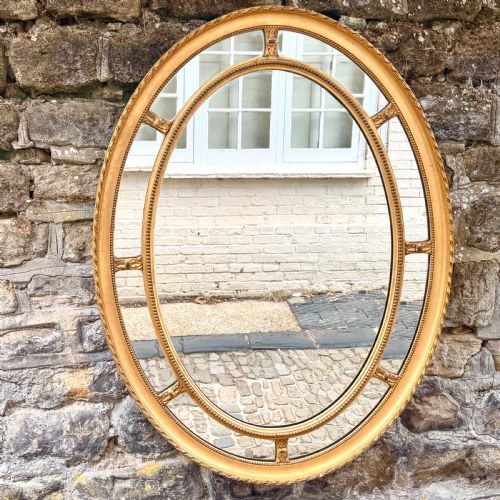
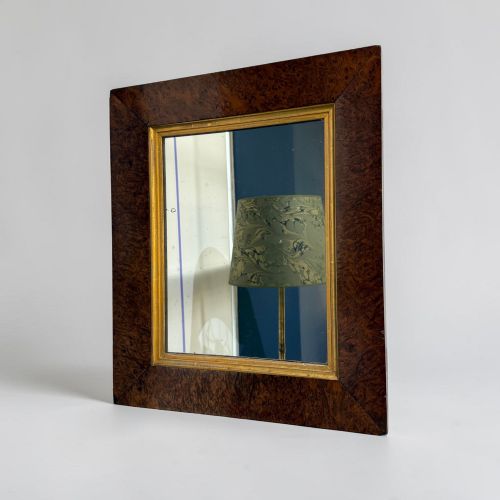
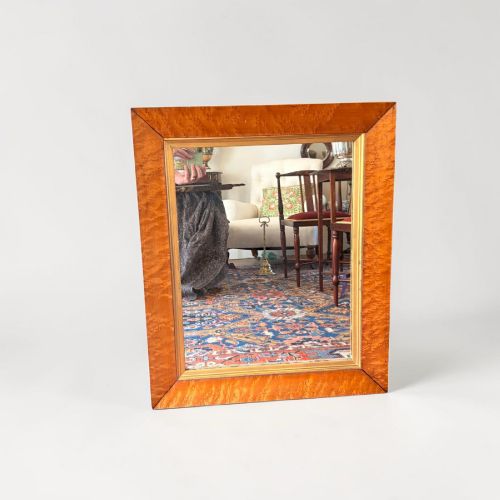
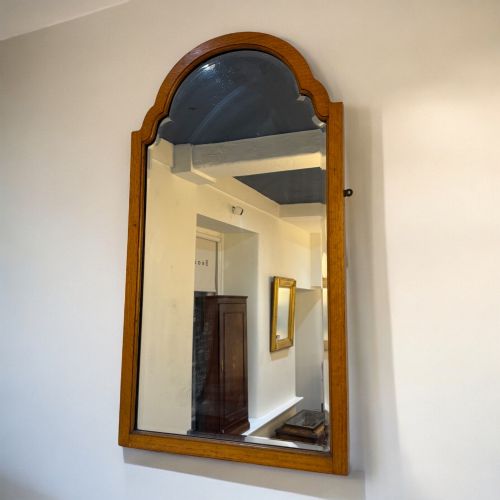
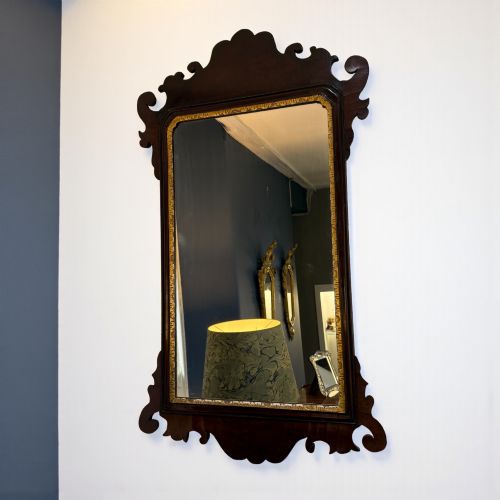
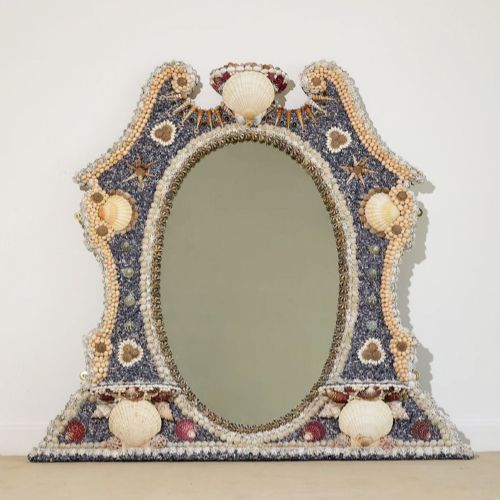
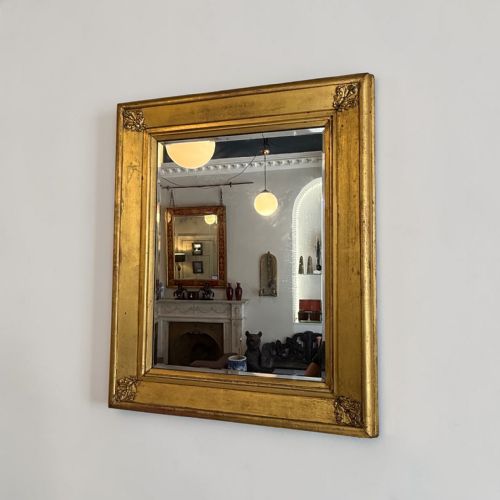
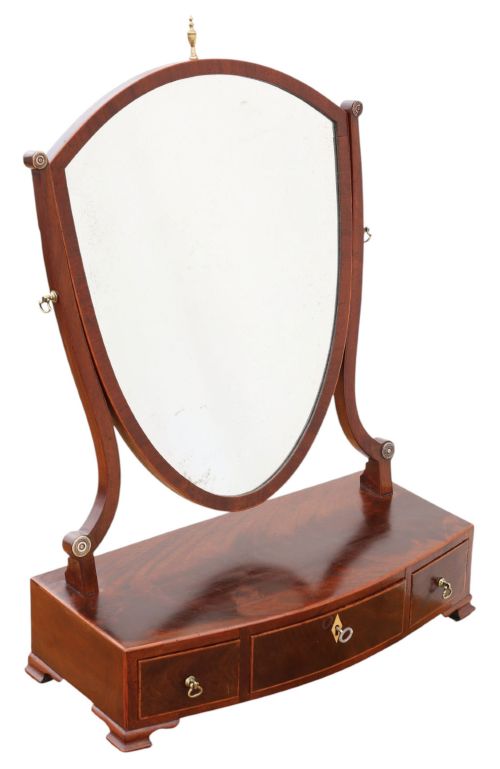
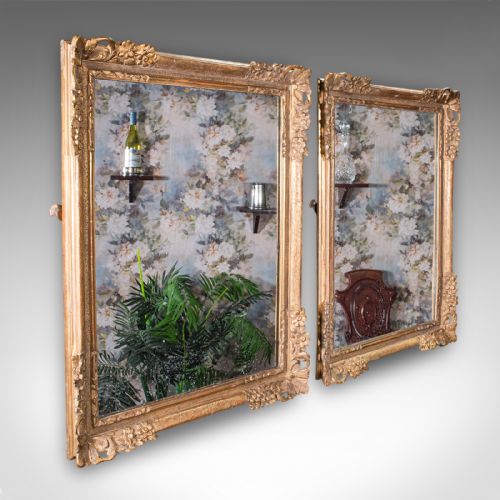
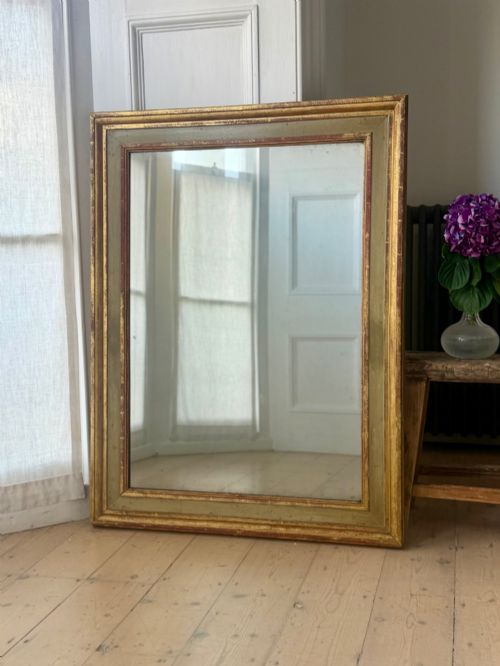
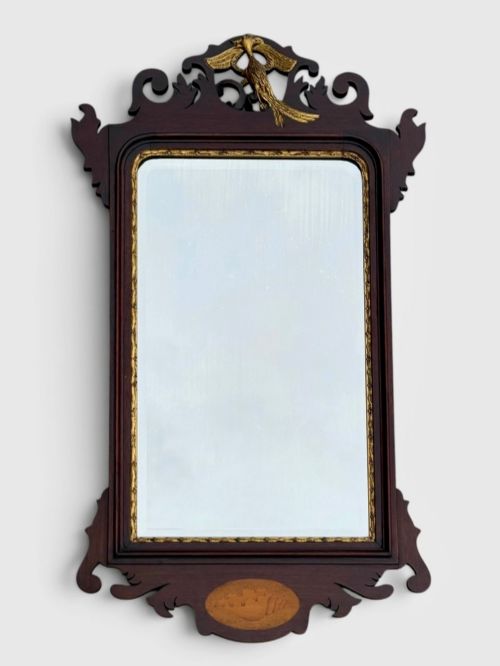
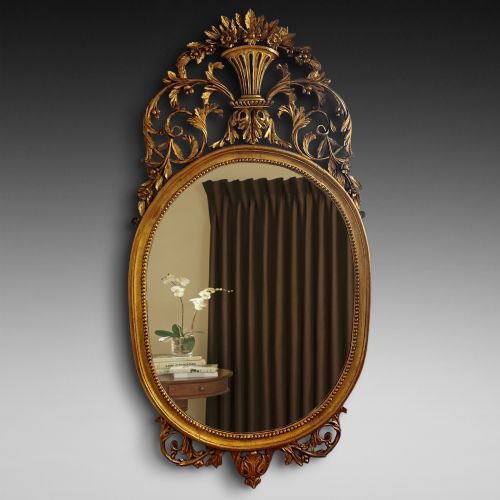
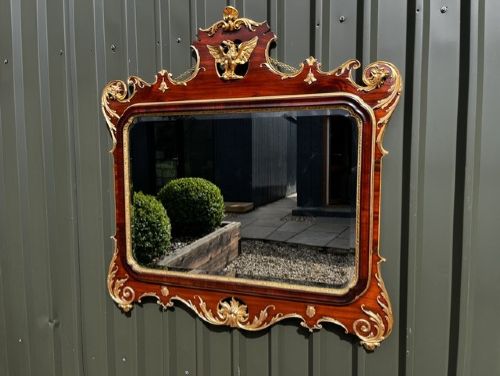
A georgian style mirror frame brings together wall mirrors, overmantels, and dressing table pieces drawn from the eighteenth century through later revival periods. You will regularly encounter mahogany, walnut, and giltwood constructions shaped into architectural piers, oval wall hangings, and fret-cut designs.
The selections span genuine period pieces alongside nineteenth and early twentieth century interpretations. These frames served practical domestic duties while acting as focal points in reception rooms, halls, and bedchambers.
How They Were Made
Craftsmen shaped solid timbers such as mahogany and walnut, often applying parcel gilding to accent carved details like scrolling foliage and architectural pediments. Giltwood frames relied on layers of gesso built over wood bases before applying gold leaf.
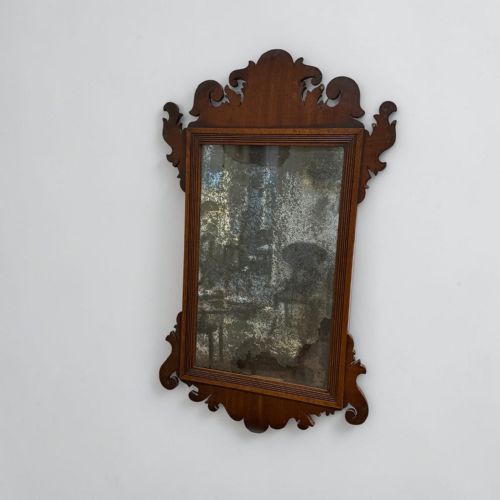
Makers utilised intricate fret-cut techniques on mahogany veneers and solid boards, sometimes incorporating silk panels or incorporating antique mercury glass plates with characteristic foxing.
Listings include mahogany, walnut, giltwood, and gesso across wall mirrors, overmantels, and cheval forms dating from the eighteenth to the twentieth century.
What Varies in Quality
The depth and sharpness of the hand-carving distinguish finer examples, particularly in complex motifs like the ho-ho bird or classical scrolls. Crisp execution in the gesso and the retention of original gilding elevate a piece above simpler later reproductions.
Proportion and timber selection play crucial roles, where figured mahogany and carefully matched walnut veneers create balanced forms that command attention without heaviness.
William Kent·John Belchier
The Georgian Style Mirror Frame Glossary
- Giltwood
- Timber coated with gold leaf applied over a prepared gesso ground. This finish provides the bright reflective surfaces seen on formal wall mirrors.
- Parcel Gilt
- A technique where portions of a wooden frame receive gilding while other areas display the natural grain of walnut or mahogany. It creates subtle contrast on eighteenth-century designs.
- Mercury Glass
- Early mirror plates produced using a tin and mercury amalgam poured behind the glass. This process creates a mottled appearance known as foxing.
- Fret-Cut
- Woodwork pierced with decorative patterns using a fretsaw, common on mahogany wall frames from the Georgian era and later revivals.
- Pier Mirror
- A tall glass designed specifically to hang on the wall space between windows. These pieces often match console tables positioned below them.
Georgian Style Mirror Frame: Frequently Asked Questions
How do I identify a georgian style mirror frame?
Look for traditional timbers like mahogany or walnut alongside classical architectural details and carved ornaments such as giltwood scrolls.
Examine the construction methods at the reverse of the frame to understand how the joints and mirror plates were secured.
Where should I hang an overmantel mirror?
These large horizontal frames traditionally sit above a fireplace mantelpiece to reflect light and anchor the room's proportions.
Ensure the wall fixings match the considerable weight of timber and glass constructions.
What is mercury glass?
Mercury glass refers to antique mirror plates backed with a reflective metal amalgam rather than modern silvering.
Over time, this material develops dark spots and a characteristic cloudiness called foxing.
Can I use a dressing table mirror on a wall?
Most dressing table mirrors feature swing frames attached to small stands or boxes designed for tabletop use.
Specialist brackets allow secure wall mounting if you prefer to adapt their original placement.