

Georgian Style Gold Mirror
A georgian style gold mirror brings dramatic reflection and neoclassical elegance to a room through gilded surfaces and carved wooden frames.
Georgian Style Gold Mirror
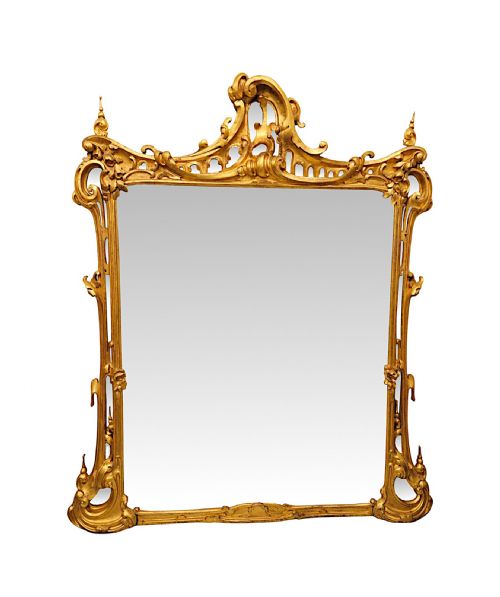
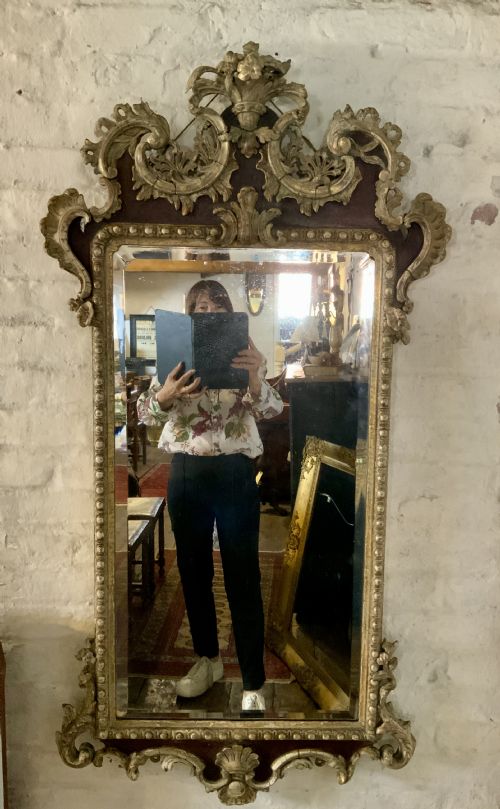
A georgian style gold mirror encompasses wall-hung and overmantel looking glasses originating from the eighteenth century onwards, with revival interpretations spanning the nineteenth and early twentieth centuries. These works frequently draw upon historical motifs including rococo scrolls, neoclassical swags, and Chinese Chippendale influences.
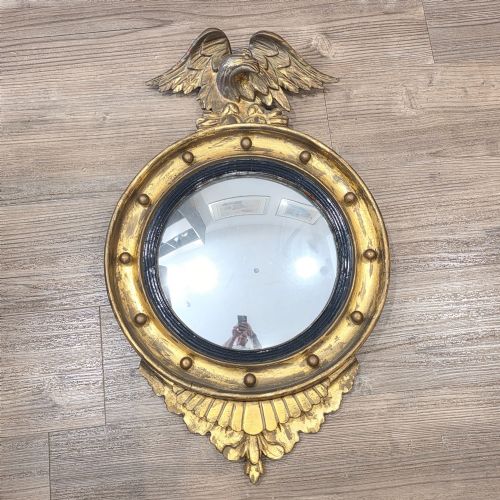
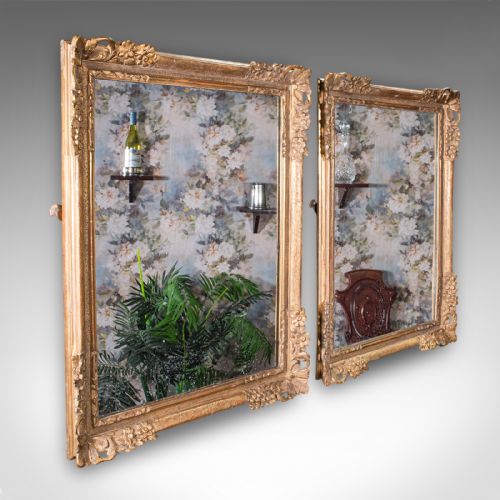
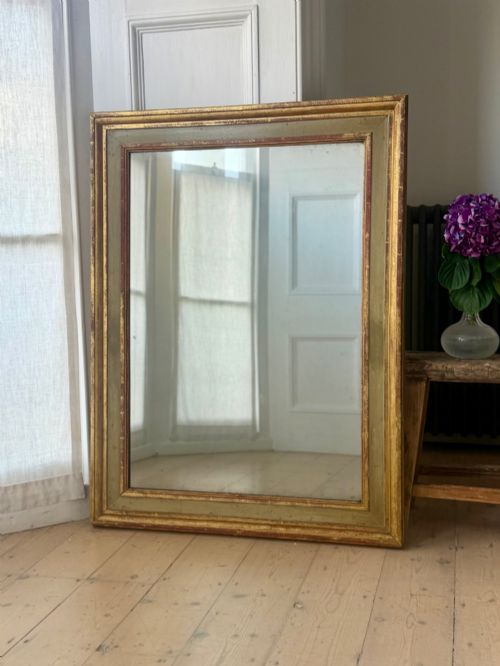
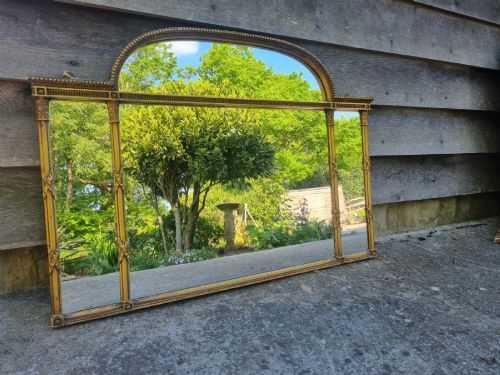
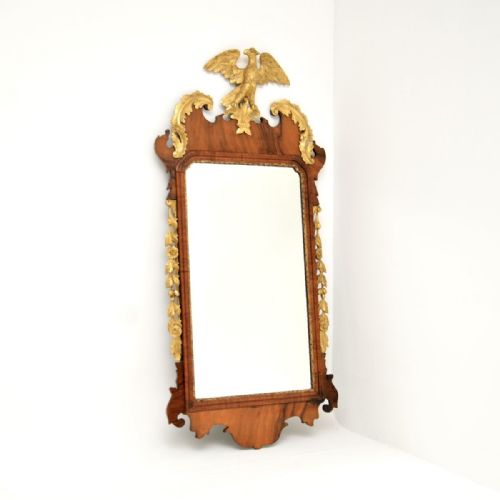
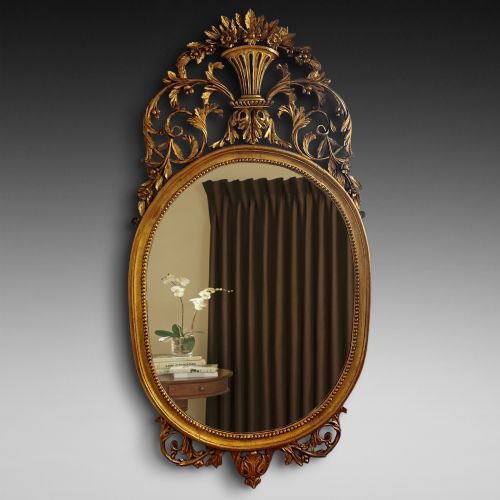
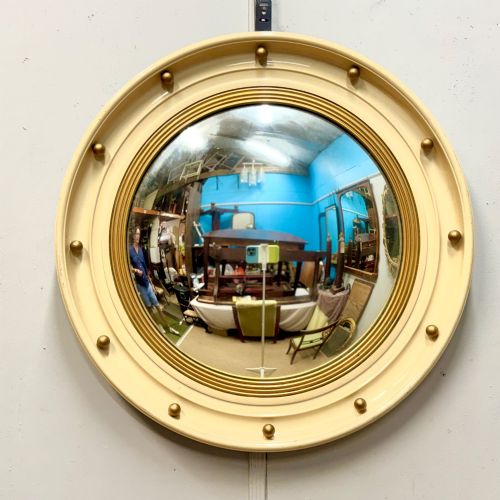
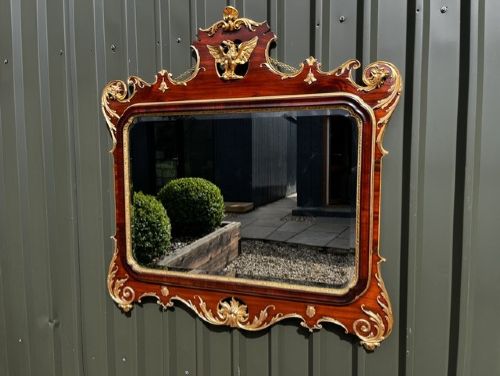
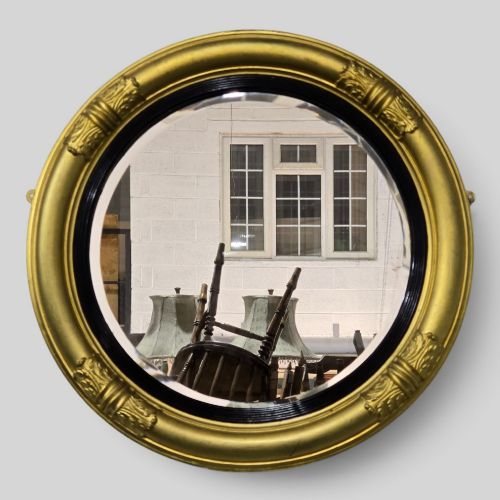
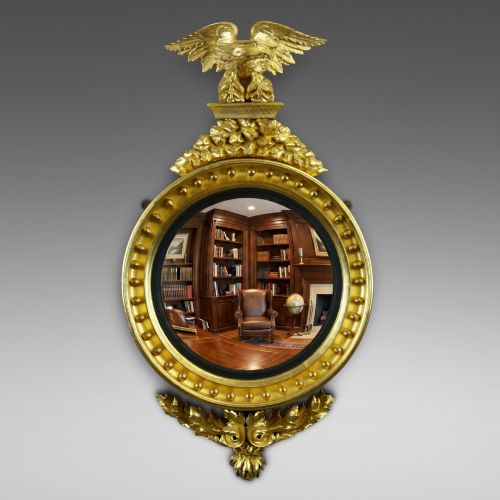
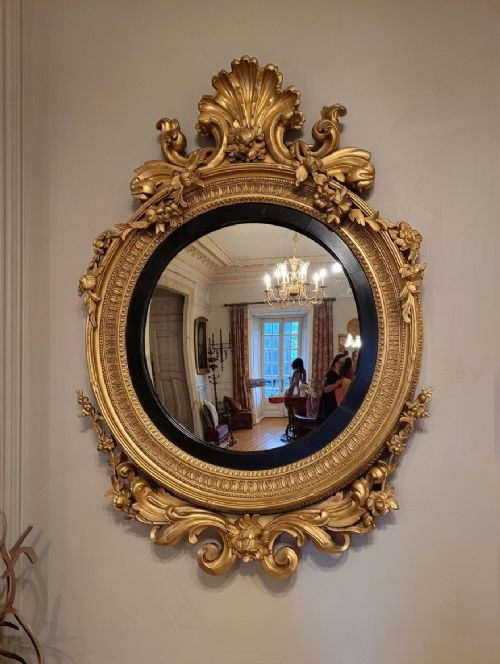
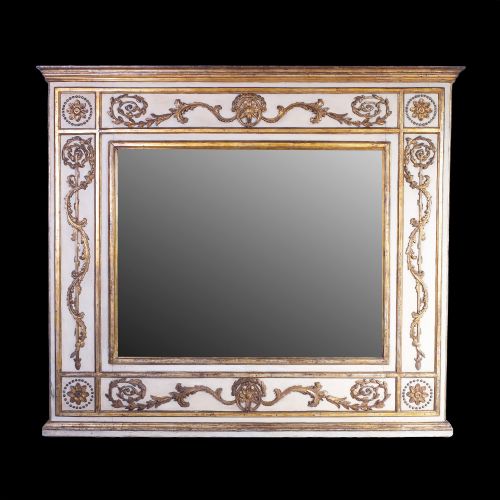
Buyers will encounter various formats ranging from small oval wall mirrors to large overmantels designed for placement above fireplaces. The selection on this page includes rectangular pier mirrors, convex butler glasses, and elaborate frames featuring carved birds or parcel gilt details.
The aesthetic merges polished reflective glass with gilded wooden structures that reflect light and expand interior spaces. Pieces span authentic period items alongside later nineteenth and twentieth-century revivals created in the established design idioms.
Assessing quality in framing and glass
The distinction between standard and exceptional pieces lies in the crispness and depth of the wood carving. Skilled carvers rendered foliage, birds, and architectural details with sharp undercuts and balanced proportions rather than soft, flat moulding.
The integrity of the original gilding and the condition of the mirror plate heavily influence the character of the object. High-grade examples retain their historic gold leaf surfaces alongside authentic antique glass plates that show natural, even ageing.
Certain Irish mirrors feature whimsical carved wooden squirrels perched above the glass, ready to supervise your parlour.
The Georgian Style Gold Mirror Glossary
- Giltwood
- Timber that has been coated with gold leaf. This finish provides the characteristic bright metallic sheen found on traditional frames.
- Gesso
- A plaster mixture applied to wood frames. It creates a smooth base layer suitable for detailed carving and gilding.
- Convex mirror
- A round looking glass with a curved surface. This form provides a wide-angle reflection of the interior space.
- Overmantel mirror
- A large horizontal glass designed for placement above a fireplace mantel. These pieces frequently feature architectural framing.
- Parcel gilt
- Woodwork where only specific carved highlights are gilded, leaving the underlying timber visible. This technique creates a contrast between gold and natural wood.
Georgian Style Gold Mirror: Frequently Asked Questions
Where should I hang a large overmantel mirror?
These expansive looking glasses are traditionally positioned directly above a fireplace mantel to anchor the room's main wall. They function effectively to bounce natural daylight across the interior.
Ensure the wall fixings are secured into solid studs or masonry to support the considerable weight of the wooden frame and glass plate.
How do I clean an antique giltwood frame?
Dust the carved wooden surfaces gently using a very soft, dry brush or a clean feather duster. Avoid applying liquid cleaners or chemical polishes, which can damage fragile gold leaf and gesso.
Take particular care around intricate areas like carved foliage or applied composition ornaments to prevent accidental chipping.
What is foxing on antique mirror glass?
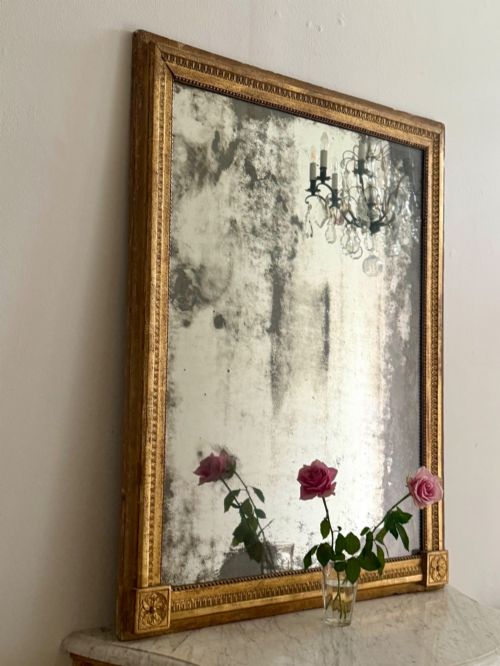
Foxing refers to the small dark spots and mottled patches that develop on older reflective plates over many decades. It occurs as the backing silver or mercury oxidises due to exposure to atmospheric moisture.
Many collectors appreciate this natural ageing process because it confirms the authenticity and considerable age of the glass plate.
How can I distinguish an eighteenth-century mirror from a later revival?
Examine the construction methods visible on the reverse of the wooden frame, including hand-cut joinery and older fixings. Eighteenth-century examples often exhibit distinct tool marks and naturally aged timber substrates.
Revival pieces from the nineteenth or twentieth century typically display machine-sawn elements and different patination on the gilding and backing materials.