

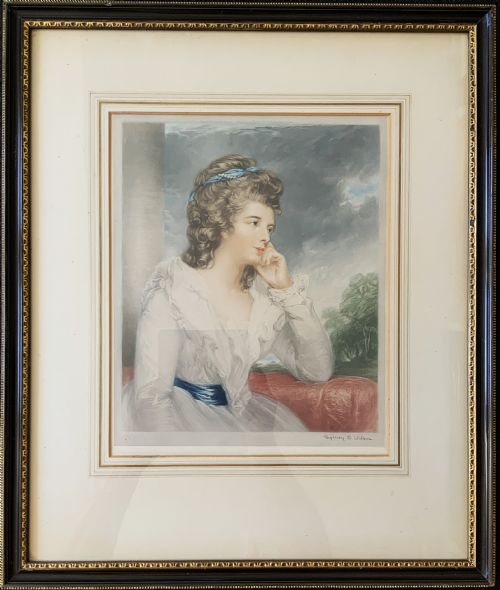
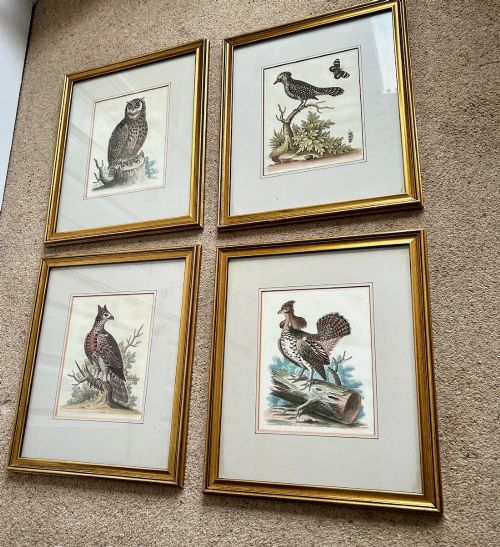


Georgian Style Framed Print
These georgian style framed print selections bring classical portraiture and decorative engravings into domestic interiors through period frames.
Georgian Style Framed Print
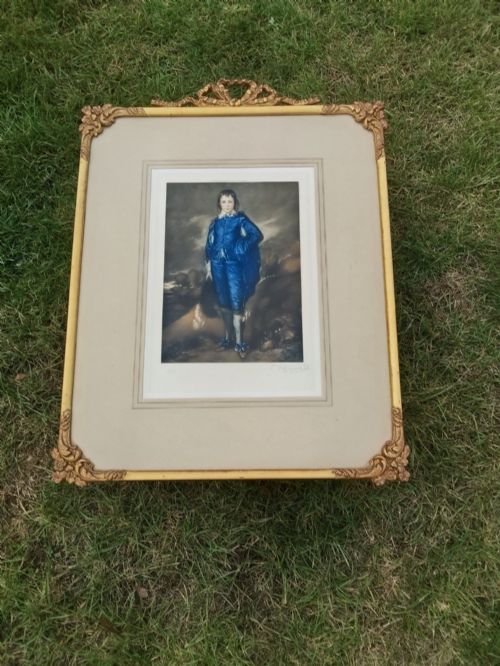
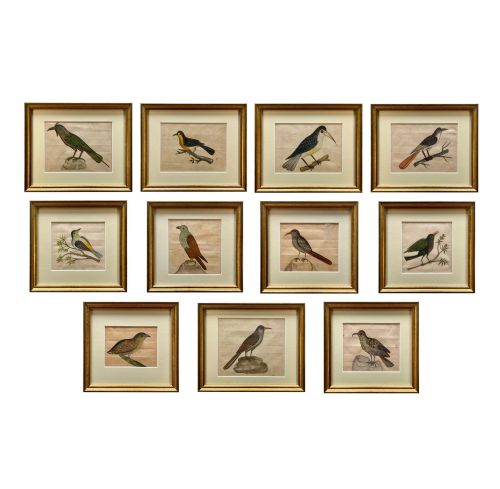
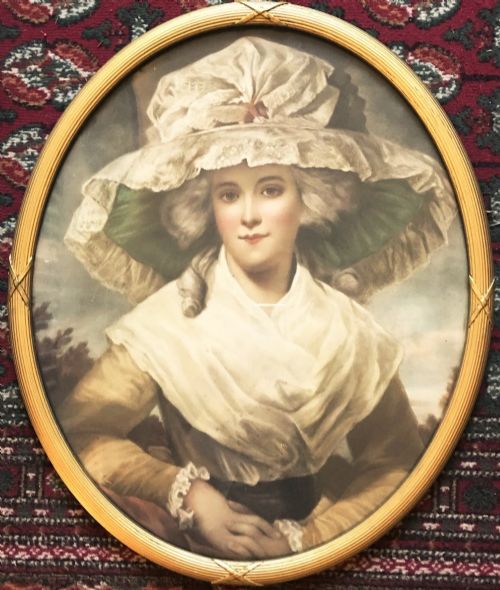
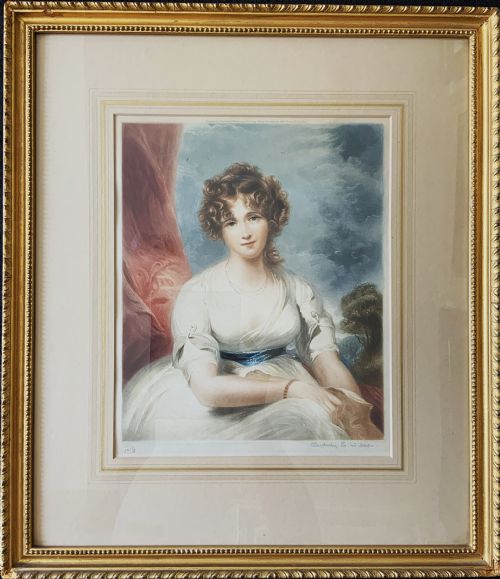
A georgian style framed print encompasses wall art, engravings, watercolours, and silhouettes originating from the eighteenth century onwards, with Edwardian and nineteenth-century revivals strongly represented.
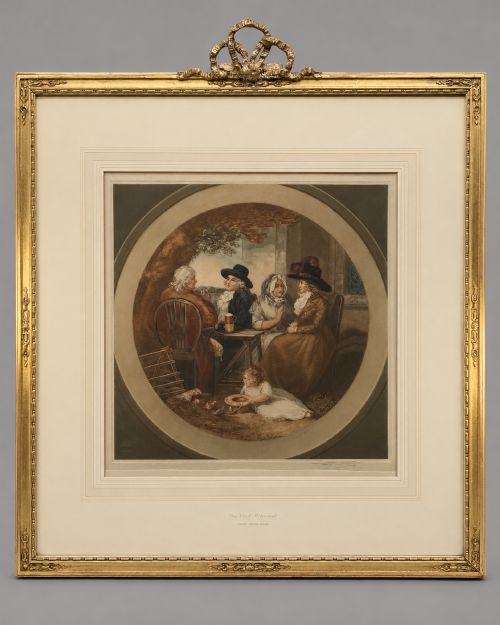
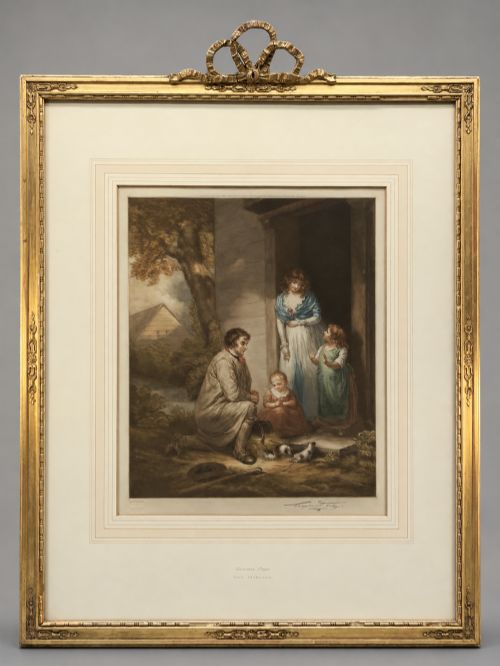
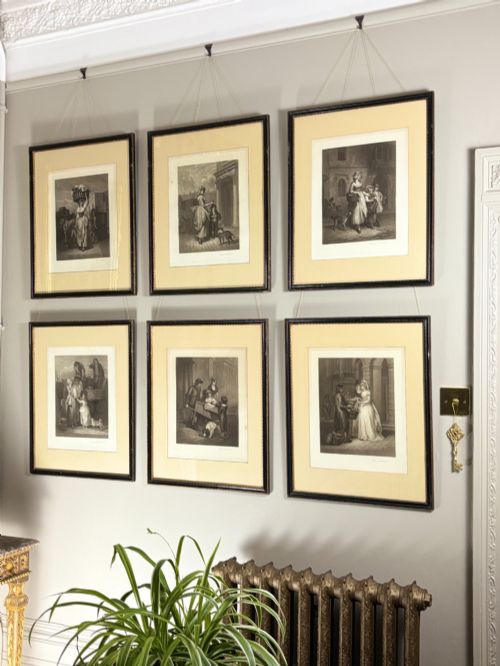
The objects take the form of mezzotints, hand-coloured engravings, and artist proofs housed behind glass within giltwood, wood, or Hogarth frames.
Buyers seeking this phrase encounter both original period works after artists like William Hogarth and George Romney alongside later interpretations spanning the Edwardian era and the early twentieth century.
Materials and construction methods
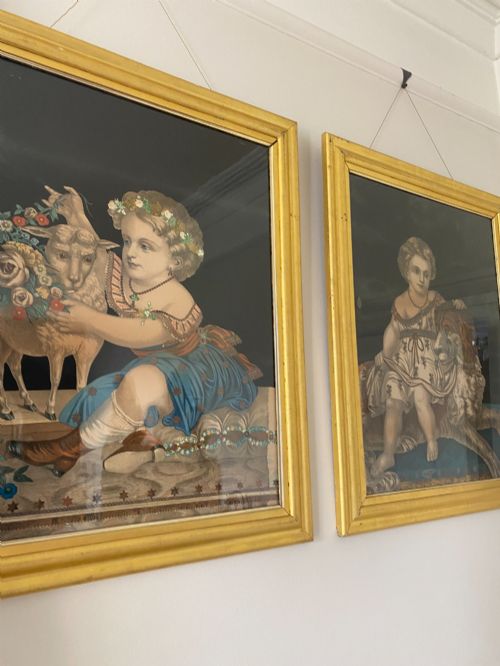
Images are rendered on paper or fabric using ink and watercolour, occasionally incorporating hand-colouring or metal embellishments upon the surface.
Framing relies upon wood, gilt wood, and gold leaf, with certain examples utilising dome-fronted glass to protect the delicate paper or textile within.
Georgian Style Framed Print Retail Price Guide 2026
Typical asking prices for georgian style framed print among the pieces listed under this phrase on Sellingantiques today, from the lower quarter to the upper quarter. They describe what is for sale here now, not the wider market.
Distinctions in quality and execution
The standard of the print or engraving depends on the crispness of the impression and the subtlety of any hand-applied colour or mezzotint scraping.
Frame construction also dictates overall merit, separating simple wooden mouldings from ornate, dome-fronted giltwood frames possessing original gilding.
Eugene James Tily·Thomas G Appleton·Sydney Wilson·George Edwards
The Georgian Style Framed Print Glossary
- Mezzotint
- A printmaking process of the intaglio family where the plate is roughened to achieve tones and rich darks. This technique allows for subtle gradations of light and shadow in portraiture.
- Artist Proof
- An impression of a print taken in limited numbers for the artist's own use before commercial publication. These often command greater interest among collectors.
- Hogarth Frame
- A narrow, stepped wooden frame with a distinct profile, traditionally associated with eighteenth-century prints and engravings. It provides a simple, dark border that complements classical imagery.
- Silhouette
- A portrait cut from black paper or painted onto a card, often depicting a profile view. These conversational pieces became popular during the Georgian and Regency periods.
- Engraving
- A print made by cutting lines into a metal plate with a sharp tool to hold ink. The resulting image is transferred onto paper under pressure.
Georgian Style Framed Print: Frequently Asked Questions
How do I hang these framed prints safely?
Secure hanging requires strong picture wire attached to sturdy D-rings screwed into the wooden frame backing. Avoid placing them in direct sunlight to protect the paper and watercolours from fading.
Ensure the wall fixings match the weight of the frame, particularly for heavier giltwood or dome-fronted glass pieces.
Are these prints original to the eighteenth century?
The selection includes works spanning multiple periods, from authentic eighteenth-century engravings to Edwardian mezzotints and later twentieth-century revivals. Examining the paper, printing technique, and framing style helps determine the exact era of production.
Many pieces adopt a georgian style while having been produced during the nineteenth or early twentieth centuries.
What is a mezzotint engraving?
A mezzotint is a print created by roughening a metal plate evenly and then smoothing areas to create lighter tones. This method produces velvety blacks and smooth tonal transitions ideal for portraits.
Artists often used this technique to reproduce oil paintings by masters like Gainsborough and Romney.
How should I clean the glass on old frames?
Use a soft microfiber cloth slightly dampened with water or mild glass cleaner applied directly to the cloth rather than the frame. Keep moisture away from the wooden or gilt frame edges to prevent damage to the finish.
Older glass can be fragile, so press gently when wiping.