






Georgian Style Footrest
A georgian style footrest offers classic form and traditional comfort, bringing understated period character to any room through timeless timber framing and tactile upholstery.
Georgian Style Footrest
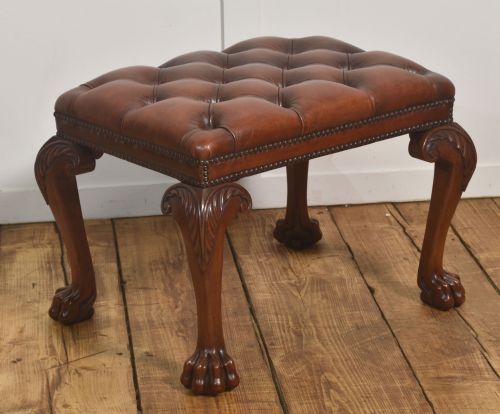
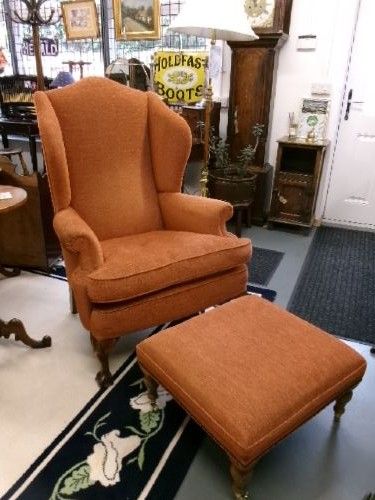
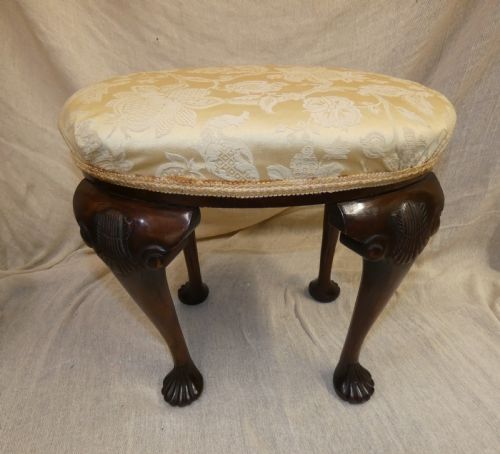
When you search for a georgian style footrest, you encounter low stools designed for resting feet or sitting at a dressing table. The selection spans revival pieces from the late nineteenth and early twentieth centuries alongside genuine eighteenth-century examples.
Most entries on this page adopt revival aesthetics, particularly Chippendale and Queen Anne designs that echo earlier centuries. These later interpretations appropriate classical motifs, bringing traditional seating forms into domestic spaces of the Victorian and Edwardian eras.
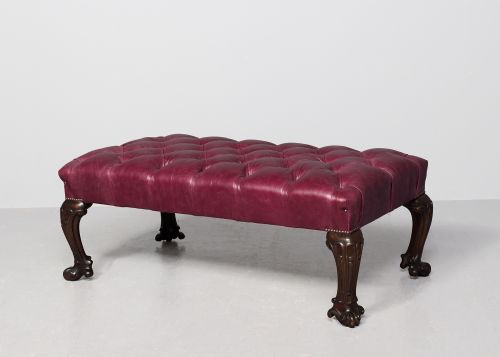
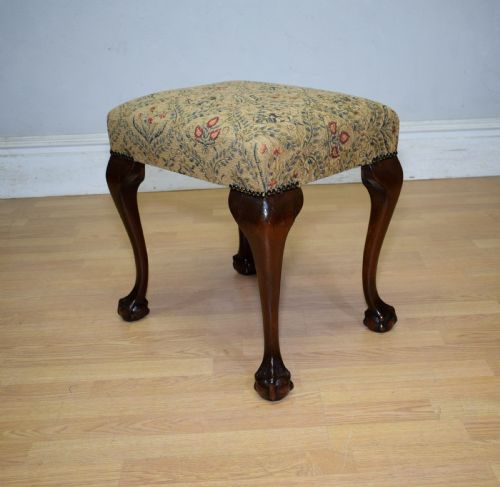
Formations include both compact individual stools and longer footstools intended to accommodate extended legs. Upholstery ranges from plain hide to decorative needlepoint and tapestry.
How they were made
Carpenters relied primarily on dense hardwoods like mahogany and walnut to construct sturdy frames capable of supporting weight. Beechwood also appears in utility pieces.
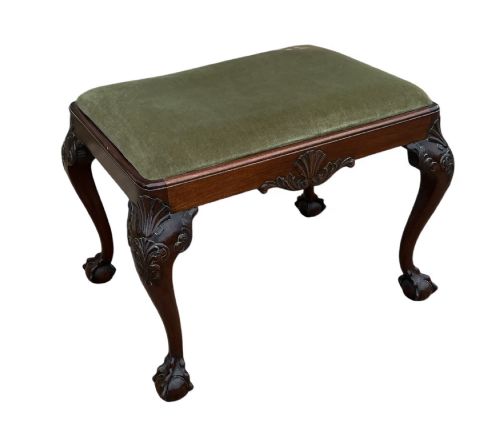
Craftsmen shaped timber using traditional joinery and hand-carving techniques, evident in scrolled legs and ornamental shells. Frames were subsequently fitted with textile covers including wool, velvet, leather, and fabric, often secured with brass tacks.
Georgian Style Footrest Retail Price Guide 2026
Typical asking prices for georgian style footrest among the pieces listed under this phrase on Sellingantiques today, from the lower quarter to the upper quarter. They describe what is for sale here now, not the wider market.
Upholstery materials in this selection span simple woven fabric, rich velvet, durable wool, and traditional brass-studded leather hide.
What varies in quality
The refinement of the woodwork dictates much of the distinction between simpler pieces and finer examples. Crisp hand-carving on cabriole legs and frame edges separates superior craftsmanship from routine production.
Upholstery materials also influence character, with specialist needlepoint and thick hides representing greater time investment than basic woven fabrics.
The Georgian Style Footrest Glossary
- Cabriole leg
- A furniture leg that curves outward at the knee and tapers inward toward the foot, mimicking animal limbs. This form frequently terminates in pad or claw-and-ball feet.
- Chippendale style
- A decorative design inspired by eighteenth-century cabinetmaker Thomas Chippendale, characterised by carved mahogany frames and ornate motifs. It experienced widespread revivals during the Victorian and Edwardian periods.
- Needlepoint
- A type of canvas work embroidery executed with wool or silk threads to produce dense, colourful patterns. It frequently serves as decorative upholstery on period seating.
Georgian Style Footrest: Frequently Asked Questions
What is a georgian style footrest?
A georgian style footrest is a low timber stool designed for comfort or dressing, drawing inspiration from eighteenth-century design principles.
These pieces range from authentic period items to revival interpretations manufactured during the nineteenth and twentieth centuries.
How were these stools used?
They served primarily as supports for tired feet near firesides or as low seats positioned before dressing tables.
Their sturdy wooden construction and upholstered surfaces provided practical utility in formal parlours and private bedchambers alike.
How do I distinguish revival periods?
Revival items from the late nineteenth and early twentieth centuries often display machine-assisted precision alongside traditional hand-finishing techniques.
Examining the internal timber colour, tool marks, and wear patterns helps separate older craftsmanship from newer reproductions.
How do I care for wooden frames?
Maintain timber frames by dusting regularly with a soft cloth and applying appropriate wax polish sparingly to nourish the wood grain.
Keep upholstered surfaces away from direct sunlight and moisture to preserve textiles and leather over time.