
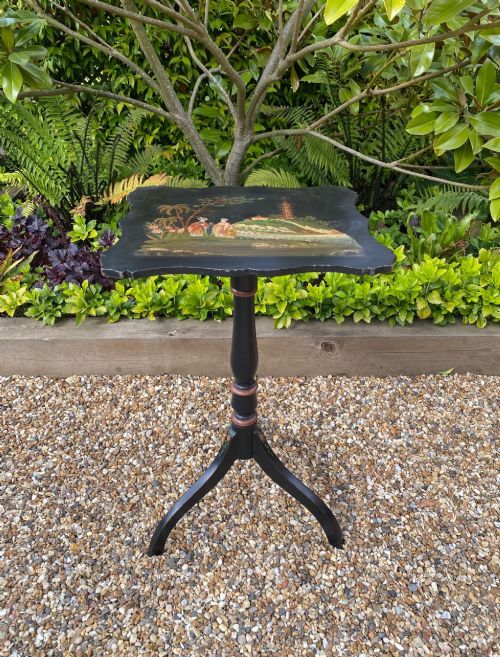
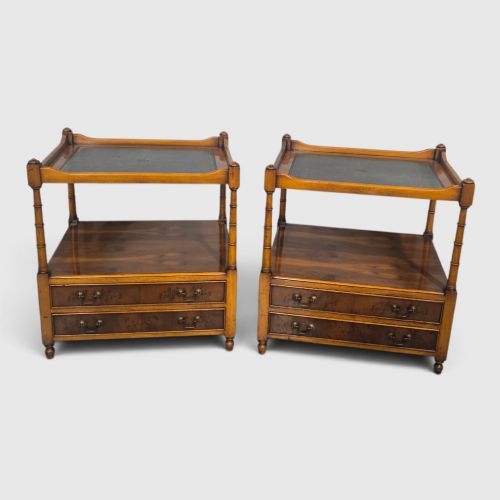
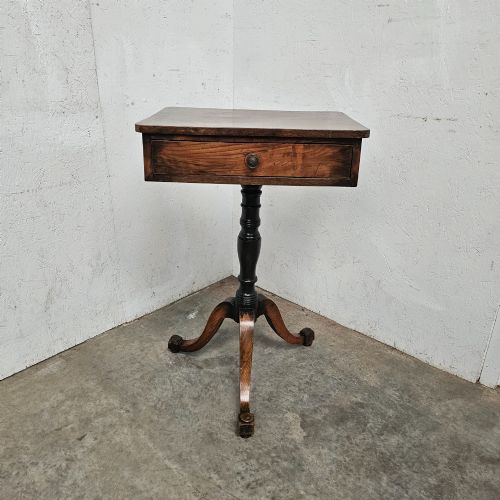
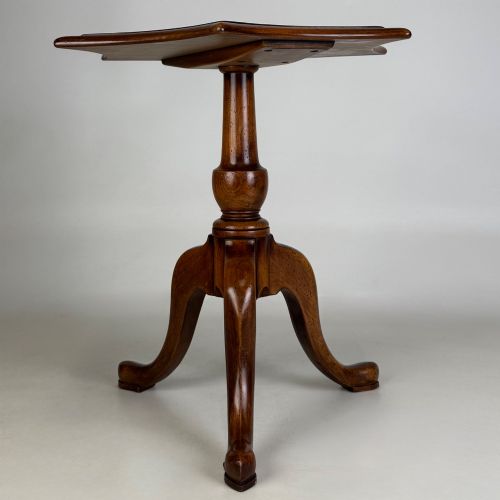
Georgian Style Accent Table
A georgian style accent table brings compact proportion and classic timber grain to a room, offering a functional surface rooted in eighteenth-century design.
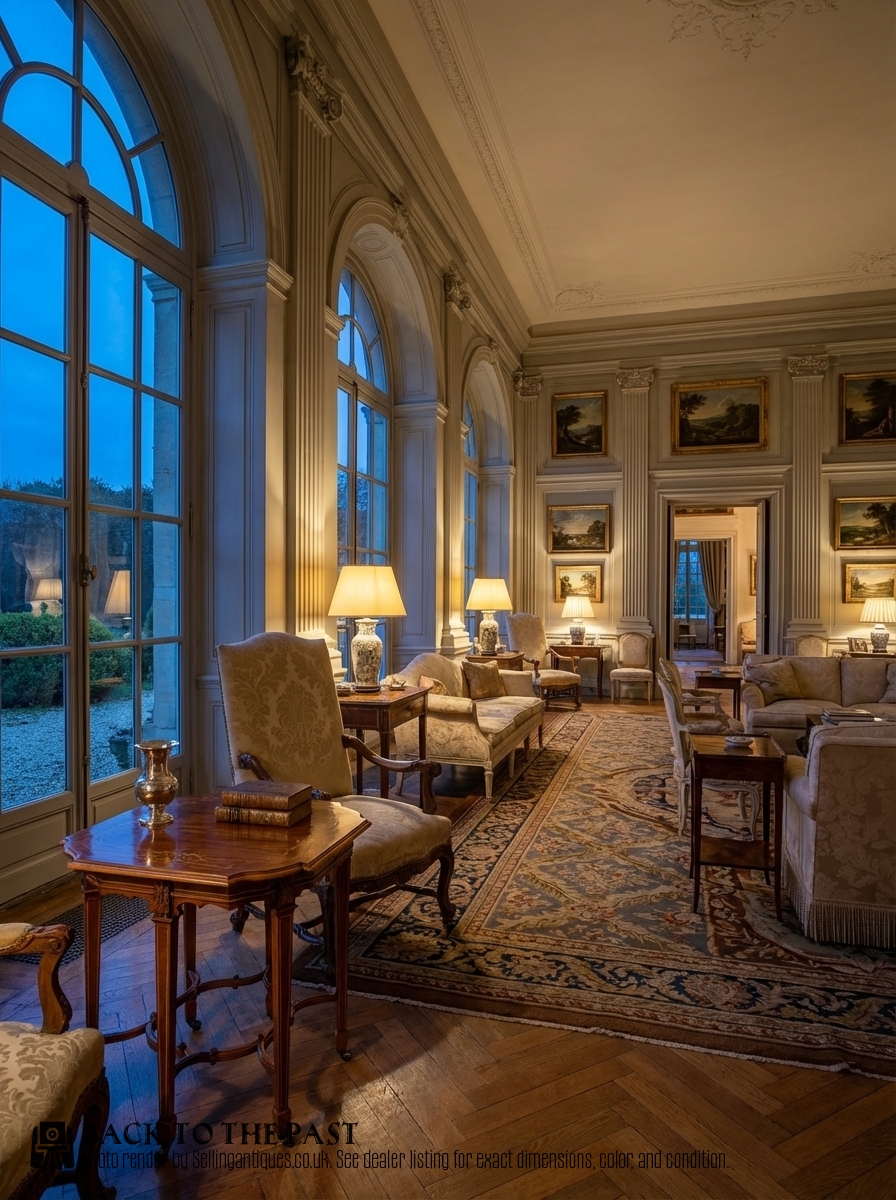
Georgian Style Accent Table
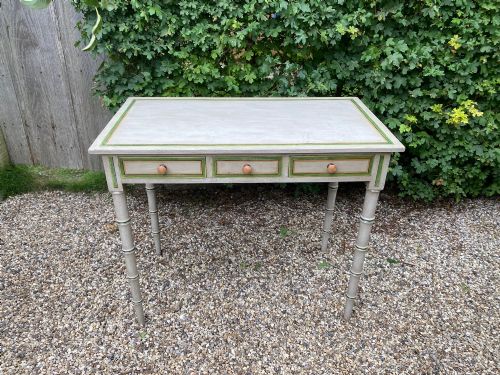
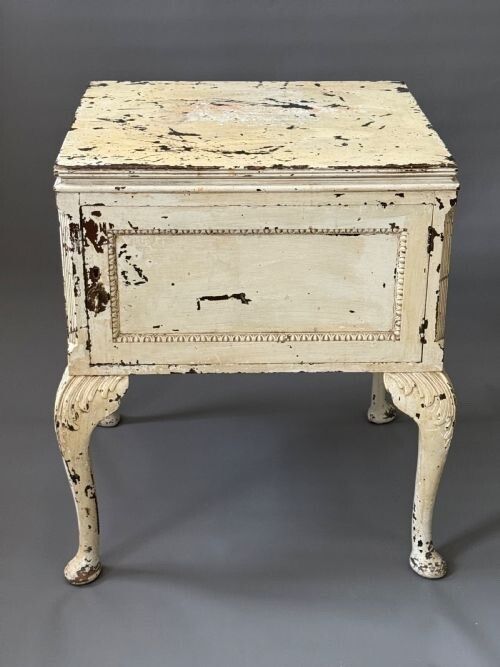
When you search for a georgian style accent table, you encounter small-scale furnishings designed for specific domestic tasks rather than grand dining. The selections here include side tables, occasional tables, pembroke tables, wine tables, lamp tables, and writing tables spanning the eighteenth century through to the early twentieth century.
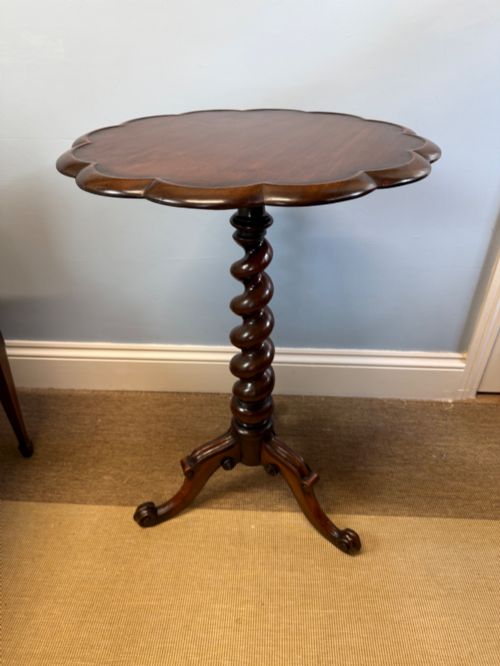
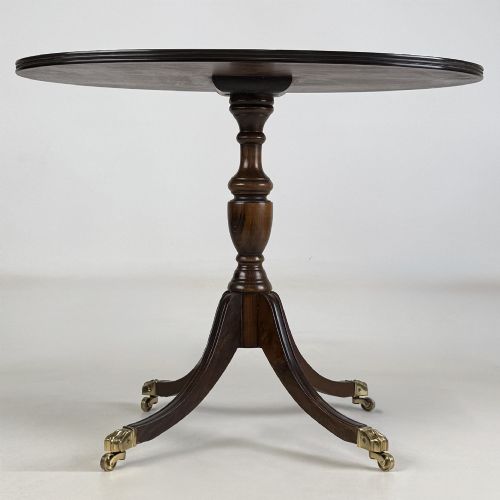
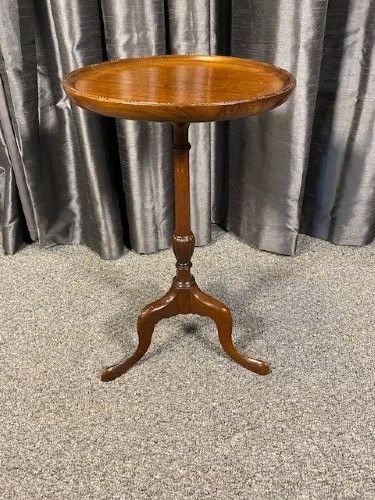
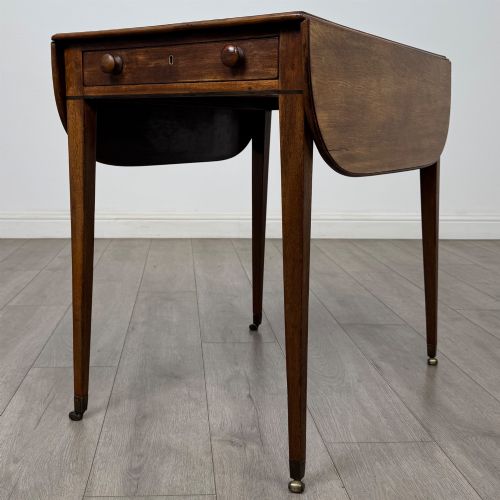
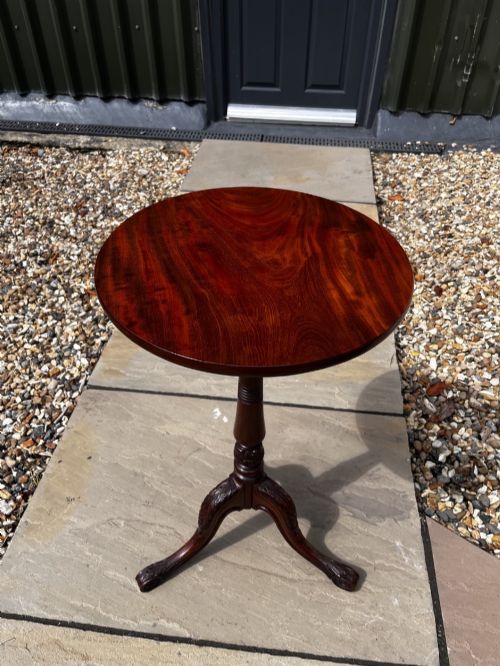
The dominant forms follow the aesthetic of the Georgian era and its later revivals, executed during periods such as the Victorian, Edwardian, and Regency eras. Many pieces draw on George III design, featuring tripod pedestals, drop leaves, or slender legs intended to fit easily beside seating.
Mahogany and walnut form the backbone of these listings, alongside occasional examples in oak, yew, satinwood, and elm. Buyers frequently meet pieces created during the Edwardian period or the Georgian Revival of the early twentieth century that pay homage to earlier cabinet-making traditions.
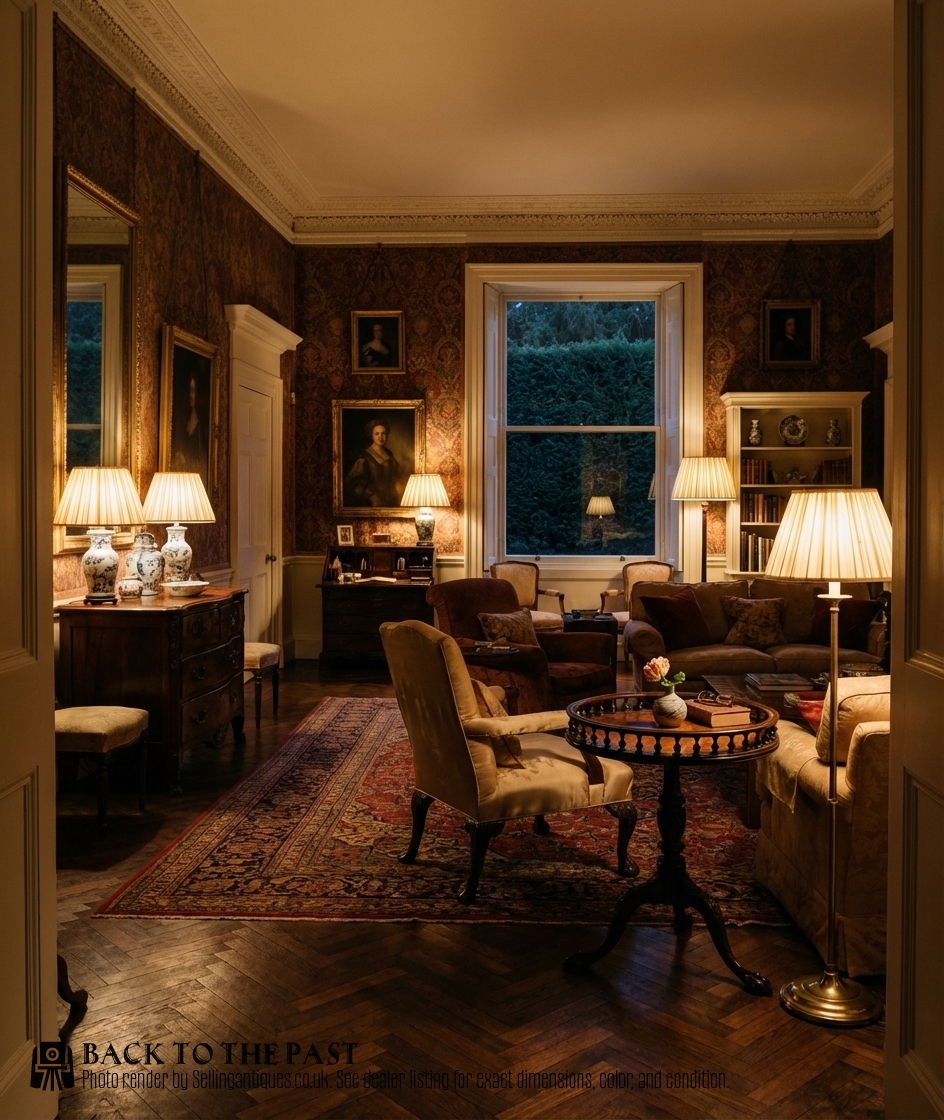
How they were made
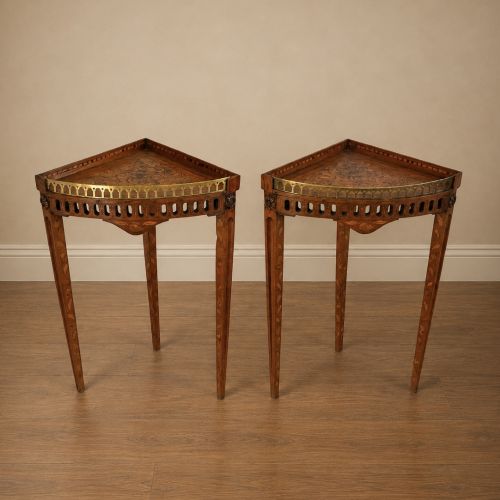
Cabinet-makers relied on solid timbers like mahogany, oak, and walnut, often enhanced with figured veneers such as burr walnut or satinwood to create decorative surface patterns. Cross-banding in contrasting woods like partridge wood and marquetry inlay added further visual detail to table tops and borders.
Structural joints utilised traditional joinery techniques, while pedestal bases often featured turned columns supported by tripod legs. Brass galleries, leather inset writing surfaces, and tilt-top mechanisms provided functional versatility to these smaller tables.
Some tables feature clever tilt-top mechanisms designed to let the top stand flat against a wall when the room needed to clear for dancing.
What varies in quality
The distinction between standard examples and superior pieces rests on the choice of timber and the crispness of any carved detail or inlay. Finer tables display carefully selected wood grain, such as figured walnut or rich mahogany, rather than plain stock.
Construction integrity and the subtlety of proportion separate routine workshop pieces from finer interpretations. Original hardware, balanced tripod feet, and precise marquetry elevate an accent table within its class.
The Georgian Style Accent Table Glossary
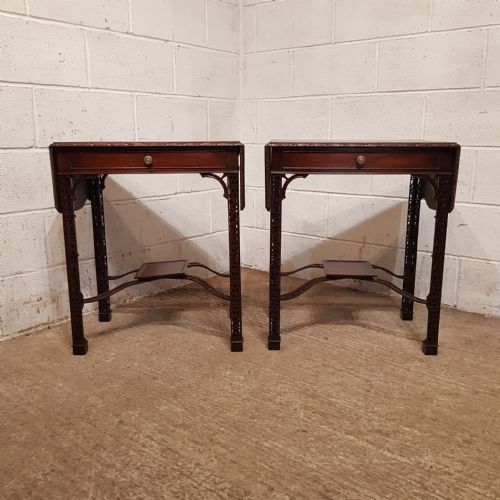
- Pembroke table
- A small occasional table with hinged drop leaves on either side, often featuring a single drawer. This form emerged in the eighteenth century and remained popular through subsequent revival periods.
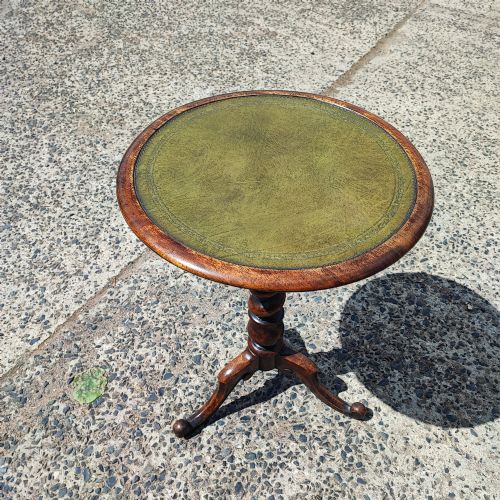
- Tripod table
- A small freestanding table supported by a central pillar resting on three legs. They frequently incorporate tilt-top mechanisms to save space when not in use.
- Marquetry
- The art of applying pieces of veneer to a structure to form decorative patterns or pictures. Craftsmen used various coloured woods to achieve detailed motifs on table tops.
- Cross-banding
- A border of veneer laid around the edge of a table top with the grain running perpendicular to the central panel. This technique frames the primary timber.
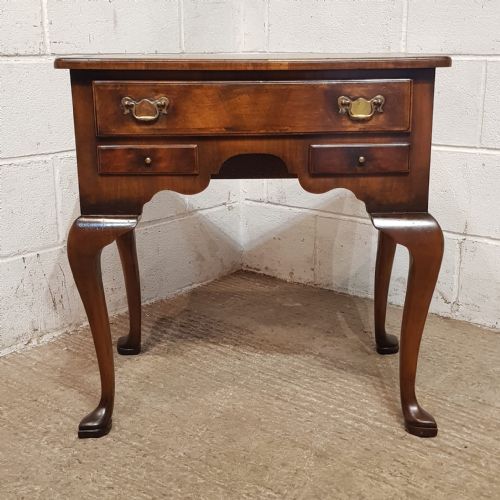
- Lowboy
- A small dressing table or side table with one or more rows of drawers supported by slender legs. They date from the eighteenth century and later revival eras.
Georgian Style Accent Table: Frequently Asked Questions
Where should I place a wine table?
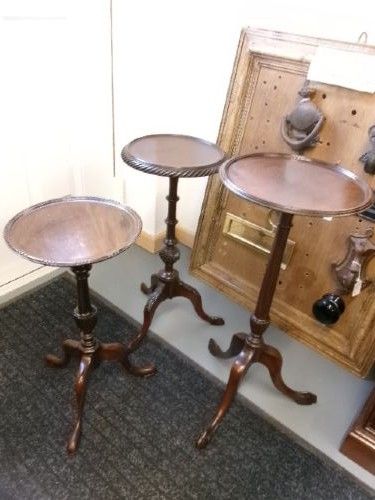
A wine table suits placement beside an armchair or sofa where surface space is needed for a cup or glass. Their compact footprint allows them to fit into corners and tight spaces without crowding a room.
Because many feature tripod bases or small square tops, they also function effectively as lamp tables in hallways or beside beds.
What is a pembroke table used for?
A pembroke table provides an adjustable surface that expands when the drop leaves are raised and contracts when lowered against the base. Historically used for writing or light needlework, they suit modern rooms as lamp tables or small side desks.
Many examples include a functional drawer for storing small items out of sight.
How do I identify a revival piece?
Revival pieces, such as those from the Edwardian era or the early twentieth century, adopt the proportions, timber choices, and decorative motifs of eighteenth-century furniture. They combine earlier stylistic cues with construction methods typical of their actual period of manufacture.
Examining the secondary timbers, drawer linings, and overall wear helps distinguish a later interpretation from an original eighteenth-century work.
Are these tables suitable for daily use?
These accent tables were built for everyday domestic tasks such as holding books, lamps, or writing materials. Their sturdy timber construction ensures they handle normal daily use well.
Routine care involves keeping them away from direct heat sources and excessive moisture to protect the timber and polish.