
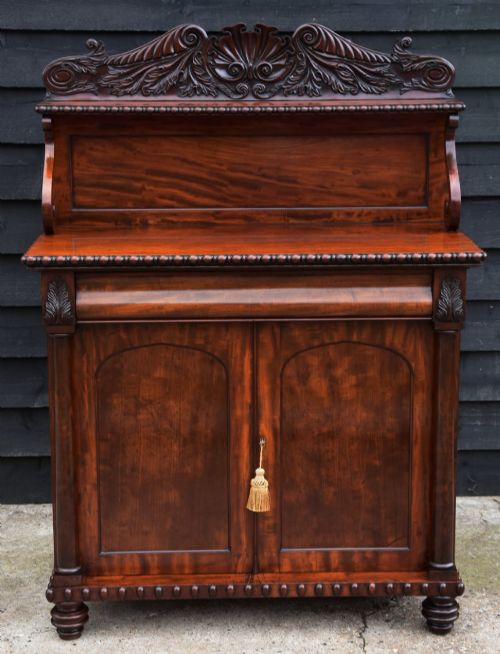
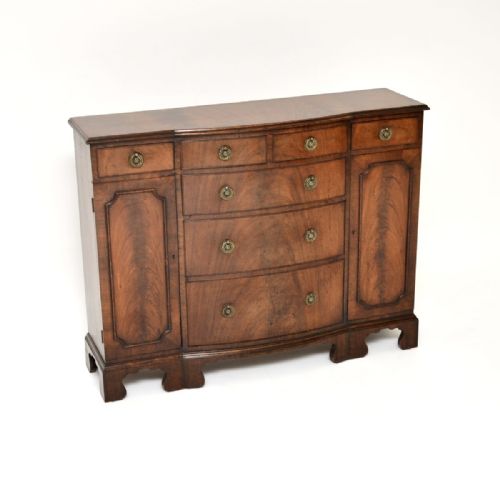
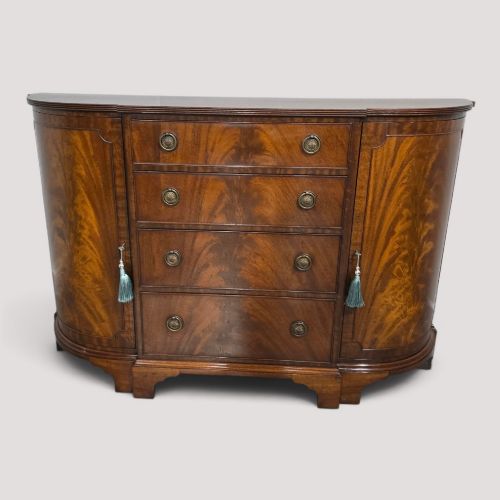
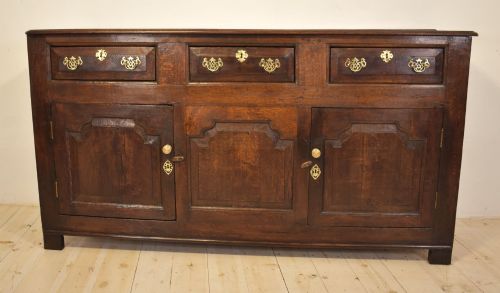
Georgian Storage Sideboard
A georgian storage sideboard offers deep cupboards and drawers fashioned from timbers like mahogany and oak to organise dining rooms.
Georgian Storage Sideboard
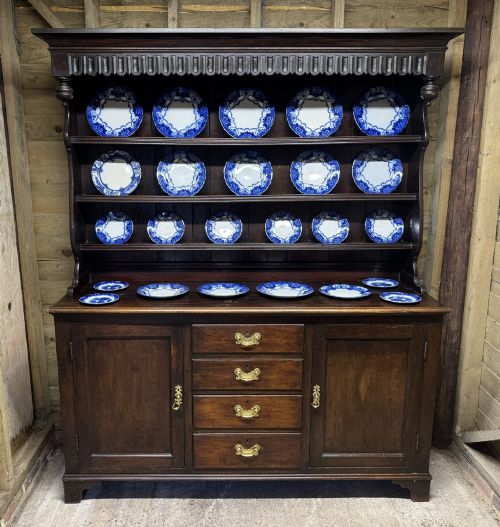
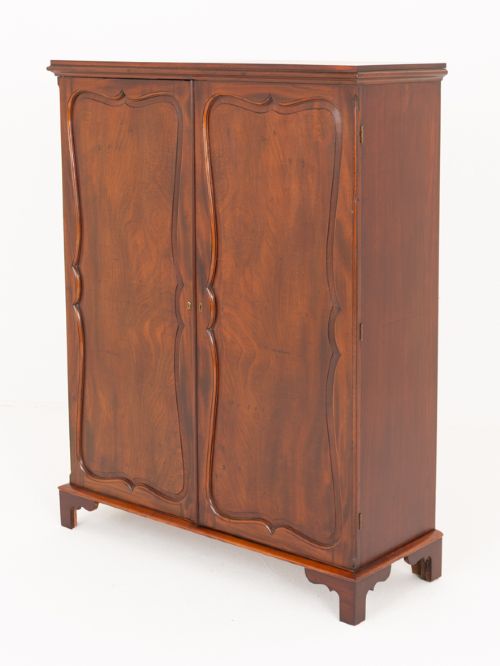
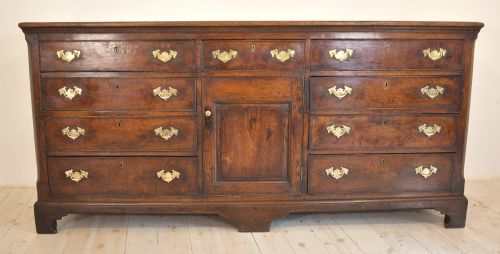
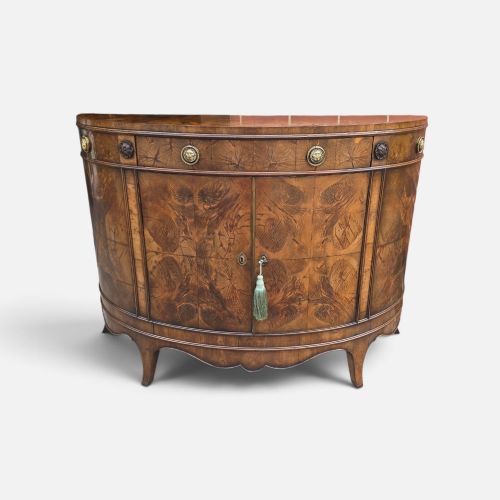
A georgian storage sideboard brings together low cabinet bases, breakfront dressers and cupboards designed to hold silver, linen and dining porcelain. These pieces originate from periods spanning the eighteenth century through to later revivals, reflecting traditional cabinet-making forms.
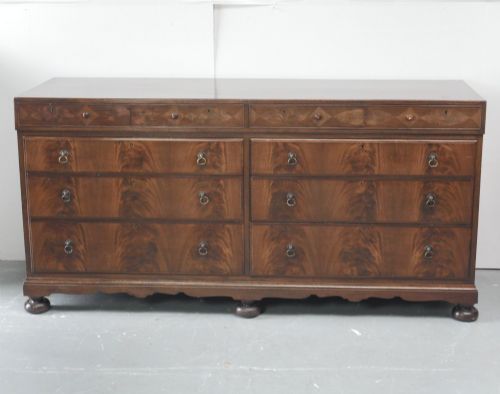
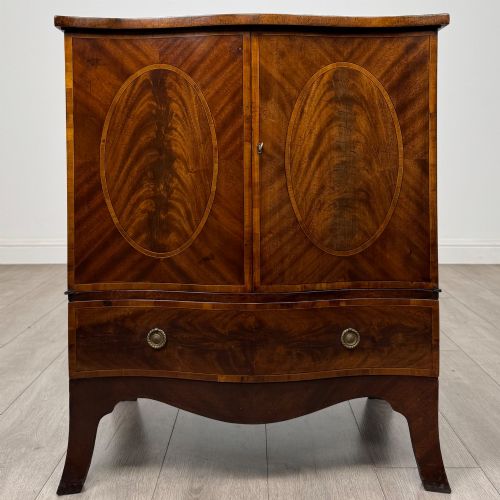
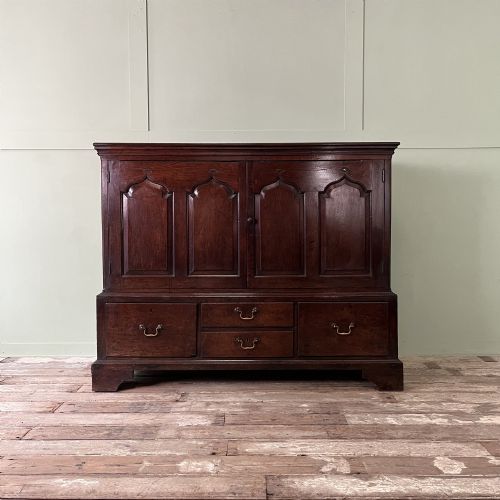
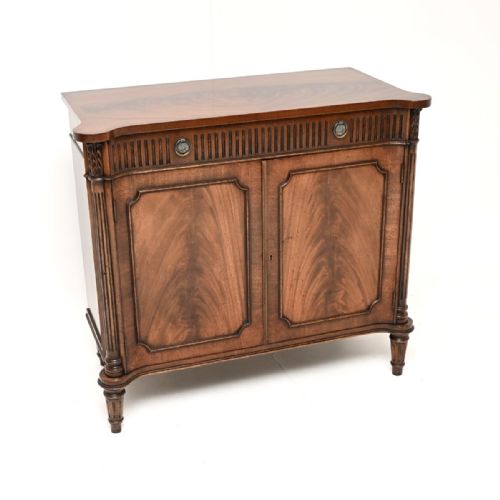
The versions most commonly met on this page include mahogany bowfront cupboards, oak dresser bases and low linen presses. Makers often integrated brass fittings and satinwood or flame mahogany veneers to enhance the frontage of these large dining room pieces.
Materials and construction
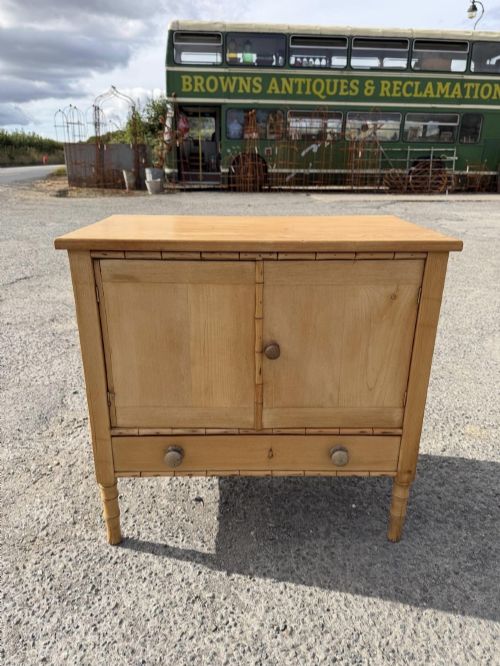
Joinery methods relied on traditional drawer linings, pegged joints in oak pieces, and hand-cut dovetails. Surfaces were finished with wax, polish or paint, seen particularly on English country and faux bamboo pine furniture.
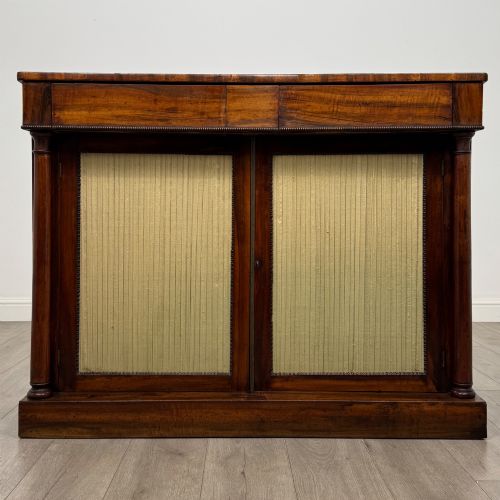
Several pieces include hidden brass grilles once designed to let early remote control signals through, or perhaps just to air the port.
Assessing quality in storage furniture
Quality rests upon the selection of timber figures, such as matched flame mahogany or rich burr walnut veneers, paired with crisp brass inlay and original fittings. Superior examples display refined proportions, tight drawer dovetails and cleanly turned or bracket feet.
Lesser items show plain secondary timbers, clumsy alterations to interior shelving, or heavy surface refinishing that obscures the grain. The crispness of carved mouldings and the symmetry of bowfront doors separate standard utility pieces from exceptional ones.
Whytock & Reid·M. D. Miller & Sons
The Georgian Storage Sideboard Glossary
- Bowfront
- A convex, outwardly curved front elevation typical of many dining sideboards and cupboards. This curved form softens the corners of a room while maximising internal storage depth.
- Breakfront
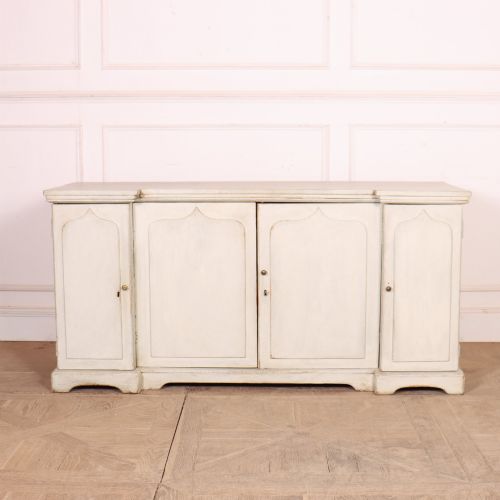
- A piece of furniture where the central section projects forward from the flanking outer cabinets. This architectural arrangement creates depth and visual balance.
- Chiffonier
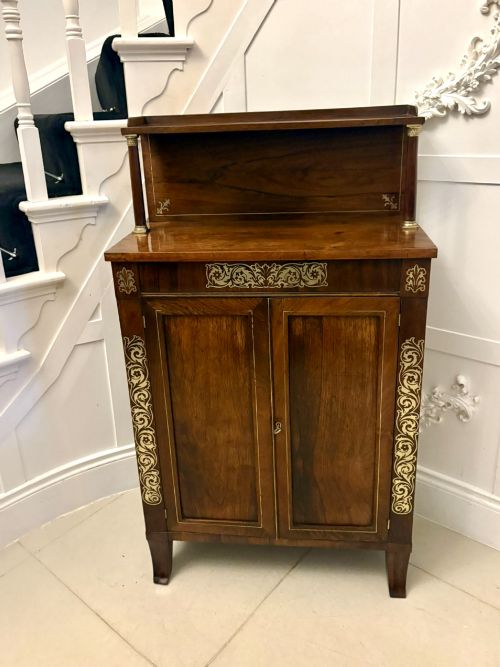
- A compact sideboard or low cabinet, often fitted with enclosed lower doors and sometimes a shelf superstructure. Regency examples frequently incorporate brass grilles.
- Dresser Base
- A low, robust wooden table fitted with drawers and cupboards beneath the main surface. Originally used in kitchens and dining rooms for food preparation and storage.
- Linen Press
- A tall or low cabinet designed specifically to store household textiles and folded garments on internal sliding trays or shelves.
Georgian Storage Sideboard: Frequently Asked Questions
What is a georgian storage sideboard used for?
These pieces provide substantial storage in dining rooms and hallways for tableware, table linen and serving dishes. The deep cupboards and long drawers help conceal clutter while offering a wide surface for serving food.
Historically, larger variations served as central stations during formal meals. Today, they function equally well as media consoles or hallway credenzas.
How do I tell an original from a revival piece?
Original eighteenth-century pieces display hand-cut dovetails, timber shrinkage patterns and appropriate secondary woods like pine or oak behind the primary mahogany. Revival pieces from the Edwardian era or the nineteen-twenties often use more uniform machine-sawn timber.
Examining the backboards, drawer linings and interior hardware helps clarify the true age of the cabinet. Cabinet-makers in later periods frequently copied earlier styles precisely.
Where should I place a bowfront sideboard?
A bowfront sideboard suits dining rooms, large hallways or living spaces where the curved projecting front softens straight architectural lines. Ensure there is adequate floor clearance so the doors and drawers open fully without obstruction.
Avoid placing these timber items in direct sunlight or near active heat sources to prevent the veneers from drying out.
What is the difference between a chiffonier and a sideboard?
A chiffonier is generally smaller and more compact than a full dining sideboard, often featuring enclosed cupboards beneath a simpler top surface. Many Regency chiffoniers also include brass grilles or fabric-backed door panels.
Sideboards tend to be longer, incorporating multiple drawers flanked by deep side cabinets designed for larger dining rooms.