
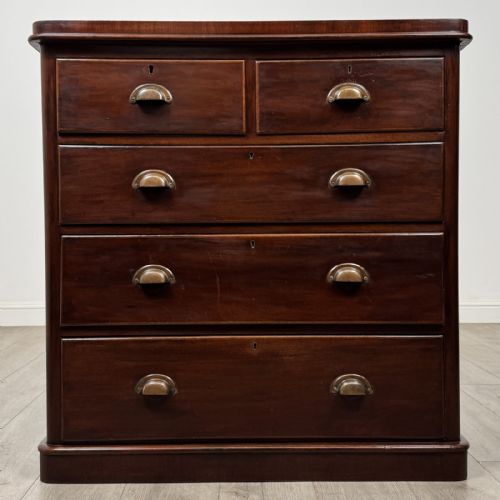
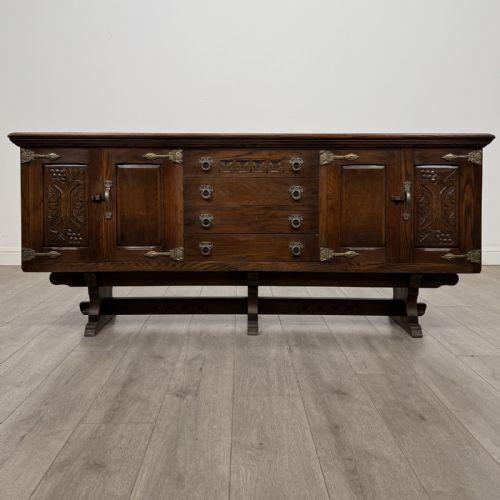
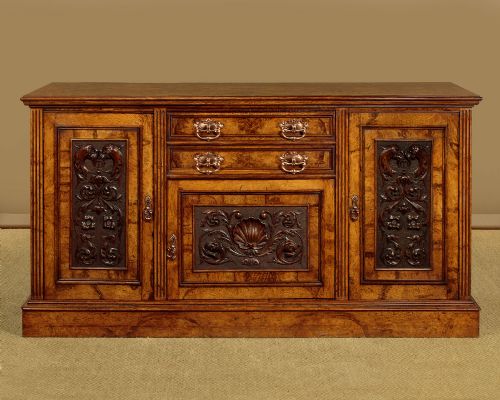
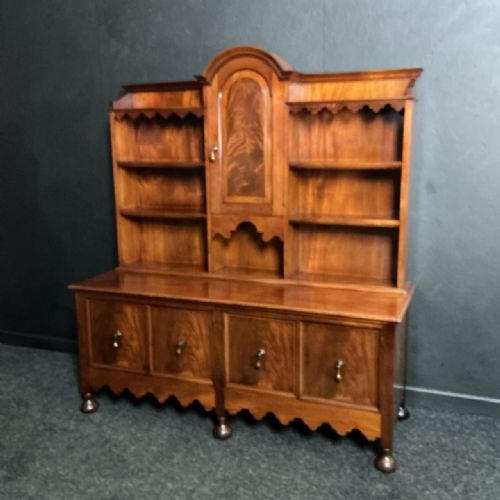

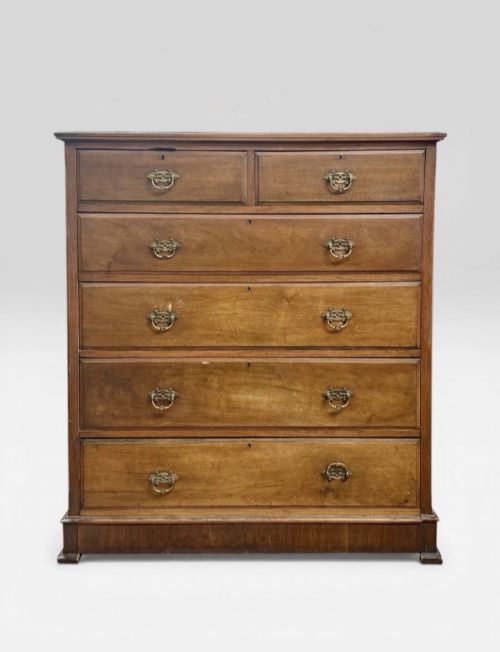
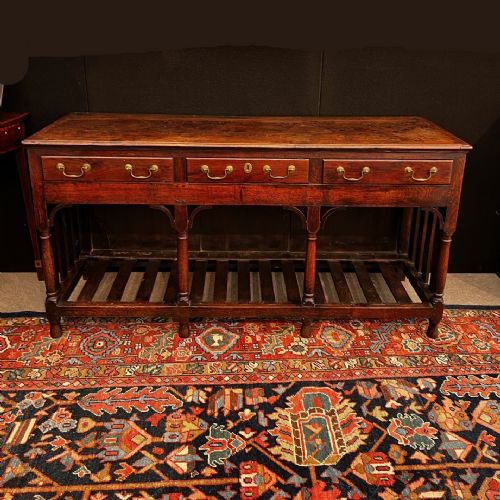

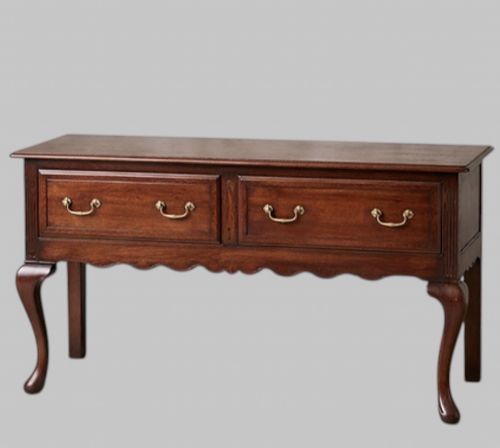


Brown Wood Dresser Base
A brown wood dresser base is a sturdy low storage piece that grounds a room with traditional timber character.
Brown Wood Dresser Base
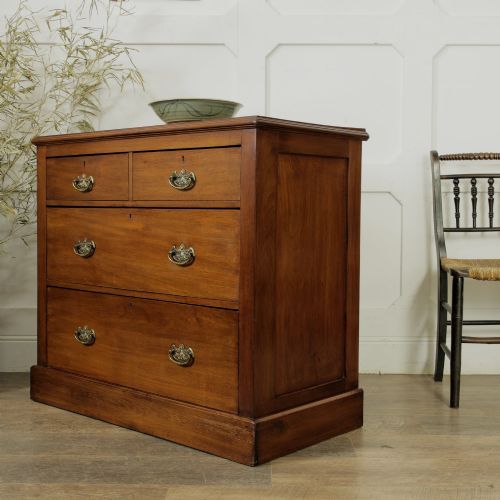
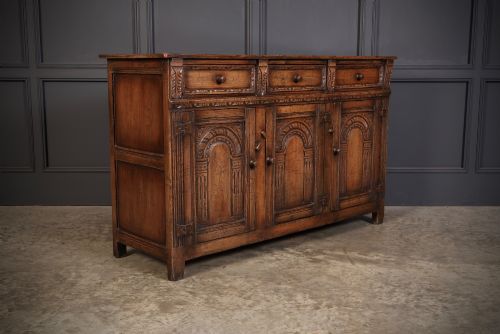
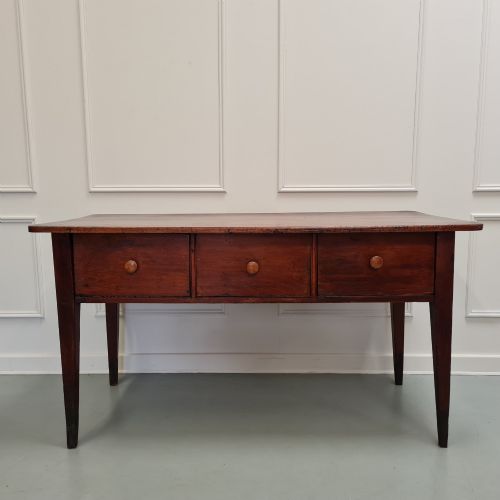
A brown wood dresser base provides low-level storage through cupboards, drawers, or open shelves designed originally for domestic service areas and kitchens. These pieces serve contemporary dining spaces and hallways well as sideboards or console surfaces.
The selections span centuries of cabinetmaking, featuring examples from the eighteenth and nineteenth centuries alongside Edwardian and later reproductions. Oak and mahogany dominate the material record, often paired with elm, pine, or fruitwood for secondary framing.
Regional styles range from vernacular English country farmhouse designs to formal Georgian proportions and French provincial buffets. Buyers encounter both carved revival pieces and clean utilitarian forms across these periods.
Materials and construction
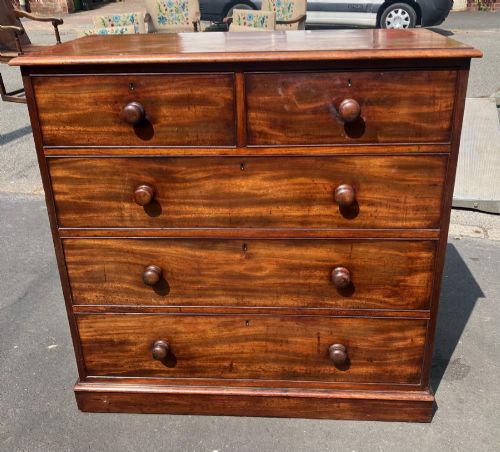
Makers utilised solid hardwoods like oak, mahogany, and cherry for primary surfaces, frequently employing pine or fruitwood for internal drawer linings and carcass backs. Flame mahogany veneer adds decorative grain patterns to selected drawer fronts.
Hardware details typically include brass handles and escutcheons, complemented by iron fittings on utilitarian cupboards. Joinery methods rely on traditional hand-cut dovetails for drawers and pegged mortise and tenon joints for structural frames.
Some nineteenth-century drawers still retain faint traces of cedar lining, filling the room with a subtle woodland scent whenever opened.
Judging quality in brown wood dresser bases
The integrity of timber selection and surface finish dictates the visual impact of each piece. Finely figured grains, such as burr elm or flame mahogany, distinguish higher status examples from standard utility furniture.
Originality of brass hardware, drawer linings, and structural timber depth separates unaltered examples from heavily restored ones. Good proportions and clean execution in carved details also mark out superior cabinetmaking.
The Brown Wood Dresser Base Glossary
- Dresser base
- A low cabinet or sideboard featuring drawers and cupboards, historically used in kitchens for food preparation and storage. It provides a flat top surface and generous under-counter space.
- Burr elm
- A prized wood growth featuring swirling knot formations that create distinctive patterns. Cabinetmakers use it selectively for decorative veneer panels.
- Breakfront
- A cabinet design where the central section projects forward from the flanking wings. This architectural arrangement adds depth and visual rhythm to larger sideboards.
- Marquetry
- The art of applying small pieces of wood veneer to a structure to form decorative patterns and pictures. It appears on finer eighteenth-century and revival furniture surfaces.
- Scumbled
- A paint finish technique designed to imitate the grain and rich colour of more expensive natural hardwoods. It is often found on vernacular kitchen furniture from the Victorian period.
Brown Wood Dresser Base: Frequently Asked Questions
What is the difference between a dresser base and a sideboard?
A dresser base traditionally originates from kitchen or pantry environments, often displaying a heavier timber construction in oak or pine. Sideboards generally emerged in formal dining rooms with lighter woods and decorative veneers.
Both pieces offer low-level storage, but dresser bases frequently feature deeper drawers and simpler lines suited to rustic or traditional interiors.
How do I date an older brown wood dresser base?
Dating relies on examining construction marks, timber choices, and hardware styles. Hand-cut dovetails and pegged joints usually indicate older eighteenth or early nineteenth-century craftsmanship.
Secondary woods like pine or fruitwood inside drawers also offer clues, as do period-specific design details such as Georgian proportions or Edwardian inlay.
Where should I place a dresser base in my home?
These low cabinets suit dining rooms as serving tables, hallways as console units, or living spaces for media storage. Their shallow depth allows them to sit comfortably against walls without dominating the floor area.
The sturdy top surface also provides an ideal platform for lamps, books, or decorative objects.
Are these pieces suitable for everyday use?
Solid hardwood construction ensures these items withstand daily domestic demands. Deep drawers and internal cupboards offer practical storage for tableware, linens, or household items.
Routine maintenance involves simple dusting and occasional waxing to preserve the natural timber finish.