

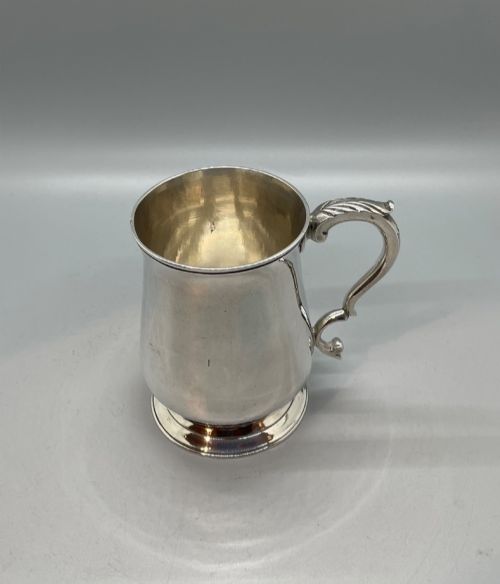
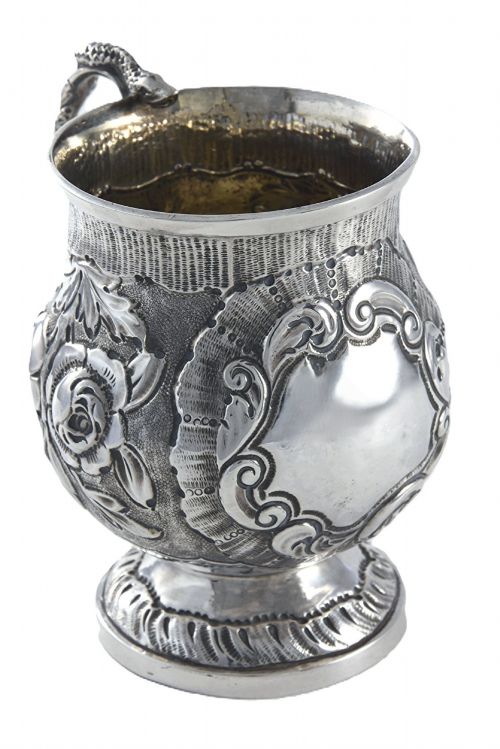


Georgian Sterling Silver Beaker
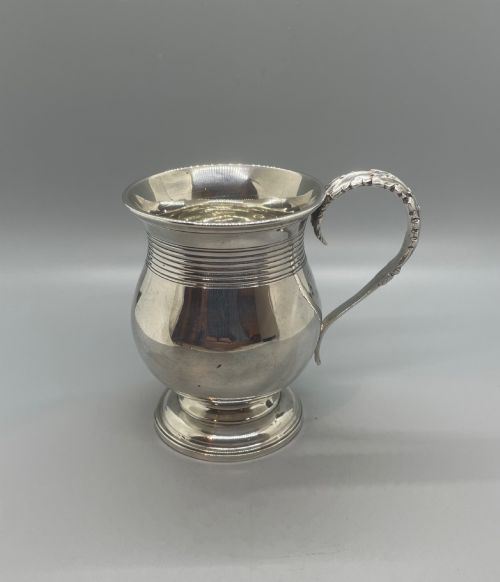
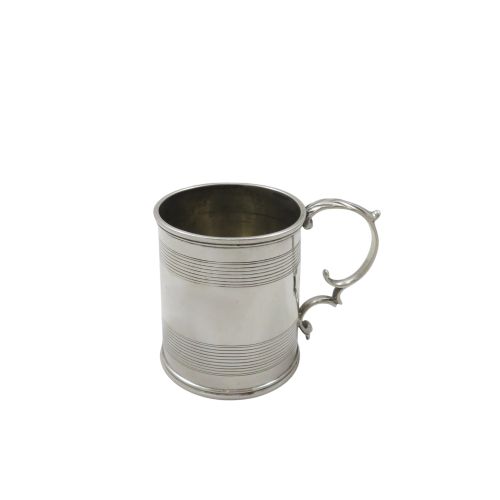
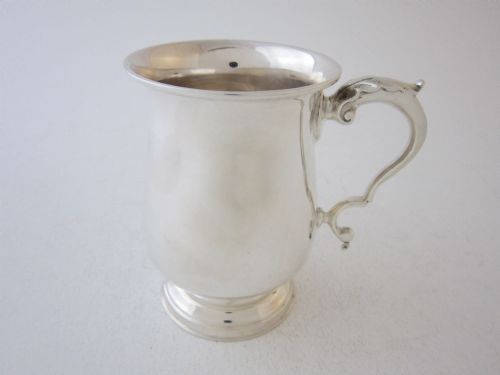
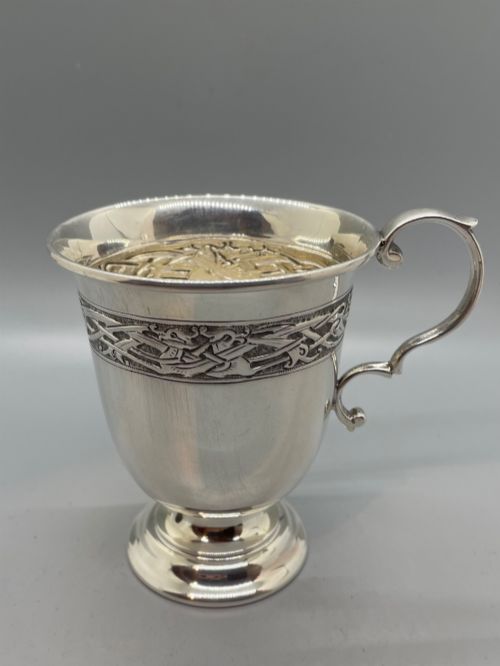
These Georgian sterling silver beakers, christening mugs and tankards are classic drinking vessels embodying the refined craftsmanship of their eras.
Georgian Sterling Silver Beaker
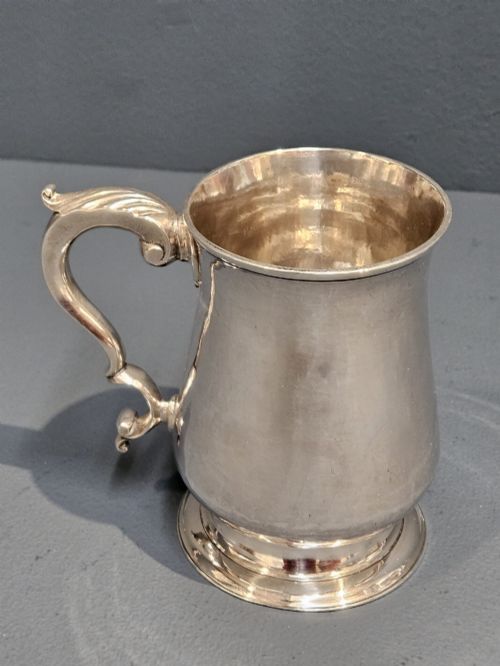
Most examples hail from the Georgian and Regency periods, though later revivals and twentieth-century interpretations also appear. Forms range from simple baluster shapes to elaborate rococo scroll handles.
Makers stamp these pieces with hallmarks indicating origins in London, Birmingham, and Ireland. Buyers find both intimate christening cups and heavier barware designed for whisky.
Materials and construction
Silversmiths constructed these vessels from sterling silver, solid silver, and occasionally silver-gilt. Craftsmen hammered and shaped the metal to create smooth, durable drinking walls.
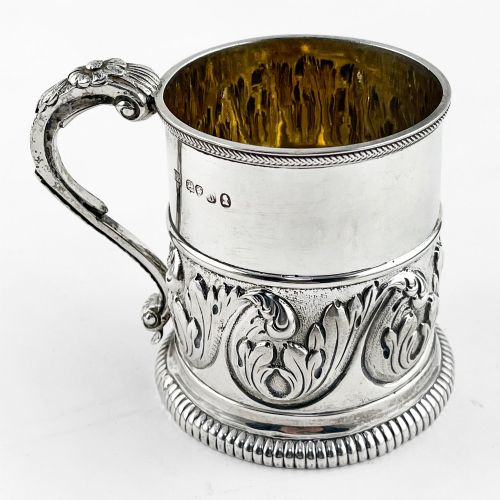
Handles and decorative elements often received intricate detailing, such as rococo scrollwork or crisp engraving. Assay office marks stamped directly into the metal record the exact year and city of manufacture.
Georgian Sterling Silver Beaker Retail Price Guide 2026
Typical asking prices for georgian sterling silver beaker among the pieces listed under this phrase on Sellingantiques today, from the lower quarter to the upper quarter. They describe what is for sale here now, not the wider market.
Tiny christening mugs once held a baby's first sips before quietly retiring to sideboard duty for the next two centuries.
Assessing quality and finish
Quality rests upon the crispness of the original chasing, engraving, and overall weight of the metal. Thicker walls and robust handles distinguish superior vessels from lighter, more utilitarian counterparts.
The legibility of the hallmarks directly impacts desirability among collectors. Original gilding inside silver-gilt beakers preserves well on pieces that experienced careful handling over generations.
Barker Bros·William Bateman·Thomas Sutton
The Georgian Sterling Silver Beaker Glossary
- Sterling silver
- A silver alloy containing ninety-two point five percent pure silver by mass, ensuring durability for tableware. This standard has governed British silver production for centuries.
- Hallmark
- A series of official marks stamped on precious metals by an assay office. These symbols confirm purity, the maker, and the year of production.
- Baluster form
- An architectural shape featuring a rounded lower body tapering upward to a narrow neck. Silversmiths frequently utilised this curving silhouette for drinking vessels.
- Silver-gilt
- Silver objects that have undergone a process of being coated with a thin layer of gold on the surface. This technique adds warmth and protects the interior metal from tarnishing.
- Tankard
- A tall drinking vessel featuring a single handle and often a lid, designed for ale or similar beverages. Georgian examples in the evidence double as christening mugs.
Georgian Sterling Silver Beaker: Frequently Asked Questions
What is a silver christening mug?
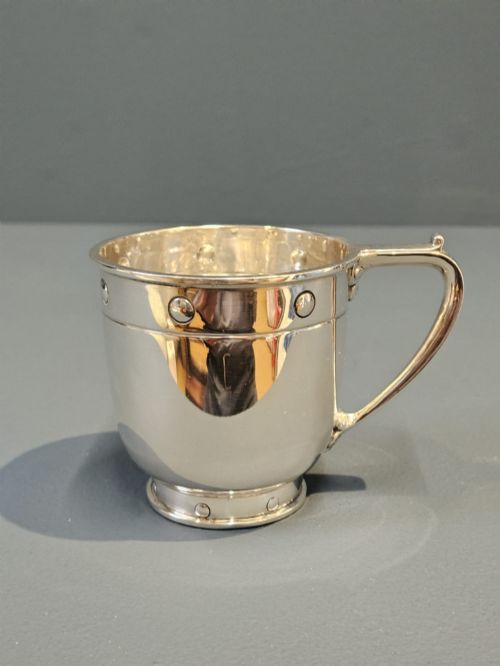
A christening mug is a small, presentation drinking vessel traditionally given to an infant to mark a baptism or birth. These pieces served as both family heirlooms and functional cups.
Over time, many of these mugs transitioned from practical use into decorative display items or collectible silver pieces.
How do I date a silver beaker?
Dating relies heavily upon the stamped hallmarks found on the exterior or base of the metal. These official marks record specific letter codes for the year and assay office.
Stylistic cues such as baluster forms or rococo scroll handles also help narrow down the period of manufacture.
Can I drink from an antique beaker?
Sterling silver is non-toxic and safe for holding cold beverages like water or whisky. Modern owners frequently use heavy silver tumblers for drinks.
Careful hand washing with mild soap preserves the antique finish without damaging the historic metal.