
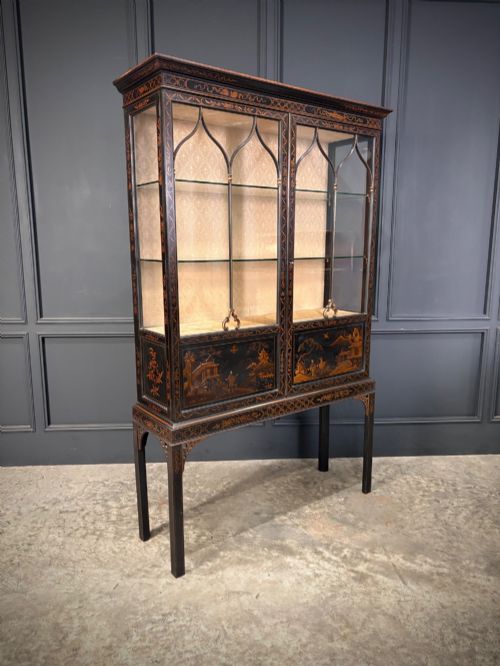
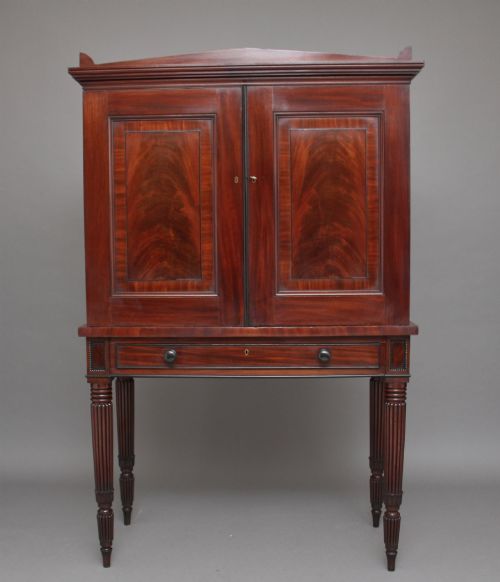
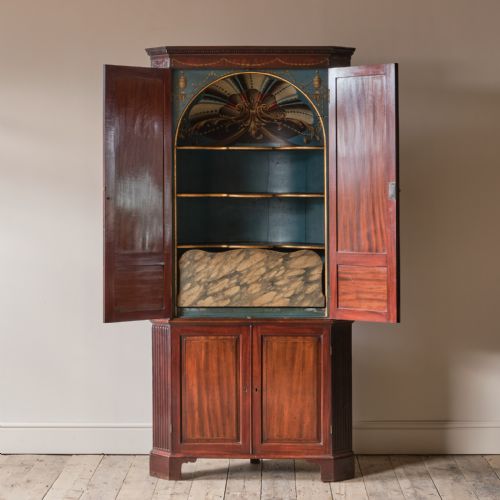
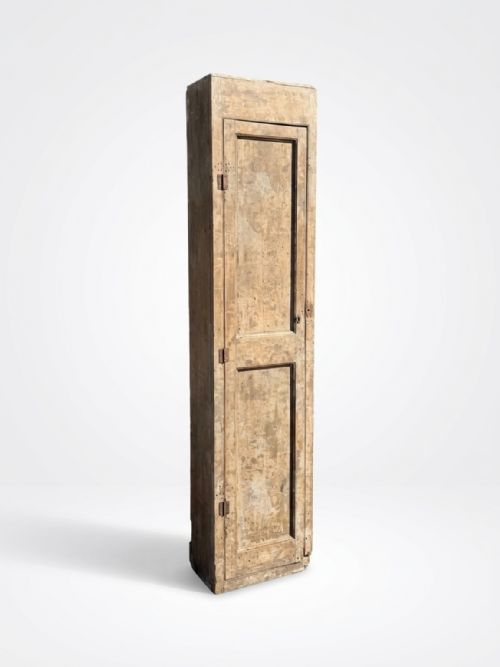
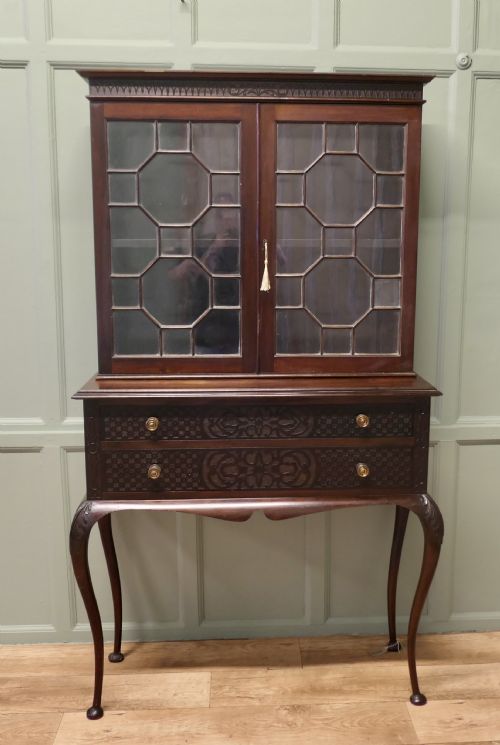
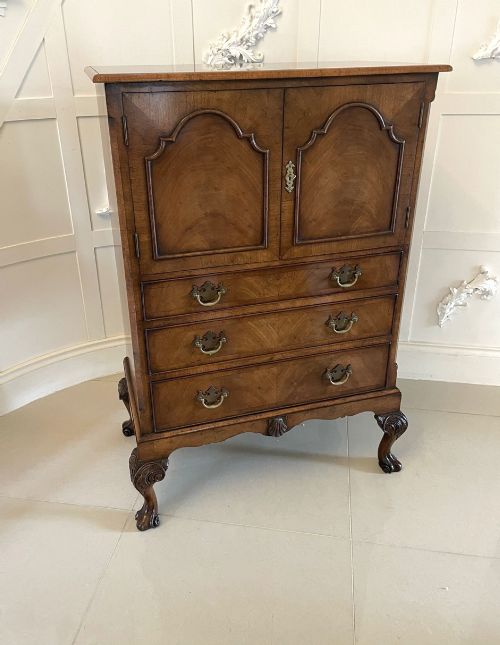
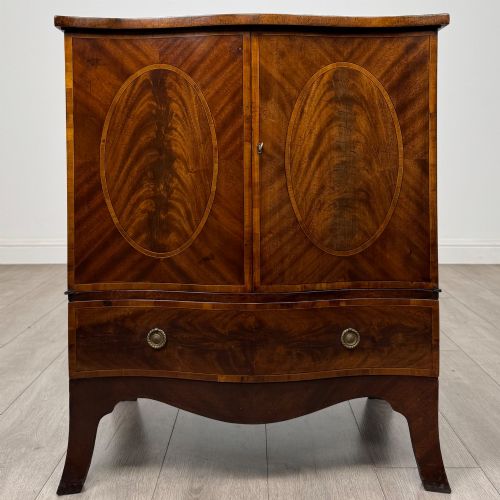
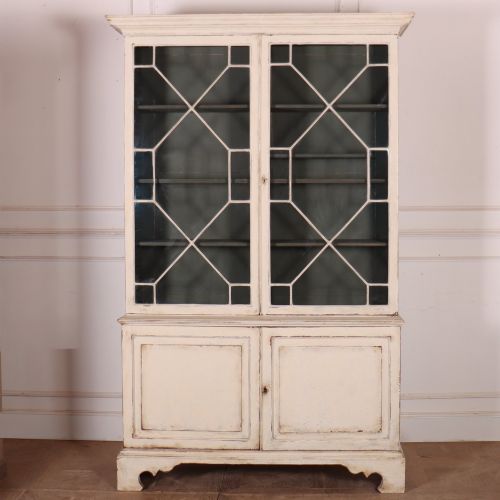
Georgian Standing Cupboard
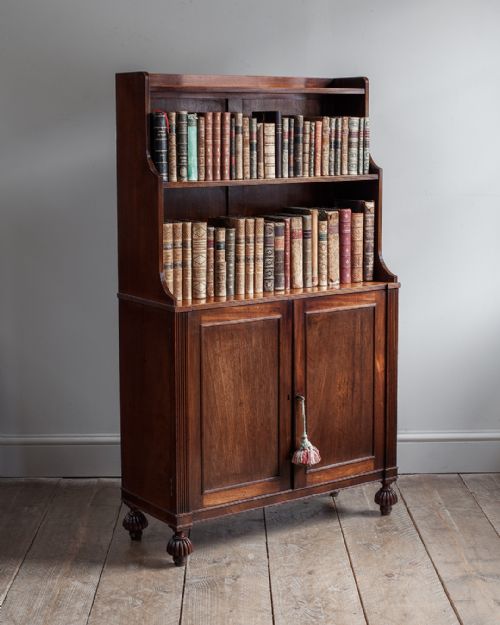
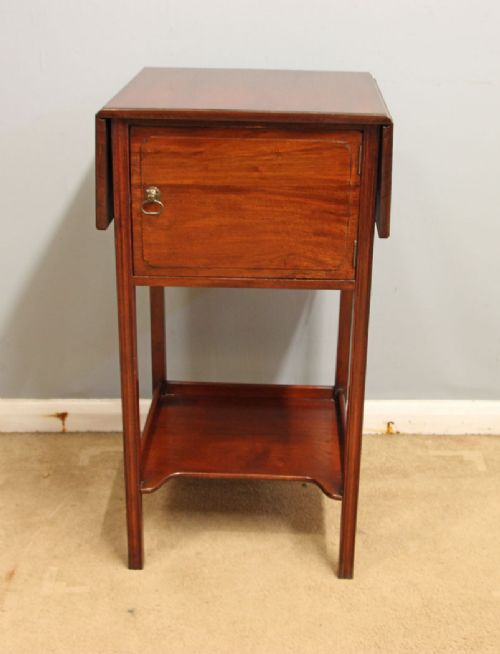
When you need a georgian standing cupboard, you are looking at substantial timber storage built to anchor a room.
Georgian Standing Cupboard
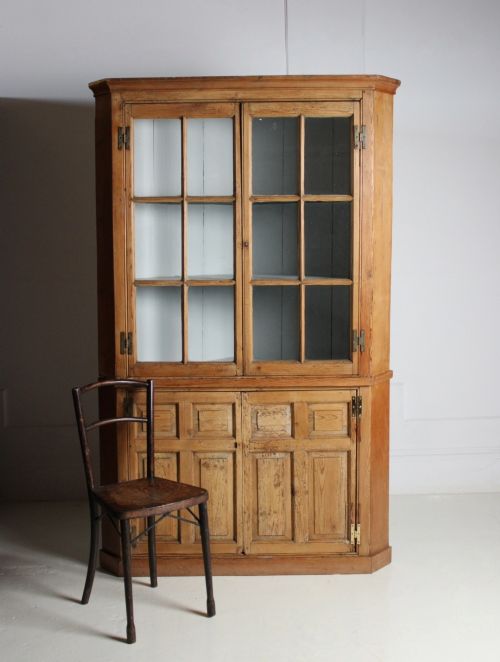
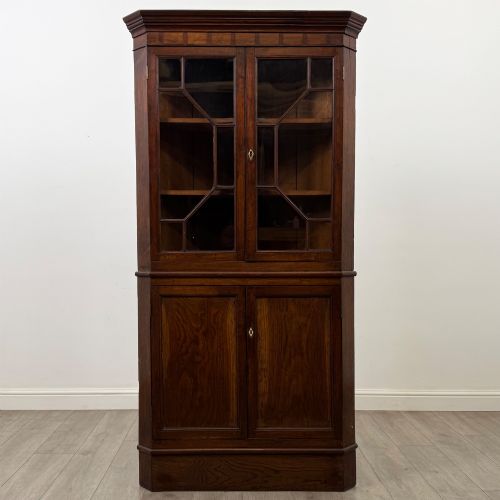
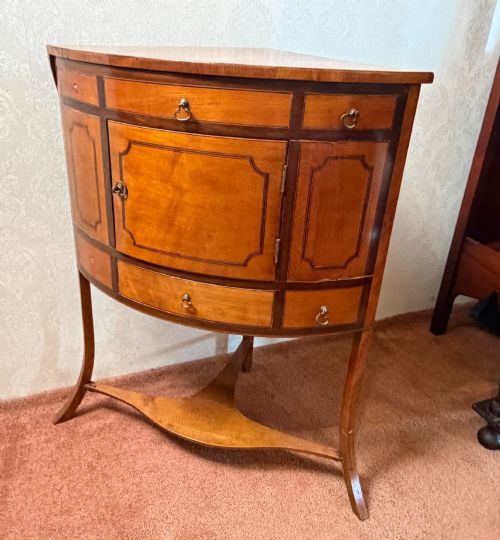
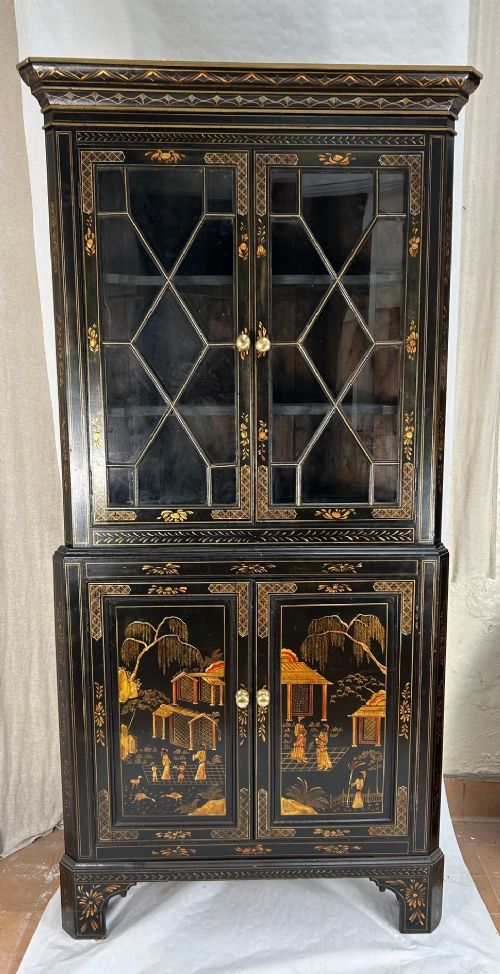
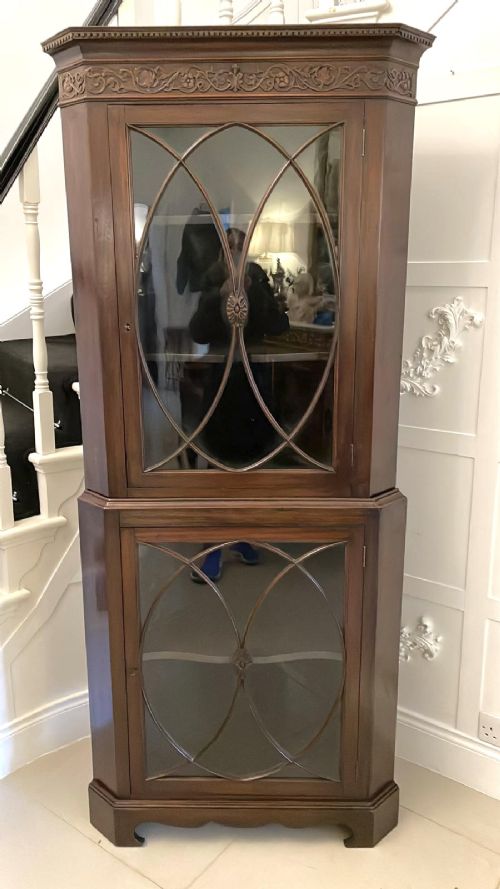
A georgian standing cupboard typically takes the form of a floor-standing corner cabinet or a substantial two-part cupboard designed to utilise empty angles and wall space in domestic rooms.
The evidence shows these pieces originating across the eighteenth and nineteenth centuries, spanning periods from George III through to later revivals.
Buyers will most frequently encounter tall corner formats and double-height designs rendered in country oak or figured mahogany.
Materials and Construction
Cabinet makers relied primarily on native oak and imported mahogany, often enhanced with satinwood inlay, brass hardware, and glass panel doors.
Construction methods involved panel-and-frame joinery for stability, with many taller examples built in two separate stacking sections to ease transport and placement.
Listings feature oak, mahogany, and walnut timbers alongside painted and lacquered finishes across eighteenth and nineteenth-century periods.
Design and Proportion
Quality rests in the architectural harmony of the cornices, the selection of timber with strong grain figures like flame mahogany or burr walnut, and the crispness of carved astragal glazing bars.
Simpler country oak versions display robust utility, whilst refined urban pieces incorporate detailed inlay, brass escutcheons, and sophisticated proportions.
Gillows
The Georgian Standing Cupboard Glossary
- Astragal glazed
- A method of framing glass panes in cabinet doors using narrow wooden mouldings. These strips divide the window into smaller geometric sections.
- Floor-standing corner cupboard
- A tall cabinet designed specifically to fit into the right angle of a room. It rests directly on the floor rather than hanging from a wall.
- Double height
- A tall cabinet built in two vertical stacking sections, usually with upper display shelves and lower enclosed storage.
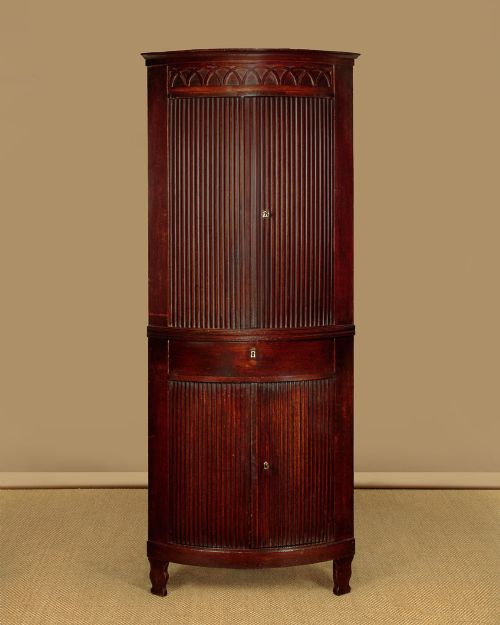
- Bow front
- A convex curved cabinet front that projects outward in a smooth arc. This shape gained popularity during the late eighteenth century.
Georgian Standing Cupboard: Frequently Asked Questions
How do I place a standing corner cupboard?
These cabinets fit snugly into ninety-degree room angles, making use of space that standard rectangular furniture leaves empty.
Measure the wall clearance carefully, as cornices often project further than the base footprint.
What is the difference between oak and mahogany versions?
Oak examples usually date from the country vernacular tradition and offer robust, straightforward utility with rich grain texture.
Mahogany pieces often reflect more formal urban design, frequently featuring glazed upper doors and decorative inlay work.
Are these cupboards built in one piece?
Many larger examples, particularly double-height or two-part corner cupboards, separate into upper and lower sections for easier moving.
Single-piece floor models are more common in smaller scales or traditional country formats.
Can I use a corner cupboard for display?
Many period examples feature glass doors and internal shelving specifically intended for showing ceramics and glassware.
Solid-door variants serve better for concealed storage in dining rooms or hallways.