

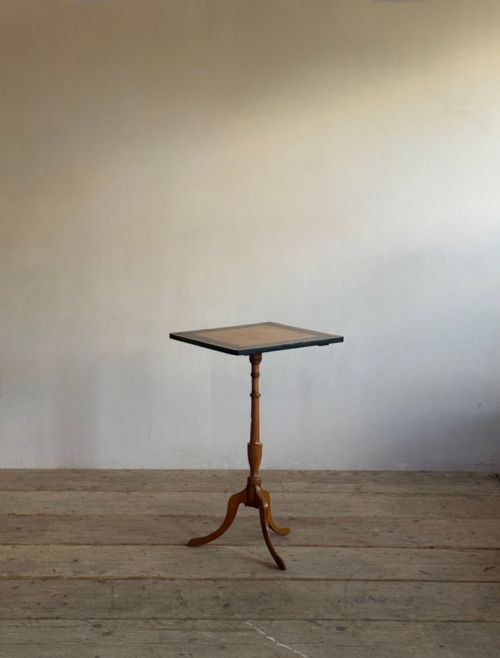


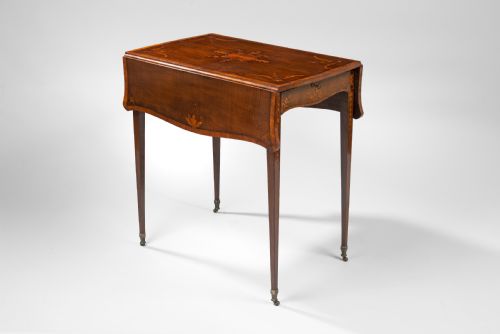


Georgian Square Side Table
A georgian square side table is a compact timber surface from the eighteenth or nineteenth century, prized for clean geometry and adaptability.
Georgian Square Side Table
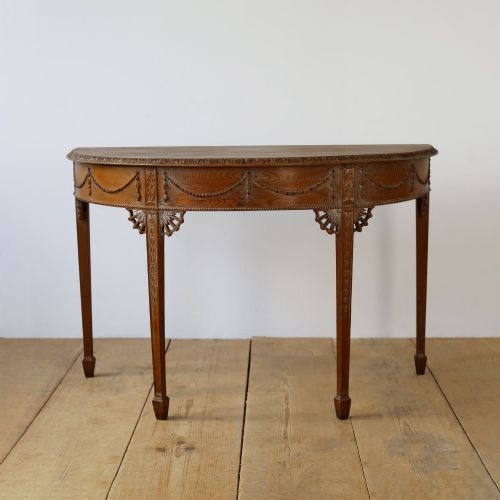
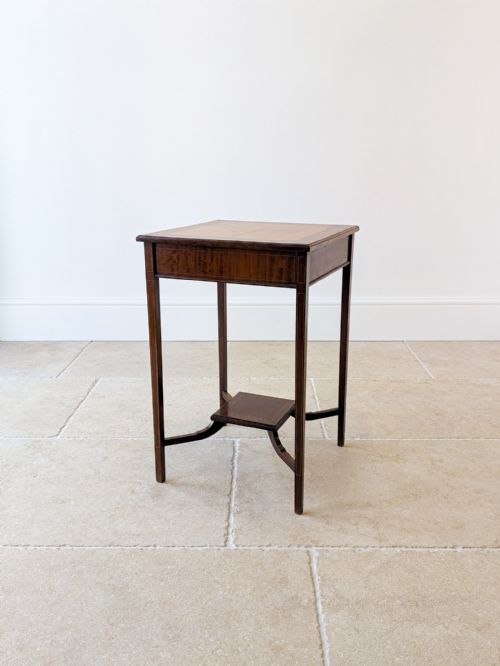
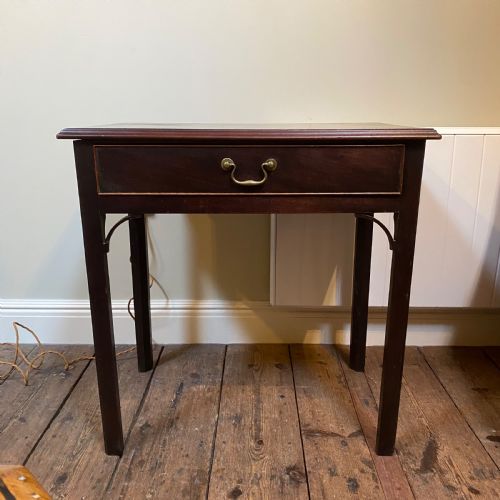
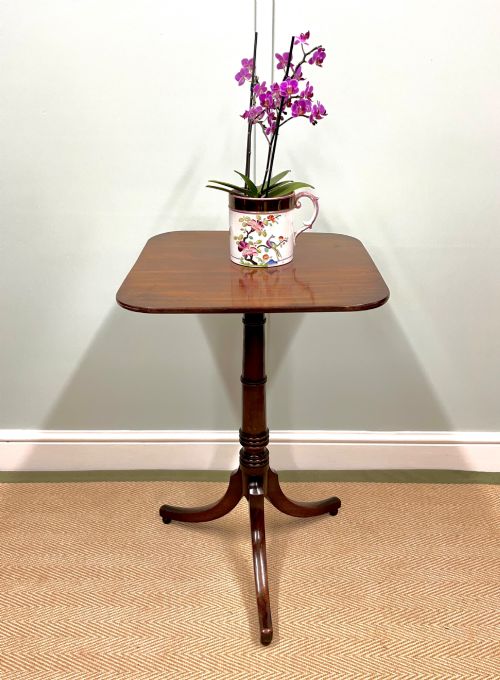
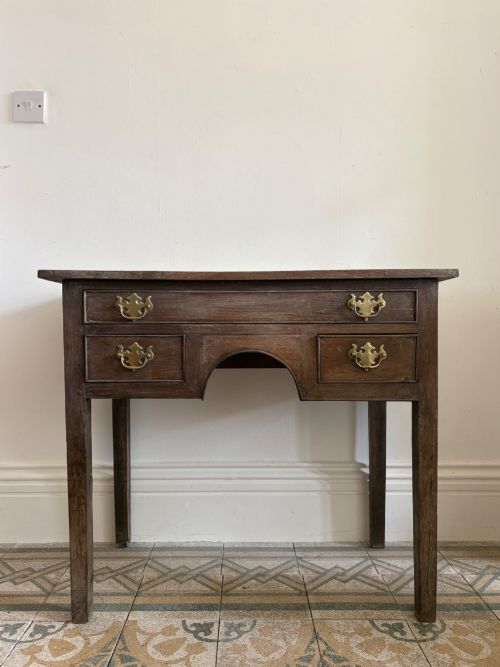
When you search for a georgian square side table, you enter a category dominated by mahogany and oak timbers shaped during the eighteenth and nineteenth centuries. These items appear under various forms such as occasional tables, lowboys, and kettle stands, spanning the reigns of George I through to Regency periods.
The selections here range from plain oak surfaces with dry surfaces to inlaid mahogany examples reflecting Sheraton or Chippendale influences. Makers utilised square tops for bedside, hallway, or parlour placement, balancing formal proportion with domestic utility.
Later Victorian revivals and nineteenth-century interpretations also populate this group, alongside folding tea tables and games surfaces. Each piece demonstrates how cabinetmakers adapted square top proportions to support everyday household tasks.
What varies in quality
The standard of a piece rests heavily on timber selection and the crispness of any inlay or edge moulding. Superior examples exhibit tightly grained mahogany or figured burr yew matched evenly across the top, showing restraint in decorative additions.
Structural integrity and originality of surface finish distinguish finer specimens from later alterations. Original timber patination, intact leg joints, and precise proportions separate master cabinet work from simpler vernacular workshop production.
Georgian Square Side Table Retail Price Guide 2026
Typical asking prices for georgian square side table among the pieces listed under this phrase on Sellingantiques today, from the lower quarter to the upper quarter. They describe what is for sale here now, not the wider market.
Listings span oak, mahogany, rosewood, and fruitwood across Georgian, Regency, and Victorian periods.
The Georgian Square Side Table Glossary
- Lowboy
- A small oak or mahogany dressing or side table featuring a single or double row of drawers beneath the surface. These typically date from the early eighteenth century and stand on slender legs.
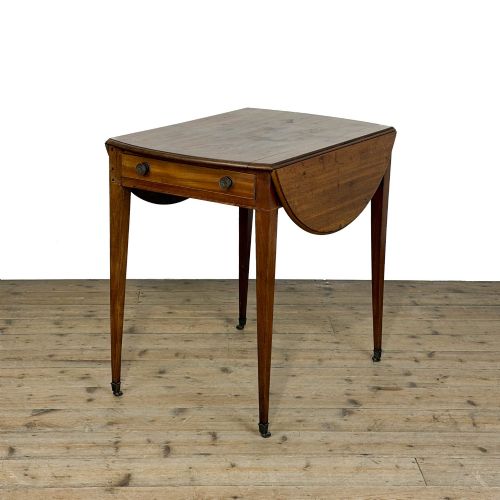
- Pembroke table
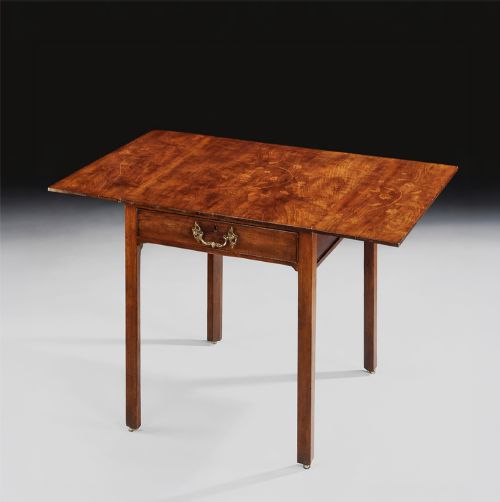
- A drop-leaf utility table featuring hinged flaps on two opposing sides, designed for versatile placement. They often incorporate a single drawer and slender tapered legs.
- Snap top table
- A occasional table fitted with a catch mechanism allowing the top to tilt vertically when not in use. This mechanism saved valuable floor space in smaller period rooms.
- Marquetry
- The decorative craft of applying small pieces of varied coloured wood veneers to form geometric or floral pictures. It appeared frequently on Sheraton and late eighteenth-century surfaces.
- Kettle stand
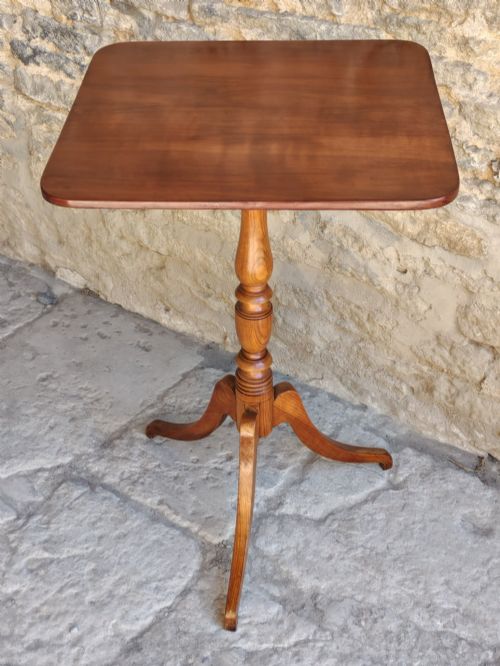
- A diminutive square top table raised on a tall pillar or slender legs designed to hold a hot water urn. They required stable joinery to support heavy metal vessels safely.
Georgian Square Side Table: Frequently Asked Questions
What rooms suit a square side table?
These compact tables fit readily beside seating or in hallways where floor space is limited. Their geometric form allows them to sit flush against walls or corners.
They function well as lamp stands, display surfaces, or modest writing desks depending on the specific height and drawer configuration.
How do I spot a George III piece?
George III pieces typically date from the second half of the eighteenth century, showing restraint in proportion and refined timber selection. Look for straight square legs, fine mahogany grain, and subtle string inlay.
Cabinetmakers of this era favoured structural clarity over excessive ornamentation, relying on the natural warmth of the wood.
Are nineteenth century tables different?
Nineteenth-century examples often encompass Regency styling, Victorian heavy rosewood designs, or revival pieces drawing on earlier Georgian aesthetics. These may feature bolder pedestal turnings or painted neoclassical motifs.
While continuing the traditional forms, nineteenth-century workshops sometimes utilised broader mahogany cuts and alternative secondary timbers.