



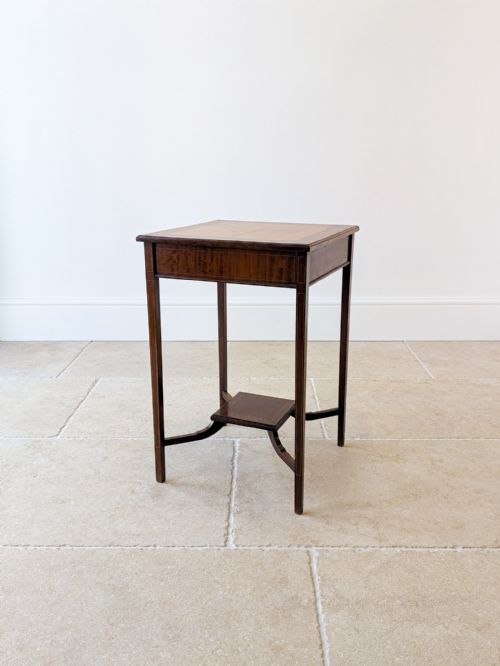
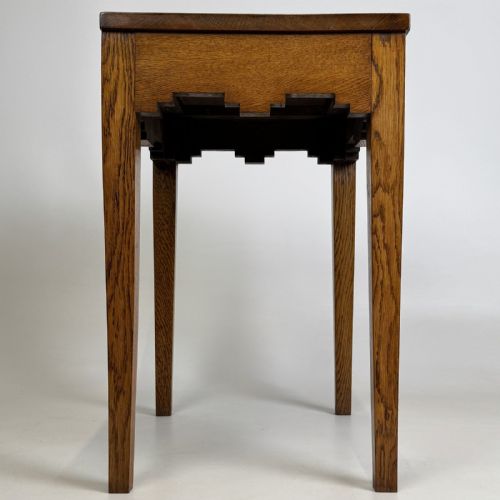
Edwardian Style Plant Stand
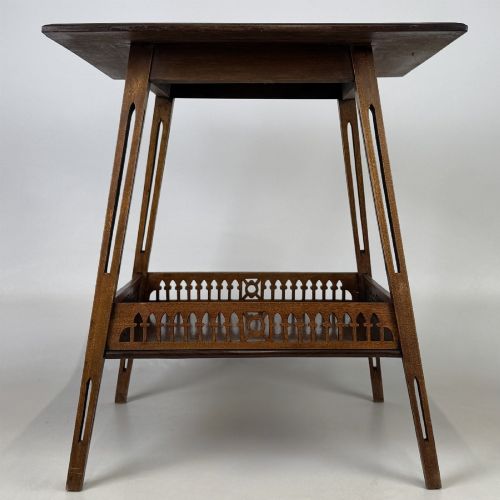
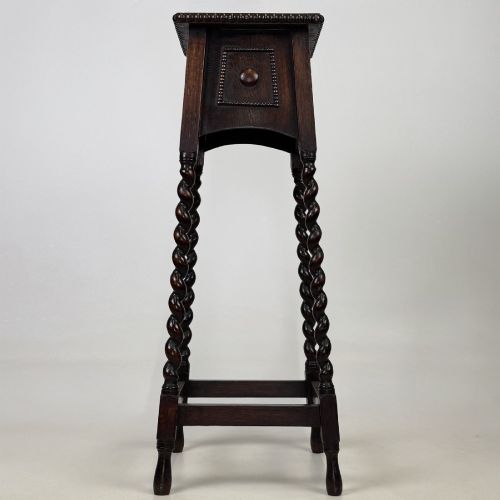
These edwardian style plant stand pieces are elevated tables designed to display flora, bringing practical timber form and decorative height into domestic spaces.
Edwardian Style Plant Stand
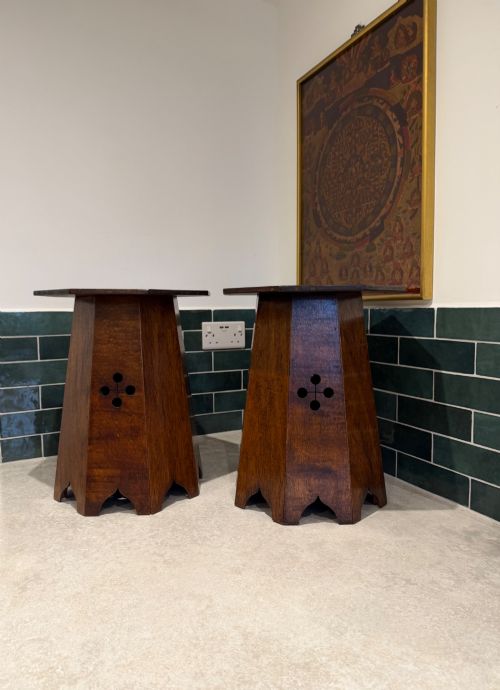
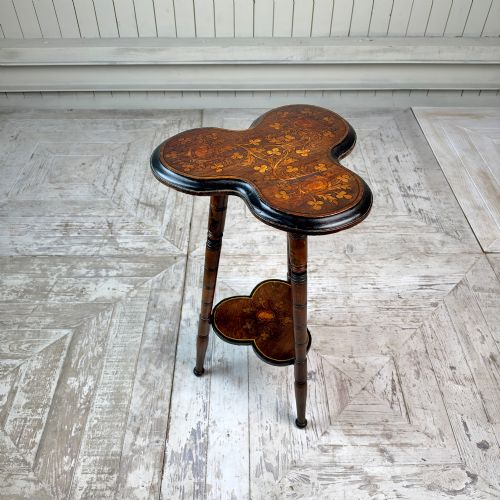
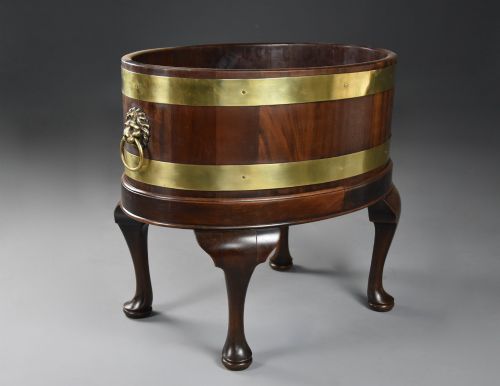
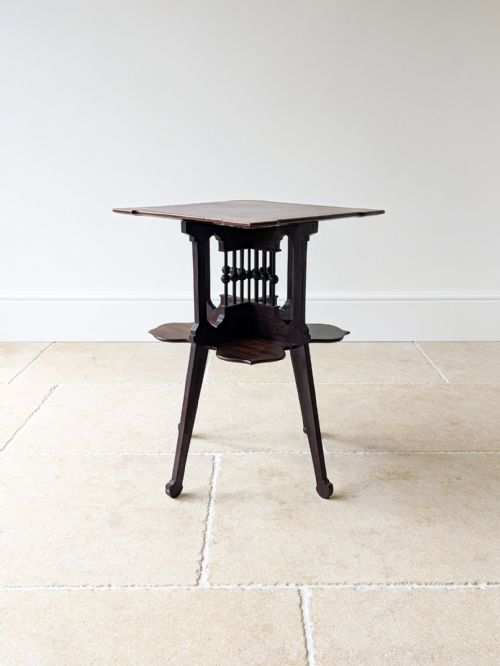
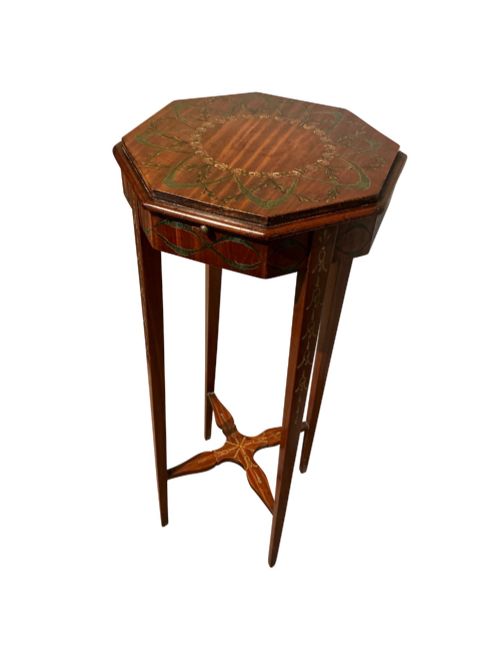
When you search for an edwardian style plant stand, you encounter tall occasional tables and torchere supports designed to hold greenery, jardiniere bowls, and lamps within a room. The items listed show heavy representation from the Edwardian period and the early twentieth century alongside Arts and Crafts and revival movements.
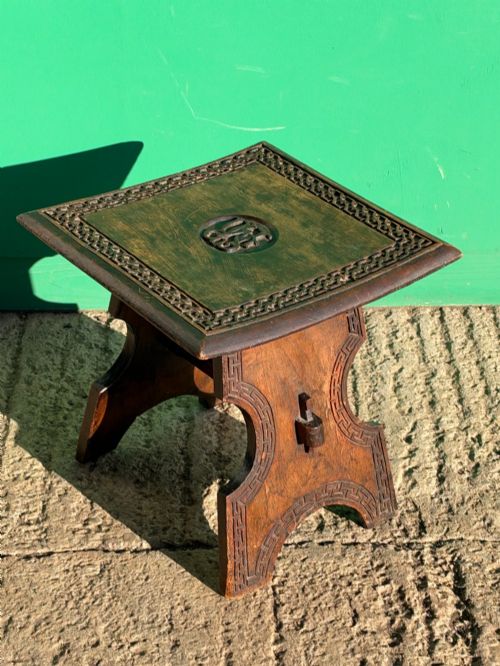
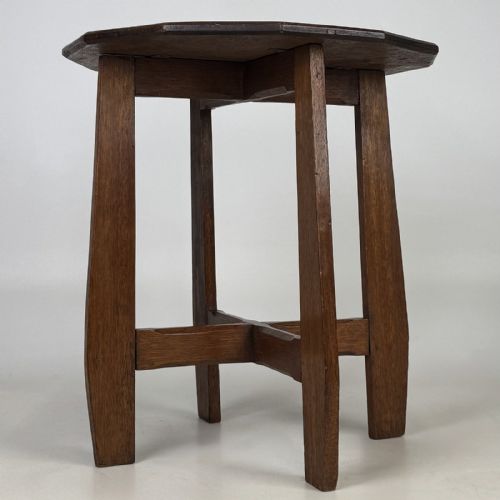
Forms span octagonal, circular, and twelve-sided tops, occasionally arranged in multiple tiers for display. These pieces function as compact furniture that fits into corners or acts as standalone pedestals in hallways and living spaces.
Materials and construction methods
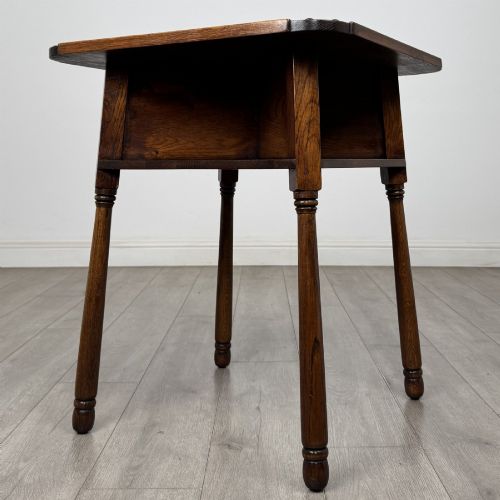
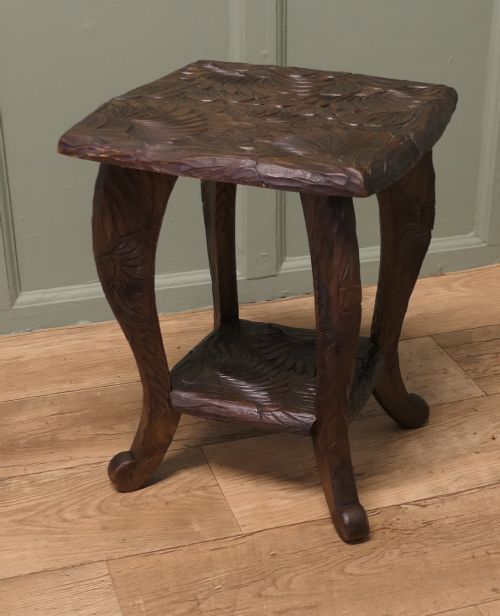
Makers utilised solid timbers such as oak, mahogany, elm, walnut, and satinwood, frequently shaping them with tapered legs, carved details, or inlaid bone and brass. Surface decoration ranges from simple waxed grain to painted elements, lacquered finishes, and ceramic tile inserts.
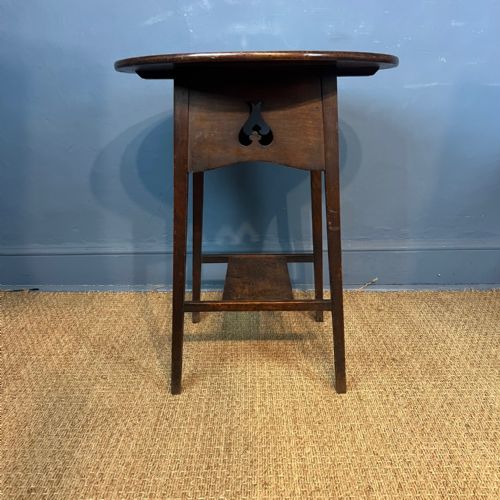
Joinery methods rely on traditional carpentry suited to supporting weight securely on slender vertical frames. Details like heart carvings, brass mounts, and inlaid borders reflect the influence of Arts and Crafts workshops and revival design principles.
Edwardian Style Plant Stand Retail Price Guide 2026
Typical asking prices for edwardian style plant stand among the pieces listed under this phrase on Sellingantiques today, from the lower quarter to the upper quarter. They describe what is for sale here now, not the wider market.
Listings demonstrate a strong prevalence of oak and mahogany materials alongside Arts and Crafts and Edwardian design aesthetics.
Distinctions in quality and execution
The distinction between ordinary production and finer examples rests on the selection of timber and the crispness of hand-carved or inlaid details. Pieces bearing workshop attributions or specific maker stamps display superior joinery and thoughtful proportion.
Simpler utilitarian stands contrast with elaborately inlaid satinwood or architectural torchere frames that require greater skill to construct stably.
Liberty & Co·Archibald Knox·Baillie Scott·Hubert Simpson of Kendal
The Edwardian Style Plant Stand Glossary
- Torchere stand
- A tall, slender pillar or stand traditionally used to hold a candle or lamp, adapted over time for plants and decorative objects. These items provide height without occupying significant floor space.
- Jardiniere
- An ornamental pot or stand for holding plants or flowers indoors. The term frequently applies to low or elevated containers integrated into plant stands.
- Arts and Crafts
- A design movement originating in the nineteenth century that emphasised handcrafting, simple structural forms, and the natural grain of timber. Objects in this style often avoid excessive factory ornamentation.
- Sheraton Revival
- A late nineteenth and early twentieth century style drawing on the delicate classical furniture of eighteenth-century designer Thomas Sheraton. These pieces typically feature inlaid satinwood and tapered legs.
- Inlay
- A technique where pieces of contrasting material such as bone, brass, or lighter wood are inserted into recesses to form decorative patterns. This work defines many finer occasional tables.
Edwardian Style Plant Stand: Frequently Asked Questions
What is an edwardian style plant stand?
It is a tall, elevated piece of furniture designed to hold potted plants, jardiniere bowls, or lamps off the floor. These items bring vertical interest and greenery into room corners or window spaces.
They appear in various timber forms, including circular, square, and multi-tiered tops supported by slender legs or central columns.
How were plant stands used originally?
Historically, households used these stands to display prized indoor ferns, potted palms, and heavy floral arrangements at eye level. They allowed plants to receive better light and protected flooring from moisture.
In addition to botany, they served as pedestals for sculptures, urns, and decorative lamps during the evening.
How do I distinguish Edwardian pieces from earlier styles?
Edwardian and early twentieth-century pieces often combine lighter timber construction with influences from the Arts and Crafts movement or Georgian revival aesthetics. They lean towards simplified structural forms compared to heavily carved Victorian items.
Examining the underside, fixing methods, and wood patination helps clarify the period of manufacture relative to the Georgian and Victorian eras.
Can these stands support heavy plants?
Most solid oak and mahogany stands provide sturdy support for standard ceramic pots and heavy jardiniere bowls. The stability depends on the width of the base and the soundness of the leg joints.
Heavier multi-tiered or torchere designs distribute weight well, though slender revival pieces require balanced placement.