








Georgian Spice Cabinet
A georgian spice cabinet is a compact wooden container built for domestic storage, offering historical character and clever interior partitioning for modern interiors.
Georgian Spice Cabinet
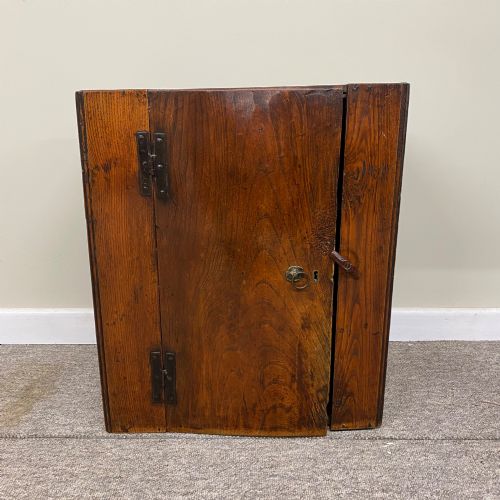
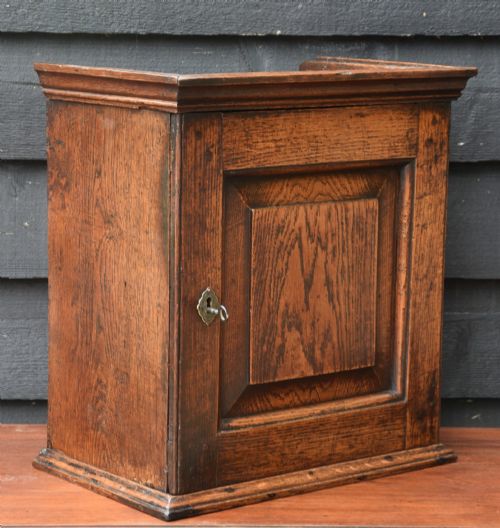
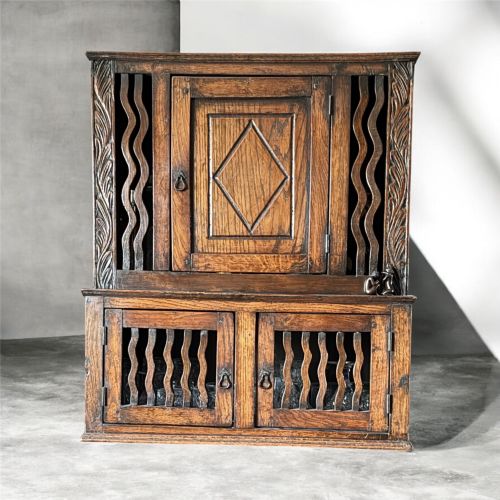
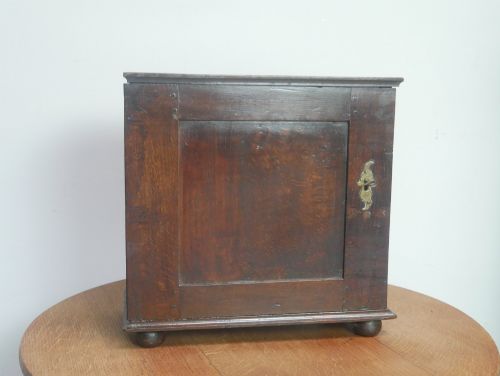
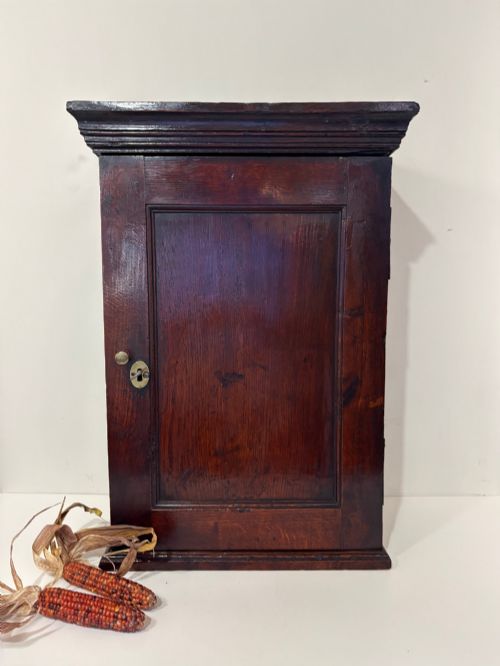
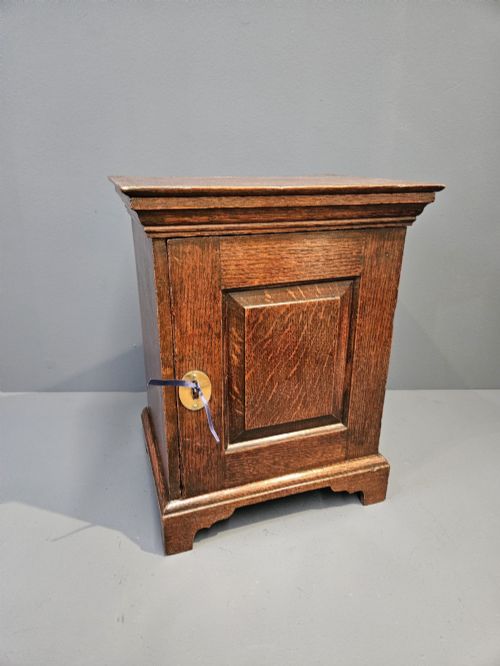
A georgian spice cabinet typically appears as a small wall hanging or tabletop container designed to keep valuable provisions secure. The selection centres heavily upon 18th-century and 19th-century examples shaped by Georgian, George II, and Regency tastes.
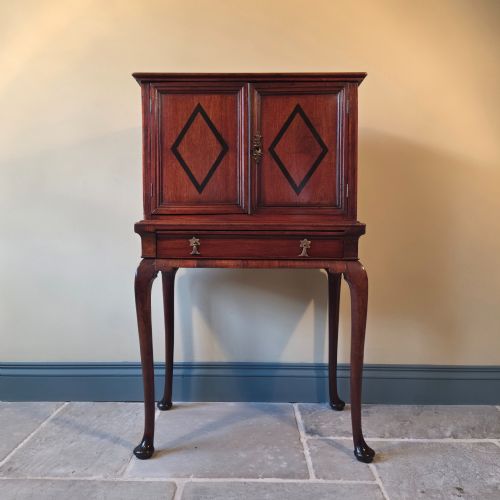
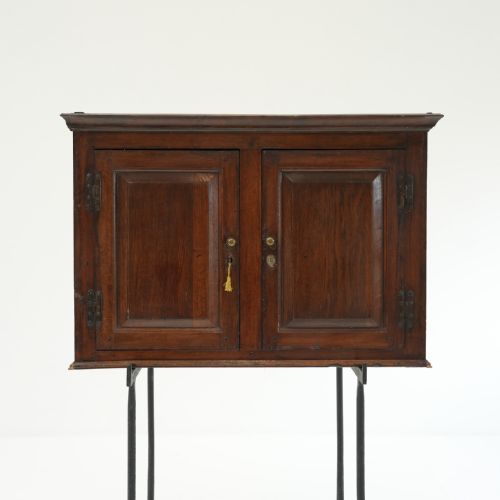
Most pieces encountered in this inventory are constructed from oak, mahogany, walnut, or fruitwood, taking the form of wall cabinets, corner cupboards, and miniature chests of drawers. Provincial workshops also produced specialised wall hanging spice boxes and miniature tallboys.
Buyers frequently select these compact forms for domestic display, utilising them to organise small items while retaining period authenticity. The forms range from simple country oak boxes to inlaid mahogany cabinets with tambour fronts.
How they were made
Cabinet makers utilised solid native timbers such as oak, fruitwood, and walnut, often pairing them with secondary woods like pine. Construction methods involved traditional joinery suited to hanging or tabletop use.
Surface ornamentation included intricate inlay, carving, and decorated panels, alongside brass hardware for hinges and escutcheons. Iron fittings also appear on utilitarian provincial pieces.
Interior architecture relied on closely fitted small drawers or compartments, requiring precise carpentry to accommodate numerous miniature receptacles within a limited exterior volume.
Georgian Spice Cabinet Retail Price Guide 2026
Typical asking prices for georgian spice cabinet among the pieces listed under this phrase on Sellingantiques today, from the lower quarter to the upper quarter. They describe what is for sale here now, not the wider market.
Listings feature oak, mahogany, walnut, fruitwood, pine, and brass across 18th-century, 19th-century, and Regency periods.
What varies in quality
The degree of refinement in timber selection and joinery distinguishes basic utility boxes from sophisticated parlour pieces. Dense graining in mahogany or figured walnut elevates the visual weight of smaller forms.
Execution of decorative elements such as carved motifs, inlay work, and original brass hardware determines the aesthetic standing of a cabinet. Retaining original hinges, drawer pulls, and internal partitions contributes to historical integrity.
Proportional harmony between the exterior case and the internal drawer configuration reflects the skill of the maker. Finer examples display careful attention to detail even on concealed internal surfaces.
The Georgian Spice Cabinet Glossary
- Tambour front
- A sliding shutter formed of narrow vertical strips of wood glued to a canvas backing. This mechanism allows access to internal compartments in confined spaces.
- Miniature tallboy
- A scaled-down version of a full-size tallboy chest of drawers, built with multiple tiers for specialised storage.
- Hanging corner cupboard
- A triangular storage unit designed to fit into a room angle and mount directly to a wall.
- Escutcheon
- A protective plate surrounding a keyhole, frequently fashioned from brass to complement the surrounding woodwork.
Georgian Spice Cabinet: Frequently Asked Questions
What were georgian spice cabinets used for?
These cabinets stored precious culinary spices, herbs, and medical ingredients securely under lock and key in period households.
Their internal compartments kept distinct substances separated and protected from damp domestic environments.
Where should I hang a spice cabinet?
Wall-mounted versions suit kitchens, dining rooms, or hallways where their compact footprint does not overwhelm surrounding wall space.
Ensure the wall structure supports the combined weight of hardwood timber and internal contents safely.
How do I identify a george ii piece?
George II items typically display robust oak construction with characteristic period proportions and simpler provincial carving.
Examine the backboards, interior drawer sides, and construction marks to understand the manufacturing date.
Are tabletop cabinets different from wall cabinets?
Tabletop versions feature finished top surfaces and flat bases intended for placement on desks or counters.
Wall hanging variations include integrated mounting brackets or suspension points on their rear panels.