
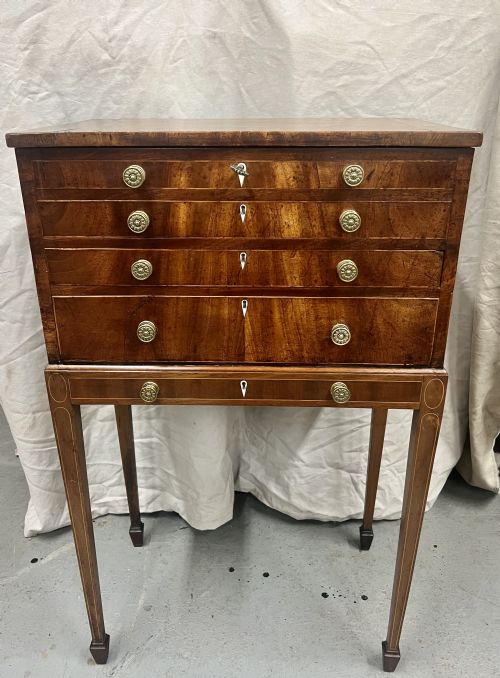


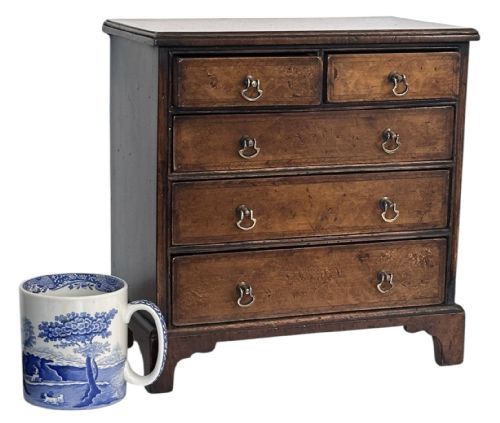


Georgian Specimen Drawer Chest
A georgian specimen drawer chest holds small treasures with quiet precision, offering a neat arrangement of miniature proportions for the collector.
Georgian Specimen Drawer Chest
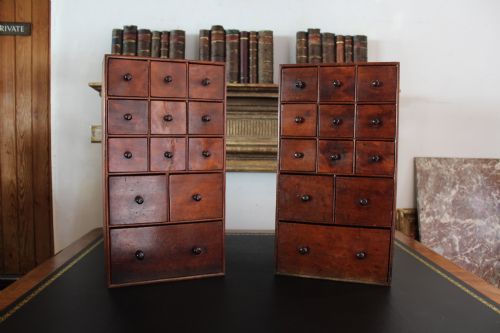
A georgian specimen drawer chest typically presents as a compact cabinet, miniature chest of drawers, or spice cabinet designed for orderly storage. You will encounter pieces spanning the eighteenth century, the regency era, and the nineteenth century, including apprentice pieces and miniature chests in mahogany, oak, and walnut.
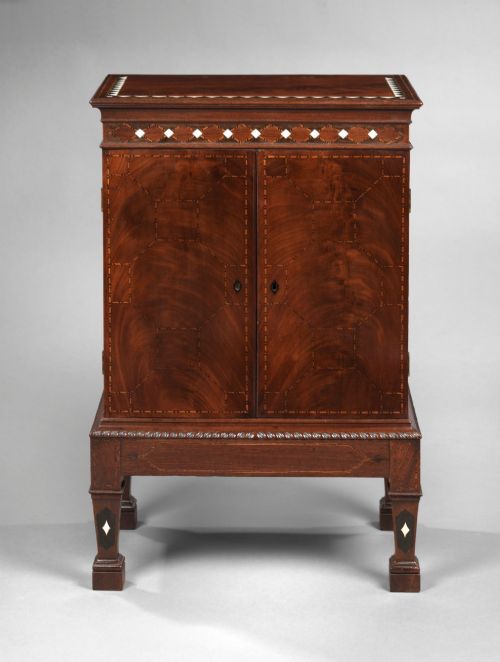
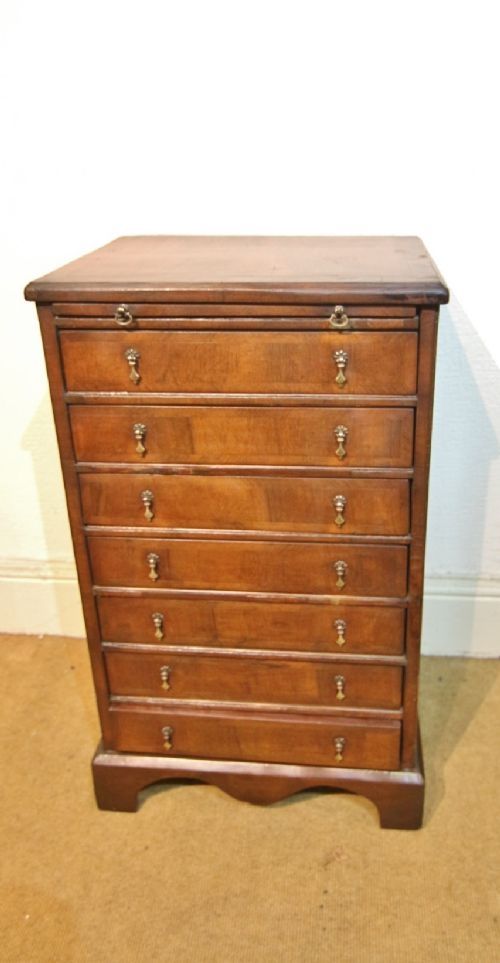
The form encompasses collectors cabinets, Wellington chests, and chests on stand, often featuring numerous shallow drawers tailored for natural history specimens or small artefacts. These items range from rustic oak examples to finely detailed mahogany and yew wood versions reflecting classical George II and Chippendale styles.
Materials and construction
Cabinet makers utilised dense hardwoods such as mahogany, walnut, oak, and yew wood, occasionally incorporating fruitwood, amboyna, or rosewood veneers. Structural integrity relied on tight dovetail joints for the numerous small drawers required to house specimens securely.
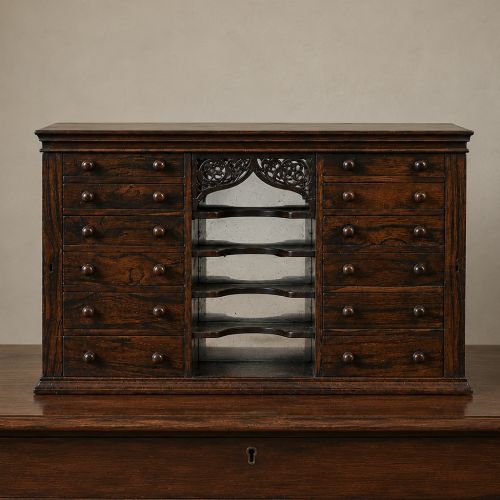
Metalwork played a functional role, with brass drop handles and hinges fitted to facilitate handling. Interior elements sometimes included bone inlay or mirror glass, particularly within Wellington chests and drawing room show cabinets.
Cabinets span the eighteenth century, the regency era, and the nineteenth century, alongside nineteenth-century apprentice pieces.
Distinctions in execution
The calibre of a piece rests upon the crispness of the timber selection, such as figured walnut or Cuban mahogany, and the precision of the drawer construction. Cabinet makers who invested extra care in matching wood grain across multiple shallow drawer fronts achieved a superior visual harmony.
Signed works by known makers or those with documented provenance command distinct attention through meticulous interior partitioning and refined brass hardware. The integration of stands, crisp moulding details, and well-preserved drawer linings further separates standard workshop production from exceptional cabinet work.
Charles William Schofield
The Georgian Specimen Drawer Chest Glossary
- Wellington chest
- A tall, slender chest of drawers secured by a hinged locking stile on one side. This design kept valuable specimens safe behind a single locked bar.
- Apprentice piece
- A small-scale item demonstrating the skill of a young craftsman seeking master status. These miniature chests show the same joinery as full-sized furniture.
- Spice cabinet
- A small wall-mounted or table-top cabinet containing numerous tiny drawers. They predate later specimen cabinets but share the multi-drawer format.
- Chest on stand
- A cabinet raised on a separate table-like base with legs. This configuration elevated small drawers to a comfortable height for detailed examination.
Georgian Specimen Drawer Chest: Frequently Asked Questions
What were specimen drawer chests used for?
These cabinets served naturalists and collectors as secure storage for botanical specimens, insects, coins, and minerals. The numerous shallow drawers prevented delicate items from sustaining damage while allowing systematic classification.
Owners kept them in studies or drawing rooms where they could examine their collections closely. Their compact nature made them practical for organising specialised items without occupying excessive space.
How do I identify a Georgian piece?
Georgian pieces display characteristic timber choices like oak, mahogany, and walnut, combined with hand-cut dovetailing on the drawer frames. Proportions follow classical architectural lines, often referencing George II or Chippendale styles.
Examine the secondary woods inside the drawers and the style of the brass handles. Eighteenth-century examples rely on traditional hand-tooling marks rather than machine manufacture.
Where should I place a miniature chest?
These compact chests sit comfortably on desks, sideboards, or dedicated tables where their fine details remain visible. Their modest scale allows them to function as focal points in studies or living rooms.
Keep them away from direct sunlight and radiators to protect dry veneers and historic timber finishes. Placing them at a height where drawers can be pulled out safely ensures proper use.
What is an apprentice chest?
An apprentice chest is a small-scale model built by a trainee to prove proficiency in woodworking techniques. They replicate full-sized furniture designs in miniature to demonstrate mastery of joints and finishes.
These pieces feature the same timber and construction methods as larger chests from the same period. Their small size made them efficient tests of skill before joining a guild.