
Georgian Solid Silver Spoon
A georgian solid silver spoon brings centuries of tactile heritage to the table, offering tangible links to eighteenth and nineteenth-century craftsmanship.
Georgian Solid Silver Spoon
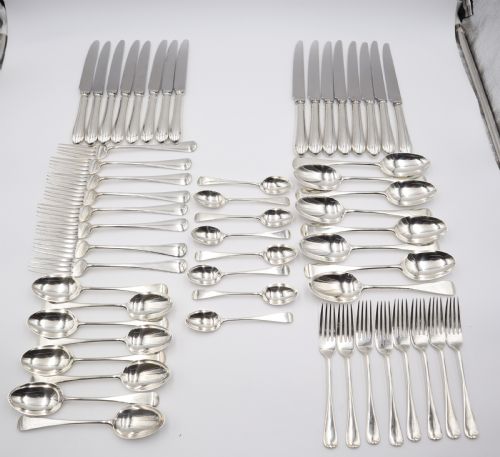
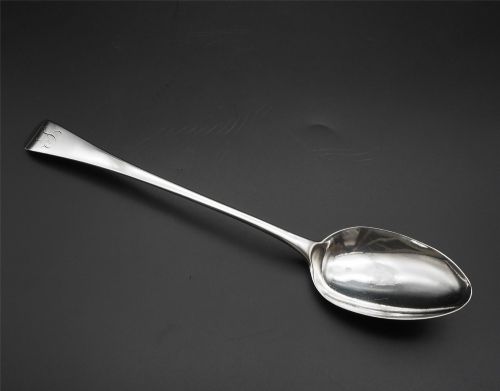
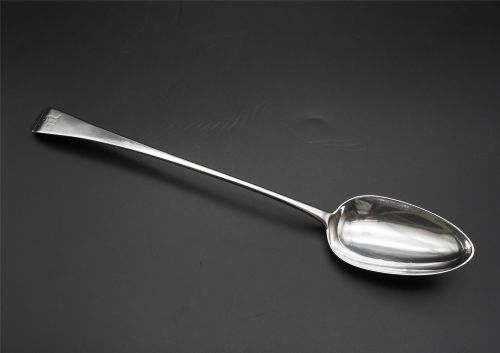
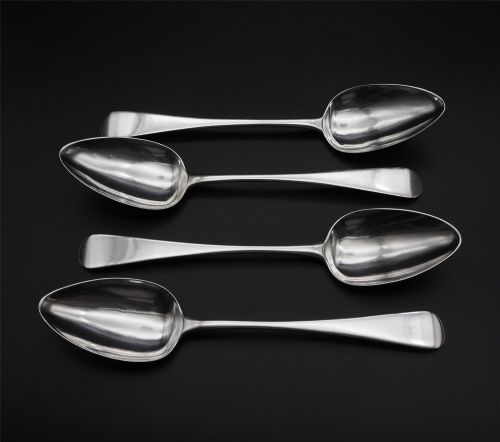
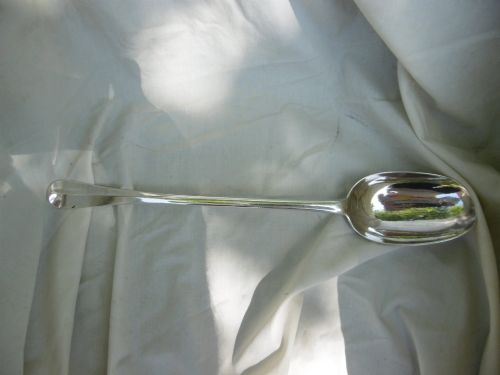
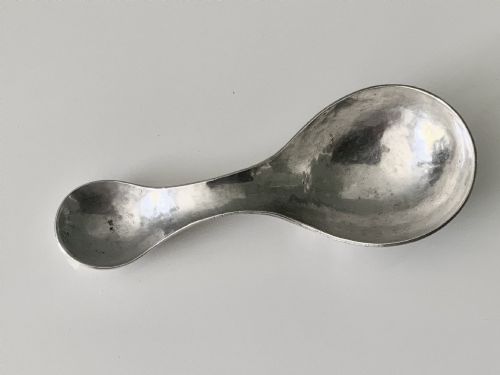
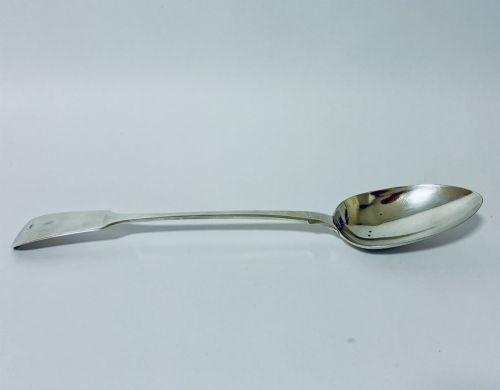
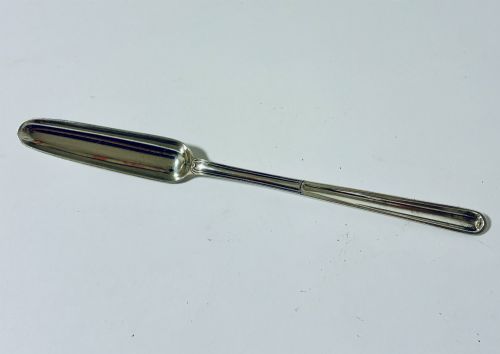
When searching for a georgian solid silver spoon, buyers encounter a diverse array of domestic and serving implements originating primarily from the eighteenth and early nineteenth centuries. The selection spans utilitarian forms such as basting spoons, marrow scoops, and hash spoons alongside diminutive caddy spoons designed for tea leaves.
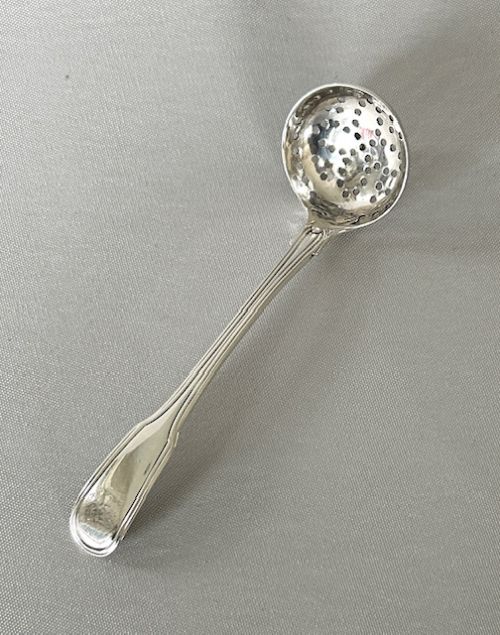
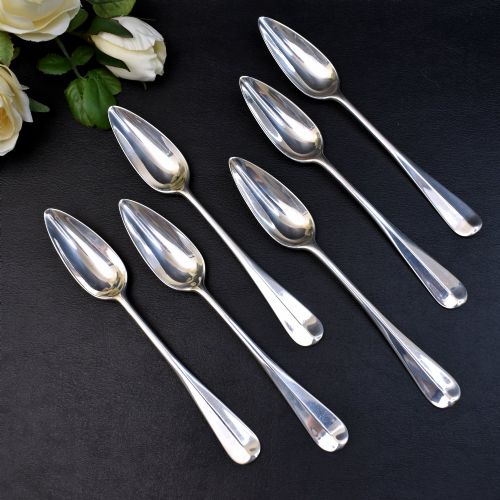
The assortment extends from provincial Scottish and Irish examples to major London-hallmarked pieces, reflecting regional silversmithing traditions. Common formats include matching sets of tablespoons, decorative berry spoons, and specialised sifting tools utilised in period dining.
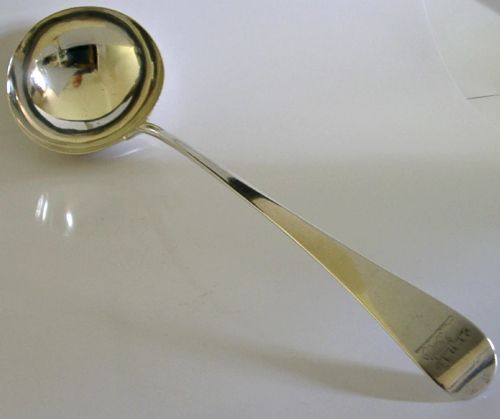
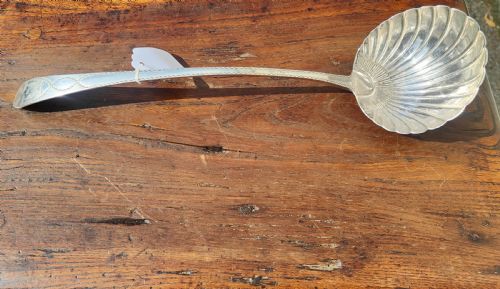
Makers ranged from notable workshops to regional guilds, producing items that fulfilled specific household tasks in an era before mass production. These utensils survive in varying states, from pristine caddy spoons with engraved handles to heavy-gauge ladles bearing family crests.
Materials and construction
Silversmiths primarily worked with sterling silver and higher-purity Britannia silver, shaping metal through hammering, casting, and piercing techniques. Bowls were often beaten from ingots to achieve the necessary gauge for durability, while stems and handles received reinforcement or decorative profiling.
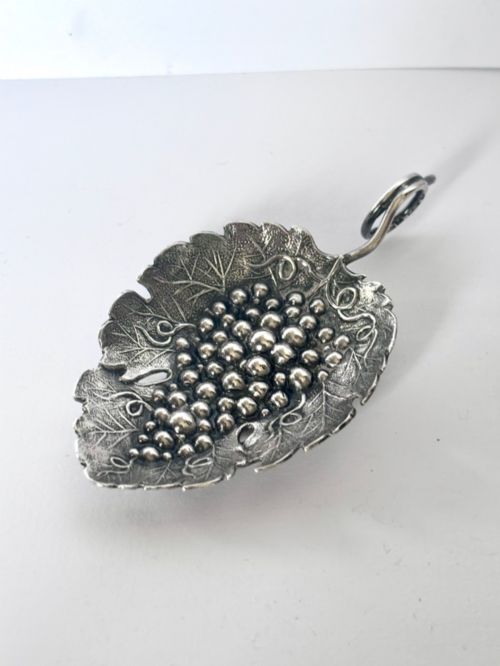
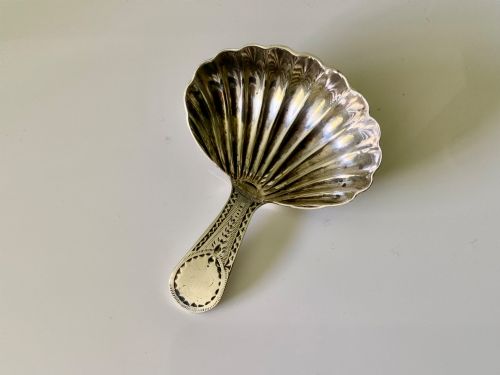
Specialist elements like caddy spoons frequently incorporated detailed stamping, repoussé work, or applied cast elements such as vine leaves and grapes. Engraving and bright-cutting added surface pattern, executed by hand with specialised gravers before individual town and maker marks were stamped into the reverse.
Some Georgian caddy spoons were shaped precisely like outstretched vine leaves, ensuring the tea caddy retained a touch of the garden.
Distinctions in grade and execution
Quality rests upon the weight of the silver gauge, the crispness of the original hallmarks, and the preservation of hand-engraved or chased decoration. Thicker metal resists bending during use, whilst well-struck hallmarks ensure clear provenance regarding the maker and assay office.
The sophistication of the design dictates desirability, distinguishing standard table items from intricately pierced or cast specialty spoons. Preservation of the original surface finish without excessive polishing separates well-kept historical examples from heavily worn pieces.
Hester Bateman·Joseph Willmore·Andrew Archer·William Scarlett·John Wilks·Isaac Davenport·Taylor and Perry·Stephen Adams
The Georgian Solid Silver Spoon Glossary
- Britannia silver
- A silver standard of higher purity than sterling, introduced by statute in England to curb the melting of coinage. Objects bearing this standard contain a higher proportion of pure silver.
- Caddy spoon
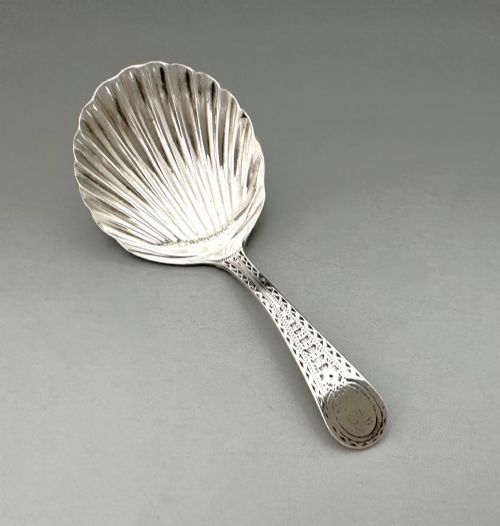
- A short-handled spoon specifically manufactured for measuring loose tea leaves from a storage caddy. These often feature decorative bowls shaped like leaves or shells.
- Berry spoon
- A serving spoon retrofitted or originally created with embossed and chased fruit motifs upon the bowl. They frequently appear in matched pairs within fitted presentation boxes.
- Mote spoon
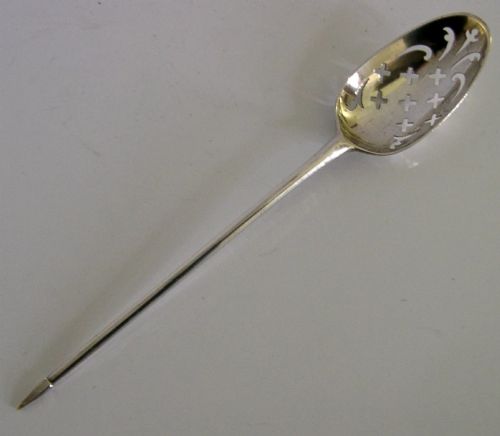
- A slender Georgian implement featuring a pierced bowl for straining tea leaves and a pointed terminal. The point served to clear blocked strainer spouts in teapots.
- Hallmark
- A series of official stamps applied to precious metal items indicating the maker, assay office, standard of purity, and year of manufacture. These marks provide definitive historical dating.
Georgian Solid Silver Spoon: Frequently Asked Questions
What is a caddy spoon used for?
A caddy spoon measures loose tea leaves from a caddy into a teapot. Their short handles allowed them to sit conveniently inside or beside tea storage containers.
Craftsmen often styled these spoons in whimsical botanical forms, such as vine leaves or shells, making them distinct decorative items in Georgian households.
How do you identify a Georgian spoon?
Identification relies primarily on the crispness of the hallmarks stamped onto the reverse of the stem or bowl. These marks reveal the town assay office, the maker's mark, and a date letter.
Stylistic cues like Old English patterns, bright-cut engraving, or heavy marrow scoop forms further point toward eighteenth and early nineteenth-century manufacturing standards.
Were these spoons used daily?
Many items were produced for active household service, including large basting spoons, soup ladles, and sets of tablespoons for dining tables. Heavier gauges ensured these utensils withstood regular use.
Some specialised pieces, such as delicate mote spoons or presentation caddy spoons, saw more restricted use in formal drawing rooms and tea ceremonies.
What does sterling standard mean?
Sterling standard denotes a silver alloy containing a specific proportion of pure silver combined with strengthening metals like copper. This composition provided the necessary durability for functional cutlery.
English silversmiths adhered strictly to this standard, applying identifying lion passant hallmarks to guarantee the metallic purity of each spoon.