




Georgian Small Wall Cupboard
A georgian small wall cupboard stores provisions or treasures securely off the floor, bringing period timber warmth and clever storage to compact modern spaces.
Georgian Small Wall Cupboard
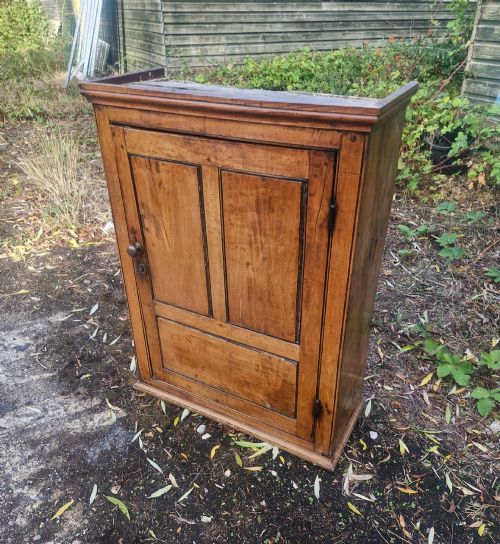
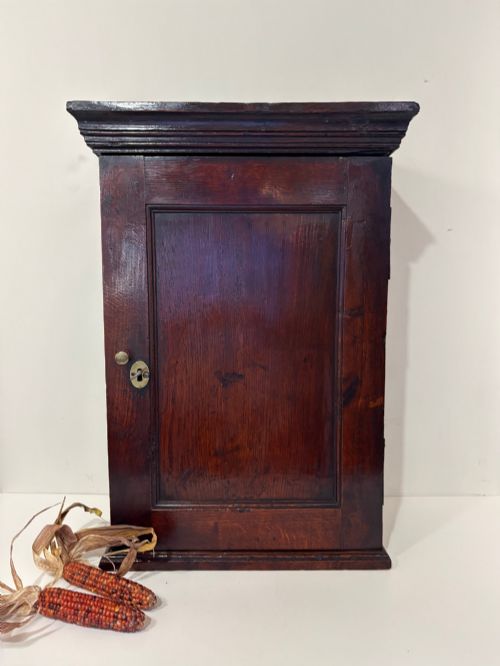
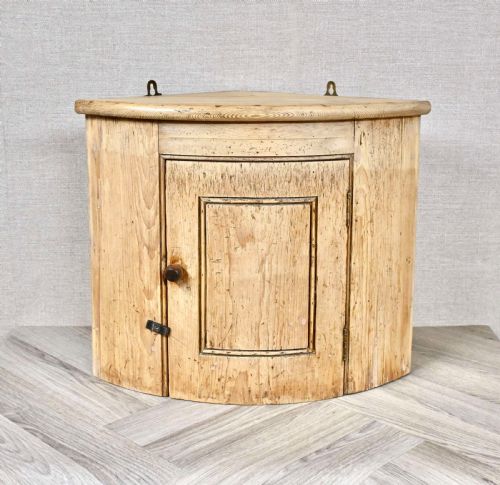
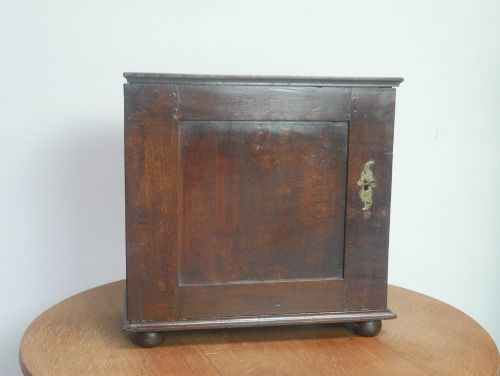
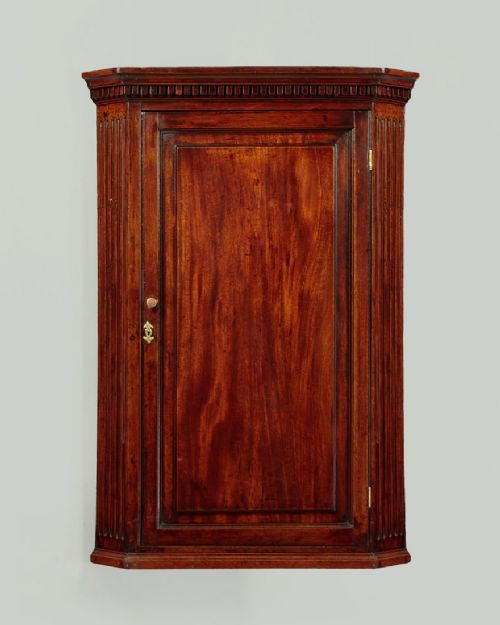
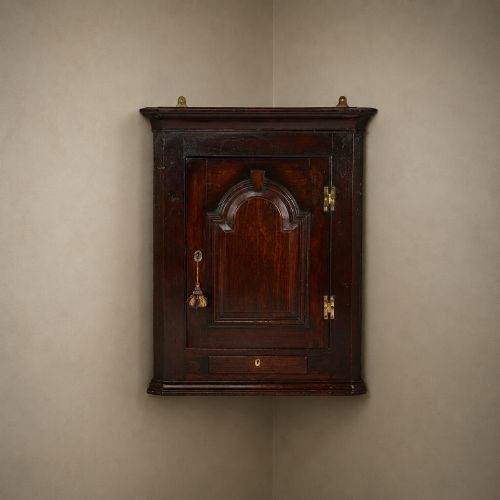
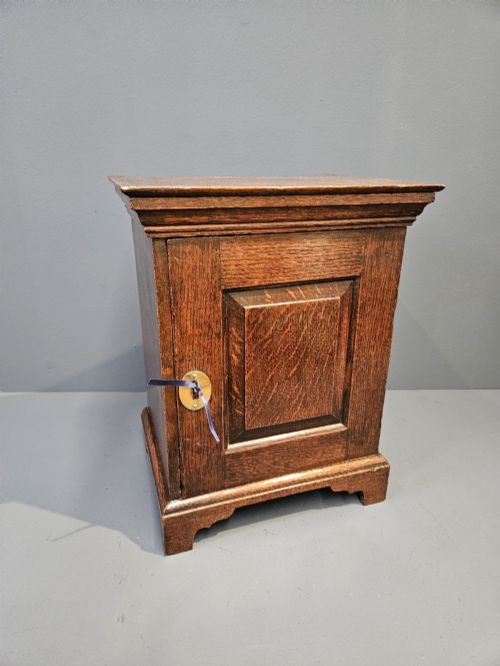
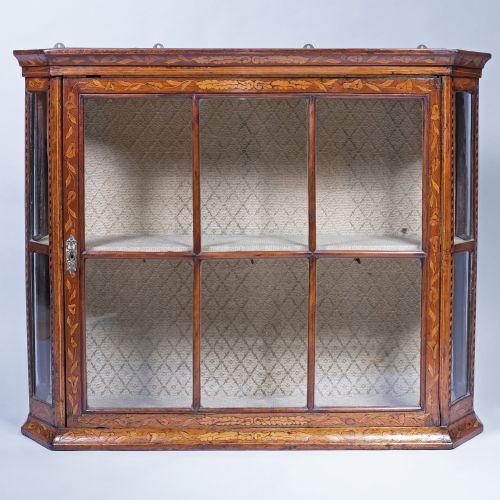
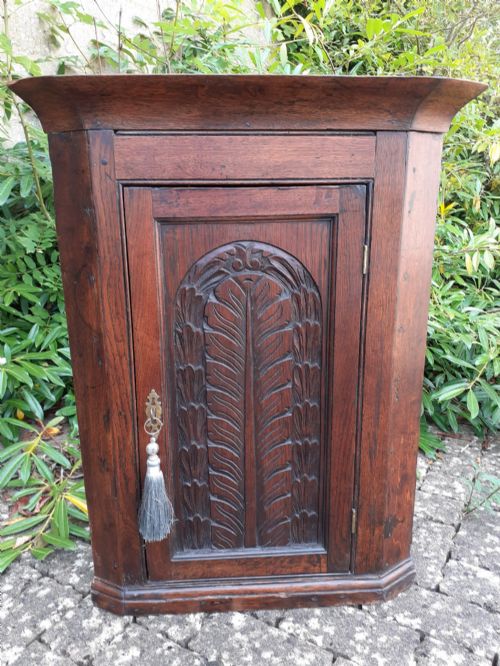
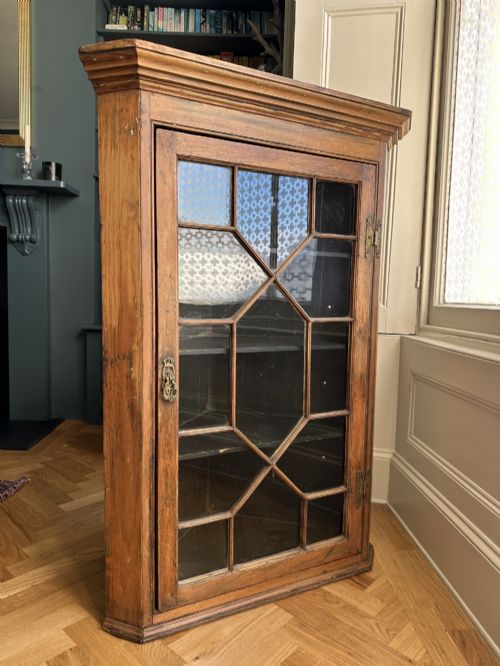
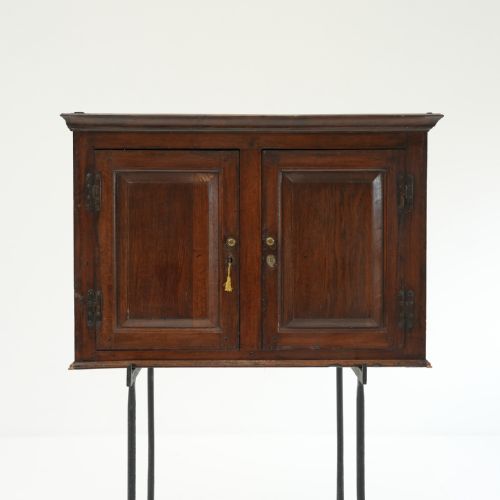
A georgian small wall cupboard is a compact timber storage piece designed to hang on a wall or tuck into a room corner to save floor space. The selection here spans the eighteenth and nineteenth centuries, alongside later revivals, offering practical hanging formats such as spice cupboards, food cupboards, and corner cabinets.
Origins stretch across English and Welsh workshops, incorporating provincial vernacular pieces alongside more formal Georgian designs. Buyers encounter wall-hanging formats equipped with original keys, brass hinges, and interior shelving suited for modern display or storage.
Materials and Construction
Cabinet makers relied primarily on solid oak, mahogany, and pine, selecting timbers that offered both structural stability and rich grain patterns. Marquetry inlay, brass hardware, glass panes, and iron fittings provided functional and decorative accents across the pieces.
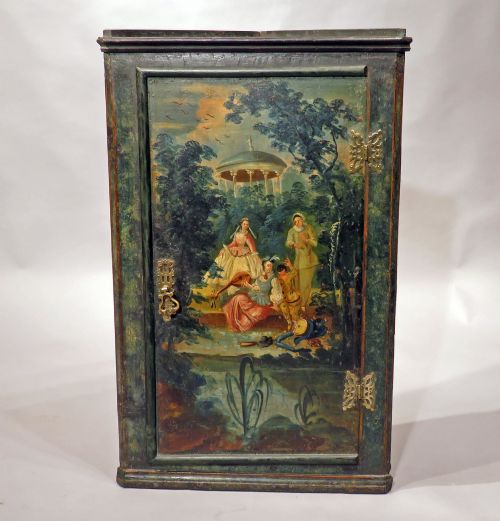
Construction techniques involved traditional joinery suited for wall-hung loads, incorporating panelled doors, dovetailed drawers, and corner bracing. Surfaces were finished with paint, wax, or varnish, with certain pieces retaining original interior paintwork or decorative carving.
Listings feature oak, mahogany, and pine pieces spanning the eighteenth and nineteenth centuries, including corner formats, spice cabinets, and glazed display units.
Judging Quality and Character
Quality rests in the integrity of the timber selection and the crispness of the original joinery, from hand-cut dovetails to fitted brasses and working locks. Pieces retaining untouched original surfaces, such as early paintwork or warm patinated oak, hold greater visual harmony.
Proportion and execution distinguish finer workshop output from simpler vernacular work, though rustic charm carries its own appeal in provincial Welsh and English country pieces. The presence of original glazing, internal spice drawers, and functioning keys elevates the integrity of the cabinet.
The Georgian Small Wall Cupboard Glossary
- Spice cupboard
- A small wall-mounted cabinet traditionally used for storing expensive culinary spices, featuring multiple interior small drawers. These compact units date frequently to the eighteenth century.
- Corner cabinet
- A cupboard specifically constructed with angled sides to fit flush into the corner of a room. This form maximises space in smaller Georgian interiors.
- Tambour front
- A sliding door made of narrow vertical strips of wood glued to a canvas backing, allowing smooth movement around a curved cabinet front. This mechanism appears on select mahogany pieces.
- Bow front
- A convex, curved cabinet front that projects outward, softening the hard angles of a room. It adds visual movement to mahogany and pine corner cupboards.
Georgian Small Wall Cupboard: Frequently Asked Questions
Where should I hang a wall cupboard?
These compact cabinets suit kitchens, hallways, or living rooms where floor space is limited and wall mounting is secure.
Ensure the wall construction can support the weight of solid timber and its contents before hanging.
How do I care for antique oak?
Dust the timber regularly with a dry cloth and apply a traditional beeswax polish occasionally to nourish the grain.
Keep the cabinet away from direct heat sources and strong sunlight to prevent timber splitting.
Are original keys common?
Some pieces retain their original keys and working iron locks, while others have been adapted over the centuries.
Listing descriptions note whether a key is present and if the lock remains operational.
What is the difference between wall and corner cabinets?
Wall cabinets feature flat backs designed to hang on a single wall surface within a room.
Corner cupboards have angled sides specifically built to utilise unused room corners.