


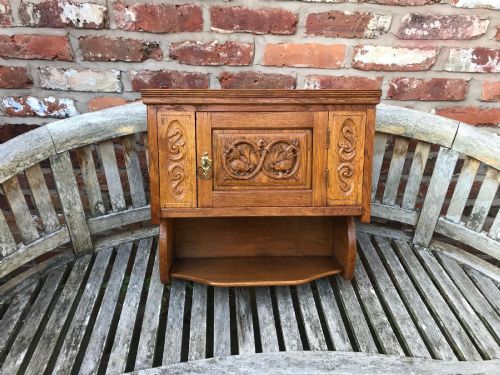


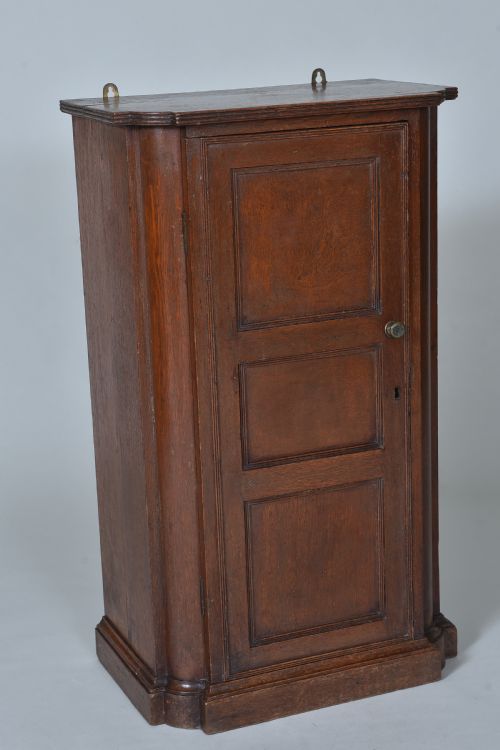

Brown Oak Medicine Cupboard
These brown oak medicine cupboard selections bring dependable timber storage into a room, offering compact wall-mounted solutions built for daily utility.
Brown Oak Medicine Cupboard
A brown oak medicine cupboard provides compact wall storage using dense timber, taking the form of wall-hanging cabinets, spice cupboards, and corner units found in the evidence. These pieces serve domestic purposes across domestic and utilitarian settings.
The selections seen on this page span the 18th century, 19th century, Victorian period, and Georgian eras. Makers utilised oak alongside brass, glass, iron, and ebonised wood to construct functional small storage.
Stylistic influences range from Georgian and Victorian to Arts and Crafts, French Country, Aesthetic Movement, Victorian Country, and Welsh Vernacular. Buyers frequently encounter wall cabinets, wall cupboards, and corner cupboards in these runs.
How they were made
Construction relies primarily on oak timber, sometimes complemented by ebonised wood details. Metal hardware such as brass and iron provides hinges, latches, and hanging fixtures.
Surfaces often feature hand-carved decoration or plain timber grain, mounted directly to walls via integrated hanging points. Joinery methods suit domestic cabinet-making traditions of the eighteenth and nineteenth centuries.
Some spice cupboards retained their original tiny keys, proving that 18th-century cooks guarded their cinnamon with absolute vigilance.
What varies in quality
Quality rests in the crispness of timber carving, the integrity of the oak grain, and the preservation of original brass or iron hardware. Pieces showing estate-made construction display simpler utilitarian joins compared to finer formal Georgian production.
The balance between timber selection and decorative restraint defines the tier of the piece. Untouched patination on the brown oak surface elevates the overall character.
The Brown Oak Medicine Cupboard Glossary
- Brown oak
- A rich, dark-toned oak timber prized for cabinet-making and wall cupboards. It develops a deep natural patina over centuries of exposure.
- Corner cupboard
- A triangular storage unit designed to fit neatly into room angles. These save floor space while utilising wall areas.
- Spice cupboard
- A small wall-hanging cabinet traditionally used for storing dry goods and provisions. They feature compact doors and internal small shelving.
- Ebonised wood
- Timber treated to imitate ebony, providing dark contrasting details on cabinet frames and mouldings. This finish appears on Victorian and Aesthetic pieces.
Brown Oak Medicine Cupboard: Frequently Asked Questions
Where were these cupboards placed?
These wall-hanging units sat primarily in kitchens, halls, and utility spaces to keep small provisions and items within arm's reach.
Their compact footprints allowed them to mount securely on timber paneling or plastered stone walls without consuming floor space.
How do I identify a Georgian piece?
Georgian examples often display restrained classical mouldings, fielded panel doors, and traditional brass H-hinges. The proportions follow strict period symmetry and architectural rules.
Timber choice in these pieces tends toward plain or figured oak with hand-cut joinery visible on the interior.
What is estate-made furniture?
Estate-made cabinets were built by local carpenters or estate workers for specific properties rather than commercial workshops. They show practical construction methods tailored to immediate domestic needs.
These items carry regional vernacular traits distinctive to their geographic origin.
How should I hang a wall cupboard?
Wall-hanging cabinets require secure fixing directly into wall studs or masonry using appropriate weight-bearing brackets. The original internal hanging points should be assessed by a professional installer.
Ensuring proper support protects both the historical timber frame and the wall structure.