


Georgian Silver Serving Tray
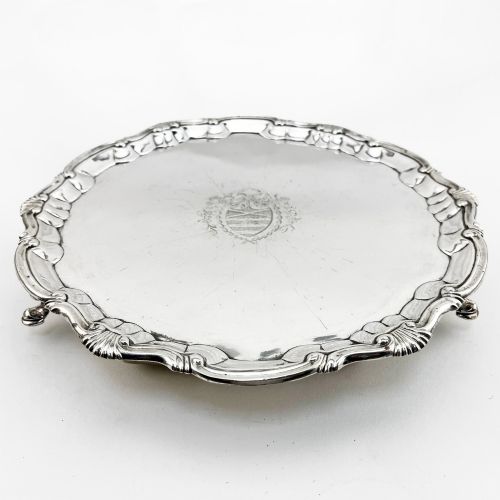
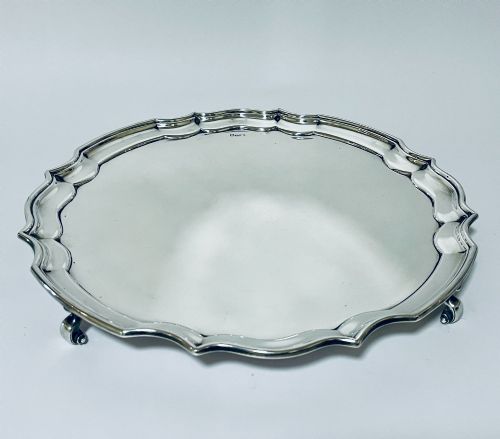
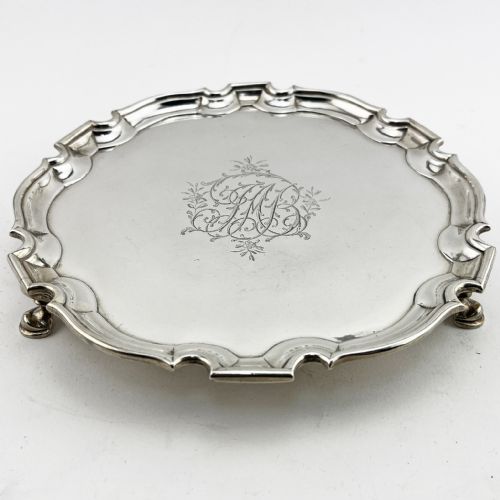
A georgian silver serving tray commands the centre of a table with substance, grace and utility.
Georgian Silver Serving Tray
A georgian silver serving tray encompasses formal salvers, platters, bread baskets and gallery trays shaped in sterling silver or Old Sheffield plate. These pieces arrive from periods spanning the eighteenth and nineteenth centuries, carrying styles from George II to William IV alongside later interpretations.
The form functions primarily to carry vessels or present dishes, though smaller card trays and salvers serve distinct domestic roles. Buyers meet sterling iterations marked by assay offices alongside plated copper pieces produced by fusing silver onto a base metal.
How they were made
Makers shaped sterling silver through hammering, casting and chasing to build substantial rims and decorated borders. Master silversmiths utilised molten metal and heavy presses to form solid structures designed for daily use.
Old Sheffield plate relied on fusing a thin sheet of silver to a thick copper ingot under heat, rolling them together into sheets for fabrication. This method left a characteristic edge where the underlying copper shows through discreetly upon close inspection.
A revolving lazy susan appears alongside traditional stationary platters, proving that dining table convenience is centuries old.
What varies in quality
The weight of the metal and the crispness of the chased or engraved decoration define the tier of a piece. Fine examples retain deep, sharp relief on borders and crests without thinning from excessive polishing over generations.
Construction details such as the solidity of applied cast feet, the integrity of soldered joints and the preservation of original plating reveal the standard of workshop execution. Superior trays maintain balanced proportions and clear maker or assay marks.
Robert Abercromby·Creswick·Robert Breading·John Hunt·Matthew Linwood·Paul Storr
The Georgian Silver Serving Tray Glossary
- Salver
- A flat tray, usually standing on feet, used for serving drinks or presenting cards. These pieces form a central category within silver tableware.
- Old Sheffield Plate
- An early form of plating created by fusing silver and copper together before rolling them into sheets. This technique predates modern electroplating.
- Gallery Tray
- A tray featuring an upright pierced or solid metal gallery around its perimeter. The border prevents items from sliding off during transit.
- Assay Mark
- A stamp struck on precious metals to guarantee the purity standard. These marks identify the testing office, the metal quality and the year of manufacture.
- Chasing
- A technique of hammering metal from the front to push the design into relief. This ornamentation adds texture and depth to borders and centres.
Georgian Silver Serving Tray: Frequently Asked Questions
How do I clean a silver tray?
Use a soft cloth and a gentle, non-abrasive silver polish formulated for antiques. Avoid harsh scrubbing that wears down engraved details or thin plating.
Wash the tray in warm soapy water afterwards and dry it completely with a soft towel to prevent water spots and tarnishing.
What is the difference between sterling and plate?
Sterling silver consists of solid precious metal throughout, marked with statutory hallmarks confirming its purity. Silver plate uses a base metal, such as copper, covered by a thin layer of silver.
Old Sheffield plate shows copper bleeding at the seams, whereas electroplated items usually reveal base metal only where the outer layer has worn away.
Can I use these trays for serving food?
Solid sterling silver trays and well-maintained plated trays remain entirely suitable for serving drinks, cakes or cold items. Acidic foods should not sit on plated surfaces for extended periods to protect the finish.
Modern acidic items can react with older metal surfaces if left in direct contact for hours.
How do I date an unmarked tray?
Examine the overall style, construction methods, foot design and edge decoration to narrow down the manufacturing period. Georgian pieces often display hand-beaten characteristics or distinct border motifs typical of the eighteenth century.
Comparing the manufacturing technique with known dated examples helps establish a reliable timeline for pieces lacking formal hallmarks.