



Georgian Silver Plated Pitcher
These georgian silver plated pitcher pieces combine functional utility with classical proportion, offering a handsome addition to any table setting.
Georgian Silver Plated Pitcher
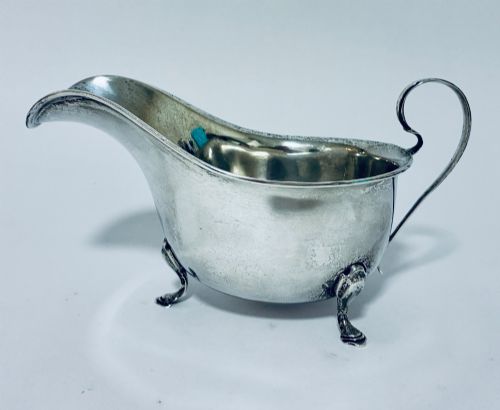
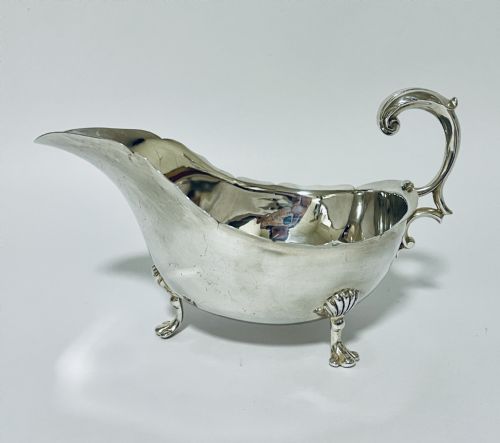
When searching for a georgian silver plated pitcher, buyers encounter an array of vessels including beer jugs, wine ewers, coffee pots, and sauce boats created across the eighteenth and nineteenth centuries. These items serve both practical pouring functions and display purposes, originating from periods spanning the Georgian era through to the early twentieth century.
The selection on this page most frequently highlights Old Sheffield Plate alongside later silver plate and solid silver iterations. Forms range from utilitarian ale pitchers fitted with silver plated lids to decorative wine ewers bearing engraved coats of arms.
Alongside standard domestic serveware, the offerings encompass ecclesiastical vessels and specialised teaware such as cream jugs and sugar bowls. Pieces frequently incorporate supplementary materials including copper, wood, stoneware, and gold gilt accents.
How they were made
The manufacture of these vessels relies heavily on Old Sheffield Plate, a foundational technique involving the fusion of a thin sheet of silver to a thicker copper core. This method produces durable items that reveal subtle traces of the underlying base metal as the outer layer wears.
Craftsmen also utilised copper and stoneware bodies, sometimes enhancing the form with wooden handles and gold gilt interiors. Early marks stamped into the metal indicate the origin and working methods of the period's silversmiths and platers.
Georgian Silver Plated Pitcher Retail Price Guide 2026
Typical asking prices for georgian silver plated pitcher among the pieces listed under this phrase on Sellingantiques today, from the lower quarter to the upper quarter. They describe what is for sale here now, not the wider market.
Listings feature items spanning the 18th century, Georgian era, Victorian period, and early 1900s, constructed from silver plate, copper, wood, and stoneware.
What varies in quality
Quality in these vessels is evident in the crispness of applied borders, the integrity of the fused silver layer over copper, and the retention of original heraldic engraving or crests. Items displaying early marks and well-preserved surface plating demonstrate superior craftsmanship.
The weight of the metal and the balance of handles, whether formed from wood or shaped silver plate, distinguish standard domestic items from finer presentation pieces.
The Georgian Silver Plated Pitcher Glossary
- Old Sheffield Plate
- An early method of fusing silver onto a copper base, producing distinctive pieces that often show copper beneath the worn exterior. This technique predates modern electroplating.
- Ewer
- A large jug with a wide spout and handle, traditionally used for holding and pouring wine or water. These vessels often feature decorative coats of arms.
- Sauce boat
- A small pitcher designed specifically for serving gravies or sauces at the dining table. They frequently stand upon three feet or an integral base.
- Communion jug
- An ecclesiastical vessel utilised in religious services for the distribution of sacramental wine. These pieces reflect the specific ritual requirements of their denomination.
- Gold gilt
- A thin layer of gold applied to the interior or decorative details of a silver or plated vessel. This treatment protects the base metal from corrosion by acidic contents.
Georgian Silver Plated Pitcher: Frequently Asked Questions
What is Old Sheffield Plate?
Old Sheffield Plate is an early composite material made by thermally fusing a sheet of silver to a thick copper ingot. This layered metal was then hammered and shaped into various domestic vessels.
Over decades of use and polishing, the thin silver layer wears thin at high points, revealing the warm copper underneath. This characteristic ageing process helps distinguish it from later electroplated wares.
How do I clean silver plate?
Silver plate requires gentle cleaning with non-abrasive polishes specifically formulated for plated items. Vigorous scrubbing removes the thin silver layer permanently, particularly on older fusion-plated pieces.
Store these vessels in dry environments away from direct sunlight and sulfur sources to minimise tarnishing. Regular dusting with a soft cloth keeps the surface bright without requiring frequent chemical intervention.
How do I identify a coat of arms?
Engraved coats of arms on these vessels typically represent the original owning family or institution. Heraldic experts can trace the specific blazon to determine lineage and historical provenance.
These armorial bearings were hand-engraved by skilled artisans, adding significant personal or corporate history to the piece.