



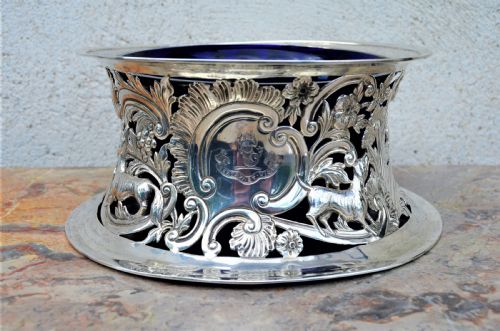

Georgian Silver Glass Liner
Georgian silver glass liner finds combine pierced frames with vivid coloured glass, offering a traditional table accent collectors prize.
Georgian Silver Glass Liner
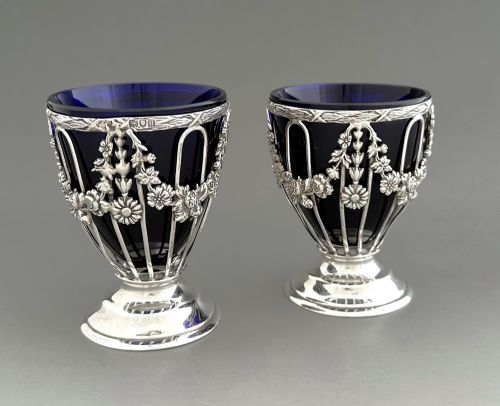
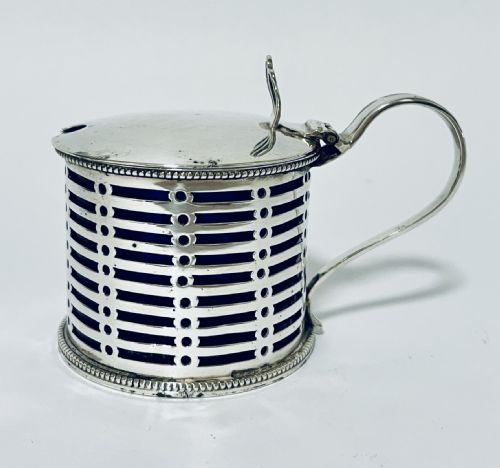
When you search for georgian silver glass liner, you are looking at fitted vessels designed to protect silver from corrosive contents like salt and mustard. The selection on this page centres on salt cellars, sugar baskets, mustard pots and cream pails.
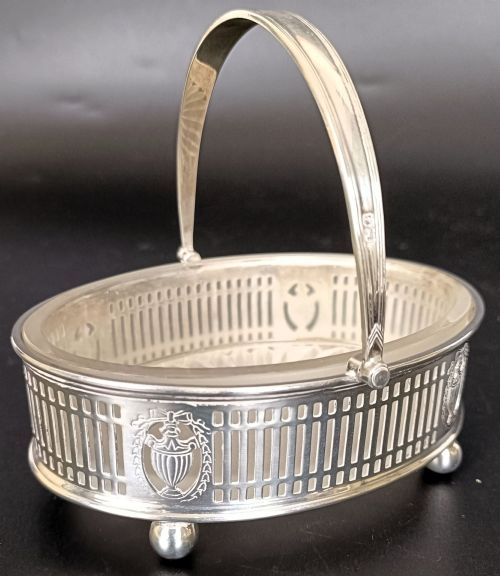
The versions you are most likely to meet span periods from the eighteenth century through to the Edwardian and Victorian eras, alongside later revivals. These table accessories appear in forms such as boat shapes, oval baskets and wirework tubs.
The evidence shows items originating in Georgian workshops as well as later interpretations in Georgian styles. Blue glass, cobalt blue glass and ruby glass insert into pierced or wirework sterling silver frameworks.
How they were made
Silversmiths formed the outer vessels using sterling silver, frequently employing piercing, wirework and silver gilt techniques to create openwork frames. These metal baskets and pots were designed to hold separate blown glass vessels securely inside.
The inner vessels utilise coloured glass, predominantly cobalt blue glass or ruby glass, shaped to fit the specific contours of the silver mount. Craftspeople combined molten glass blowing with precise metalwork to achieve the snug fit required for tableware.
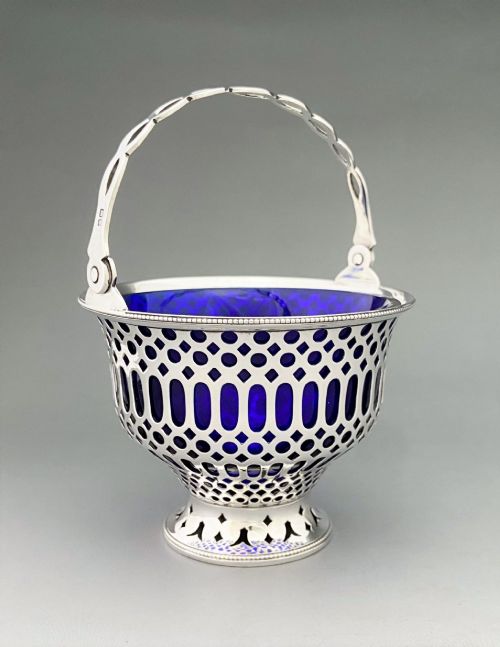
Object forms in the evidence include boat-shaped table salts, swing-handled sugar baskets, cream pails and mustard pots.
What varies in quality
Quality rests on the crispness of the silver piercing and the harmony between the metal frame and its glass insert. Finer examples display meticulous wirework and well-proportioned handles, whereas simpler items rely on plain moulded silver.
The presence of original coloured glass liners elevates a piece significantly, as replacements alter the historic integrity of the item. The weight of the sterling silver and the finesse of the silversmithing further distinguish the finer pieces from standard production.
Aldridge & Green·Charles Stuart Harris·George Fox
The Georgian Silver Glass Liner Glossary
- Glass liner
- A removable vessel placed inside a silver salt cellar, mustard pot or sugar basket to contain corrosive substances. These inserts protect the outer metal from direct contact with salt or mustard.
- Cobalt blue glass
- A deep blue glass material created by adding cobalt oxide to the molten batch. It is frequently seen in eighteenth and nineteenth-century table salts.
- Pierced silver
- Metalwork decorated by cutting or piercing patterns through the silver sheet. This technique lightens the weight of baskets and pails while displaying the coloured glass within.
- Silver gilt
- Sterling silver coated with a thin layer of gold on the surface. This finish provides a rich gold appearance and offers additional protection against tarnishing.
- Wirework
- Metalwork constructed from thin strands of silver soldered together into open frameworks. Edwardian and Georgian makers utilised this technique for light and airy baskets and condiment tubs.
Georgian Silver Glass Liner: Frequently Asked Questions
What is a georgian silver glass liner?
It is a removable coloured glass insert designed to sit inside an openwork silver vessel such as a salt cellar or mustard pot.
These liners prevented acidic table condiments from pitting and corroding the sterling silver exterior.
How do I identify a period liner?
Period liners typically exhibit the slight irregularities and pontil marks associated with older blown glass manufacturing methods.
Matching the exact contours of the glass to the interior dimensions of the silver basket helps confirm authenticity.
Were these pieces used for dining?
Yes, they served a functional role on formal dining tables to hold salt, mustard, sugar or cream during meals.
The pierced silver baskets and bright glass liners added decorative colour and refinement to the table setting.
How should I care for them?
Lift the glass liner out of the silver frame before cleaning either piece to prevent moisture becoming trapped between them.
Wash the glass gently by hand and use appropriate silver polish solely on the metal exterior.