



Georgian Silver Cellars
These georgian silver cellars are small table vessels designed for salt, combining precious metal and glass liners.
Georgian Silver Cellars
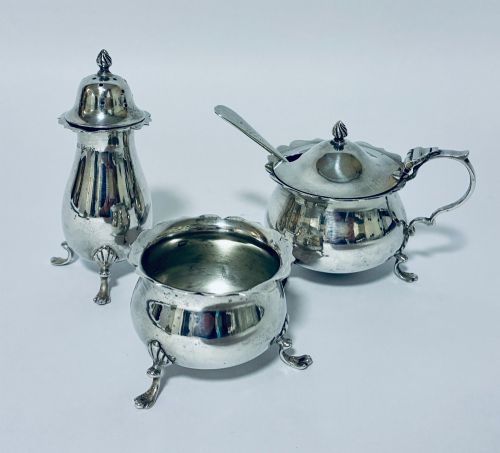
When you search for georgian silver cellars, you encounter small table vessels designed to hold salt and condiments during dining. These pieces take various forms including cauldron shapes, boats, shell designs, and wirework tubs.
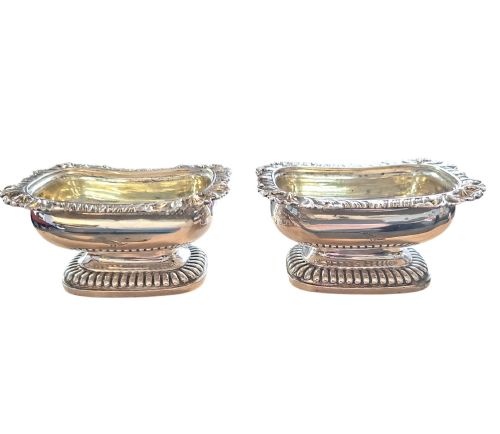
Origin points span London, Edinburgh, and Ireland, reflecting diverse regional silversmithing traditions. Many examples retain their original blue glass liners or feature gilt interiors.
How they were made
Maker's workshops formed these vessels in sterling silver using casting, hammering, and wirework techniques. Naturalistic flower motifs and rococo designs were applied through chasing and embossing.
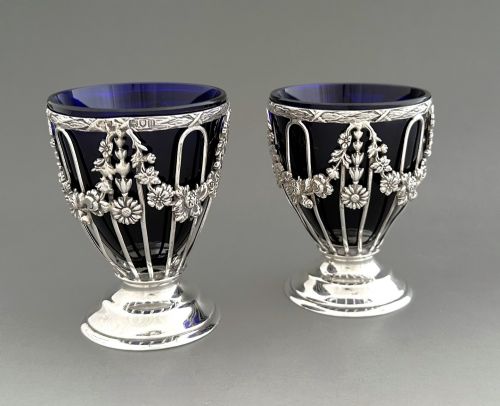
Interior surfaces often received a layer of gold gilt or vermeil to protect the silver from corrosive salt. Cobalt glass liners were fitted inside pierced or openwork silver frames to contain the contents safely.
Georgian Silver Cellars Retail Price Guide 2026
Typical asking prices for georgian silver cellars among the pieces listed under this phrase on Sellingantiques today, from the lower quarter to the upper quarter. They describe what is for sale here now, not the wider market.
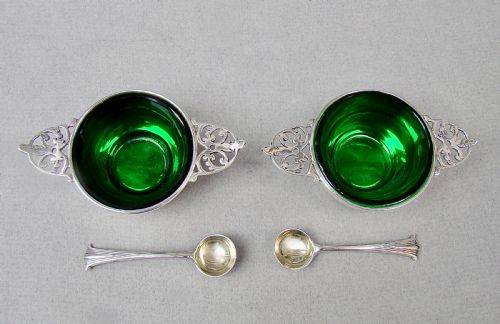
Some salts double as novelty quaihs and miniature boats, proving Georgian diners enjoyed whimsy with their seasoning.
What varies in quality
Quality rests in the crispness of the chasing, the weight of the metal, and the harmony of the design. Master silversmiths achieved sharper casting details and more balanced proportions in their pedestal dishes and salt boats.
The survival of original components, such as blue glass liners and matched pairs, elevates a piece. Maker attribution to notable workshops adds a distinct layer of distinction to the craftsmanship.
Rebecca Emes & Edward Barnard I·Josiah Williams & Co·David Hennell·John Edmonstone·William Bateman·Paul Storr·Edward Farrell·Edward Wood·Viners
The Georgian Silver Cellars Glossary
- Sterling silver
- A standard alloy consisting of silver and other metals to increase durability. This material forms the primary body of the salt cellars.
- Silver gilt
- Silver that has been coated with a thin layer of gold on the surface. This technique prevents the salt from tarnishing the interior metal.
- Vermeil
- A high-quality form of gold-plated silver used on tableware. It provides the appearance of solid gold while utilising a silver base.
- Cobalt glass
- A deep blue glass used for the removable liners inside openwork salt cellars. It creates a striking contrast against the polished silver exterior.
- Trencher salt
- An early form of salt cellar placed directly on the dining table. These pieces typically feature low, heavy bases for stability.
Georgian Silver Cellars: Frequently Asked Questions
What are georgian silver cellars used for?
These vessels held salt and condiments on dining tables before individual shakers became common. Diners used small spoons or pinches to take salt from the open containers.
Today they serve decorative purposes or hold small items on dressing tables. Their historic function reflects formal dining customs of the 18th and 19th centuries.
How do I identify a Georgian salt cellar?
Examination of hallmarks stamped on the silver reveals the assay office, date letter, and maker's mark. Stylistic clues like rococo embossing or cauldron forms also point to the period.
Weight and construction methods help distinguish genuine period pieces from later revival items. Many examples bear specific assay marks from London or Edinburgh.
What is the blue glass inside for?
The cobalt glass acts as a removable liner that protects the sterling silver from the corrosive properties of salt. It allows the vessel to be cleaned easily without damaging the metal.
Finding a salt cellar with its original blue glass liner adds authenticity to the piece. These liners fit snugly within pierced wirework or solid silver bodies.
How do I care for silver salt cellars?
Regular gentle cleaning with a soft cloth removes tarnishing without wearing away the chasing or hallmarks. Keeping silver away from moisture prevents corrosion of the metal and any gilt interiors.
Salt must be emptied after use to protect both the silver and the glass liners. Proper storage in a dry environment preserves the finish of the metal.