



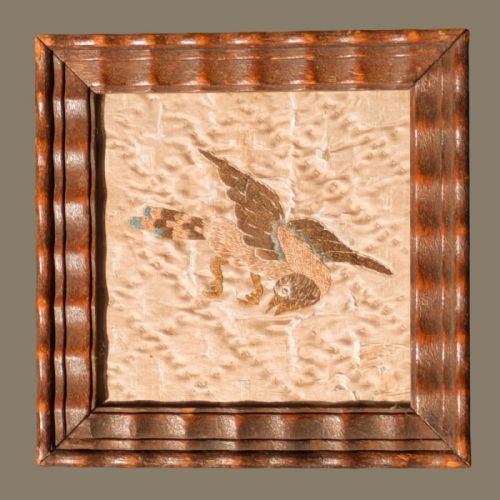
Georgian Silk Needlework Panel
A georgian silk needlework panel is a historic embroidered textile framed for display, bringing domestic artistry and pastoral or religious scenes into a room.
Georgian Silk Needlework Panel
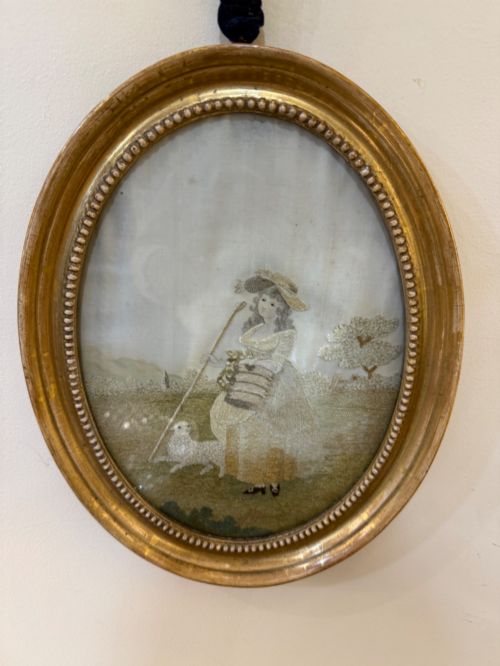
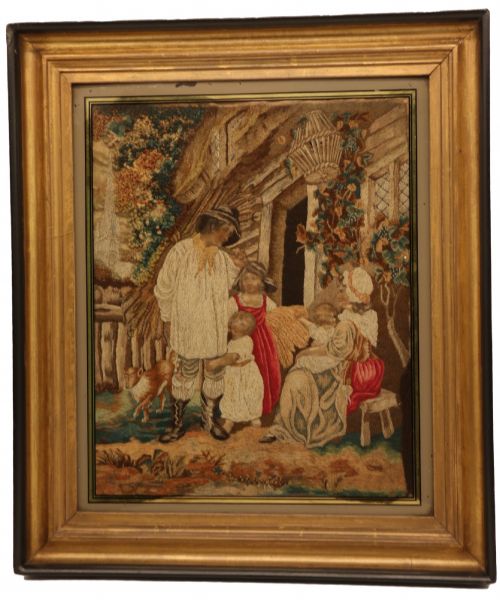
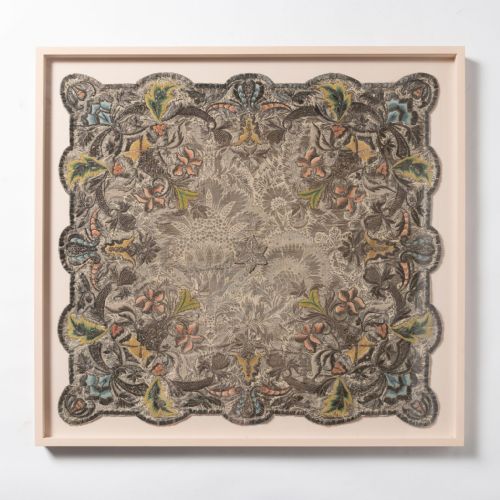
A georgian silk needlework panel is typically found as a framed textile art piece, needlework picture, or sampler created during the Georgian and nineteenth-century periods. These works capture domestic skill through embroidered depictions of pastoral farming scenes, religious subjects, birds, and instructional samplers.
The versions most frequently met on this page range from eighteenth-century works under simple wood frames to early nineteenth-century embroidered pictures and samplers bearing the names and ages of young makers. Many incorporate hand-painted silk details alongside silk floss and wool threads.
Originating predominantly from English workshops and domestic settings, these panels survive in various formats including octagonal giltwood frames, oval water-gilded frames, and wall art displays. They reflect the educational attainments and artistic patience of women and children from past centuries.
What varies in quality
The visual strength of a panel depends heavily on the fineness of the stitchwork and the preservation of the silk and wool threads against fading and fraying. Superior examples maintain vibrant coloration in the silk floss and crisp definition in pictorial elements like pastoral figures or birds.
Framing contributes substantially to the overall character, with original giltwood, water-gilded, and octagonal wood frames elevating the presentation far beyond later or replacement surrounds. The inclusion of documented makers, dates, and ages on samplers adds archival depth to individual pieces.
Materials recorded across the inventory include silk, silk thread, glass, wood, linen, wool, giltwood, and gold leaf.
Mary Greening·Louiss Elkins·Elizabeth Horn·Sarah Baker·Mary Mason·Martha Hall·Mary Street Didsbury·Susan Mary Williams·Sarah Reading
The Georgian Silk Needlework Panel Glossary
- Sampler
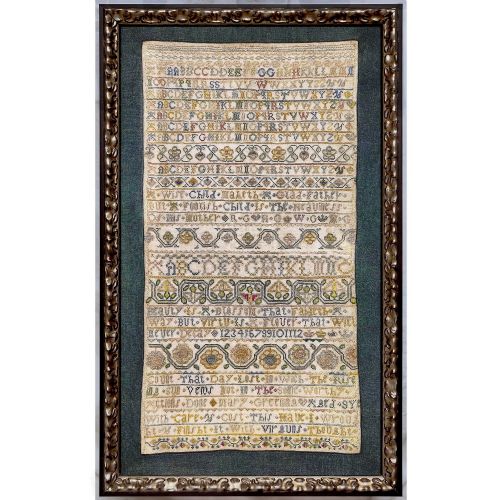
- A piece of needlework produced as a demonstration or test of skill in various stitches and patterns. These often include alphabets, numbers, and the maker's name alongside a date.
- Silk floss
- An untwisted or loosely twisted silk yarn used to achieve a smooth, glossy surface in embroidery. It allows for subtle shading in pictorial needlework panels.
- Giltwood
- Wood that has been coated with a thin layer of gold leaf or gilt. This material is frequently found on the frames housing finer eighteenth and nineteenth-century textile art.
- Crewel work
- Embroidery executed using fine wool yarn on a linen or cotton ground. This technique creates textured designs often seen in early nineteenth-century floral and animal subjects.
- Band sampler
- An early form of sampler featuring horizontal bands of diverse patterned stitches arranged in rows. They date primarily from the seventeenth and eighteenth centuries.
Georgian Silk Needlework Panel: Frequently Asked Questions
How were needlework panels displayed?
These textiles were typically mounted behind glass within wooden or giltwood frames to protect the delicate silk and wool threads from dust and handling.
Owners hung them on domestic walls as decorative art or incorporated them into functional items such as pole or fire screens.
What subjects do these panels show?
Common subjects include pastoral farming landscapes, religious scenes, birds, and traditional lettering or numerals found on samplers.
Narrative scenes from stories such as Jack and the Beanstalk also appear, reflecting the literary and moral education of the period.
How do you date a needlework panel?
Many samplers and pictorial pieces include embroidered dates, signatures, and the age of the maker, providing a direct record of their creation.
Stylistic indicators, framing materials, and accompanying handwritten labels help establish the period when explicit dates are absent.
What is the difference between a sampler and a picture?
A sampler primarily displays rows of alphabets, numbers, and decorative stitch variations intended to demonstrate needlework proficiency.
A needlework picture focuses on a singular pictorial composition, such as a landscape, biblical narrative, or rural scene.