



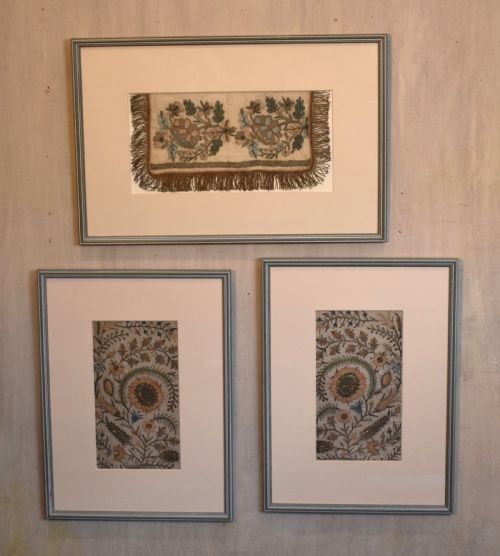


Georgian Silk Artwork
Georgian silk artwork brings historic needlework and printed textiles into modern rooms, offering collectors genuine touches of eighteenth and nineteenth-century domestic artistry.
Georgian Silk Artwork
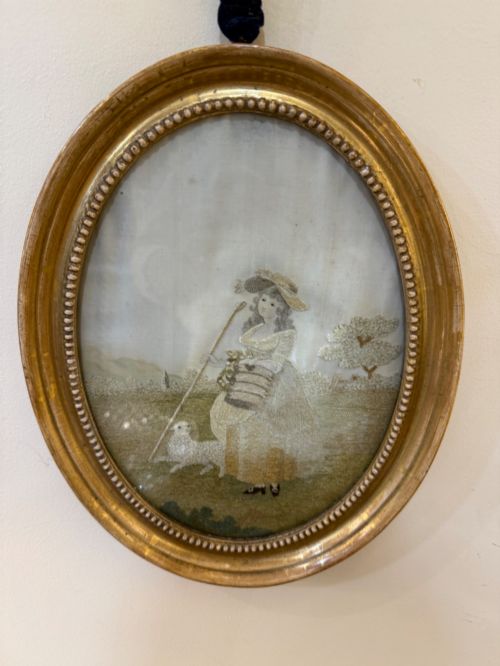
When searching for georgian silk artwork, collectors encounter a diverse selection of needlework pictures, embroidered pastoral scenes, and printed textiles framed for display. These pieces capture historical domestic craft, ranging from religious needlework panels to detailed depictions of figures and landscapes.
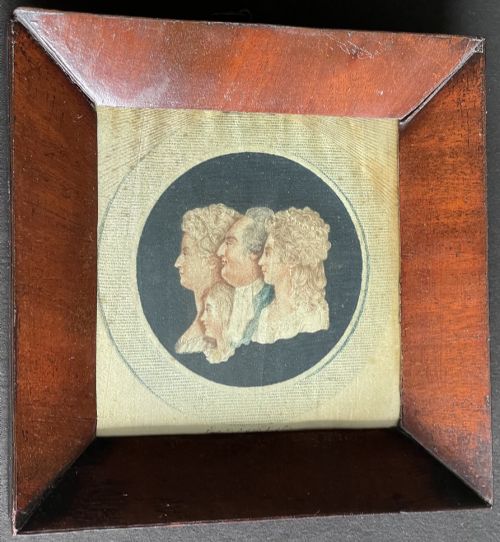
The objects appearing in this category span the eighteenth and nineteenth centuries, including George III and Regency periods. Buyers frequently find framed textile art featuring wool and silk threads, alongside stipple engravings printed directly onto silk fabric.
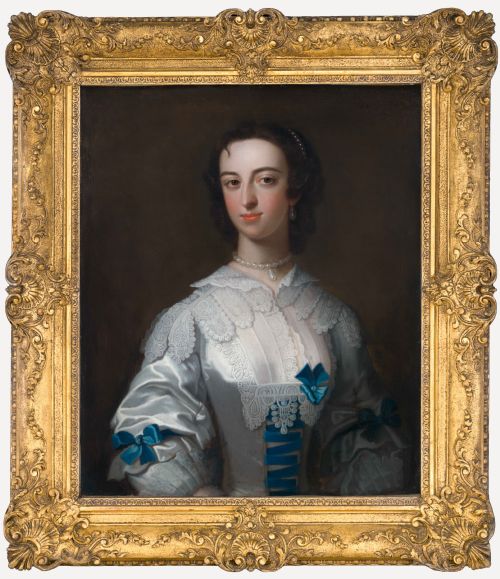
Portraiture and figurative subjects dominate the selection, often portraying elegant ladies or family members in period dress. Alongside these pictorial works, map samplers and theatrical silkwork pictures represent the varied output of the era's textile creators.
Materials and construction
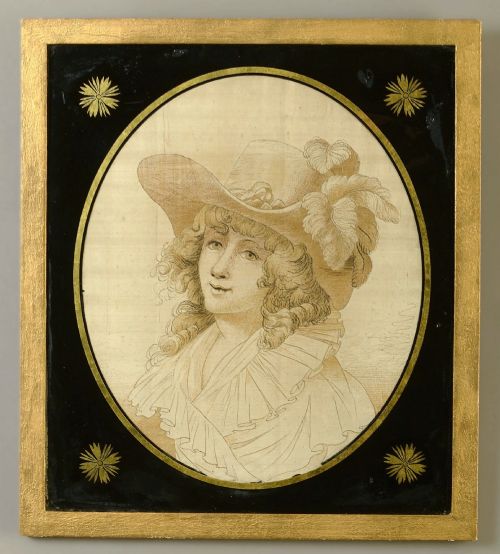
Maker construction relies heavily on fine silk threads stitched onto backing fabrics, often combined with wool work and crewel embroidery. Finished panels are secured within period surrounds such as giltwood frames or specialist verre églomisé glass settings.
Printing techniques also appear alongside hand-stitching, utilising stipple engravings transferred onto silk surfaces. Gilded wood and glass protection preserve these delicate organic materials from atmospheric degradation over the centuries.
Georgian Silk Artwork Retail Price Guide 2026
Typical asking prices for georgian silk artwork among the pieces listed under this phrase on Sellingantiques today, from the lower quarter to the upper quarter. They describe what is for sale here now, not the wider market.
Listings feature periods spanning from the eighteenth century through to the nineteenth century, including Georgian and Regency styles.
Distinguishing quality across examples
Quality in these textiles rests upon the precision of the needlework and the complexity of the stitched pictorial composition. Elaborate pastoral farming pictures or detailed portraiture demand higher technical skill than simpler samplers or standard prints.
The preservation of the silk fibres and the originality of the frame substantially influence the standing of each piece. Retaining vibrant thread colours and contemporary giltwood or verre églomisé surrounds elevates the overall character of the artwork.
Thomas Murray·Hans Hysing·Bartholomeus Van Burgindis
The Georgian Silk Artwork Glossary
- Verre églomisé
- A method of applying gold or silver leaf to glass alongside painted decoration, frequently used for historic picture borders. This technique creates a reflective, dark border that frames the central textile.
- Needlework picture
- A decorative textile panel created using various embroidery stitches to form a pictorial scene rather than a functional sampler. These works often depict figures, landscapes, or religious themes.
- Map sampler
- An educational embroidery piece featuring geographical layouts stitched by hand. These works combined cartographic knowledge with needlework skill during the Georgian period.
- Long stitch
- An embroidery technique employing parallel or staggered stitches of varying lengths to fill pictorial areas efficiently. It appears frequently on Regency era silk pictures for smooth clothing and background textures.
Georgian Silk Artwork: Frequently Asked Questions
How should I hang silk artwork safely?
Keep textile pieces away from direct sunlight to prevent the silk threads and painted details from fading over time. Maintain stable room temperatures to protect the delicate organic materials.
Ensure the frame is securely hung using appropriate wall fixings rather than relying on old string or wire. Professional framing with conservation glass provides additional protection against dust and moisture.
Are these pieces hand stitched?
Many items feature intricate hand embroidery using silk and wool threads to build detailed pictorial scenes. Needlework pictures and crewel work represent traditional manual craft.
Other examples consist of printed engravings on silk rather than needlework. Checking the listing details clarifies whether a piece is embroidered or printed.
What frames typically accompany these artworks?
Period pieces frequently retain original or contemporary surrounds such as octagonal giltwood frames. These enhance the historic character of the textile.
Some examples feature decorative verre églomisé glass borders characteristic of the Regency era. These specialised glass mounts set off the central fabric panel.
How do I identify a Regency piece?
Regency items often display specific stylistic traits such as long stitch techniques or oval woolwork formats. Subject matter typically reflects early nineteenth-century aesthetics.
Framing styles also offer clues, with certain glass treatments and mouldings pointing specifically to the Regency decades. Comparing construction methods helps separate these from earlier eighteenth-century works.