


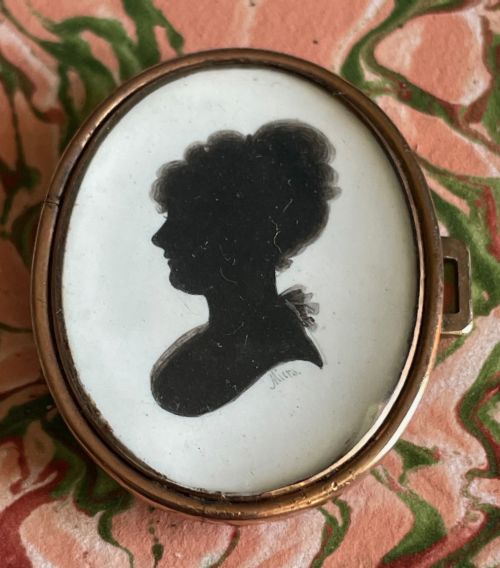
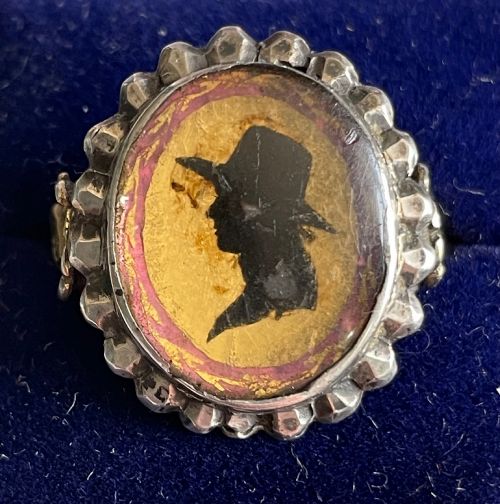
Georgian Silhouette Miniature
A georgian silhouette miniature captures a likeness in profile with economy, offering an intimate glimpse into the past through delicate ink, cut paper and glass.
Georgian Silhouette Miniature
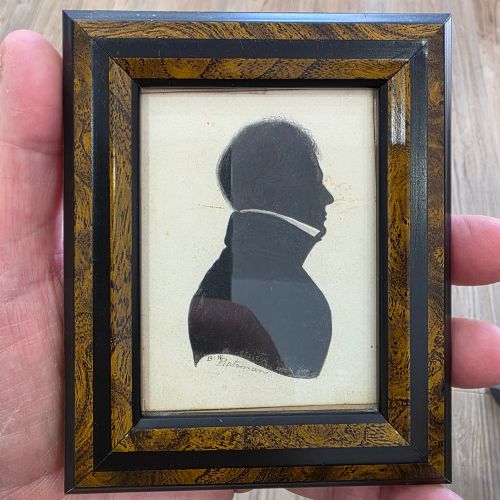
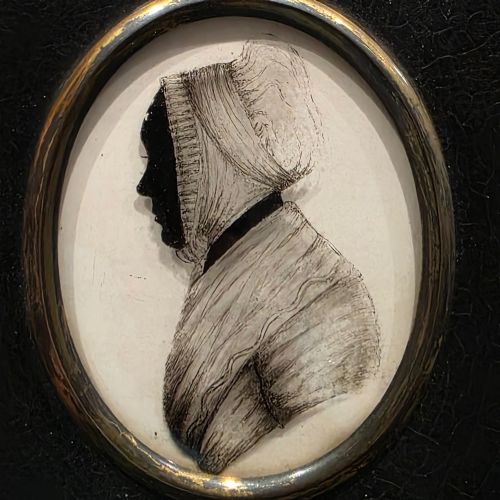
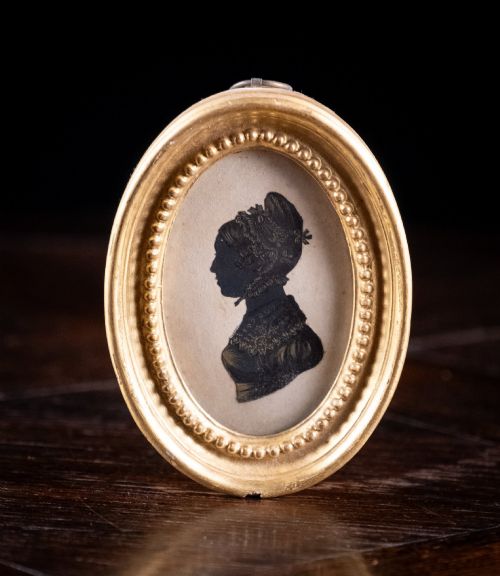
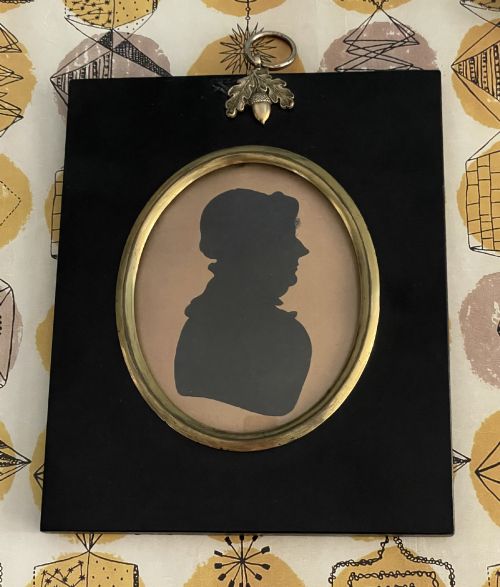
A georgian silhouette miniature represents a person through a dark profile likeness, created as a portable portrait before photography existed. These small works span the eighteenth and nineteenth centuries, taking the form of framed wall art, jewellery pieces, rings and pendants.
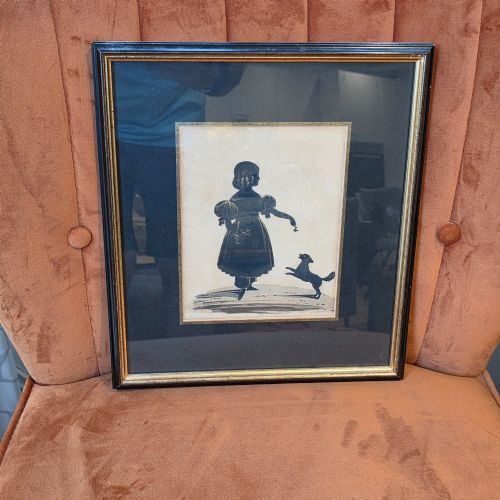
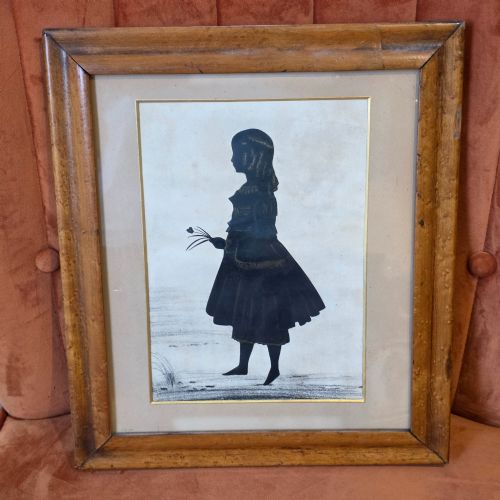
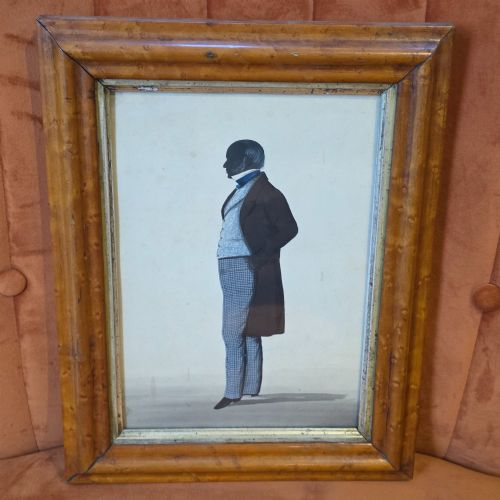
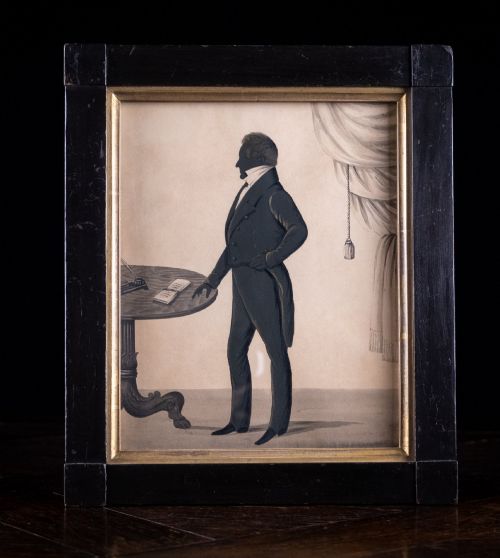
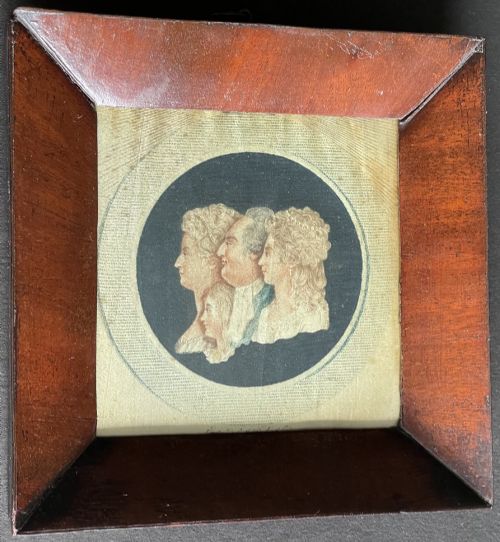
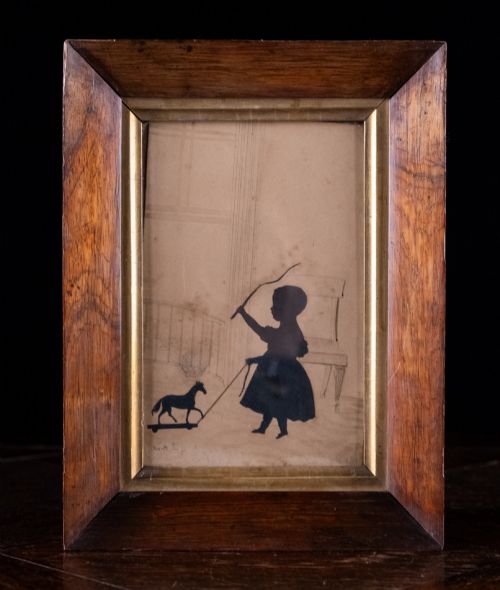
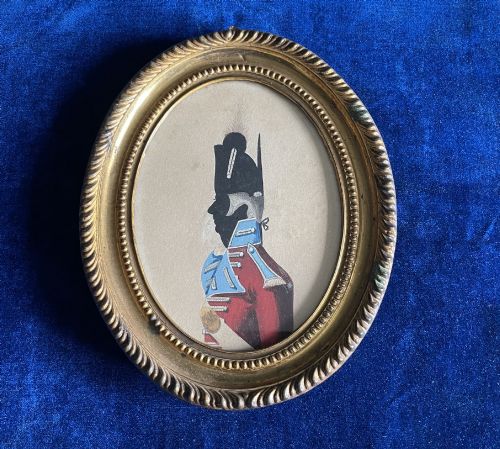
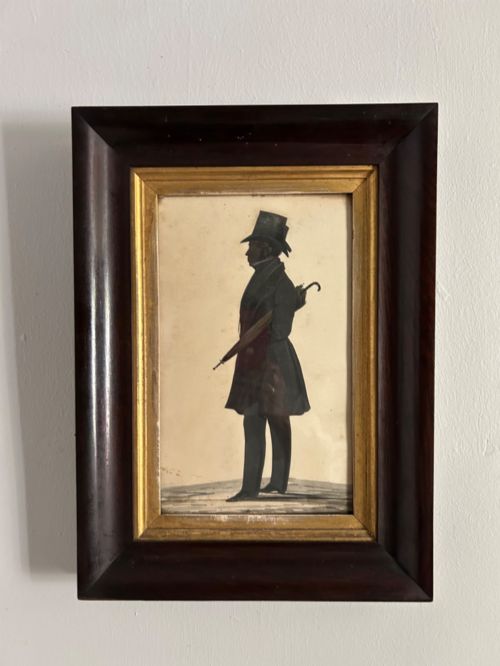
The pieces on this page appear predominantly from the Georgian, Regency and nineteenth-century periods, capturing subjects ranging from gentlemen and ladies to children and animals. Many examples present full-length or bust profiles housed in ebonised wood, rosewood or brass frames.
Makers and studios employed distinct methods, producing cut paper, painted ink or reverse-painted glass versions. Collectors encounter both simple profile outlines and elaborate gilded works enhanced with watercolour or bronze highlights.
Defining quality in profile portraits
Material preservation and framing integrity elevate certain works above others, particularly when original convex glass, signed artist labels or precious metal mountings remain intact. Provenance and identifiable signatures from established profileists distinguish superior examples from anonymous output.
Georgian Silhouette Miniature Retail Price Guide 2026
Typical asking prices for georgian silhouette miniature among the pieces listed under this phrase on Sellingantiques today, from the lower quarter to the upper quarter. They describe what is for sale here now, not the wider market.
Listings feature paper, glass, brass, wood and gold leaf across eighteenth and nineteenth-century items.
Bateman·William James Hubard·Frith·Augustin Edouart·John Miers·Elizabeth Hudson·Thomas London·J. Deacon·George Atkinson·John Smith of Edinburgh
The Georgian Silhouette Miniature Glossary
- Verre églomisé
- A technique of cold painting and gilding on the reverse side of glass. This method creates a glossy, protected finish popular in eighteenth and nineteenth-century portraiture.
- Silhouette
- A portrait rendered as a solid dark shape, usually a profile. The form relies entirely on outline and contour rather than internal facial modelling.
- Portrait miniature
- A small-scale painting or likeness designed for personal portability. These works were frequently worn as jewellery or kept in small travel cases.
- Ebonised wood
- Timber treated to resemble ebony, providing a dark, uniform contrast. It served as a popular framing material for highlighting pale skin tones in profiles.
Georgian Silhouette Miniature: Frequently Asked Questions
What is a silhouette miniature?
A silhouette miniature is a small profile portrait capturing a person's likeness in solid black or dark tones against a lighter background. These works concentrate entirely on the facial outline and characteristic posture.
Artists produced them using cut paper, painted ink or glass techniques, housing them in compact frames or wearable jewellery mounts.
How were these miniatures displayed?
Owners displayed these portraits in domestic settings using small wall frames made of ebonised wood or rosewood. Many pieces were also designed for personal wear as rings, brooches and pendants.
This portability allowed sitters to keep likenesses of family members close during travel or daily life.
How do I date a silhouette?
Dating relies on costume details, hair styling, headwear such as turban caps, and the framing materials used by the maker. Sitters' clothing reflects specific fashion periods from the eighteenth century through the Regency era.
Backing materials like plaster, card and the style of handwritten signatures on the reverse also help establish the date.
Are silhouettes signed by artists?
Some pieces feature artist signatures, studio trade labels or inscriptions on the reverse paper or frame. Prominent profileists often marked their work to authenticate their studio output.
Many surviving examples remain unsigned, requiring attribution based on technique, material and historical context.