

Georgian Serving Flatware
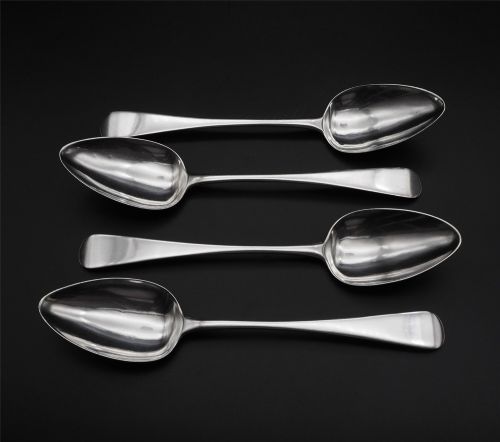
Georgian serving flatware brings sterling silver, gilt, and pewter spoons, ladles, and slices to the table.
Georgian Serving Flatware
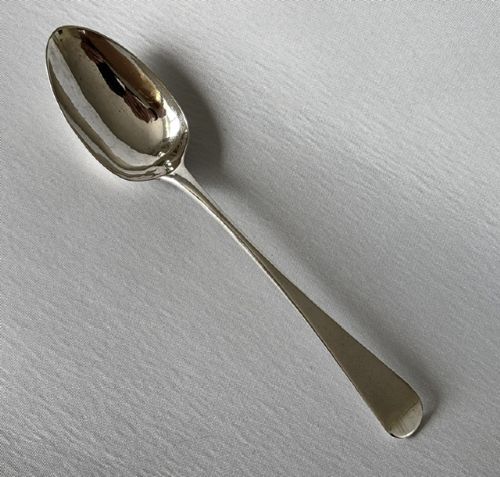
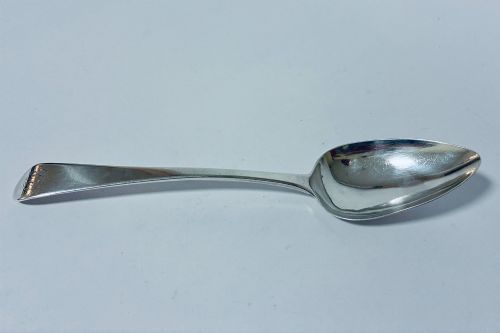
When you search for georgian serving flatware, you encounter large utilitarian implements designed for presentation at the dining table. These pieces span the eighteenth and nineteenth centuries, including major reigns from George I through William IV alongside occasional later productions.
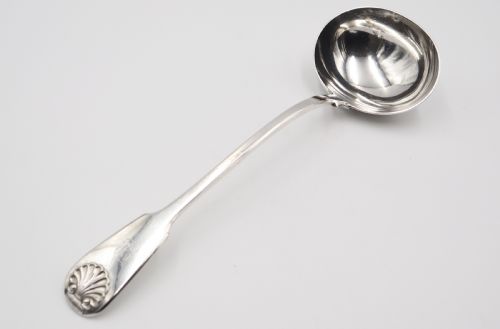
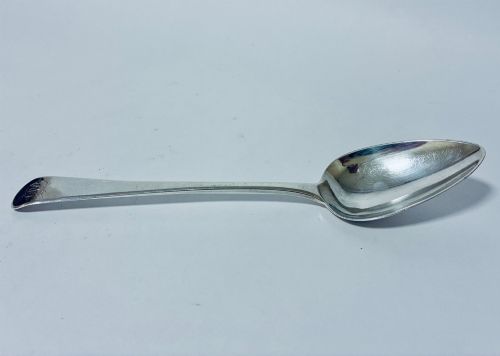
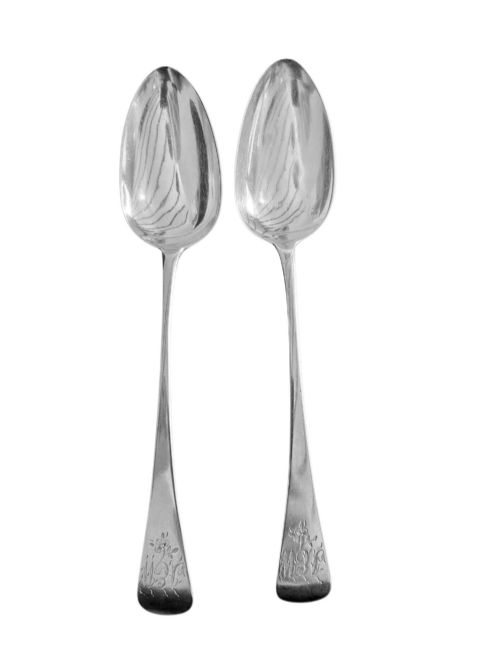
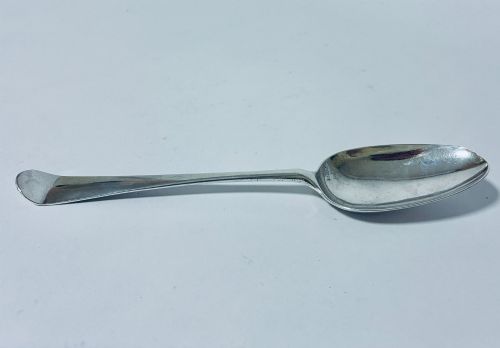
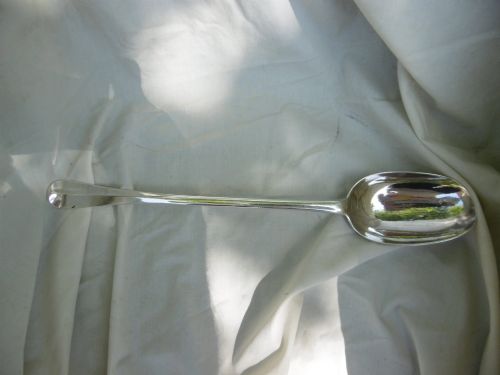
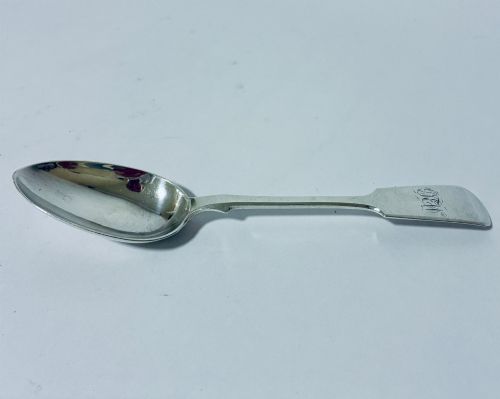
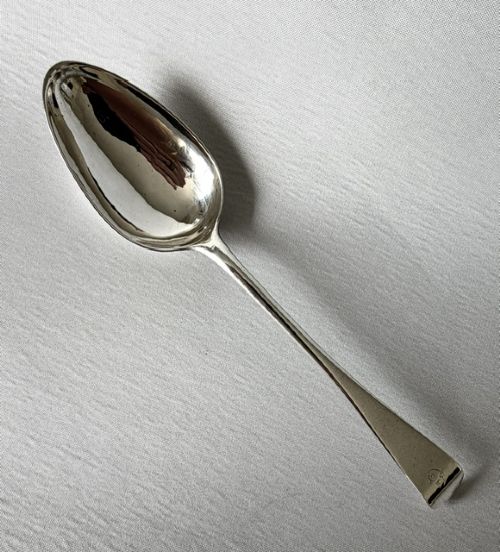
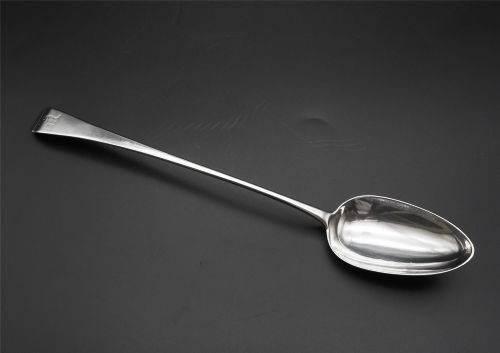
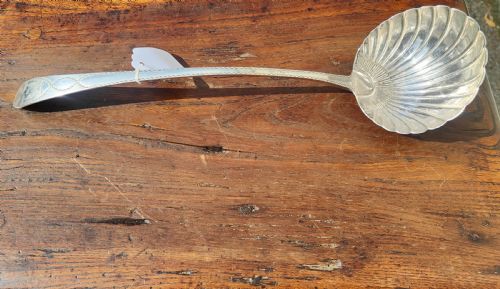
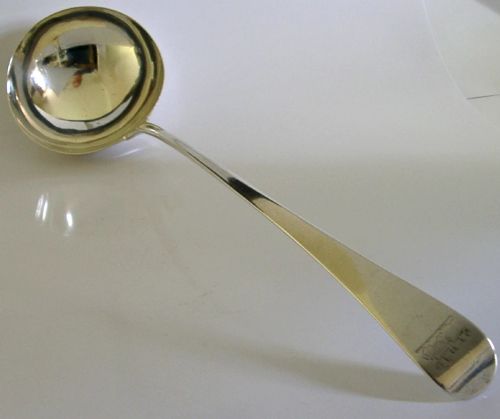
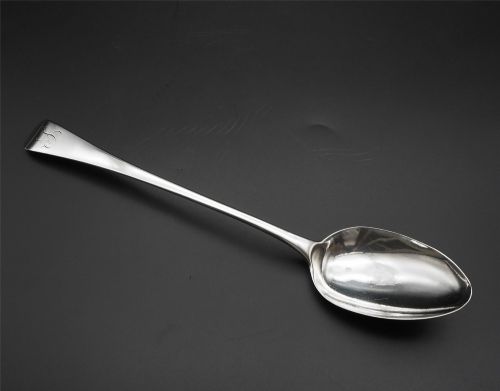
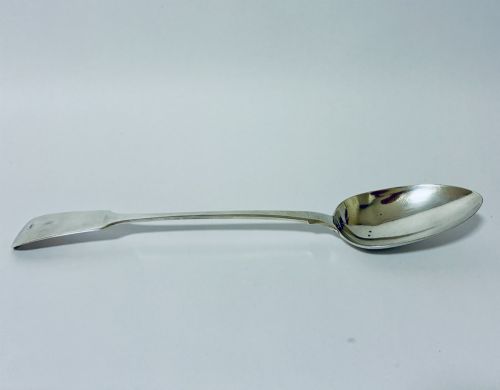
The objects take forms such as serving spoons, basting spoons, hash spoons, soup ladles, marrow scoops, fish slices, and sugar tongs. Sterling silver dominates the selection, accompanied by examples in pewter and silver gilt.
London workshops supplied the majority of these utensils, though regional centres such as Exeter, Newcastle, and Dublin are represented. Buyers meet both single items and matched pairs or sets preserved in fitted boxes.
How they were made
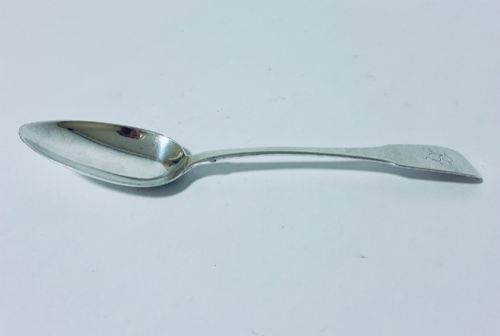
Silversmiths hammered and shaped sterling silver and Britannia standard metal into sturdy shafts and broad bowls, applying hallmarks to record the year, city, and maker. Many pieces utilise the Old English pattern or feature engraved family crests.
Specialised items like berry spoons received later Victorian embellishments, where fruit motifs were chased onto the bowls and stems. Pewter examples from the early eighteenth century relied on casting and simple shaping techniques for domestic dining.
Georgian Serving Flatware Retail Price Guide 2026
Typical asking prices for georgian serving flatware among the pieces listed under this phrase on Sellingantiques today, from the lower quarter to the upper quarter. They describe what is for sale here now, not the wider market.
Listings feature sterling silver, pewter, and gold gilt across reigns from George I to George V.
What varies in quality
The thickness of the metal distinguishes standard domestic pieces from heavy exhibition spoons intended for grand households. Substantial gauge silver maintains its weight and structural integrity along the stem and bowl.
Crispness of the hallmarks and clarity of engraved crests indicate the skill of the original workshop and the preservation of the surface over centuries of use.
John Lambe·Peter and Jonathan Bateman·Hester Bateman·Jonathan Hayne·Peter and Anne Bateman·William Chawner II·William Scarlett·James Tookey·John Locker·John Wilks·Andrew Archer
The Georgian Serving Flatware Glossary
- Basting spoon
- A large spoon designed for pouring juices over meat during roasting. These items often measure over thirty centimetres in length.
- Hash spoon
- An exceptionally large serving implement used for deep dishes of meat and vegetables. They date primarily to the early eighteenth century.
- Britannia standard
- A higher purity of silver alloy introduced by statute in England during the reign of Queen Anne. It contains more pure silver than sterling.
- Berry spoon
- A serving spoon embossed and chased with fruit and foliage, frequently adapted from earlier flatware during the nineteenth century.
- Marrow scoop
- A narrow utensil with a trough at each end for extracting marrow from bones. Examples appear alongside larger serving spoons in dining collections.
Georgian Serving Flatware: Frequently Asked Questions
What is a basting spoon used for?
Basting spoons served to scoop and pour pan juices over joints of meat while roasting in the kitchen or at the hearth.
Their generous length kept hands away from heat, and they frequently doubled as large serving implements at the dining table.
How do I identify a Georgian ladle?
Georgian ladles feature deep, rounded bowls attached to long, sturdy stems designed for serving soups, gravies, or punch.
They often bear clear sterling silver hallmarks near the terminal or on the reverse of the handle indicating the assay office and year.
What are berry spoons?
Berry spoons are serving spoons decorated with embossed fruit motifs and intricate leaf chasing upon the bowl and handle.
While many date to the Georgian period, the decorative fruit work was frequently applied later in the nineteenth century to older plain spoons.
Can I use these silver items daily?
These utensils were built for practical dining and handle everyday use well if washed by hand in mild soap.
Avoid abrasive cleaners and dishwashers to preserve the historic hallmarks and the delicate surface patination.