
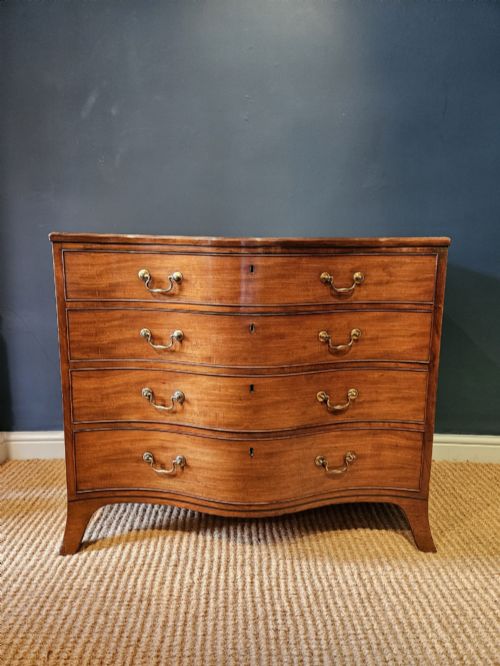
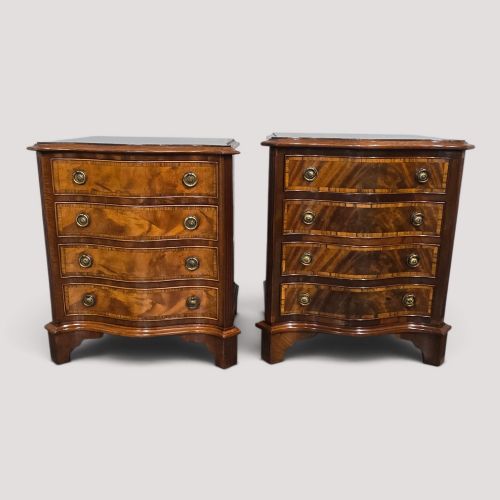
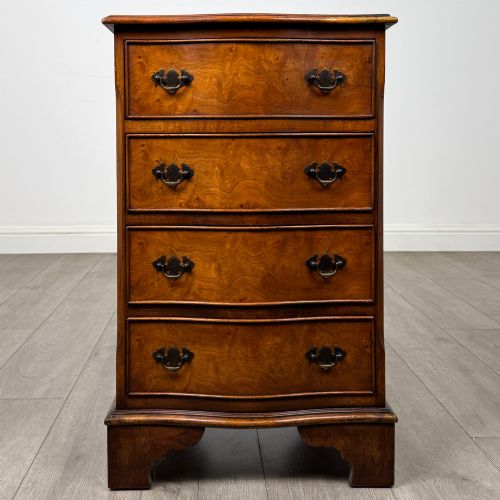
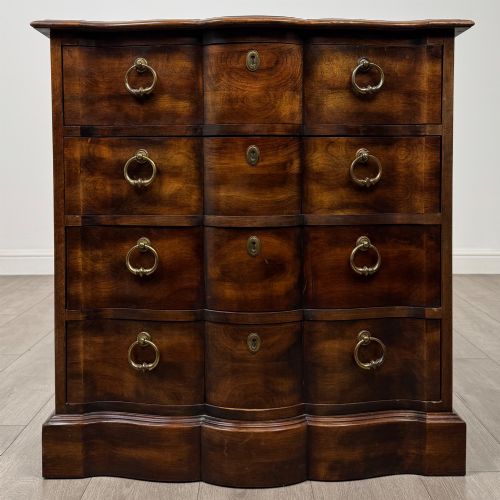
Georgian Serpentine Chest Drawers
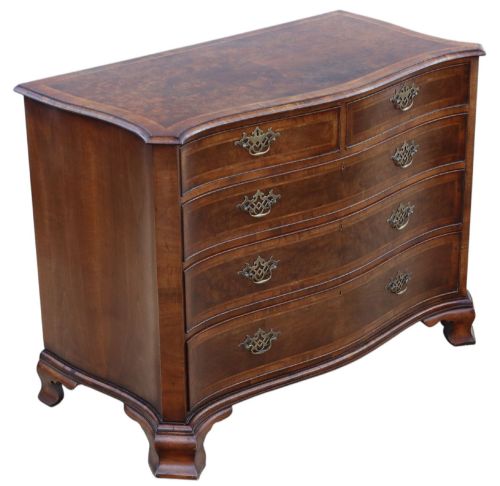
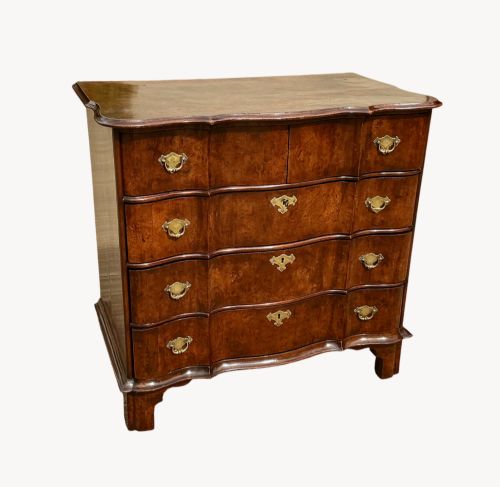
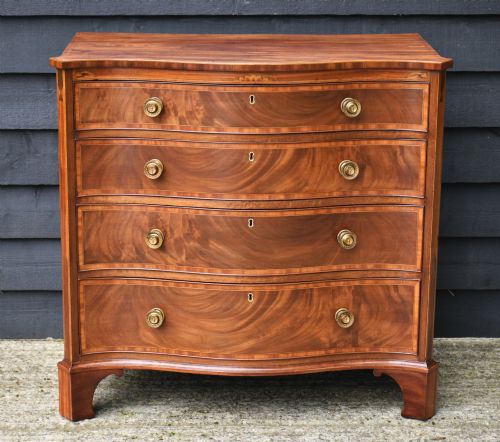
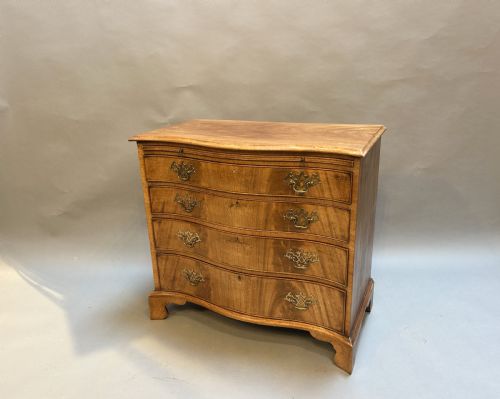
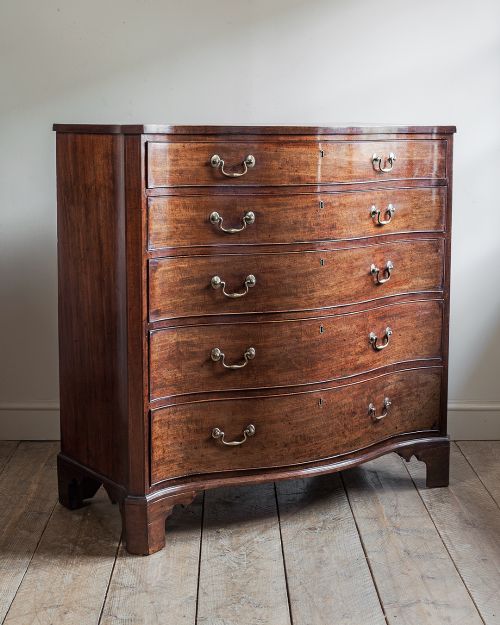
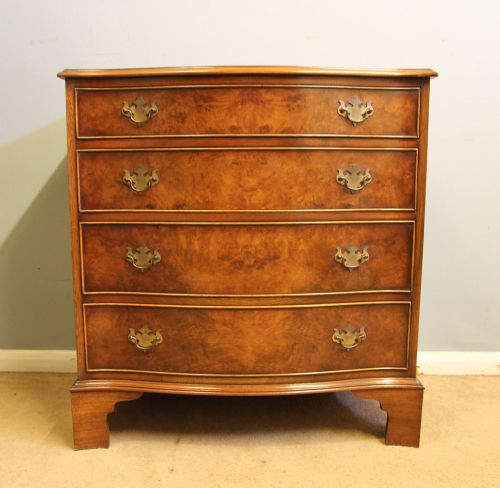
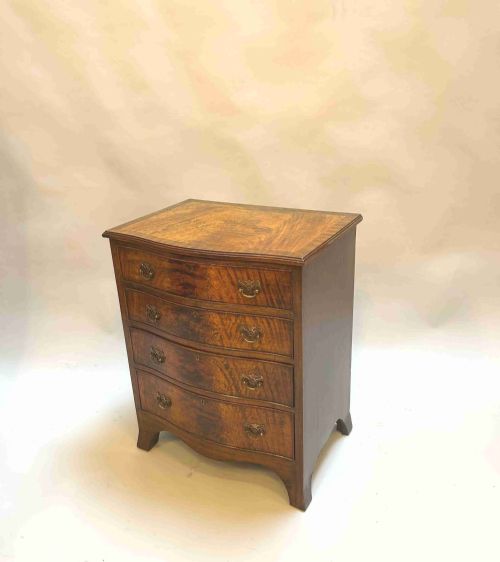
A georgian serpentine chest drawers brings sweeping elegance and generous storage to a room through its undulating front.
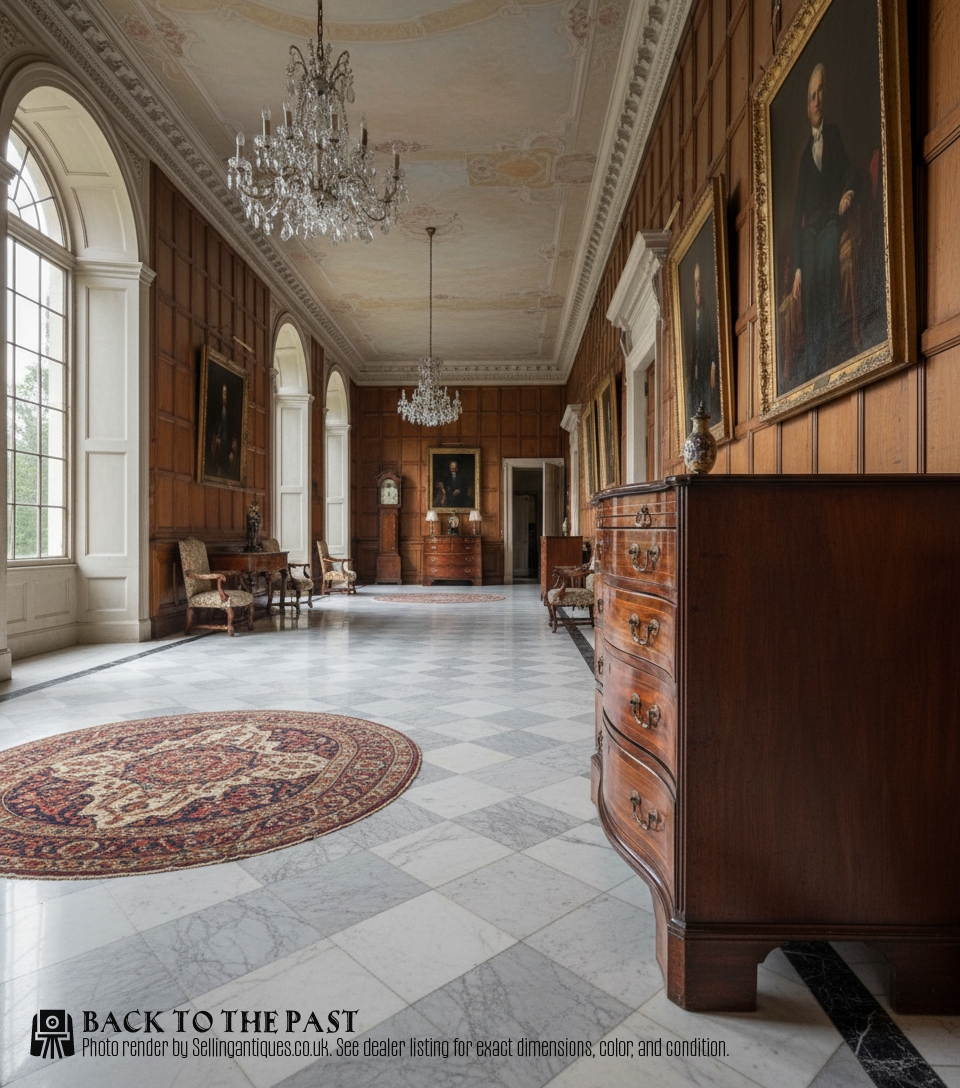
Georgian Serpentine Chest Drawers
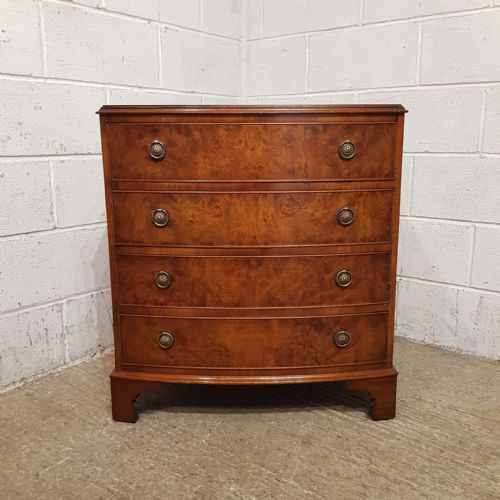
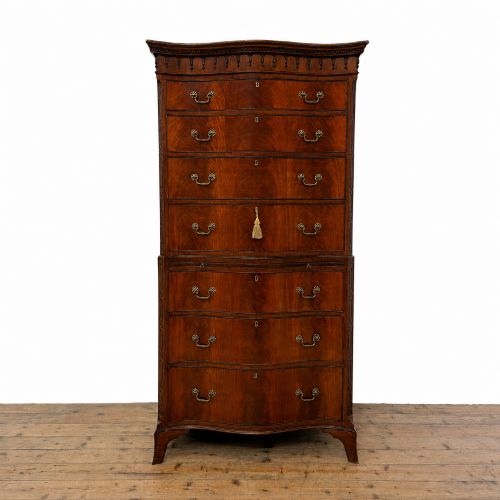
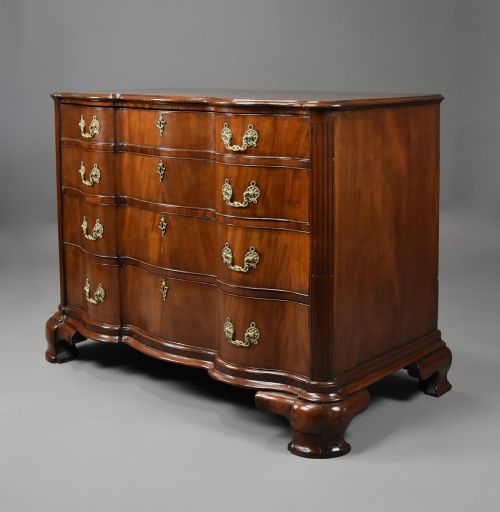
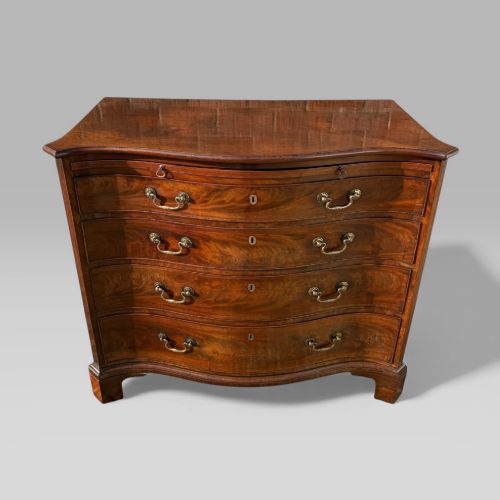
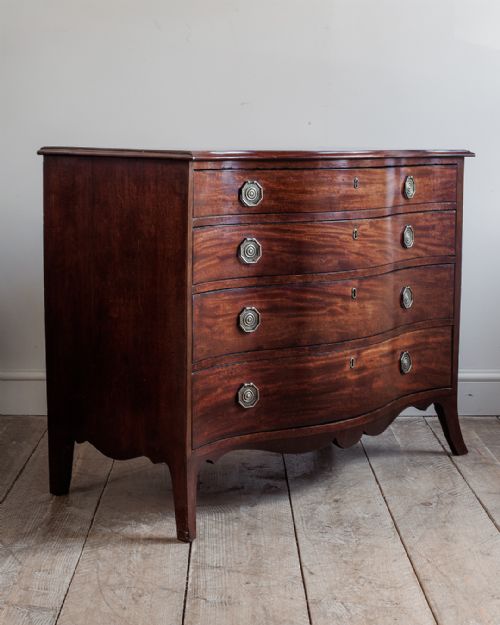
When searching for a georgian serpentine chest drawers, you are looking at substantial case furniture distinguished by a front profile that curves outward at the centre and inwards at the sides. These pieces range from authentic 18th-century originals originating in the Georgian period to later 20th-century revival interpretations.
The most common form you will meet on this page is the mahogany chest of drawers, often constructed with three or four graduating drawers. Alongside standard chests, the selection includes tallboys, bedside lamp chests, and commodes featuring the characteristic serpentine outline.
Origins span from English cabinet makers to Continental workshops, with revival examples produced through the Edwardian era and into the 1920s and 1930s. The enduring appeal lies in the combination of curved woodwork and practical drawer storage.
How they were made
Cabinet makers constructed these curved fronts primarily using solid mahogany, walnut, and burr walnut, frequently applied as wood veneer over secondary timbers. Figured grains, flame mahogany, and plum pudding mahogany were selected to create rich visual patterns across the undulating drawer fronts.
Decorative details included boxwood inlay, crossbanding, and brass handles, while higher specification pieces incorporated pull-out writing brush slides. The curved drawer frames required precise carpentry to ensure smooth operation within the serpentine shape.
Georgian Serpentine Chest Drawers Retail Price Guide 2026
Typical asking prices for georgian serpentine chest drawers among the pieces listed under this phrase on Sellingantiques today, from the lower quarter to the upper quarter. They describe what is for sale here now, not the wider market.
Listings feature pieces spanning from the 18th century through to the 1930s, utilising mahogany, burr walnut, oak, and satinwood.
What varies in quality
The distinction between ordinary and superior examples rests in the handling of the wood grain and the execution of the curved drawer fronts. Pieces with carefully matched burr walnut or figured mahogany veneers demonstrate a higher level of cabinet work than plain timbers.
The Georgian Serpentine Chest Drawers Glossary
- Serpentine
- A furniture front shaped with a central convex curve flanked by two concave curves. This undulating profile requires advanced carpentry skills to execute successfully.
- Brushing slide
- A pull-out shelf positioned above the top drawer used originally for writing or dusting. It slides flush into the cabinet frame when not in use.
- Crossbanding
- A strip of veneer applied around the border of a drawer front with the grain running perpendicular to the centre panel. It creates a neat framing effect.
- Commode
- A decorative set of drawers or a low cabinet, often associated with 18th-century Continental or English pieces of generous proportions.
- Tallboy
- A tall chest of drawers made in two stacked sections, often combining a chest of drawers with a cabinet or smaller upper drawers.
Georgian Serpentine Chest Drawers: Frequently Asked Questions
How do I identify an 18th century piece?
Authentic 18th-century pieces show construction methods typical of the Georgian era, such as hand-cut dovetails on the drawer linings and timber shrinkage consistent with age.
Examine the secondary woods inside the drawers, as period makers typically utilised oak or pine rather than modern laminates.
What is the difference between Georgian and revival pieces?
Georgian pieces were built during the 18th and early 19th centuries by period cabinet makers for contemporary domestic use.
Revival pieces were manufactured later, such as during the Edwardian period or the 1920s and 1930s, copying earlier aesthetic standards.
How should I care for burr walnut veneer?
Burr walnut veneer requires stable indoor humidity away from direct sunlight and heat sources to prevent the wood from drying out or splitting.
Apply traditional wax polish occasionally and buff gently with a soft cloth to maintain the lustre of the figured grain.
Where did the serpentine design originate?
The serpentine front gained popularity in British furniture design during the mid-to-late 18th century, influenced by Rococo and Chippendale styles.
Cabinet makers adopted the curved outline to add movement and luxury to formal case furniture intended for principal rooms.