


Georgian Secretary
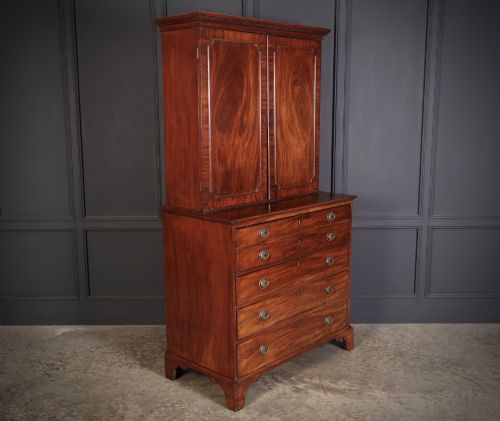
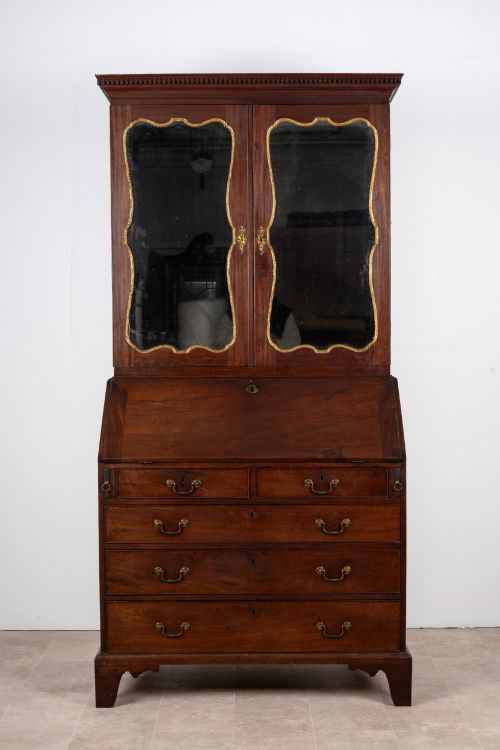
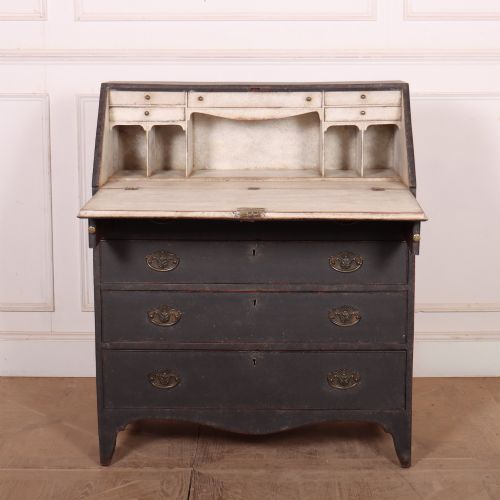
A georgian secretary brings together fine cabinetmaking and practical workspace, offering fitted drawers and a drop-front desk behind library doors.
Georgian Secretary
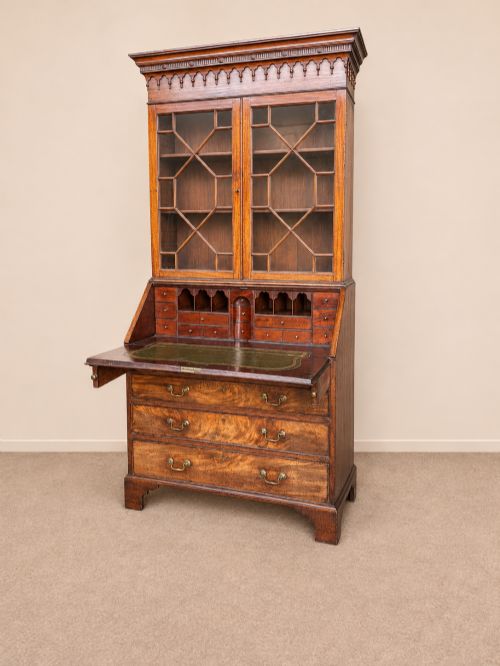
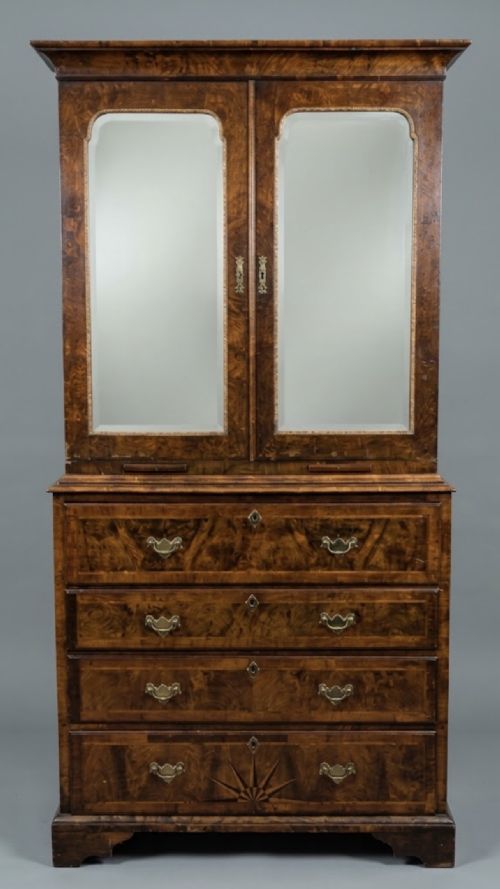
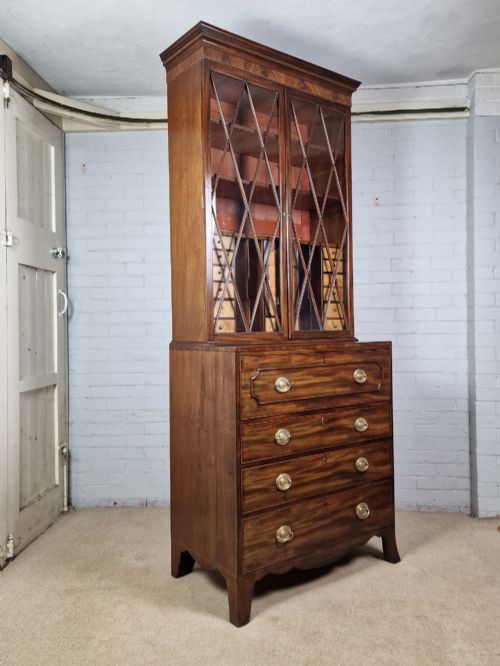
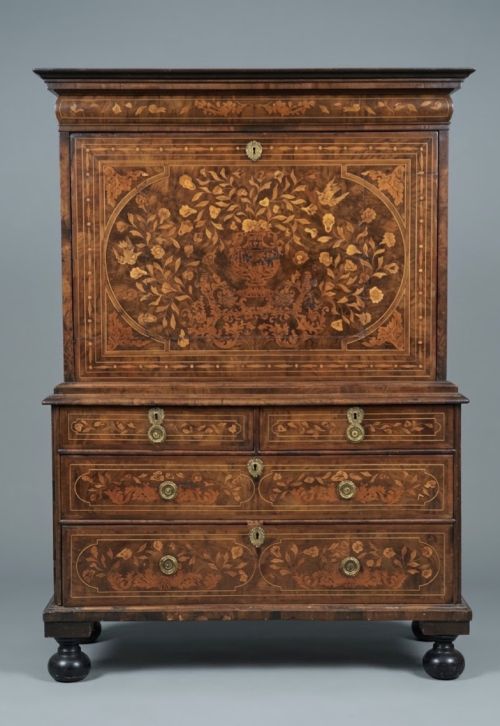
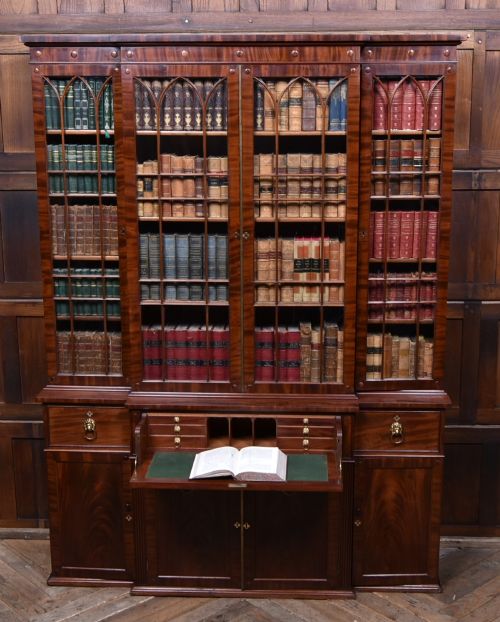
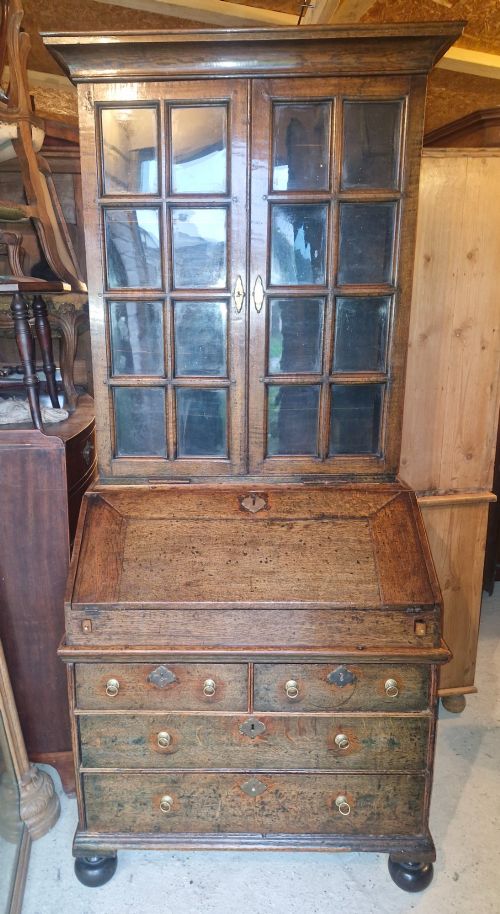
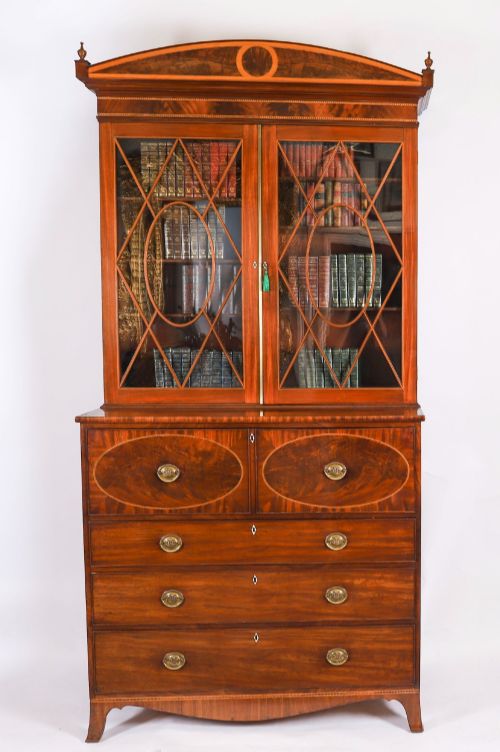
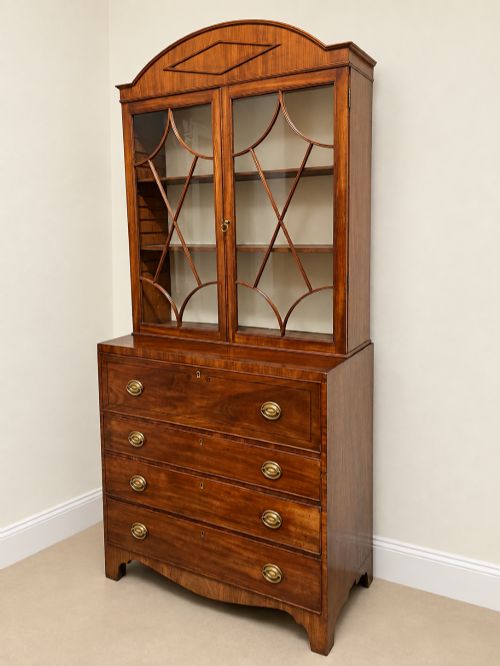
A georgian secretary generally takes the form of a bureau bookcase, combining a fall-front desk section with upper glazed shelving for books.
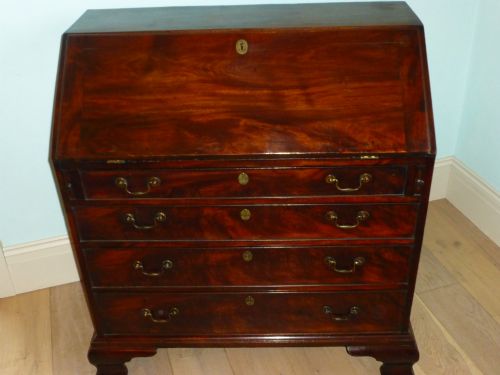
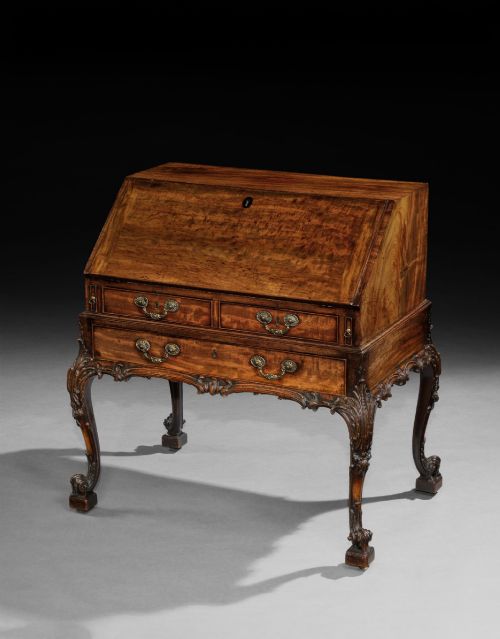
Buyers meet pieces spanning the eighteenth century and the regency period, executed in forms such as breakfront bookcases and compact fall-front bureaux.
The evidence shows origins stretching from early walnut examples under Queen Anne and George I through to later mahogany and satinwood pieces of the nineteenth century.
Materials and Construction
Cabinetmakers utilised primary timbers including figured mahogany, oak, and burr walnut, often enhanced with satinwood banding and ebony inlay.
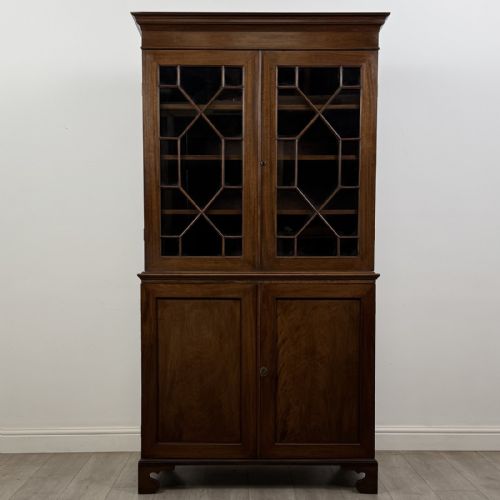
Upper display sections feature glazed doors with astragal bars, while interior compartments incorporate secret drawers and stepped writing wells.
Brass hardware and leather writing surfaces complete the construction of these fitted desks and bookcases.
Georgian Secretary Retail Price Guide 2026
Typical asking prices for georgian secretary among the pieces listed under this phrase on Sellingantiques today, from the lower quarter to the upper quarter. They describe what is for sale here now, not the wider market.
Listings demonstrate timber usage shifting from early walnut and oak to figured mahogany and satinwood across the eighteenth and nineteenth centuries.
Markers of Distinction
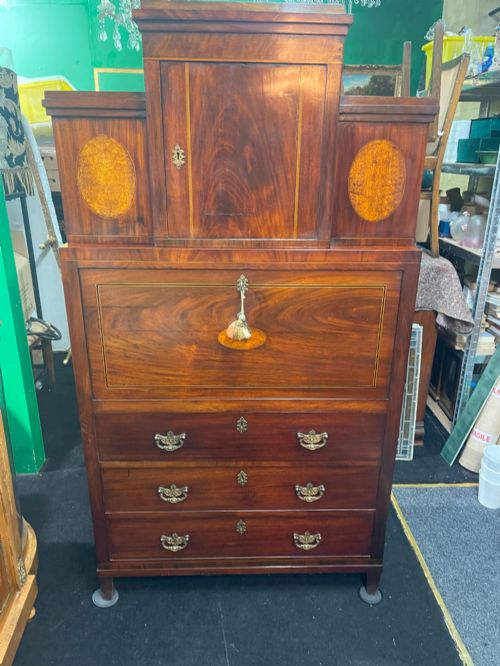
Quality rests upon the selection of timber figure, such as flame mahogany or featherbanded burr walnut, matched across the fall-front and drawer fronts.
The intricacy of the internal fittings, including secret compartments and stepped pigeonholes, separates standard pieces from exceptional examples.
Proportion and the crispness of inlaid detailing determine the visual weight and refinement of each cabinet.
Gillows
The Georgian Secretary Glossary
- Fall-front
- A hinged writing flap that pulls down to reveal a fitted interior of drawers and pigeonholes. When closed, it conceals the working surface of the bureau.
- Secretaire
- A desk or cabinet containing a pull-out drawer or drop-front flap configured for writing. It often forms the middle section of a tall bookcase.
- Astragal glazed
- Glass doors divided into smaller panes by wooden glazing bars. This framing method defines the upper library cabinets of the period.
- Featherbanding
- A decorative inlay technique using veneer strips arranged in a herringbone pattern around drawer perimeters. It provides a distinct border on walnut furniture.
- Breakfront
- A cabinet design where the central section projects forward from the flanking wings. This architectural arrangement adds depth to large bookcases.
Georgian Secretary: Frequently Asked Questions
What is the difference between a bureau and a secretary?
In British furniture terminology, a bureau typically designates a slant-front desk, while a secretary or secretaire often incorporates a dedicated writing drawer or drop-front within a larger bookcase cabinet.
Both forms served the same domestic purpose of storing correspondence and providing a private writing surface within the home.
How do I care for antique walnut and mahogany furniture?
Keep these pieces away from direct heat sources and strong sunlight to prevent the timber veneers from drying out and lifting over time.
Apply traditional beeswax periodically and buff gently with a soft cloth to maintain the natural sheen of the wood.
Where were these pieces used in a Georgian home?
A georgian secretary belonged in the library, parlour, or private study where gentlemen and ladies managed household accounts and correspondence.
The upper bookcase portion housed valued volumes, while the lower desk kept writing materials and documents secure.
How can I tell a George III piece from a Regency one?
George III pieces frequently display richer mahogany grain, understated bracket feet, and classical astragal glazing patterns on the upper bookcase doors.
Regency examples often introduce contrasting satinwood and ebony inlay, bolder brass fittings, and more varied architectural pediments.