




Georgian Scent Bottle
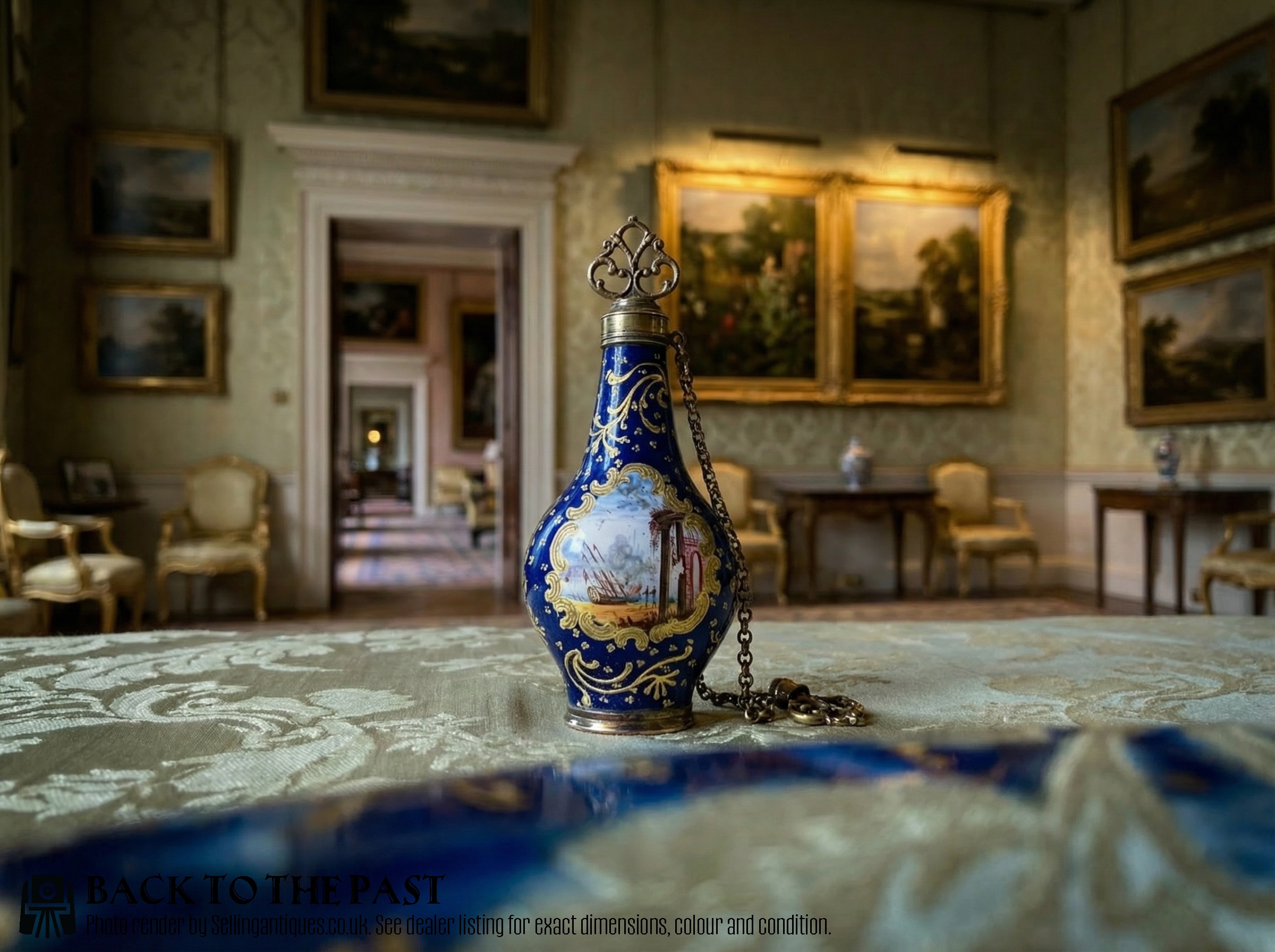
A georgian scent bottle brings tactile elegance to a room, offering miniature craftsmanship in silver, porcelain, enamel and glass.
Georgian Scent Bottle
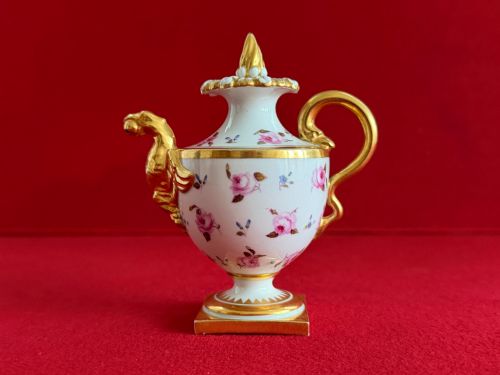
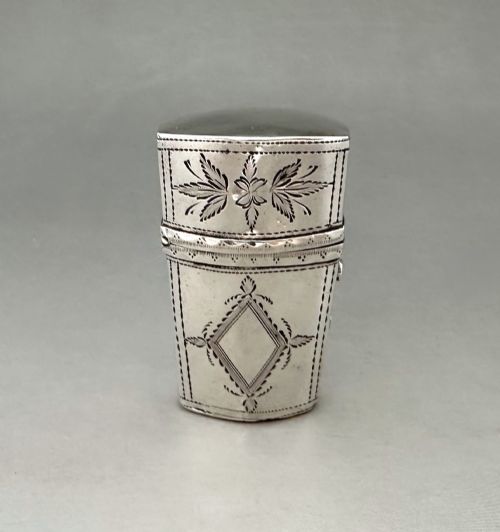
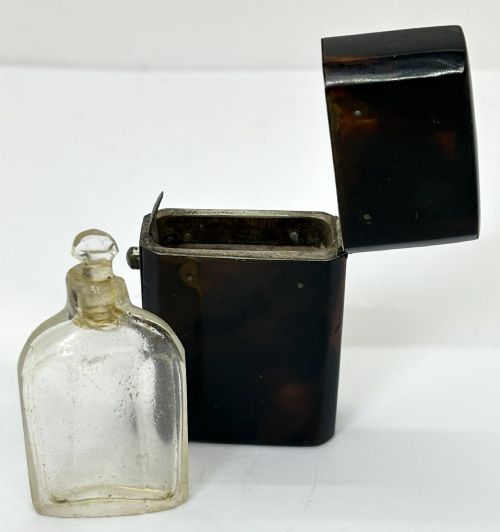
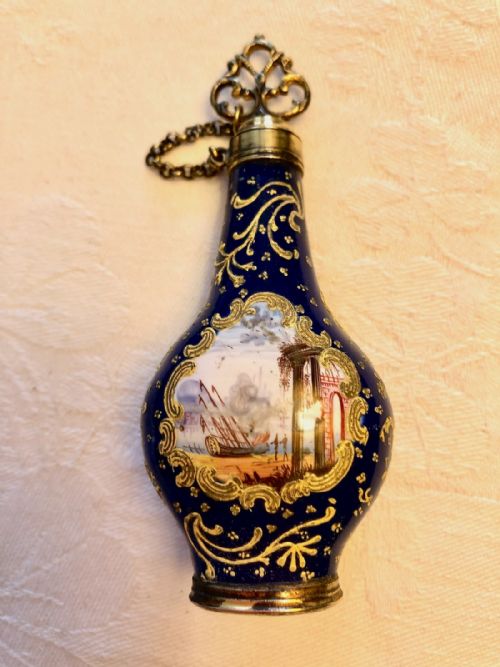
A georgian scent bottle encompasses small personal vessels and containers produced across the eighteenth and early nineteenth centuries. These pieces appear as standalone glass vials, silver-cased flasks, porcelain sprinklers, and fitted etui sets.
The objects on this page span the Georgian and Regency periods, stretching from mid-eighteenth century enamel work to early nineteenth century cut glass and porcelain. Buyers frequently encounter silver mounts paired with coloured glass or delicate tortoiseshell holders.
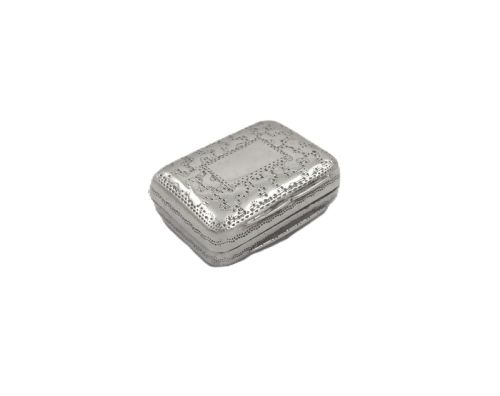
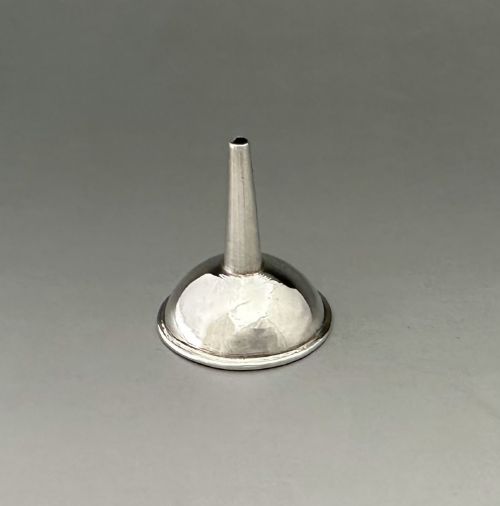
Alongside standard bottles, the evidence records related items such as perfume funnels, vinaigrettes, and rose water sprinklers. These diverse forms reflect the sophisticated personal grooming habits of the period.
Materials and construction
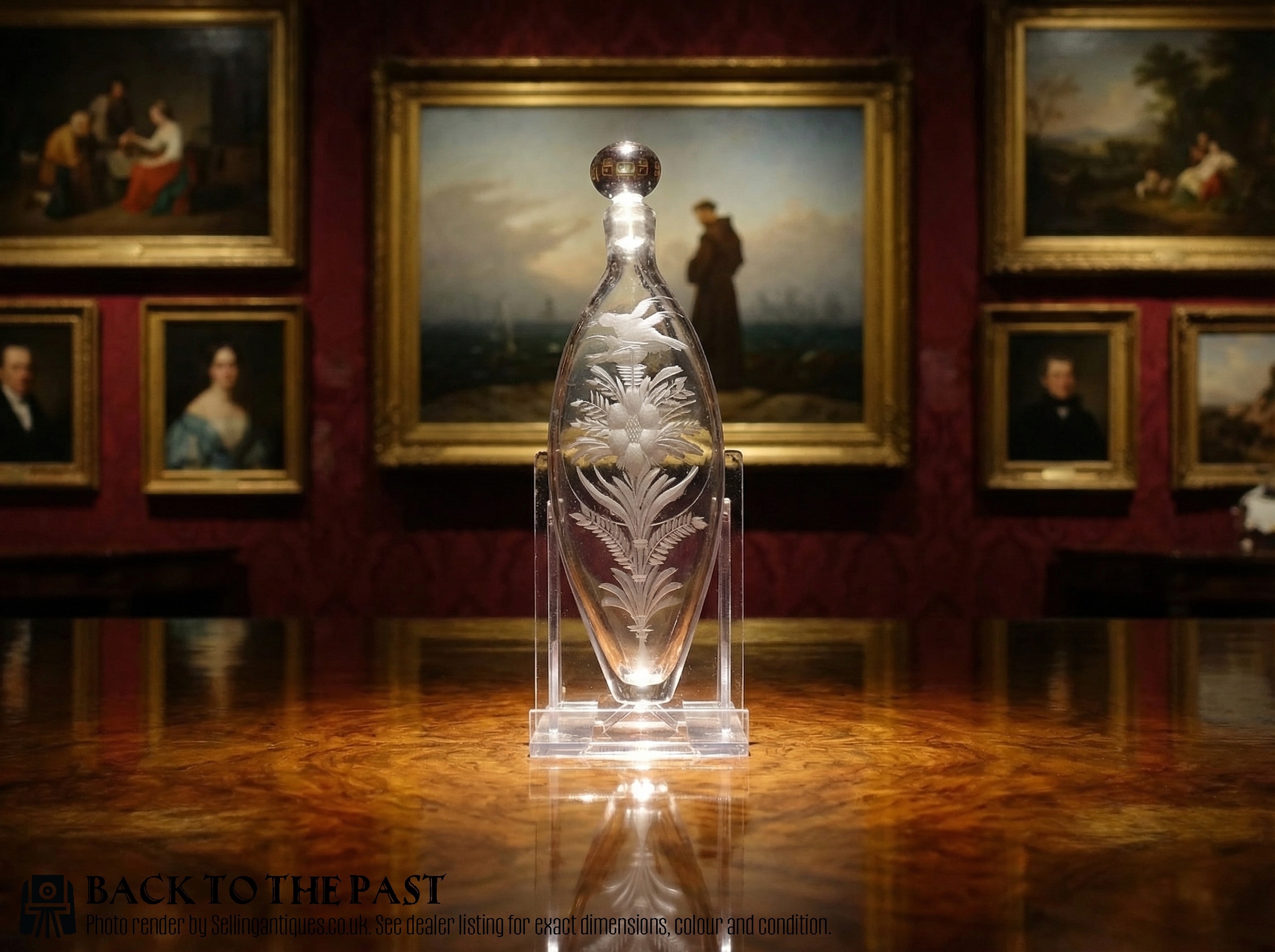
Makers utilised precious metals including sterling silver and silver gilt alongside base metals like copper and old Sheffield plate. Glass bodies range from clear cut crystal to petrol blue and pale green vessels, often encased in tortoiseshell, bone, or filigree wirework.
Porcelain examples showcase detailed hand-painted scenes from factories such as Worcester and Derby, complemented by intricate enamel work. Artisans combined these fragile materials with hinged metal caps, cork stoppers, and fitted tool sets.
Materials span sterling silver, porcelain, enamel, glass, gold leaf, velvet, copper, tortoiseshell, and bone across the Georgian and Regency periods.
Assessing quality and execution
Quality rests upon the crispness of the metalwork, the depth of glass cutting, and the preservation of hand-painted enamel or porcelain scenes. Pieces retaining original internal glass vials or complete tool sets command higher regard.
The refinement of specialised elements, such as articulated silver fish forms or detailed Jacobite engravings, demonstrates superior artisan skill. Condition of delicate organic materials like tortoiseshell and bone also dictates the standing of a piece.
Flight Barr And Barr·Samuel Pemberton
The Georgian Scent Bottle Glossary
- Vinaigrette
- A small ornamental box or bottle containing a sponge soaked in aromatic vinegar. These pieces typically feature an internal pierced grille of gilt silver.
- Etui
- A small ornamental case used to hold needles, tweezers, bodkins, and miniature scent bottles. They appear in tortoiseshell, enamel, and silver.
- Rose water sprinkler
- A vessel designed for sprinkling scented water rather than pouring perfume. These ceramic and glass forms often date to the Regency era.
- Old Sheffield plate
- A composite material made by fusing a thin sheet of silver to a thicker copper base. This technique creates durable domestic items with authentic silver surfaces.
- Filigree
- Delicate work consisting of twisted silver or gold wire soldered together in open patterns. This technique appears on numerous eighteenth-century scent cases and thimble combinations.
Georgian Scent Bottle: Frequently Asked Questions
What are georgian scent bottles made from?
These vessels combine glass, porcelain, and enamel with mounts of sterling silver, gold leaf, and copper. Organic materials like tortoiseshell and bone frequently form the outer cases.
Artisans utilised these diverse substances to create durable yet highly decorative personal accessories that survive from the eighteenth and nineteenth centuries.
How do I identify a period piece?
Examination of the materials, construction techniques, and hallmarks helps determine age. Eighteenth-century examples often feature delicate enamel work or silver filigree, while Regency pieces commonly display cut glass and porcelain.
Reference to known factory styles and maker marks provides further confirmation of the manufacturing era.
Were these bottles used daily?
Owners carried these small vessels in pockets or housed them within fitted travel etuis for personal freshening. The inclusion of stoppers, corks, and internal vials kept volatile perfumes secure during transport.
Many survivors retain their original inner compartments, indicating they served a practical function alongside their decorative appeal.
How should I display them?
Small vessels and etuis suit enclosed glass cabinets or dedicated display shelves where their detailed metalwork and coloured glass can be appreciated closely. Keeping them away from direct sunlight protects vulnerable organic materials like tortoiseshell and velvet.
Handling requires care due to fragile hinges, delicate stoppers, and miniature attached tools.