


Antique Glass Scent Phial
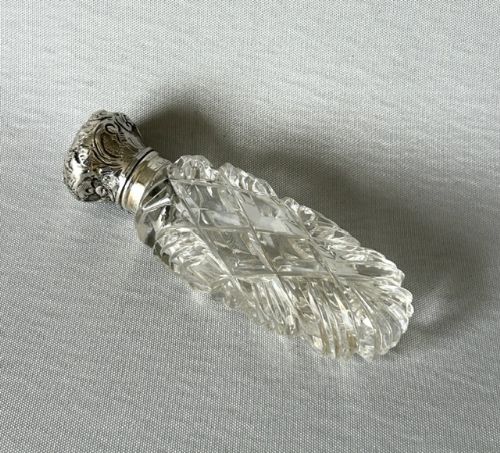
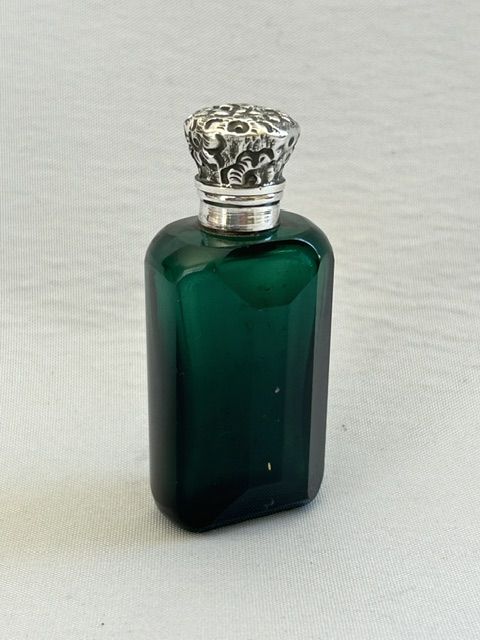
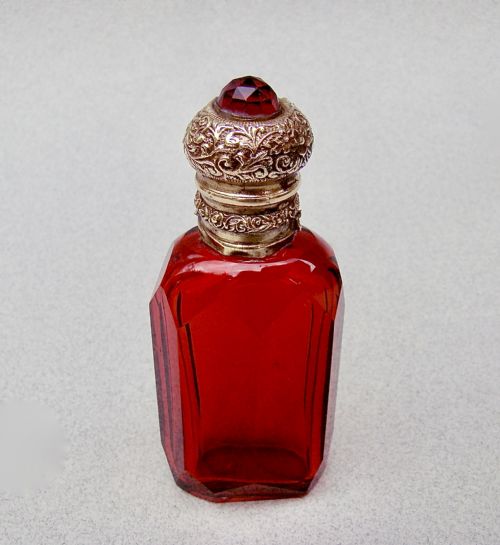
These antique glass scent phials are pocket-sized vessels for perfume, shaped in glass and mounted in sterling silver or ormolu for daily use.
Antique Glass Scent Phial
When you search for an antique glass scent phial, you are looking at small personal containers designed to hold volatile perfumes and smelling salts. The examples on this page span the Georgian, Victorian, Edwardian, and Art Deco periods, reaching into the early twentieth century.
The version you are most likely to meet here is a Victorian piece, frequently rendered in cranberry, ruby, or Bristol green glass with a sterling silver screw cap or hinged mount. Many incorporate cut glass patterns or double-ended designs for holding different liquids.
Form follows function across these specimens, ranging from simple cylindrical cut glass phials to sculptural figural shapes such as owls or eggs. French pieces often introduce gilt metal or ormolu mounts to the coloured glass bodies.
How they were made
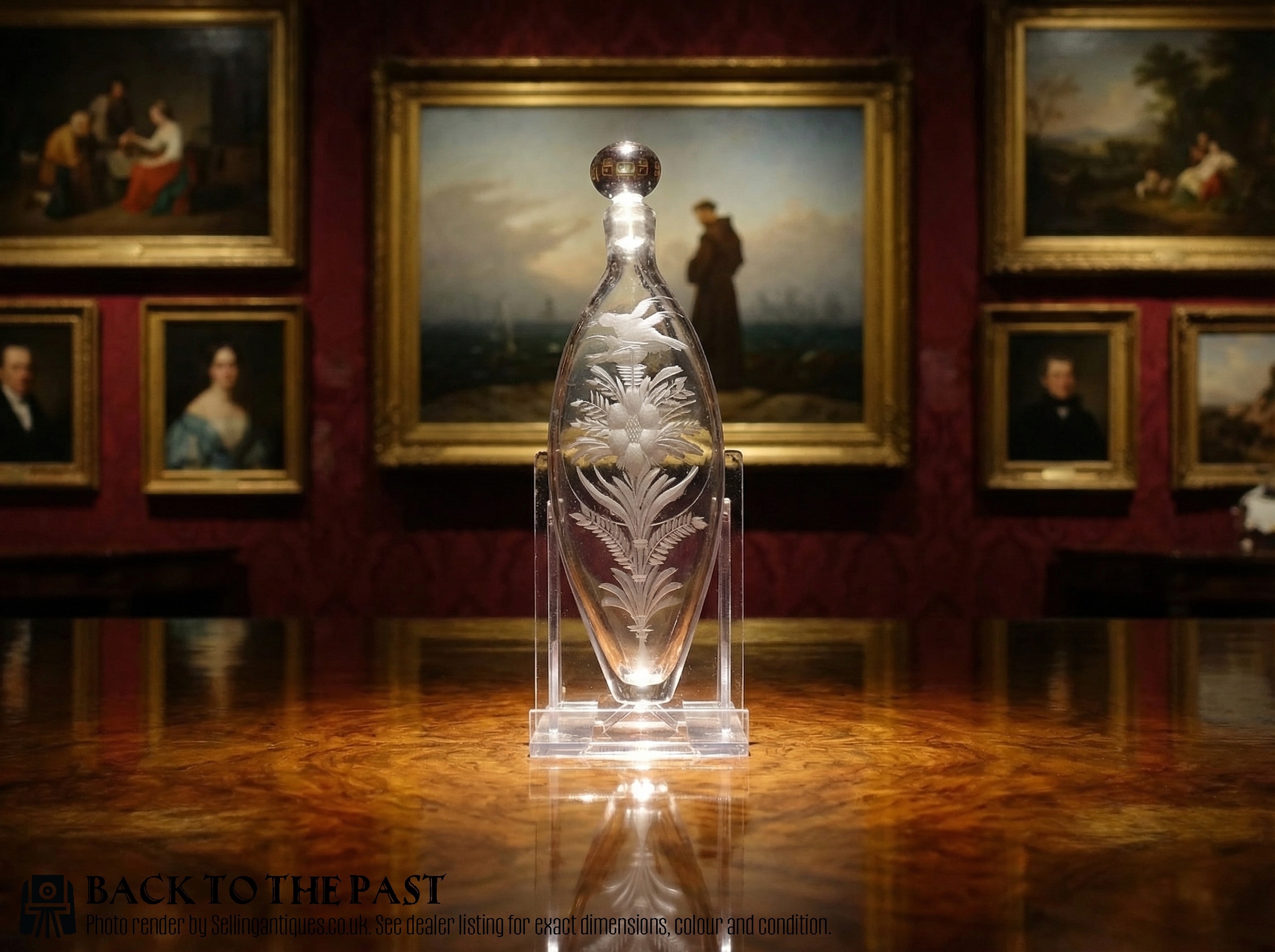
Glass is blown, moulded, or cut to form the body of the phial, utilising coloured batches such as cranberry and ruby alongside clear crystal. Engraving and etching are applied to the surface to create decorative motifs.
Silver mounts and caps are fashioned to fit the glass neck precisely, often bearing hallmarks from assay offices like Birmingham to denote the year of manufacture and metal purity. Ormolu and enamel are also applied to enrich the decorative impact of the metalwork.
One determined Victorian artisan decided that a simple bottle would not do, shaping an entire scent phial into the form of an observant owl.
What varies in quality
The weight and depth of the glass cutting separate standard items from superior works, alongside the clarity of the coloured glass used in the body. Figural and engraved pieces demand greater skill from the maker.
The execution of the sterling silver or enamel mount dictates the overall standard, particularly where detailed engraving or figural work like the Kate Greenaway style is present. Complete, original caps and stoppers elevate the integrity of the whole object.
The Antique Glass Scent Phial Glossary
- Cranberry glass
- A rich pinkish-red glass coloured by the addition of gold chloride to the molten batch. It is characteristic of Victorian dressing table items.
- Double ended
- A phial featuring two separate compartments accessed from opposite ends, typically used for both scent and smelling salts. Each end possesses its own stopper or cap.
- Ormolu
- Gilt bronze mounted onto the glass body to provide decorative structure and contrast. It is frequently seen on French Victorian pieces.
- Sterling silver
- A silver alloy containing substantial pure silver by mass, utilised for the caps, collars, and hinged lids of these bottles. It frequently carries hallmarks indicating the date and place of assay.
- Bristol Green
- A deep transparent green glass historically produced in the Bristol area. It provides a striking ground for silver mounts.
Antique Glass Scent Phial: Frequently Asked Questions
How were scent bottles used?
Owners carried them to refresh the air or to combat faintness using smelling salts held within the glass body. The tight silver caps prevented the liquid perfume from evaporating.
Many featured double-ended designs to hold two different substances simultaneously during daily outings.
How do I date a scent bottle?
Hallmarks stamped on the sterling silver mounts provide the most precise indication of date and origin, often naming specific assay years and towns. Stylistic clues such as Art Deco enamel work or Georgian engraving also point to particular decades.
Glass colours like cranberry and ruby help narrow down the manufacturing period to the nineteenth century.
What is cranberry glass?
Cranberry glass is a distinctive red-pink glass created by adding gold to the molten mixture during production. It became immensely popular during the Victorian period for scent bottles and tableware.
In these pieces, the vibrant glass colour contrasts with bright sterling silver mounts.