



Antique Glass Vial
When you choose an antique glass vial, you acquire a portable vessel that carried personal scents, medicines or potent liquids across centuries.
Antique Glass Vial
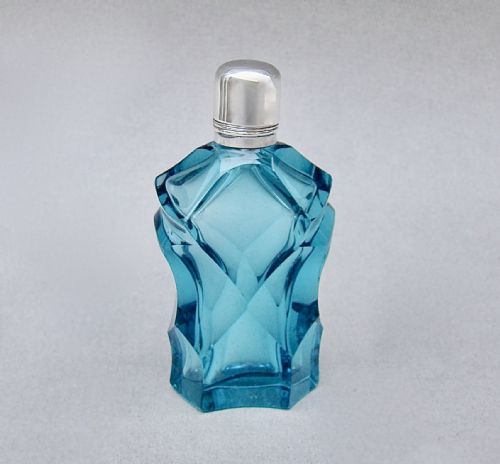
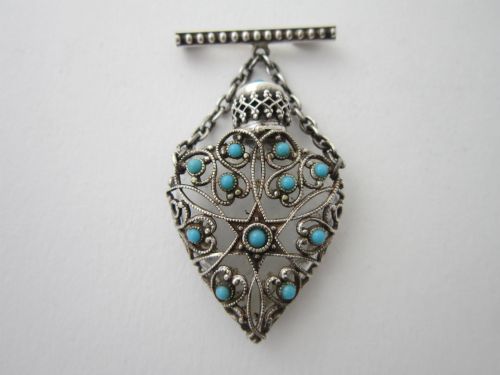
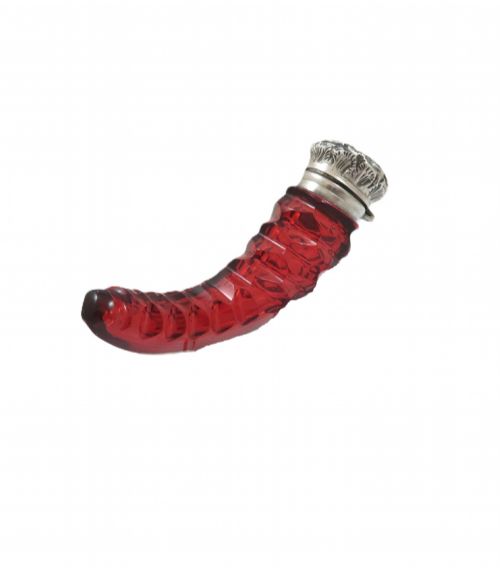
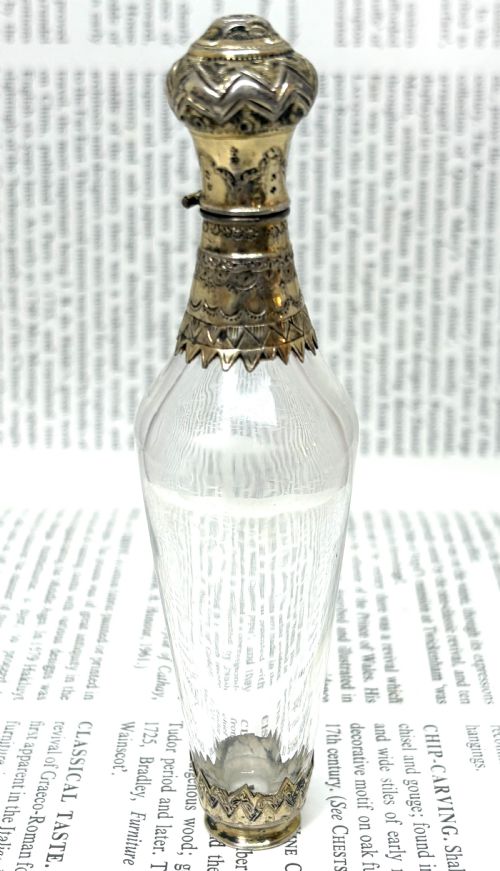
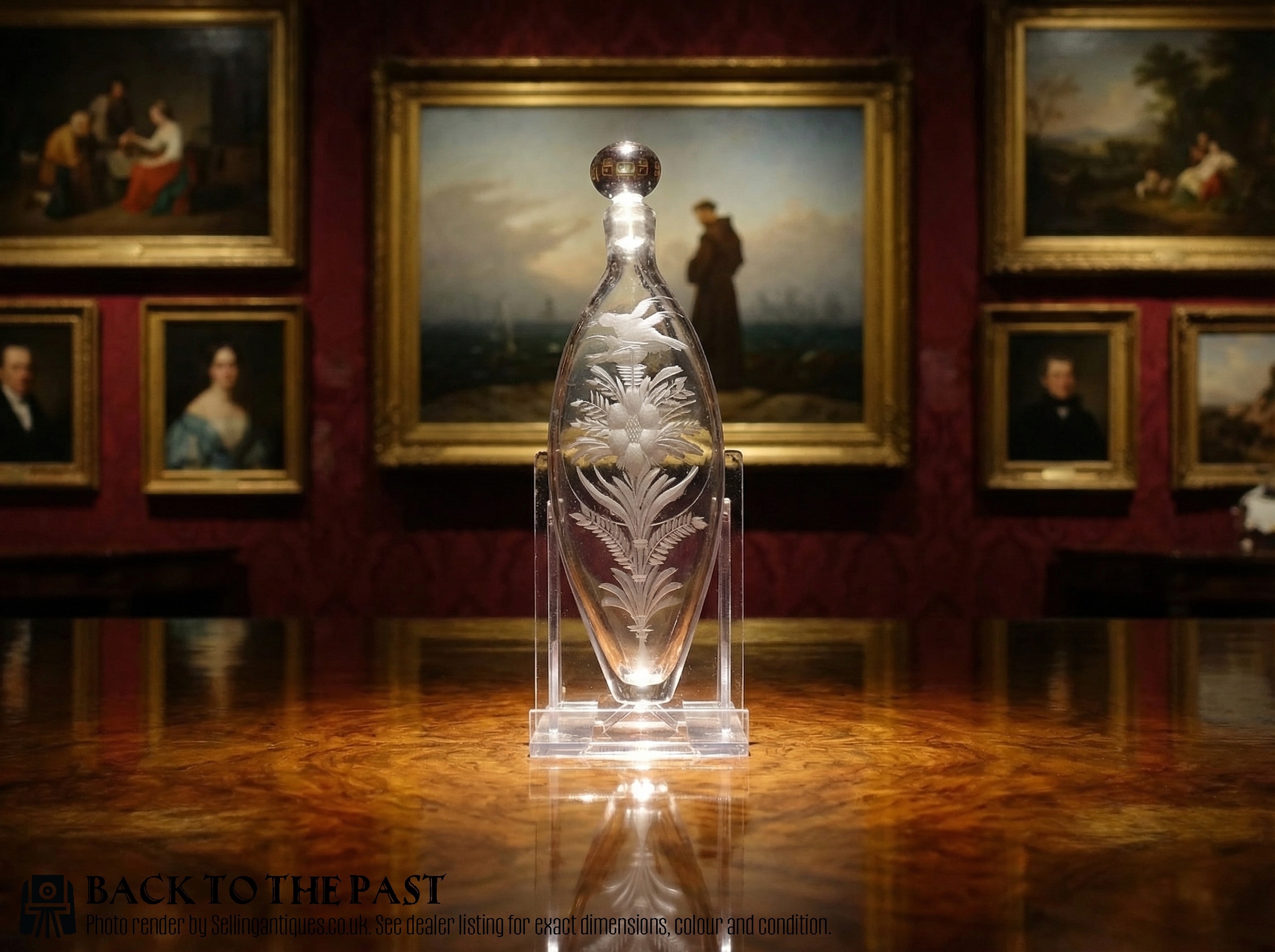
An antique glass vial takes many forms among these listings, most frequently appearing as a scent bottle, perfume flask, or vanity jar. These pieces span from the Georgian period through the Victorian and Edwardian eras, reaching into the early twentieth century.
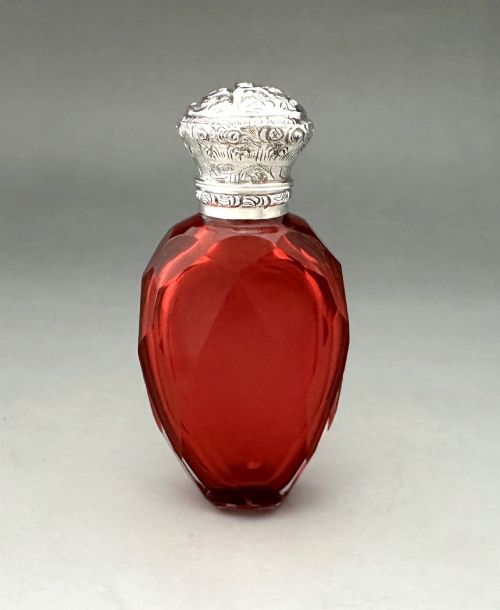
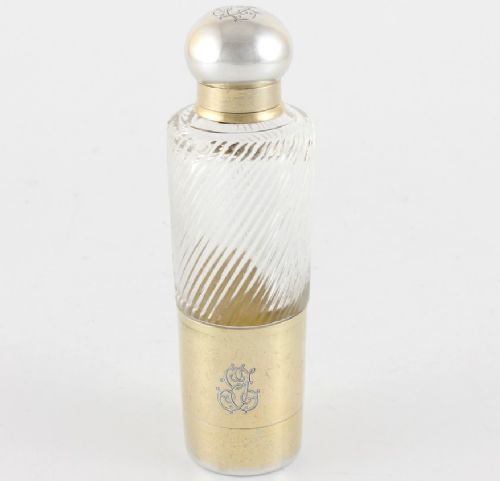
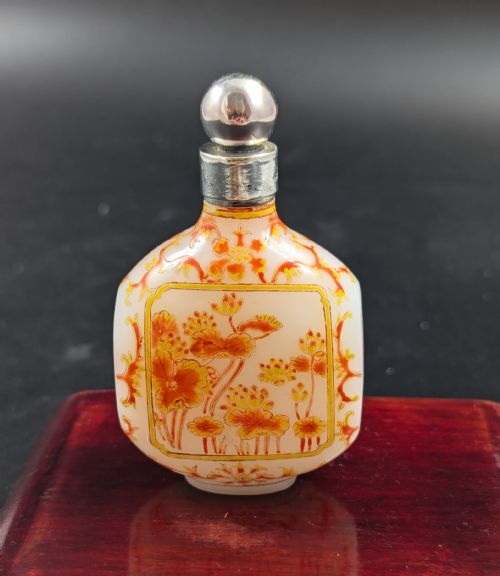
The selection ranges from small pocket vessels mounted in sterling silver and French silver gilt to larger apothecary boxes and police fingerprint kits. You will encounter cranberry glass, cut glass, and enamel alongside specialised items such as police equipment and snuff bottles.
Materials and construction
Glassmaking techniques for these vessels involve free-blowing, mould-blowing, and precise cutting or etching of the body. Cranberry glass, amethyst glass, and white glass provide the coloured foundations for many of the pieces.
Metal mounts in sterling silver and silver gilt are frequently added to the necks and caps, sometimes accompanied by enamel, leather, or velvet elements. Engraved detail and slice-cutting enhance the reflective qualities of the glass surfaces.
Evaluating the craftsmanship
Quality rests in the weight and clarity of the glass, the crispness of any wheel-cut or etched detail, and the precise fit of silver caps and hinged lids. Elaborate engraving on metal mounts and specialised components like double-ended stoppers elevate a piece.
The harmony between the glass body and its precious metal or enamel mounting distinguishes standard utility items from finer personal accessories produced by established makers or skilled workshops.
Tonnel Paris·Rene Lalique·Guyue Xuan mark
The Antique Glass Vial Glossary
- Scent bottle
- A small container designed to hold liquid perfume, often fitted with a screw or hinged stopper. These vessels were essential pocket accessories for personal grooming.
- Cranberry glass
- A rich pinkish-red glass produced by adding gold chloride to the molten batch. It appears frequently in Victorian scent and perfume bottles.
- Silver gilt
- Silver that has been coated with a thin layer of gold on its surface. This technique provided the visual warmth of gold while utilising a silver base.
- Double-ended scent bottle
- A vessel featuring compartments at both ends, allowing the owner to carry two different fragrances or smelling salts simultaneously.
Antique Glass Vial: Frequently Asked Questions
How were antique glass vials used?
These vessels were primarily carried in pockets or handbags to hold liquid perfumes, smelling salts, or medical concoctions during travel and daily outings. Wealthy individuals used them for personal freshening in crowded or unventilated spaces.
Larger variations served different functions, such as vanity jars for dressing tables, apothecary containers, or specialised storage like fingerprint kits for police work.
What periods do these glass vials represent?
The pieces span multiple historical eras, starting from the Georgian period in the eighteenth century through the Regency, Victorian, and Edwardian eras. You will also find items from the early twentieth century, including the 1920s.
Stylistic influences range from French Belle Epoque and Empire designs to Qing Dynasty aesthetics and Art Deco geometric forms, reflecting the changing tastes of their times.
How do I care for an antique glass vial?
Keep these delicate items away from direct sunlight and extreme temperature fluctuations to protect both the glass body and any delicate enamel or silver components. Handle them by the glass body rather than relying solely on antique metal caps or hinges.
Cleaning should be done gently with a dry or barely damp cloth, avoiding harsh chemical cleaners that might strip historical patina from silver mounts or damage coloured glass.
Can I still use an antique scent bottle?
While these bottles can physically hold liquids, many collectors prefer to display them empty due to the age of original cork stoppers and internal seals. Storing modern perfumes inside them may risk residue buildup or damage to fragile historic interiors.
If you choose to use one, check that the stopper or lid creates a secure closure and that the interior is thoroughly clean without compromising the original glass.