


Antique Etui Box
An antique etui box is a compact fitted case for small personal or sewing implements, prized for its intricate craftsmanship and miniature scale.
Antique Etui Box
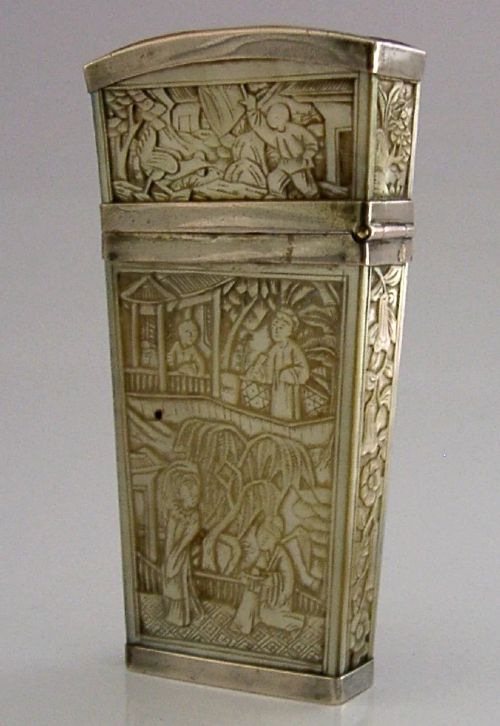
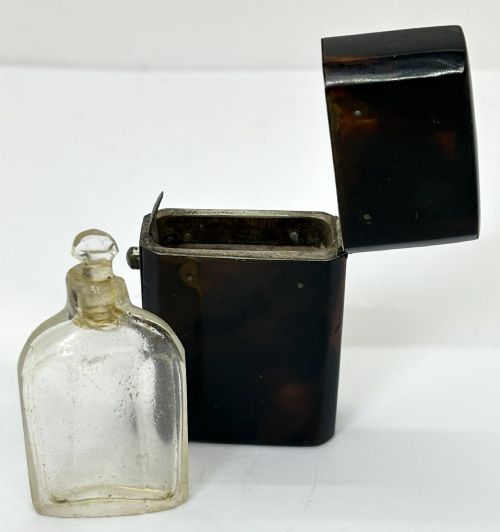
When you search for an antique etui box, you encounter small fitted receptacles designed to hold sewing tools, scent bottles, or personal accessories. These pieces span the eighteenth and nineteenth centuries, originating from English workshops, Chinese export commissioners, and French centres like Palais Royal.
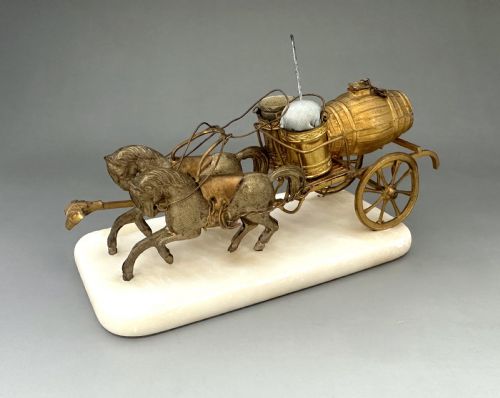
The forms vary from cylindrical silver cylinders and miniature pill charms to elaborate horse-drawn companions and scent bottle holders. Most examples you meet on this page date from the Georgian and Victorian eras, reflecting a period when personal accessories demanded exceptional miniaturisation.
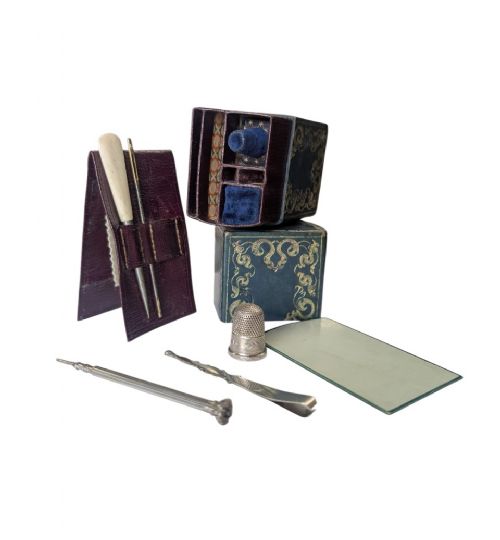
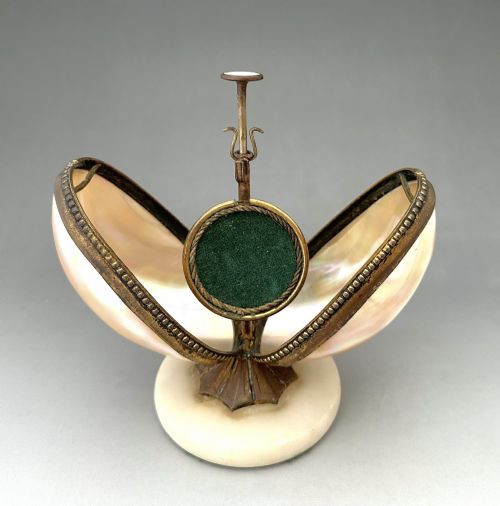
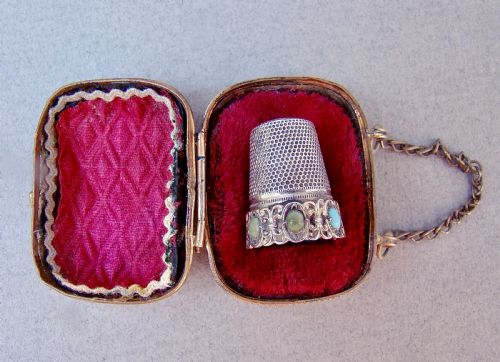
Makers often shaped these cases as sewing companions, equipping them with tiny thimbles, scissors, and needle cases. Whether executed in tortoiseshell, mother-of-pearl, or solid silver gilt, each piece offers a glimpse into historical personal organisation.
Materials and construction
Artisans constructed these cases using demanding materials such as tortoiseshell, mother-of-pearl, silver, and gilt bronze, often pairing them with velvet linings or alabaster and bloodstone mounts. Metalwork frequently involved engine-turned guilloche designs on solid silver gilt or intricate ormolu framing.
Organic materials like bone and shell were meticulously shaped and polished to fit delicate frames, while South Staffordshire examples utilised fine enamel work. Each technique required steady hands to assemble miniature components that housed equally tiny tools.
Listings feature materials spanning tortoiseshell, bloodstone, alabaster, velvet, and various grades of silver.
Markers of quality
Quality in these pieces rests upon the precision of the exterior mounts and the completeness of the internal fittings. Finer examples display crisp engine-turned guilloche patterns, unblemished mother-of-pearl panels, or tightly secured gold and silver mountings.
The distinction between standard items and superior works also depends on the integration of the fitted contents, such as matching gold or silver-gilt tools nestled securely within velvet slots.
The Antique Etui Box Glossary
- Etui
- A small ornamental case used for holding needles, cosmetics, or other articles. These containers were tucked into pockets or suspended from chatelaines.
- Guilloche
- A decorative engraving technique in which a very precise, intricate repeating pattern is mechanically etched into metal. This surface treatment appears frequently on silver-gilt nineteenth-century cases.
- Ormolu
- Gilded bronze applied to decorative objects and furniture mounts. It provides a bright gold finish around stone settings and panels.
- Chatelaine
- A decorative belt hook or clasp from which a chain was suspended to carry household or personal items like sewing etuis. They combined utility with status display in historical dress.
- Palais Royal
- A Paris shopping district renowned during the nineteenth century for luxury goods, mother-of-pearl novelties, and elaborate sewing companions. Items from this origin command particular attention from collectors.
Antique Etui Box: Frequently Asked Questions
What did people keep inside an etui?
These cases held personal necessities such as sewing implements, bodkins, tiny scissors, and scent bottles. Their fitted interiors kept delicate tools organised and protected during travel.
Owners carried them in pockets or suspended them from chatelaines, ensuring daily essentials remained close at hand.
How do I date an antique etui box?
Dating relies on material combinations, decorative styles, and hallmarks where present. Georgian examples often feature natural shell and simple silver work, while Victorian pieces lean toward brass fittings and engine-turned designs.
French Palais Royal items and Chinese export pieces each exhibit distinct regional manufacturing traits characteristic of their specific decades of production.
Are the tools inside usually original?
Many surviving cases retain some or all of their original fitted contents, such as thimbles and needle cases. Because the tools were small and easily misplaced, finding a complete set is uncommon.
Collectors often examine whether the internal velvet or silk lining matches the wear and configuration of the surviving implements.
How should I display my etui?
Display these delicate containers in enclosed cabinets away from direct sunlight and fluctuating humidity. Tortoiseshell, mother-of-pearl, and velvet linings require stable environmental conditions to prevent warping or fading.
Keeping them closed protects the internal fabric and ensures the miniature metal mounts remain untarnished by airborne dust.