
Georgian Sarcophagus Chest
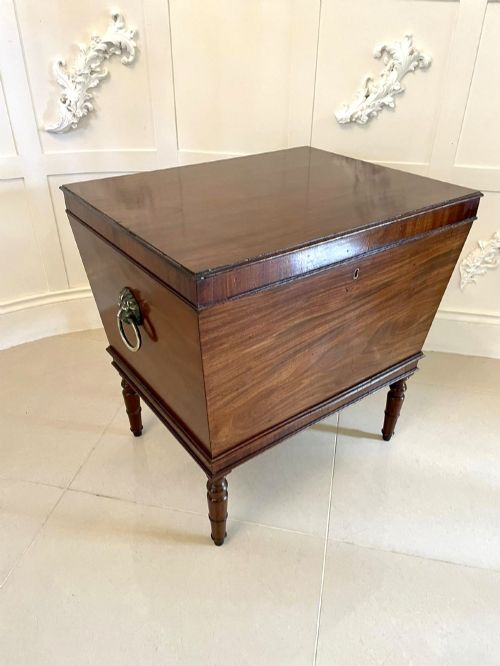
A georgian sarcophagus chest brings classical architectural form to domestic storage, taking the shape of a miniature stone tomb to hold tea, wine, or spirits.
Georgian Sarcophagus Chest
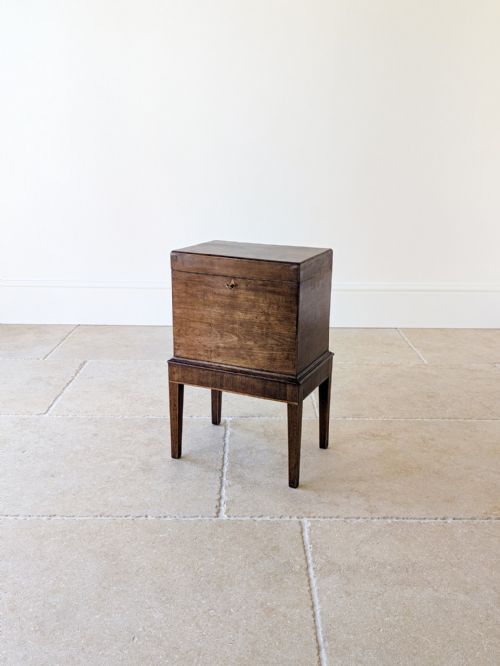
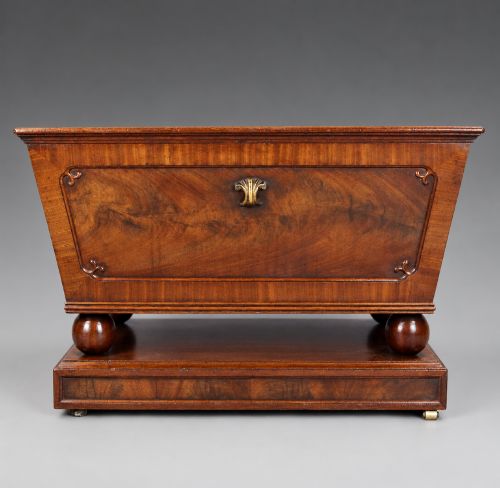
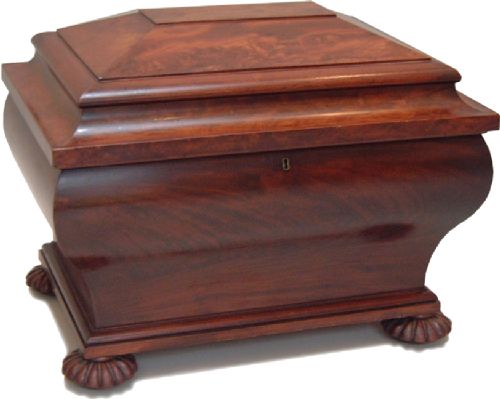
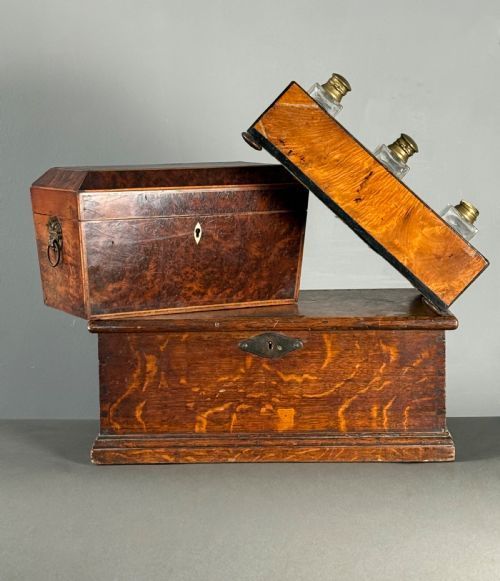
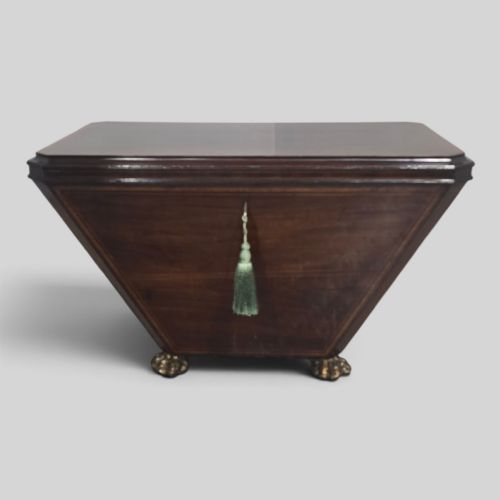
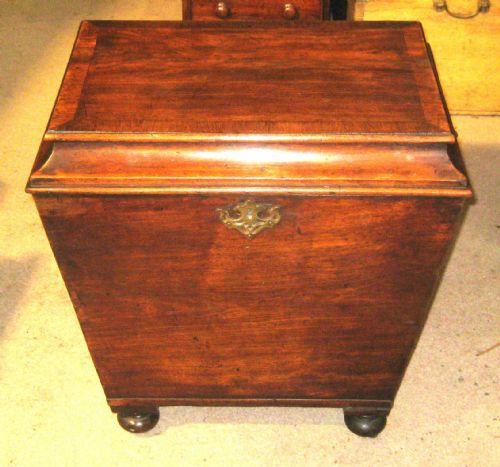
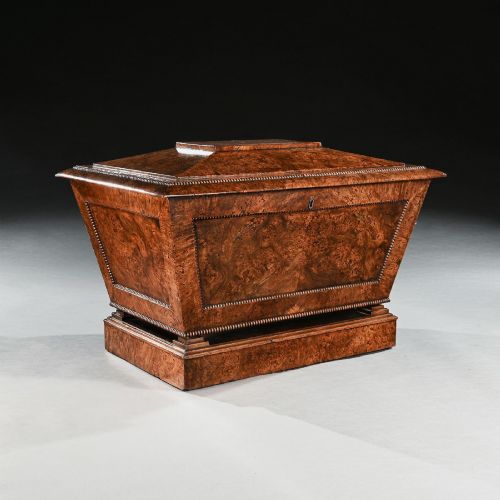
A georgian sarcophagus chest primarily appears in the form of wine coolers, cellarettes, and tea caddies spanning the eighteenth and nineteenth centuries. These pieces draw on classical revival designs, adopting a heavy, tapered box shape reminiscent of ancient Roman burial vaults.
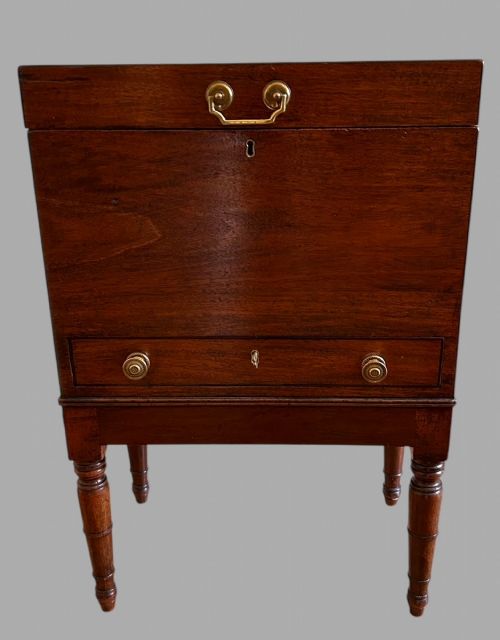
The versions most commonly met in these listings date from the Regency and George III periods, constructed to house precious consumables in formal dining rooms and parlours. Cabinet makers adapted the architectural proportions for domestic utility, mounting the low, rectangular bodies on feet, pedestals, or castors.
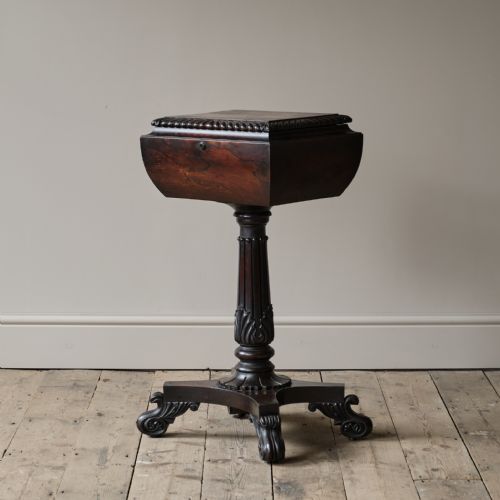
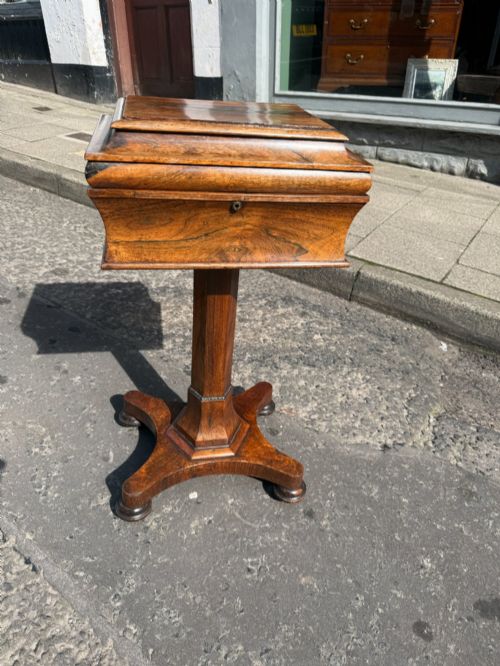
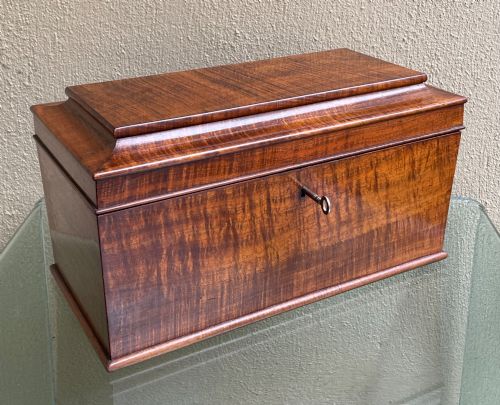
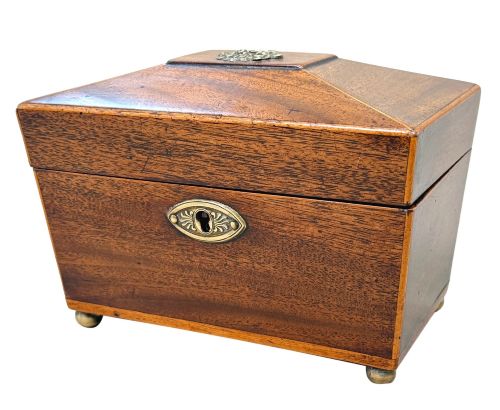
Beyond cellarettes and wine coolers, the form manifests as intricately fitted tea caddies and teapoys designed to hold imported leaves securely under lock and key. Each iteration retains the characteristic sloping lid profiles and substantial timber construction associated with Georgian craftsmanship.
Materials and construction
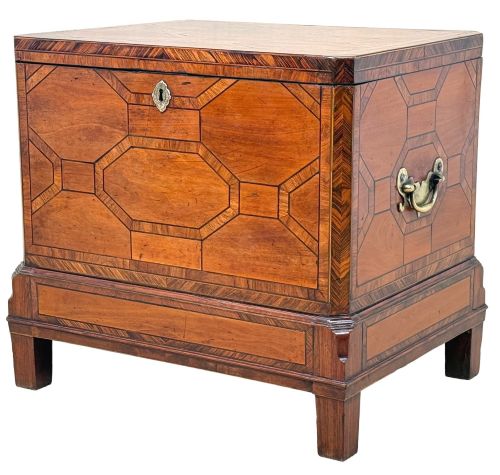
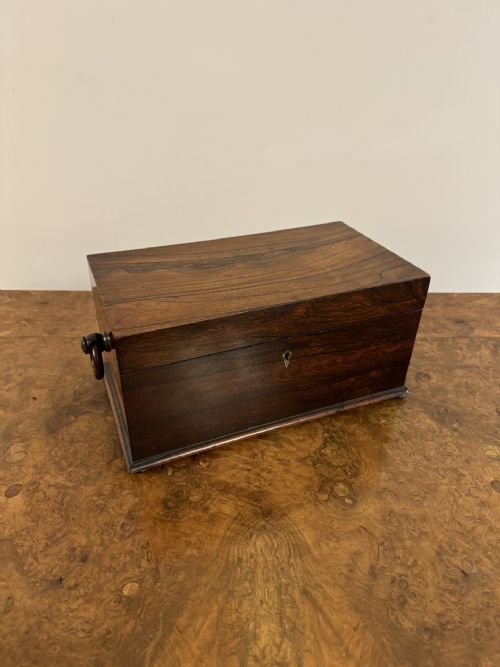
Timbers such as flame mahogany, rosewood, satinwood, and pollard oak form the primary structural bodies, selected for rich grain patterns and deep natural colour. Cabinet makers laid these veneers over secondary woods, often accentuating the box edges with boxwood, ebony, and brass stringing.
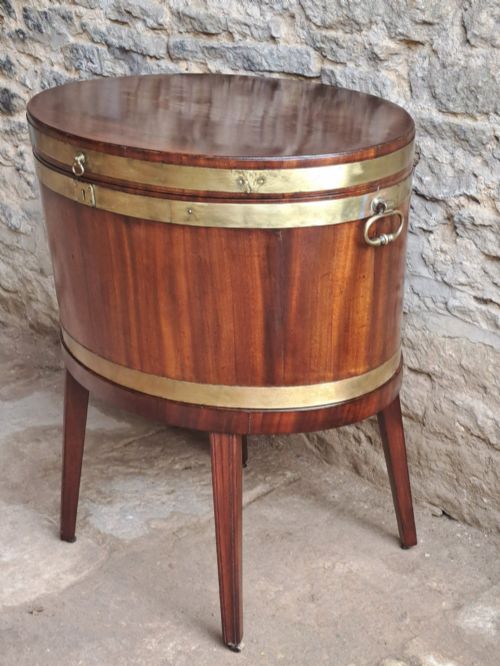
Metalwork played a structural and decorative role, incorporating cast brass handles, lion mask ring pulls, lead linings for wine cooling, and secure brass lever locks. Interior compartments frequently utilised bone, mother-of-pearl, and glass details to separate tea canisters and dry goods.
Listings feature both standing wine coolers and tabletop tea caddies spanning the Georgian, Regency, and Victorian periods in mahogany and rosewood.
Judging execution and finish
Superior examples demonstrate precision in the matching of timber veneers across the curved lid panels and the seamless integration of brass inlay. The depth of the patina and the retention of original interior fittings, such as lead liners or mixing bowls, separate masterwork pieces from standard workshop production.
The crispness of carved details, from paw feet to applied mouldings and brass mounts, indicates the skill level of the maker. Structural integrity in the heavy hinged lids and the survival of functioning locks with original keys further distinguish finer survivals.
Edwards and Roberts·Gillows
The Georgian Sarcophagus Chest Glossary
- Cellarette
- A lockable container designed to hold bottles of wine or spirits safely off the floor during dining. They frequently feature lead linings to hold melting ice.
- Teapoy
- A small stand or box fitted with internal canisters for storing multiple varieties of tea. They often sit on a single central pedestal or four slender legs.
- Sarcophagus form
- A container design featuring an inverted trapezoid profile with sloping sides and a domed or stepped lid, mimicking classical monumental tombs. This shape became popular during the Regency period.
- Flame mahogany
- A cut of mahogany timber showing a distinctive flickering flame pattern in the grain. Cabinet makers reserved this high-status veneer for the most prominent exterior surfaces.
- Stringing
- Thin inlaid lines of contrasting wood, such as boxwood or ebony, used to outline panels and geometric borders on fine cabinet work.
Georgian Sarcophagus Chest: Frequently Asked Questions
What is a georgian sarcophagus chest used for?
These pieces served practical storage functions in wealthy households, specifically safeguarding valuable dry goods like tea leaves or keeping wine bottles chilled near the dining table. The heavy timber and secure locks protected expensive imported commodities from dampness and theft.
Over time, the forms evolved from simple utilitarian boxes into prominent dining room furnishings that reflected the status and hospitality of the host through classical architectural styling.
How do I date a georgian sarcophagus chest?
Dating relies on observing shifts in timber choice, hardware styles, and overarching design periods recorded across the eighteenth and nineteenth centuries. Earlier pieces from the George II and George III eras often utilise solid mahogany and subtle mouldings, while Regency examples introduce rosewood, brass inlay, and more pronounced classical revival shapes.
Interior components and locking mechanisms also provide chronological clues, as hand-cut dovetails and early brass lever locks differ noticeably from later nineteenth-century production methods.
Where should I place one in my home?
These boxes and coolers suit placement in reception rooms, studies, or dining spaces where their timber grain and classical proportions can act as focal points. Larger cellarettes function well as standalone floor-standing pieces or side tables, while smaller tea caddies rest easily on surface tops.
Protecting the wood from direct sunlight and excessive humidity preserves the original polish, patina, and delicate interior veneers.
Why do some have lead linings?
Wine coolers and cellarettes frequently contain fitted lead interiors designed to hold ice and water around bottles of wine during extended banquets. This practical feature allowed hosts to chill beverages directly in the dining room before refrigeration existed.
The presence of an original lead liner adds historical authenticity to a wine cooler, demonstrating its specific intended function.