
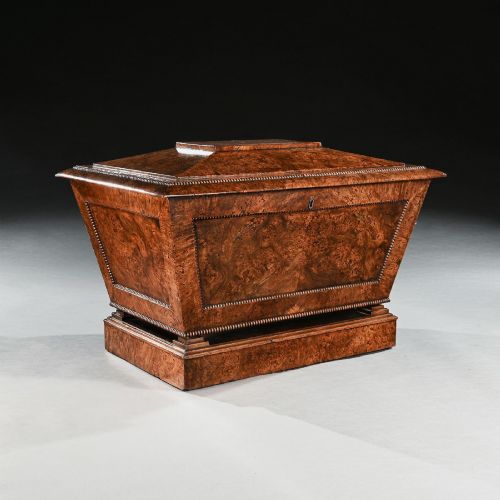
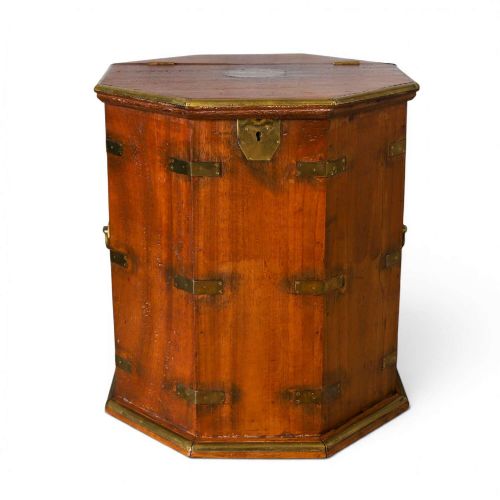


Antique Oak Cellarette
An antique oak cellarette is a steadfast cellar companion designed to hold fine wine and spirits with absolute gravitas.
Antique Oak Cellarette
The antique oak cellarette encompasses robust storage vessels and fitted boxes designed specifically for the containment of bottled wine and spirits. Buyers searching for an antique oak cellarette encounter sturdy timber constructions intended to keep vintages secure and cool within formal dining rooms and libraries.
The selections available here span several distinct eras, notably the Georgian, Regency, and Victorian periods, alongside later Edwardian and twentieth-century interpretations. Forms range from traditional freestanding wine coolers and table-standing champagne troughs to ingenious campaign-style boxes, tantalus sets, and drop-front drinks cabinets.
Makers utilised resilient timber varieties, frequently pairing solid oak with pollard oak, burr walnut, and teak. Decorative accents lean towards heavy brass mounts, distinctive carving, and functional campaign banding that reflect the specific social rituals of entertaining across the nineteenth and early twentieth centuries.
Materials and construction
Cabinet makers relied principally on sturdy oak for structural integrity, often enhancing visual depth through the application of figured pollard oak or burr walnut veneers. These dense hardwoods provided the requisite durability for vessels that held heavy glass bottles and liquid contents.
Metalwork played a critical functional role, with brass bindings, handles, and locks reinforcing corners and securing hinged lids against the rigours of domestic use or travel. Interior compartments were frequently lined or fitted to cradle individual decanters, glasses, and storage barrels safely.
Listings feature oak combined with pollard oak, burr walnut, and brass, spanning the Georgian, Regency, Victorian, and Edwardian periods.
Assessing quality and craftsmanship
Superior examples distinguish themselves through the selection of exceptionally figured timbers, such as richly patterned pollard oak or burr walnut, which display natural warmth and depth. The quality of the joinery and the integration of substantial brass mounts reveal the maker's commitment to longevity and aesthetic balance.
Original internal fittings, including intact partitions for decanters, games compendiums, or lead-lined wells, elevate a piece above simpler utilitarian storage boxes. The presence of period locking mechanisms and well-preserved surface patination indicates careful stewardship over the centuries.
The Antique Oak Cellarette Glossary
- Cellarette
- A lockable container or cabinet specifically designed for storing wine bottles near the dining table. They frequently incorporate lead linings for ice or internal divisions for individual bottles.
- Tantalus
- A locking drink container that holds decanters securely in a wooden frame while displaying the contents through a barred cage. The frame prevents people from pouring drinks without the key.
- Campaign chest
- A portable trunk or cabinet constructed in sections with recessed brass handles and corner brackets for military officers on the move. These pieces prioritise structural resilience and ease of transport.
- Pollard oak
- Timber taken from a tree that has been pruned close to the trunk to encourage dense, highly decorative branching growth. The resulting wood displays intricate, swirling grain patterns highly prized in luxury cabinet making.
- Gothic Revival
- An architectural and decorative style drawing inspiration from medieval design principles. Pieces from this movement often feature pointed arches, heavy linenfold carving, and robust iron or brass hardware.
Antique Oak Cellarette: Frequently Asked Questions
How were cellarettes used historically?
Cellarettes stood near the dining table so hosts could serve wine without constantly visiting the cellar. Servants kept the interior stocked with bottles, and some versions included lead-lined compartments to hold ice.
Beyond simple bottle storage, sophisticated examples incorporated dry bars, games compendiums, and secure locks. This kept valuable spirits and gaming equipment safe from casual pilfering.
How do I date an oak cellarette?
Dating relies on examining the timber species, construction methods, and decorative style of the piece. Georgian and Regency examples often feature clean architectural lines or figured pollard oak veneers, while Victorian pieces showcase heavier carving and Gothic revival motifs.
Hardware provides further clues, as machine-cut screws and standard brass fittings usually point towards later nineteenth-century manufacturing. Hand-forged joints and simpler ironwork typically indicate earlier origins.
Where should I place a cellarette?
These substantial wooden pieces suit dining rooms, studies, or living areas where they can function as drinks cabinets or decorative tables. Their flat tops provide useful display space for modern barware or lamps.
Keep wooden furniture away from direct heat sources and dramatic humidity shifts to protect the polish and timber. Regular polishing maintains the natural lustre of the oak and walnut surfaces.