




Georgian Reverse Glass Picture
A georgian reverse glass picture is a delicate transparent image worked from behind, prized for its lustrous depth and brilliant preservation.
Georgian Reverse Glass Picture
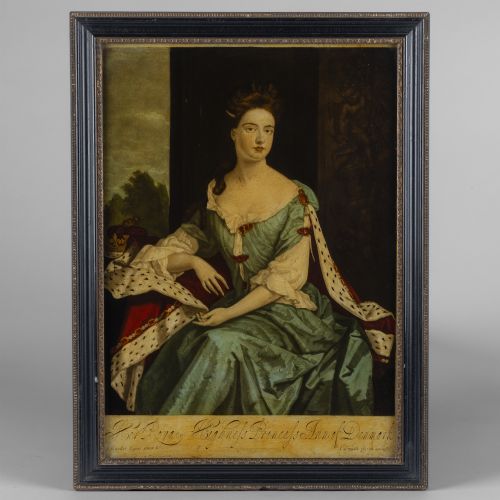
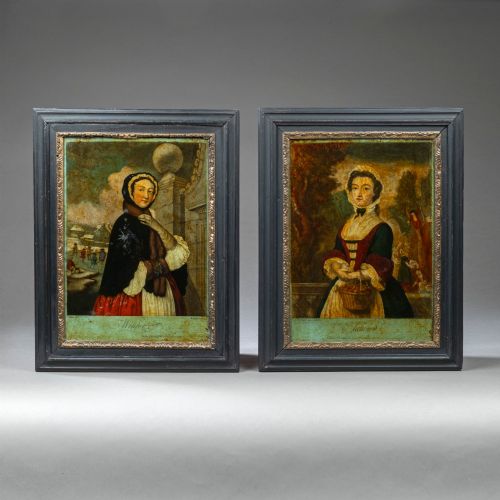
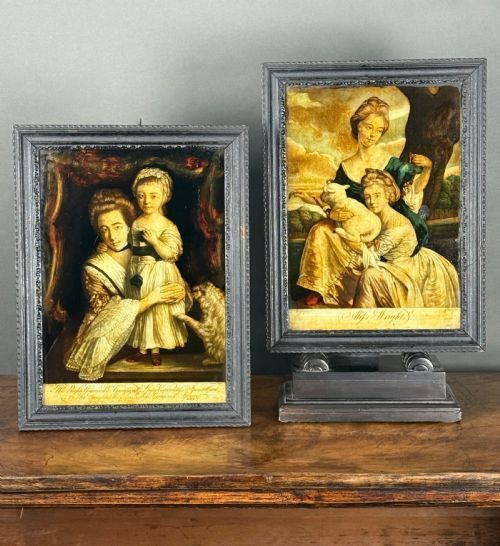
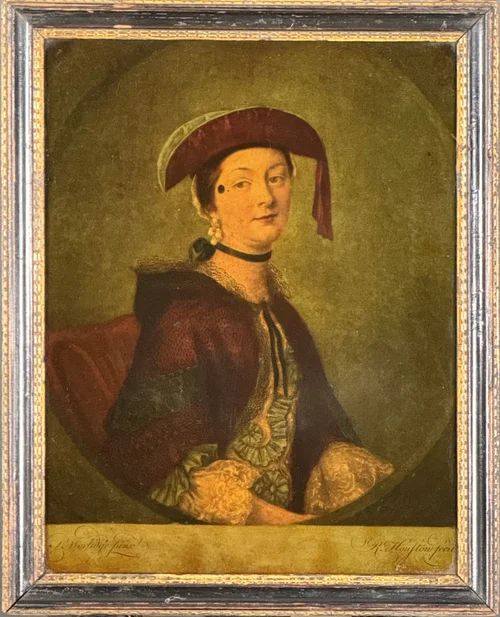
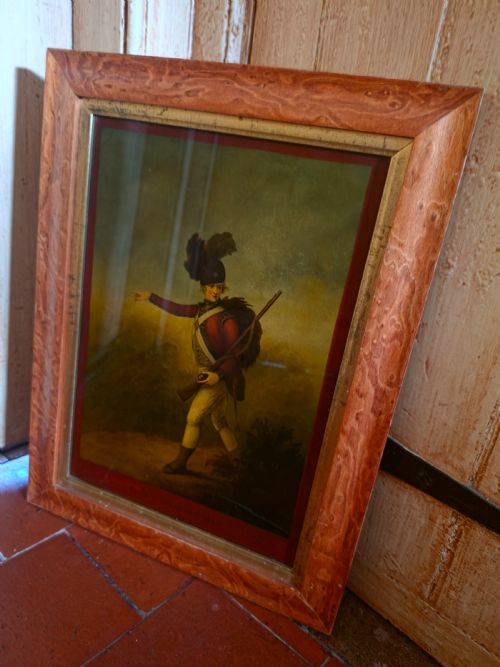
A georgian reverse glass picture comprises historical wall art where the image is applied directly to the rear of the glass panel. Buyers frequently encounter portraits of noble ladies, military officers, and allegorical scenes hailing from the eighteenth and nineteenth centuries.
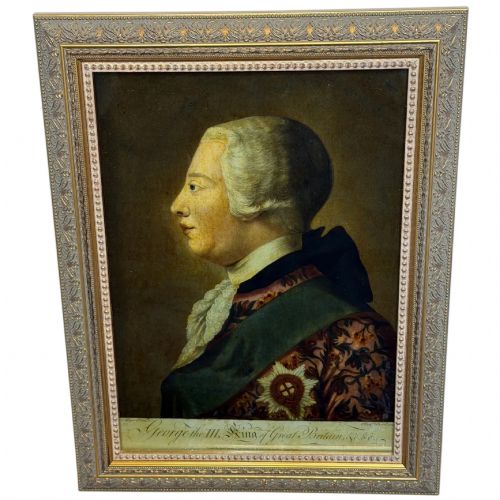
The selection ranges from hand-painted portraits and silhouette work to applied mezzotint engravings touched with colour and gold leaf. Many survive within their original wooden frames, including maple borders and divided mirror plates.
How They Were Made
Craftsmen applied oil paint, pigment, and ink directly onto the reverse side of a glass sheet, working details in reverse sequence from foreground to background. Prints and mezzotints were carefully transferred face down onto the glass before hand-colouring brought the composition to life.
Makers often incorporated gold leaf to highlight regalia or costume details, sealing the delicate pigments behind the protective barrier of the glass pane and surrounding the completed artwork in wood.
Georgian Reverse Glass Picture Retail Price Guide 2026
Typical asking prices for georgian reverse glass picture among the pieces listed under this phrase on Sellingantiques today, from the lower quarter to the upper quarter. They describe what is for sale here now, not the wider market.
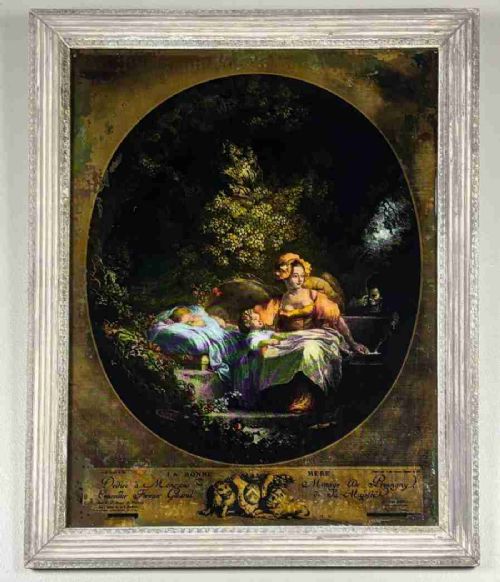
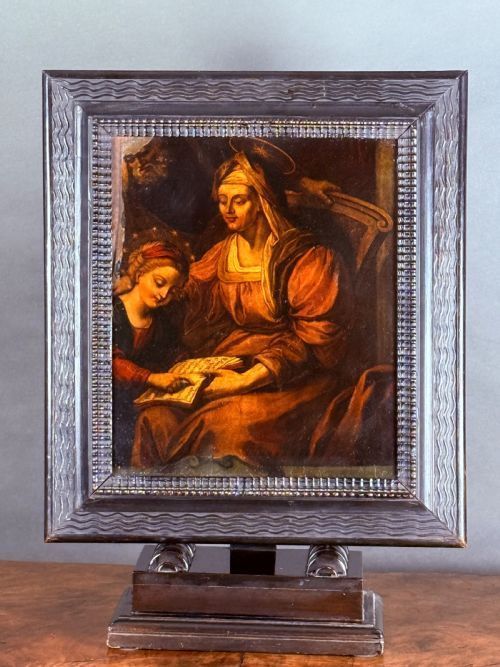
One determined eighteenth-century artisan successfully transferred the education of the Virgin Mary entirely in reverse.
What Varies in Quality
The distinction between ordinary and exceptional pieces lies in the precision of the brushwork and the clarity of the transferred mezzotint engraving. Master practitioners achieved remarkable facial expression and costume detail in reverse.
The survival of original pigments without extensive flaking or moisture damage determines the visual impact of the piece. Frames contemporary to the glass, particularly maple housings and structured mirrors, elevate the standing of the work.
Fletcher·Sebastiaan Vrancx·Charles Spooner·Richard Purcell·Abraham Cooper·W. Bishop·Richard Phillips
The Georgian Reverse Glass Picture Glossary
- Reverse glass painting
- An artwork created by applying paint directly to the back of a glass sheet so the image is viewed through the front. This technique protects the pigments from atmospheric dust and surface abrasion.
- Mezzotint
- A printmaking process of the intaglio family where tonal gradations are achieved by roughening the copper plate. These prints were often transferred onto glass for subsequent hand-colouring.
- Eglomise
- A decorative technique involving the application of gold or metal leaf to the rear of glass panels. It produces a reflective, mirror-like finish often used to frame or accent the primary picture.
- Silhouette
- A profile portrait filled in with a solid dark pigment or painted with colour on glass. Popular during the Regency era, these likenesses captured sitters with economical precision.
Georgian Reverse Glass Picture: Frequently Asked Questions
What is a reverse glass picture?
A reverse glass picture is an artwork where the design is painted, printed, or engraved onto the back of a glass sheet. Viewers look through the smooth front surface to see the composition.
The technique creates a distinct polished sheen and depth that differs from paper or canvas. Because the medium is vulnerable to moisture, most surviving examples remain protected within period wooden frames.
How do I date these pictures?
Dating relies on the costume of the sitters, the style of the engraving, and the construction of the frame. Eighteenth-century examples often feature mezzotints of nobility, while Regency pieces lean toward military figures and literary subjects.
Material clues such as early maple frames or handwritten inscriptions on the backing boards also help narrow down the period of production.
Where were they displayed?
These pictures hung in parlours and drawing rooms of Georgian and Regency homes as fashionable domestic decoration. Their reflective surfaces caught the flickering light of candles and oil lamps.
Some larger examples combined art with utility, appearing as panels set into the upper sections of wall mirrors or architectural chimney pieces.
How do I care for my picture?
Display the piece away from direct sunlight and damp environments to prevent the pigments from fading or lifting off the glass. Maintain a stable room temperature to protect both the fragile paint layer and the old wooden frame.
Clean only the glass surface very gently with a dry cloth, avoiding any moisture near the edges where the seal to the backing might be compromised.