



Georgian Red Side Table
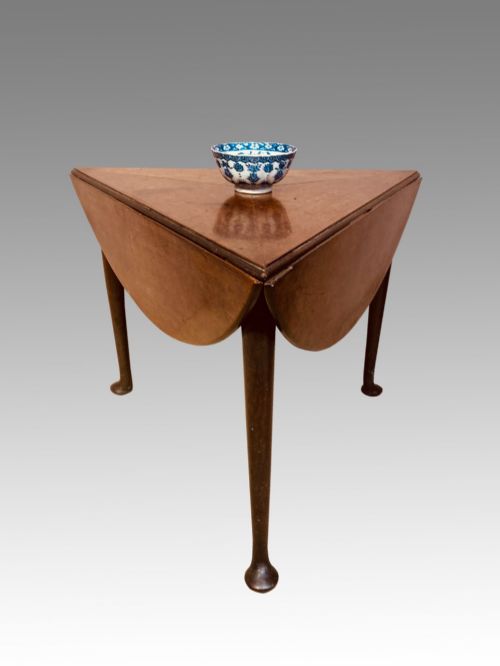
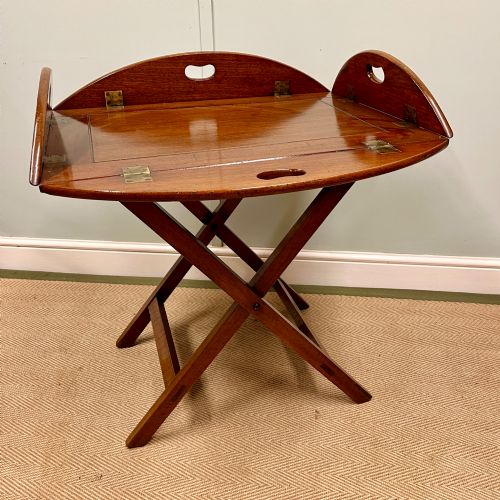
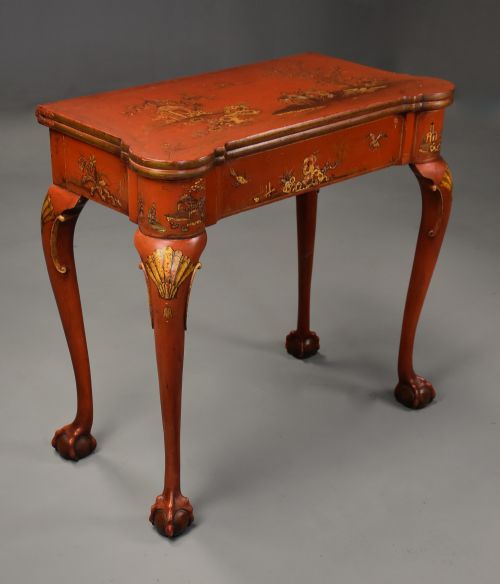
A georgian red side table brings rich timber tones and enduring proportions to an interior, whether formed as a compact lowboy or a fold-over tea table.
Georgian Red Side Table
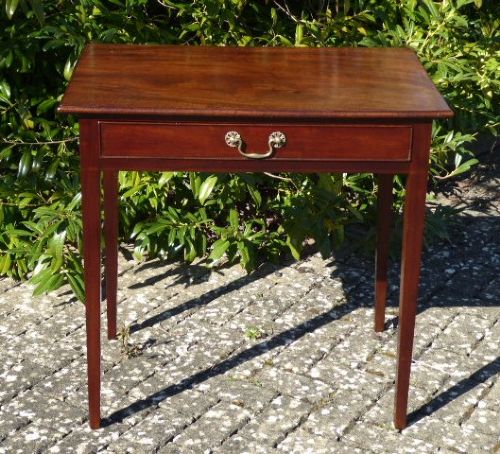
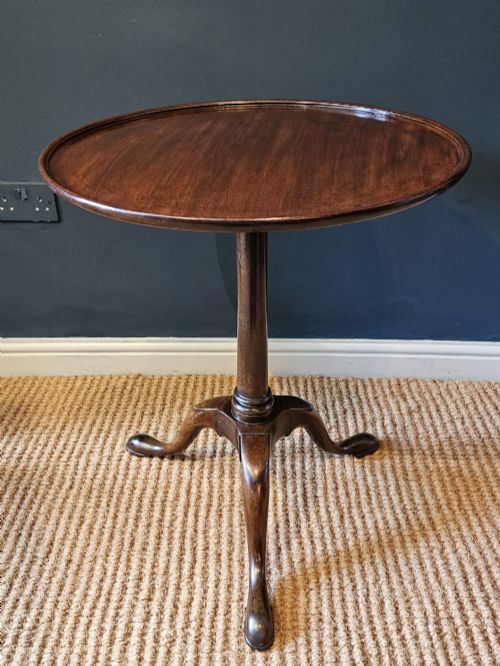
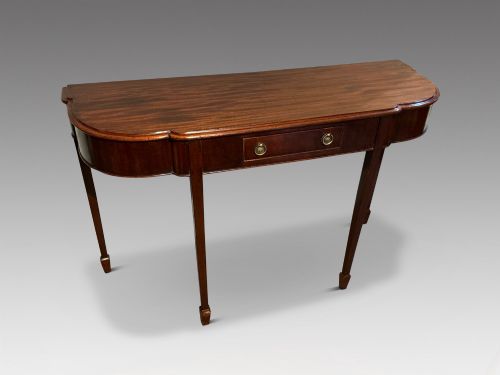
When you search for a georgian red side table, you encounter practical occasional furniture spanning the eighteenth and nineteenth centuries, alongside later revivals. The selection focuses heavily on mahogany and red walnut timber, taking forms such as lowboys, console tables, tripod tables, and single drawer side pieces.
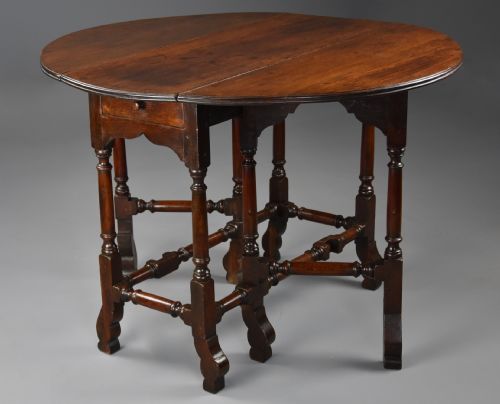
Most examples date from the Georgian and Regency periods, or reflect George II and George III styling, constructed for domestic utility in hallways, living spaces, and dining rooms. You will also find drop-leaf, gateleg, and games tables that demonstrate the versatility demanded by period interiors.
Makers and workshops produced these tables with varying configurations, from simple two-drawer designs to serpentine gallery tops and demi-lune consoles with marble inserts. The inventory spans straightforward utilitarian pieces through to refined examples featuring fine patination and carved details.
How they were made
Craftsmen utilised solid timbers such as mahogany and red walnut, often selecting figured boards for prominent surfaces like table tops and drawer fronts. Construction relied on traditional joinery methods, incorporating dovetailed drawer boxes and sturdy mortise and tenon frames.
Surface finishing involved hand-applied polish or lacquer, which built up a deep patina over decades of use. Decorative elements such as brass handles, gallery edges, and carved tripod bases were integrated into the structural design.
Materials span solid mahogany and red walnut, complemented by brass hardware, fabric inserts, and rouge marble tabletops.
What varies in quality
The distinction between standard and superior pieces rests on the choice of timber and the depth of its figuring. Well-chosen red walnut and figured mahogany display rich grain patterns that elevate the visual presence of the furniture.
Execution of detail defines the upper tier of these tables, from crisp carving on tripod legs and pie crust edges to the retention of original brass hardware. The integrity of the structure and the warmth of the aged patina ultimately determine the distinction.
The Georgian Red Side Table Glossary
- Lowboy
- A small dressing or side table featuring one or more rows of drawers supported on four legs. These low-standing tables date predominantly from the eighteenth century.
- Tripod Table
- A small occasional table supported by a central pillar above three spreading legs. Many examples feature a snap top mechanism to tilt the surface when not in use.
- Red Walnut
- A dense timber with warm reddish-brown tones favoured in cabinet making during the earlier eighteenth century. It yields a distinctive grain and deep natural lustre.
- Demi-Lune
- A half-moon shape utilised for console and side tables designed to sit flush against a wall. These tables often feature fold-over tops or marble inserts.
- Patina
- The surface sheen and softening of colour developed by timber over long periods of handling and exposure. It serves as an indicator of age and careful maintenance.
Georgian Red Side Table: Frequently Asked Questions
How were these tables used originally?
These tables served multiple functions in period homes, acting as surfaces for serving tea, writing letters, or displaying decorative objects.
Compact versions like lowboys and tripod tables were easily moved around rooms to meet daily domestic needs.
What is the difference between walnut and mahogany?
Walnut was favoured for cabinet work earlier in the eighteenth century, offering rich red-brown tones and complex grain patterns.
Mahogany became the dominant timber later in the Georgian period, known for its structural strength and deep finish.
How do I date an 18th century table?
Dating relies on examining construction methods, timber choices, and stylistic markers such as leg profiles and hardware.
Pie crust edges, pad feet, and specific stretcher arrangements often point towards precise decades within the Georgian era.
Can I use a side table in a modern room?
Their compact dimensions make these tables adaptable for placement in hallways, beside seating, or as lamp tables in contemporary spaces.
Rich timber tones provide warmth and contrast against modern interior finishes.