



Georgian Porcelain Teaware
Georgian porcelain teaware brings tangible history to the table, offering drinking vessels shaped by eighteenth and nineteenth century hands.
Georgian Porcelain Teaware
When you search for georgian porcelain teaware, you encounter vessels intended for tea and coffee service across the eighteenth and nineteenth centuries, spanning periods from the eighteenth century through the regency. The selection centres heavily upon Worcester productions, alongside pieces from Coalport, Spode, Davenport and Minton.
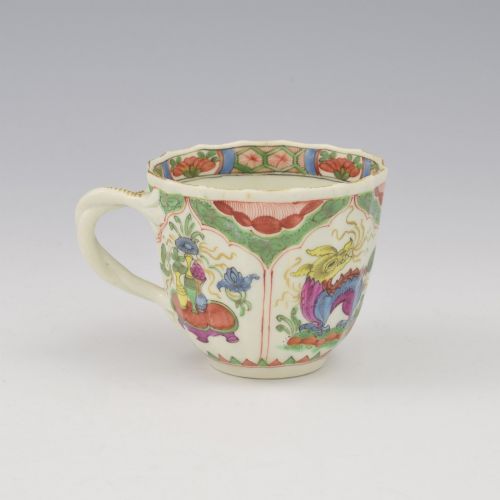
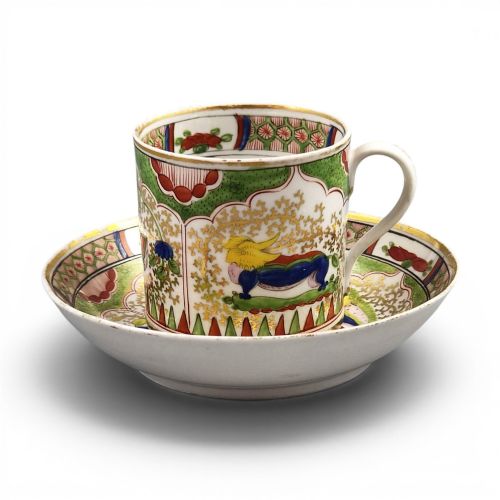
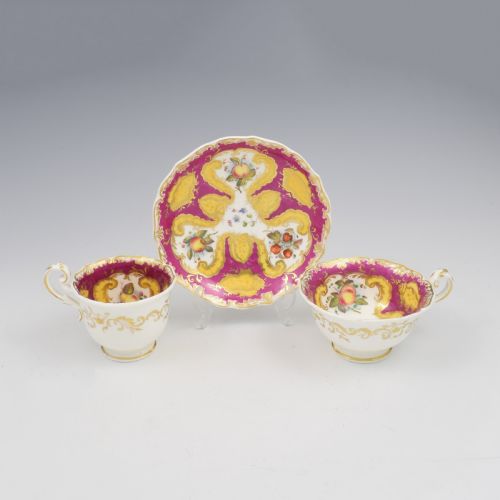
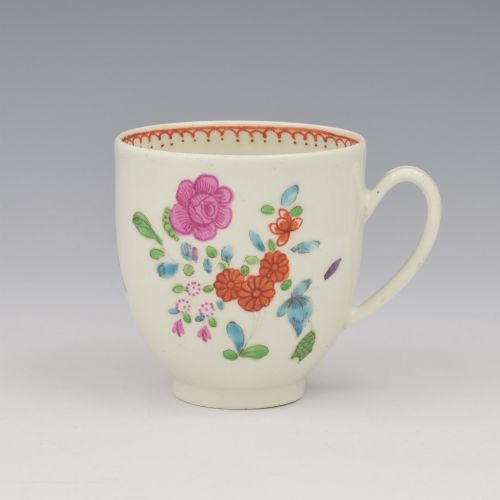
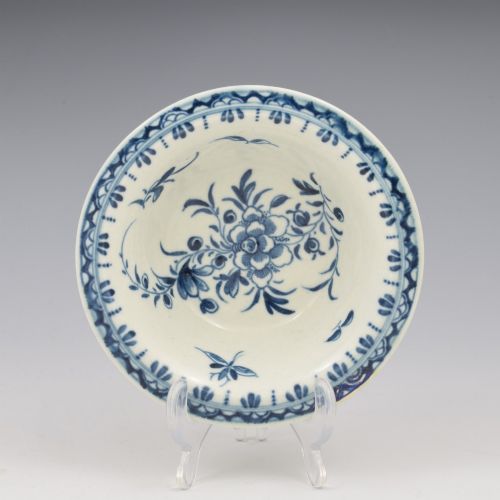
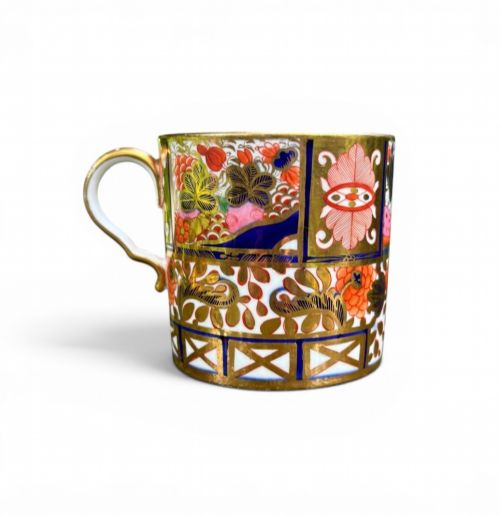
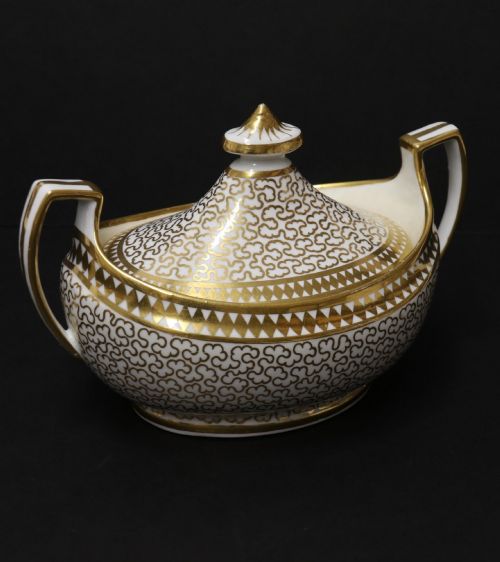
The forms encompass teacups and saucers, coffee cups and cans, tea bowls, sugar bowls, sucriers, teapots and decorative dishes. Many examples adopt established patterns such as dragon in compartments, mandarin, fence, cormorant and fancy birds.
The aesthetic vocabulary bridges delicate floral polychrome enamel work and striking chinoiserie motifs. Buyers find both individual items and matched trios representing domestic tea rituals of the period.
How they were made
Potters shaped these objects from soft-paste porcelain and bone china, applying smooth glazes before decorative firing. Artisans then added hand-painted enamel colours and details in gold leaf and gilding.
Specialised techniques defined specific factories, notably the blue crescent mark of early Worcester and the intricate pattern numbering used by subsequent potteries. Kiln temperatures and paste compositions dictated the translucent quality of each finished vessel.
Georgian Porcelain Teaware Retail Price Guide 2026
Typical asking prices for georgian porcelain teaware among the pieces listed under this phrase on Sellingantiques today, from the lower quarter to the upper quarter. They describe what is for sale here now, not the wider market.
Listings incorporate items spanning the eighteenth century, the regency era and the nineteenth century, utilising soft-paste porcelain, bone china, enamel and gold leaf.
What varies in quality
Quality rests upon the crispness of the painted enamel decoration and the precision of the gilding applied to the porcelain surface. Finer items display controlled brushwork on complex motifs such as chinoiserie figures or polychrome floral arrangements.
The integrity of the paste and glaze also distinguishes the manufacture, where smoother surfaces and well-balanced forms elevate a piece. The clarity of underglaze blue painting or overglaze enamels separates standard domestic wares from superior studio outputs.
Chamberlains Worcester·Spode·Coalport·Davenport·Minton
The Georgian Porcelain Teaware Glossary
- Soft-paste porcelain
- An artificial ceramic body fired at lower temperatures than true hard-paste porcelain, creating a warm, slightly creamy ground often found in early English factories.
- Tea bowl
- A handleless drinking vessel used for tea before the widespread adoption of teacups with handles during the late eighteenth century.
- Coffee can
- A straight-sided cylindrical cup designed specifically for drinking coffee, popular in Georgian services.
- Sucrier
- A covered vessel designed to hold sugar as part of a matching tea or coffee service.
- Chinoiserie
- European artistic style reflecting Chinese motifs and decorative themes, frequently executed in blue and white or polychrome enamel.
Georgian Porcelain Teaware: Frequently Asked Questions
What is a coffee can?
A coffee can is a small, straight-sided cylindrical cup without a handle, produced during the Georgian period specifically for serving coffee.
These vessels match contemporary saucers and often share the same enamel or painted patterns as accompanying teawares.
Did Georgian tea bowls have handles?
Traditional tea bowls from this era were made entirely without handles, requiring the drinker to hold the vessel directly in the hand.
By the nineteenth century, handled teacups largely replaced these bowls, though both forms appear across the period.
How should I display antique teaware?
These delicate porcelain objects suit secure display cabinets or shelves away from direct sunlight and heavy foot traffic.
Handling them requires care to protect fragile rims, delicate handles and applied gold leaf from accidental knocks.