




Georgian Porcelain Figurines
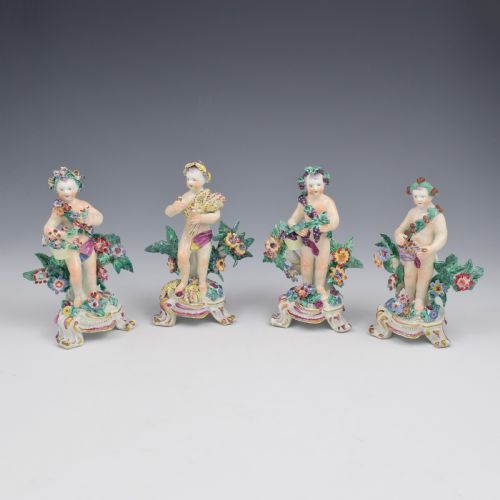
Georgian porcelain figurines bring the vitality of the eighteenth century to a mantelpiece, offering modelled figures and candlestick groups from Derby and Chelsea.
Identifying georgian porcelain figurines
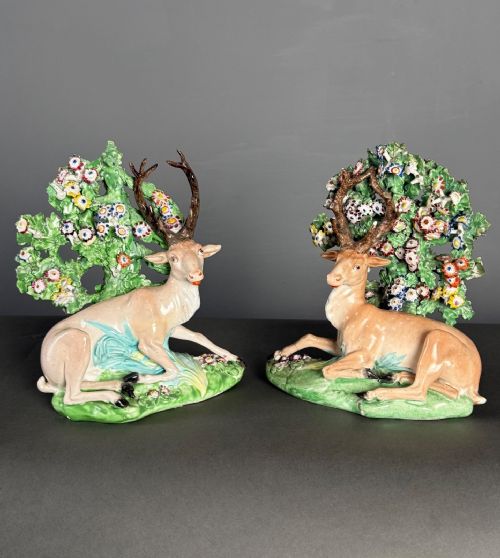
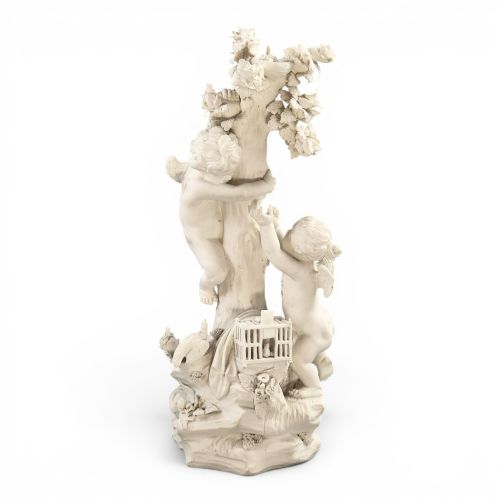
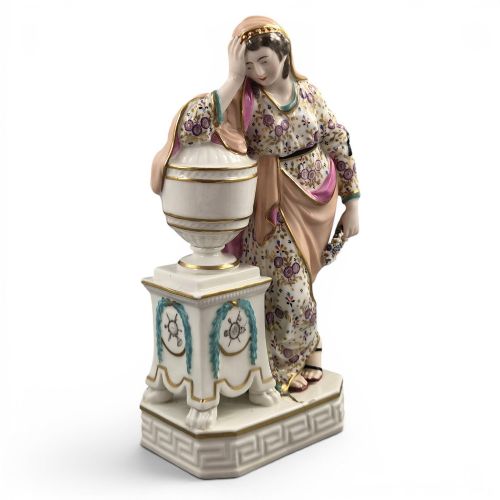
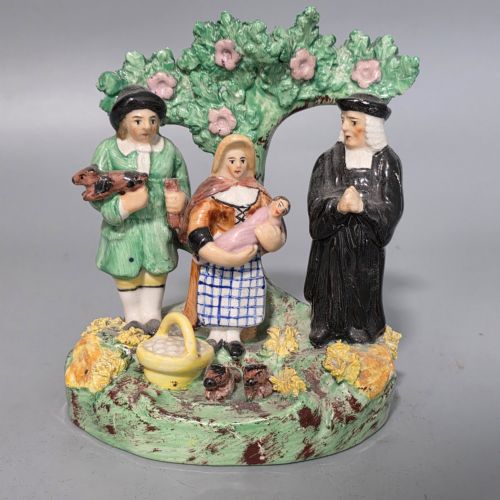
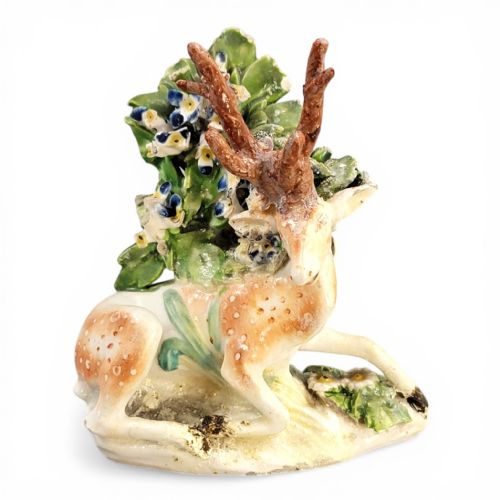
When you search for georgian porcelain figurines, you encounter eighteenth and nineteenth-century ceramic figures and candlestick groups modelled as animals, musicians, and gardeners. These pieces originate primarily from the Derby and Chelsea factories, spanning the eighteenth century and the early nineteenth century.
The objects take several distinct forms, from standalone pairs of animals and figures of young gardeners to elaborate candlestick groups featuring mandolin and bagpipe players. You are most likely to meet Derby pieces from the patch-mark period, alongside figures executed in the Chelsea style.
The styles recorded across these items encompass Georgian, Rococo, Rococo Revival, and Georgian Rococo. Such classifications reflect the decorative vocabulary of the period, uniting pastoral subjects with spirited modelling.
Materials and construction
These figures are constructed from soft-paste porcelain, a ceramic body characteristic of early English production that yields a warm tone under the glaze. Makers shaped the clay by hand or in moulds before applying detailed enamel colours.
Many examples incorporate gilding and gold leaf to highlight base details and costume trims. Candlestick figures integrate functional metal sockets or porcelain candle nozzles alongside the modelled human and animal forms.
Retail Price Guide 2026
Typical UK retail prices for georgian porcelain figurines, calculated from the Sellingantiques database of over a million retail prices indexed since 2003. This retail price guide relies exclusively on Sellingantiques data; no external sources or auction records are used, so the figures do not describe the wider market.
Musicians strumming mandolins and playing bagpipes stand ready to serenade your mantelpiece forever.
Judging quality and character
The application of gilding and the preservation of the soft-paste body distinguish superior pieces. Early production marks, such as the patch marks found on eighteenth-century Derby pieces, add historical integrity to the physical object.
Derby·Chelsea
The Georgian Porcelain Figurines Glossary
- Soft-paste porcelain
- An early ceramic composition of clay, glass frit, and ground minerals fired at lower temperatures than hard-paste porcelain. This material has a distinctive warm translucency.
- Patch mark
- Small unglazed spots on the underside or base of early porcelain left by the kiln props used during firing. These marks are a useful indicator of eighteenth-century production methods.
- Gilding
- The application of gold leaf or gold gilt to ceramic surfaces for decorative emphasis. On these figures, it highlights garments, bases, and candle nozzles.
- Rococo
- An ornate artistic style characterised by asymmetric scrolls, naturalistic motifs, and theatrical movement. It heavily influences the stances and bases of mid-eighteenth-century figures.
Frequently Asked Questions
What subjects do these figures show?
The pieces depict pastoral and musical subjects, including young gardeners, farmers, animals, and musicians playing instruments like mandolins and bagpipes. Candlestick figures combine these sculptural groups with functional lighting elements.
These subjects reflect eighteenth-century romanticised views of rural life and entertainment. Pairs of figures were often designed to sit symmetrically on either side of a fireplace or centrepiece.
How do I care for soft-paste porcelain?
Soft-paste porcelain requires gentle handling due to its porous nature and the delicate nature of applied enamel and gilding. Dusting with a soft brush is preferable to washing.
Keep these figures away from direct sunlight and areas prone to extreme temperature fluctuations to protect the enamel colours and gold leaf over time.
How do I identify patch-period pieces?
Patch-period pieces display small unglazed circular marks on the base where the item rested on kiln supports during firing. This technique is typical of eighteenth-century English factories like Derby.
Coupled with the tactile quality of soft-paste porcelain, these marks help distinguish early production runs from nineteenth-century revivals and later copies.
Were these figures meant for lighting?
Some pieces function specifically as candlesticks, integrating candle sockets alongside the modelled figures of musicians and shepherds. They combined ambient lighting with decorative table sculpture.
Other examples are purely figurine groups designed for display on mantelpieces and side tables rather than holding candles.