






Georgian Porcelain Display Plate
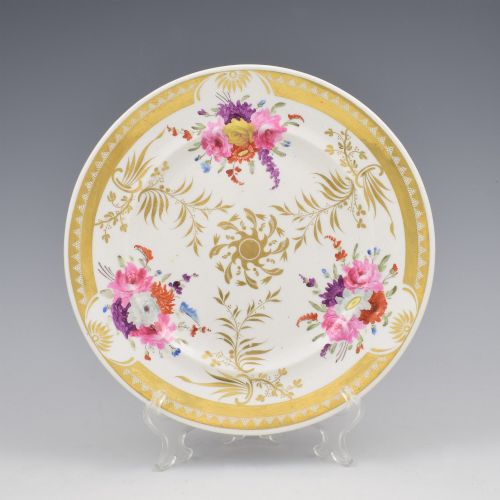
A georgian porcelain display plate brings cabinet-worthy decoration and painted botanical scenes straight to a surface.
Georgian Porcelain Display Plate
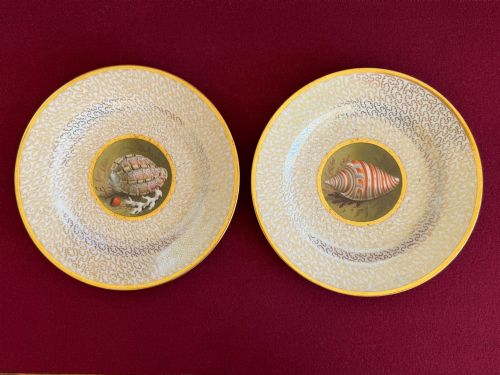
A georgian porcelain display plate forms part of a tradition of decorative tableware designed more for visual appreciation than for everyday dining. The examples gathered here span cabinet plates, dessert plates, and decorative chargers originating from the eighteenth and nineteenth centuries.
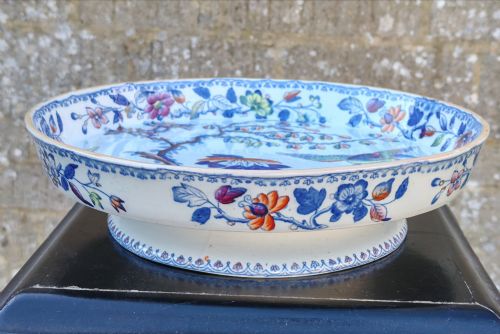
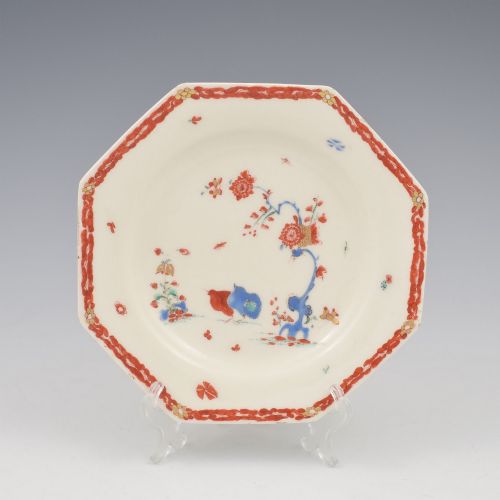
Most pieces date from the Georgian, Regency, and early nineteenth-century periods, showing forms such as octagonal plates and circular serving dishes. Makers and factories of the era produced these items in soft-paste porcelain, earthenware, ironstone, and stone china.
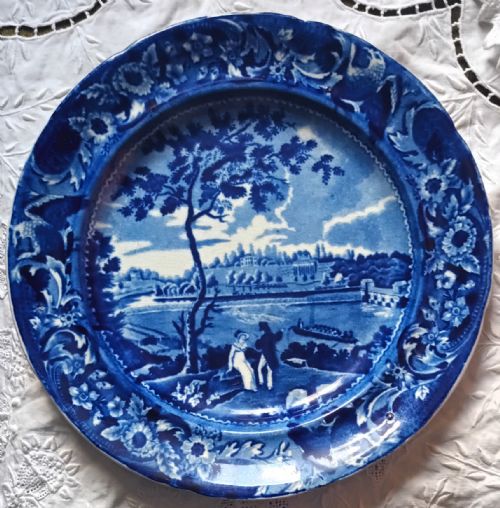
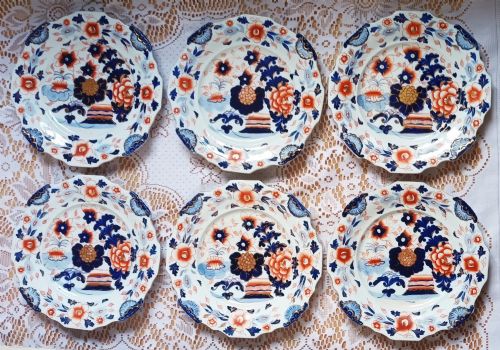
Buyers will encounter items decorated with hand-painted fruit, armorial crests, and transfer-printed scenes including blue and white landscapes. Many plates reflect popular aesthetic currents of their time, such as Chinoiserie and Imari palettes.
How they were made
Potters shaped these ceramics using soft-paste porcelain, stone china, or earthenware, which were then fired in kilns to create a stable ceramic body. Artisans applied hand-painted pigments and enamel details directly onto the glazed surfaces.
Gilding with gold leaf or gold gilt was added to borders and rims, often fired separately to secure the metallic finish. Transfer printing allowed factories to apply intricate multi-toned patterns before final glazing.
Georgian Porcelain Display Plate Retail Price Guide 2026
Typical asking prices for georgian porcelain display plate among the pieces listed under this phrase on Sellingantiques today, from the lower quarter to the upper quarter. They describe what is for sale here now, not the wider market.
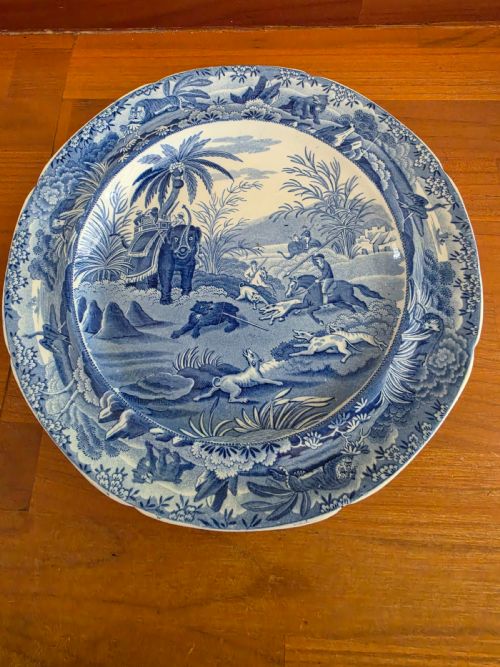
Several plates record dramatic moments, including a Spode piece titled Death of the Bear.
What varies in quality
Quality rests primarily on the skill of the painting and the crispness of the hand-applied enamel work. Plates featuring named artist work or detailed botanical studies sit higher up the scale than standard transfer-printed wares.
The precision of the gilding and the preservation of the porcelain body also divide ordinary utility ceramics from superior cabinet pieces. Intact armorial details and scarce patterns command greater attention from collectors.
Davenport·Flight, Barr & Barr·Bow Porcelain·Spode·Stubbs·Derby Porcelain·Coalport·Ridgway·New Hall·Bloor Derby
The Georgian Porcelain Display Plate Glossary
- Soft-paste porcelain
- A ceramic material composed of clay and glass frit, fired at lower temperatures than hard-paste porcelain. It produces a warm, slightly translucent body common in eighteenth-century English factories.
- Armorial plate
- A ceramic dish painted with the heraldic crest or coat of arms belonging to a specific family. These were usually commissioned as part of extensive bespoke dining services.
- Imari palette
- A decorative colour scheme inspired by Japanese export porcelain, typically combining underglaze cobalt blue with iron red and gilt highlights. English factories widely adopted this style during the Georgian period.
- Stone china
- A dense, durable ceramic body developed in the nineteenth century as a robust alternative to porcelain. It accepted transfer printing and enamel colours effectively.
- Enamel
- Opaque glass-based colour applied over the glaze of fired ceramic pieces. It required a subsequent low-temperature firing to fuse permanently to the plate.
Georgian Porcelain Display Plate: Frequently Asked Questions
How were these plates used?
These pieces served dessert courses or sat on sideboards and display stands to show off wealth and taste. They were intended for viewing in dining rooms and drawing rooms rather than heavy daily use.
Cabinet plates specifically remained on display in furniture rather than joining the dining service on the table.
How do I hang a display plate safely?
Use coated spring hangers that grip the rim without scratching the porcelain body or damaging the glaze. Ensure the wall fixing takes the full weight securely.
Avoid wire fixings that lack protective sleeves, as they can chip delicate edges over time.
How do I tell different periods apart?
Look at the ceramic body, weight, and glazing style to gauge the era of manufacture. Eighteenth-century pieces often employ soft-paste porcelain with softer translucency, while nineteenth-century items utilise ironstone and stone china.
Factory marks, where present on the base, provide direct evidence of the manufacturing period.
Can I use these plates for food?
Historic ceramics with surface enamel and old glazes are best reserved for display. Cleaning agents and acidic foods can damage delicate overglaze painting and fragile gilding.
Gentle dusting maintains the surface without risking the historic finish.