


Georgian Porcelain Dessert Dishes
Georgian porcelain dessert dishes bring the refined craft of eighteenth and nineteenth-century factories to the dining table.
Georgian Porcelain Dessert Dishes
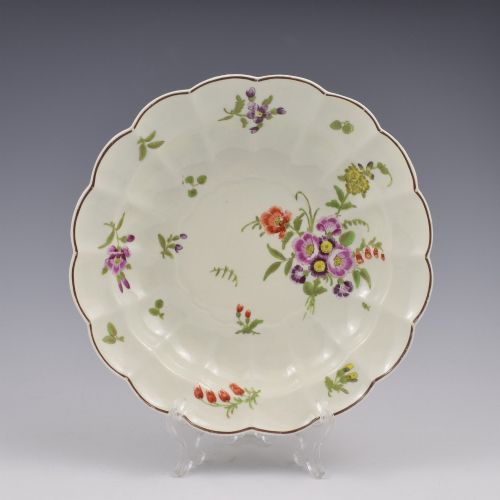
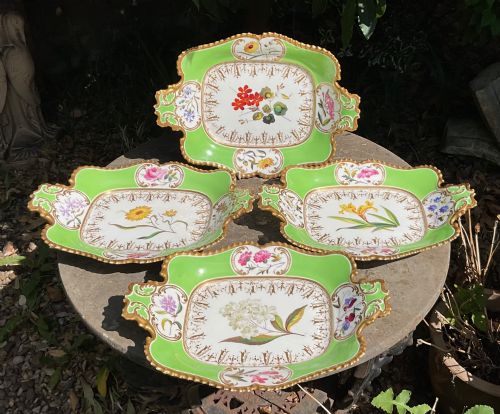
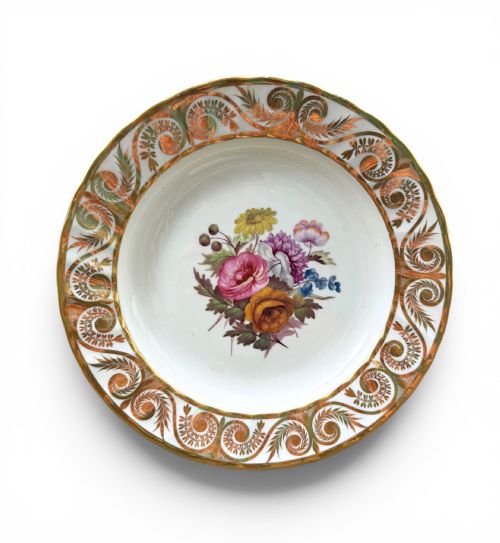
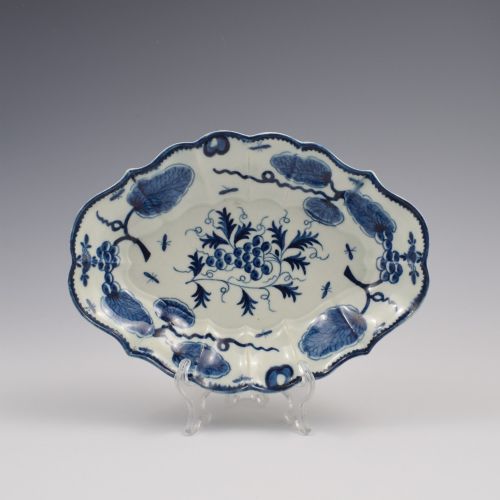
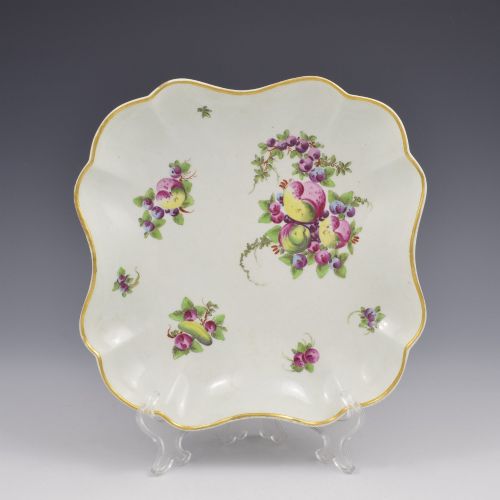
Georgian porcelain dessert dishes comprise serving pieces, plates, and shell stands made during the eighteenth and nineteenth centuries, including the Regency period. These items were designed to present fruit and sweetmeats at the end of a meal.
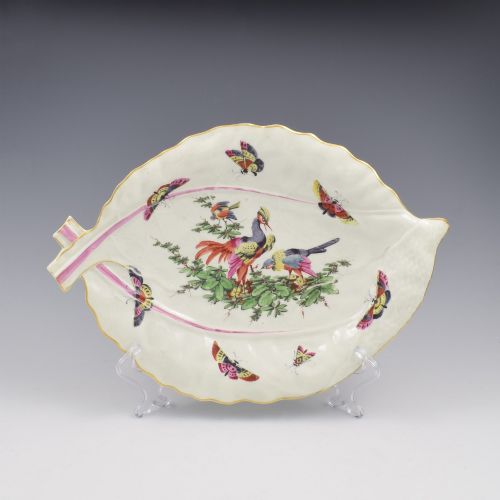
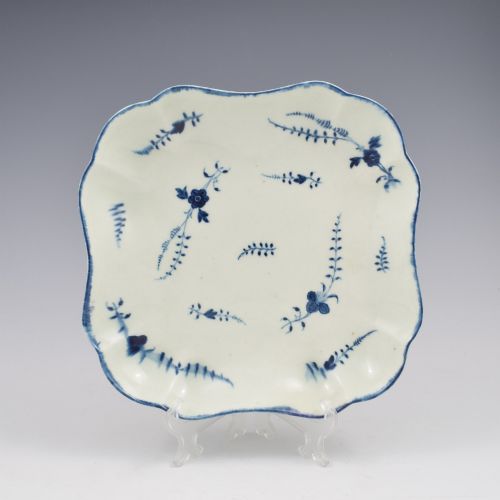
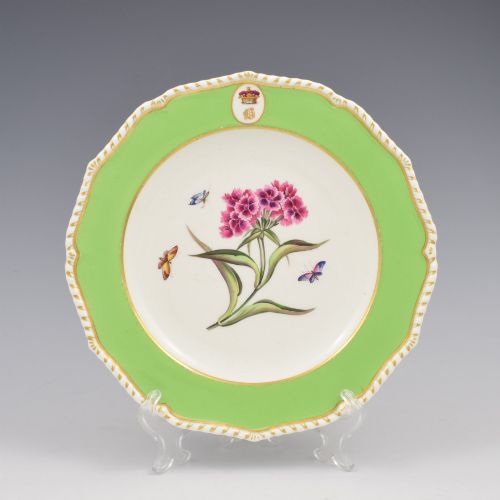
The selections encountered here range from early Worcester leaf dishes and Chantilly sprig patterns to armorial botanical plates by Bloor Derby and topographical views by Flight, Barr and Barr.
Distinctions in quality
Quality rests upon the crispness of the porcelain moulding and the skill evident in the hand-painted enamels. Pieces featuring named botanical specimens or complex armorial crests by known factories display superior artistic ambition.
Early soft-paste bodies show subtle variations in glaze pooling and translucency compared to later ironstone or standard porcelain wares. The precision of the gilding and the delicacy of the painted subject dictate the standing of each individual dish.
Several plates feature intricate depictions of Jabberwocky patterns and exotic birds peering out from painted foliage.
Chamberlains Worcester·Bloor Derby·Flight Barr and Barr·Masons Patent Ironstone
The Georgian Porcelain Dessert Dishes Glossary
- Soft-paste porcelain
- An artificial ceramic composition fired at lower temperatures than hard-paste, common in eighteenth-century English factories. It produces a warm, slightly creamy glaze surface.
- Armorial
- A design incorporating a family coat of arms or crest. These bespoke commissions were painted for landed families.
- Kakiemon
- A style of Japanese enamelling featuring asymmetrical floral and bird motifs. English factories frequently copied these palettes on porcelain dishes.
- Sweetmeat
- A confection of fruit or sugar served from specialised small dishes or stands. These vessels formed part of larger dessert services.
- Ironstone
- A dense, heavy ceramic body patented in the nineteenth century for durability. It offered a robust alternative to traditional porcelain.
Georgian Porcelain Dessert Dishes: Frequently Asked Questions
What were dessert dishes used for?
These dishes held fruit, sweetmeats, and confections served during the final course of a formal Georgian meal.
Hosts displayed them down the centre of the table or passed them among guests as decorative serving pieces.
How do I date these porcelain pieces?
Dating relies on factory marks, paste composition, and the prevailing decorative style of periods like the Regency or eighteenth century.
Early pieces often feature soft-paste bodies, whilst nineteenth-century examples utilise harder porcelain or ironstone.
Are these dishes safe for food?
Historic porcelain with old enamel and gilding is generally recommended for display rather than daily culinary use.
Hand-washing preserves the delicate overglaze enamel painting and gold leaf applied centuries ago.
What is an armorial dessert plate?
Armorial plates feature the hand-painted heraldic crest or coat of arms belonging to the original commissioning family.
These bespoke services marked the status and lineage of the dining host.