



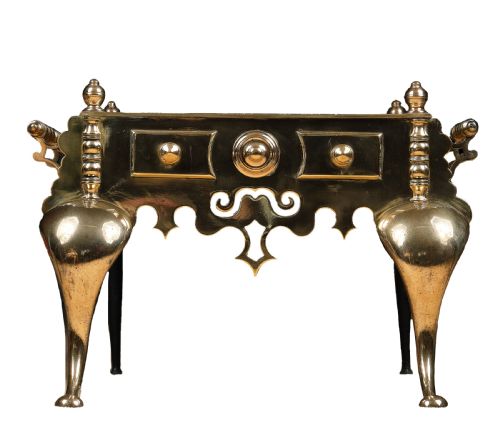

Georgian Polished Kettle
These georgian polished kettle examples bring the warmth of domestic hearths into modern spaces through enduring metalwork.
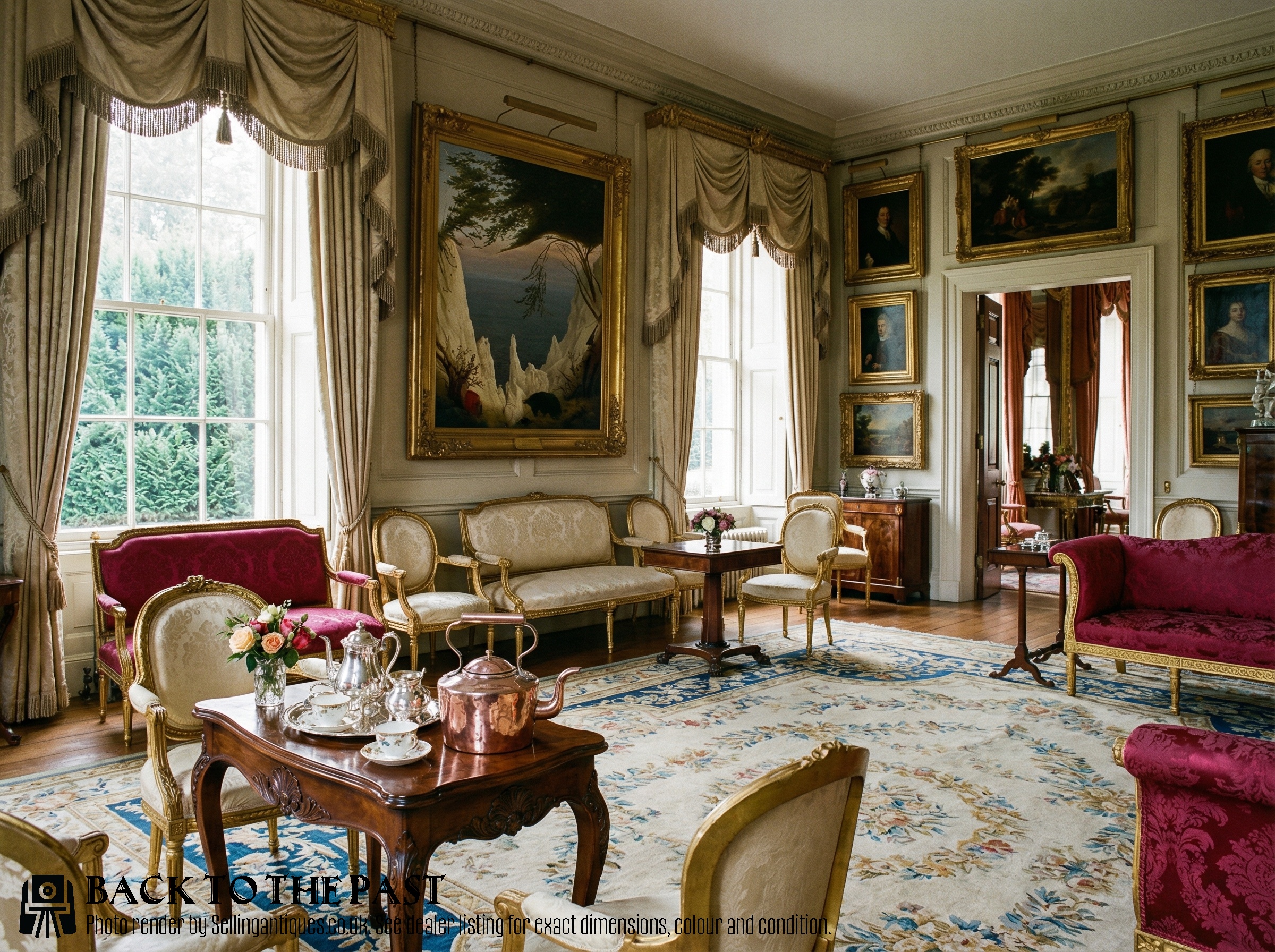
Georgian Polished Kettle
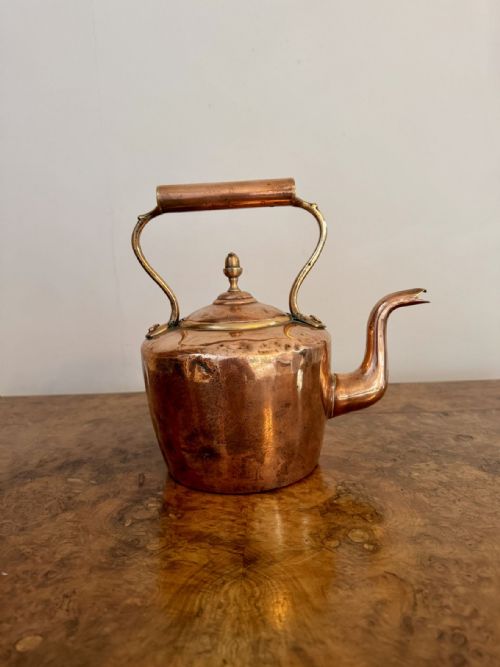
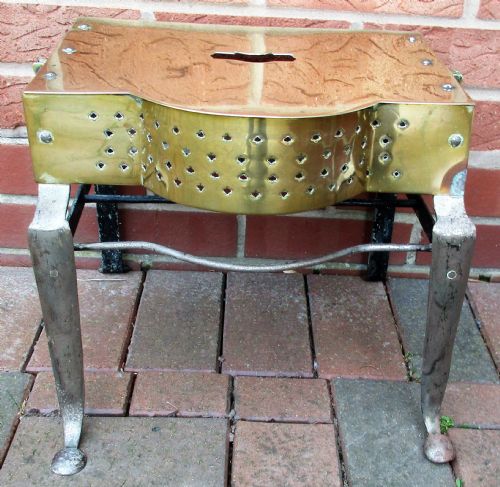
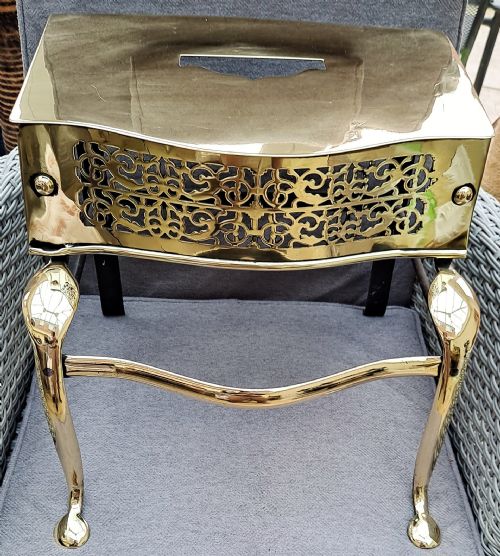
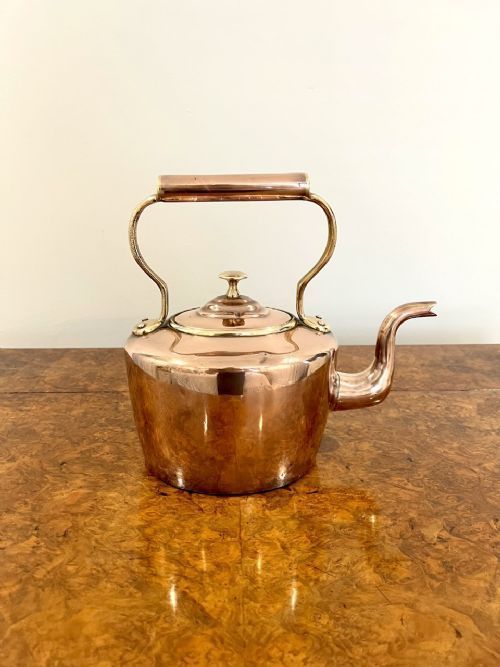
A georgian polished kettle is a domestic hearth vessel designed for heating water, sitting alongside related fireplace accessories like footmen, trivets, and coffee pots. The selection on this page centres heavily on George III copper and brass kettles from around eighteen hundred, alongside nineteenth-century steel and brass footmen.
Buyers encounter various forms ranging from small copper kettles to large oval shapes, as well as silver-plated Regency pieces and coffee pots. These items reflect the functional metalwork of domestic life during the Georgian and Regency periods, spanning the nineteenth century.
How they were made
The construction of these pieces relies on durable metals such as copper, brass, iron, and steel, occasionally incorporating wood, bone, or hard wood handles. Artisans shaped these materials by hand, polishing the copper and brass surfaces to a bright finish that caught the firelight in period rooms.
Makers combined brass and steel in hearth accessories like footmen, creating sturdy frames to support pots near the open fire. Silver plating also appears on select Regency vessels, offering a refined alternative to plain copper and brass.
Georgian Polished Kettle Retail Price Guide 2026
Typical asking prices for georgian polished kettle among the pieces listed under this phrase on Sellingantiques today, from the lower quarter to the upper quarter. They describe what is for sale here now, not the wider market.
Listings combine George III copper kettles with nineteenth-century brass and steel footmen.
What varies in quality
Quality in these metal vessels depends upon the heft of the gauge and the crispness of the shaping, particularly in the formation of spouts, handles, and seams. Superior examples show careful attention to surface finish, maintaining a bright polished appearance across the copper or brass body.
The integration of mixed materials, such as secure joints between steel legs and brass tops on footmen, distinguishes sturdier items. Proportion and scale also dictate worth, with well-balanced small and large kettles holding stronger visual presence.
The Georgian Polished Kettle Glossary
- Footman
- A metal stand placed in front of the hearth to keep food or kettles warm, typically constructed from brass and steel.
- Trivet
- A small three-legged support frame used near the fireplace for holding kettles and pots above the hearth floor.
- Old Sheffield
- A method of fusing a thin layer of silver onto a copper base, seen on Regency pieces.
- Oval shaped
- A curved body form found on select copper kettles, diverging from standard round vessels.
Georgian Polished Kettle: Frequently Asked Questions
How were these kettles used?
These vessels sat directly on the hearth or on trivets and footmen to boil water for tea and daily domestic needs.
Their polished metal surfaces reflected the open flames of the fireplace while serving a purely practical function in the kitchen or parlour.
What metals are most common?
Copper and brass dominate the selection, often paired with iron or steel for added structural support in hearth furniture.
Silver plate also appears on select Regency items, providing a distinct finish compared to standard polished copper.
How do I date a piece?
Dating relies on stylistic markers associated with the Georgian, George III, and Regency periods alongside nineteenth-century manufacturing traits.
Form, material combinations like brass and steel, and finishing techniques help place each item within its proper era.
Can I use them on a fire?
Most buyers treat these historical metal items as decorative display pieces for the hearth rather than functional cookware.
Polished surfaces and antique construction make them better suited for interior styling than daily boiling.