



Georgian Plate Warmer
These Georgian plate warmer pieces keep dinner warm by the hearth, combining practical dining utility with fine period woodwork and metalwork.
Georgian Plate Warmer
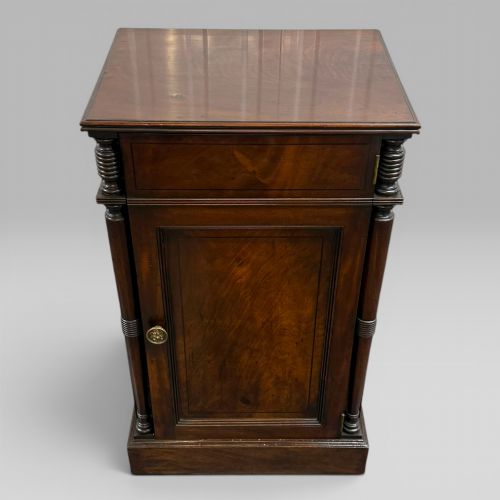
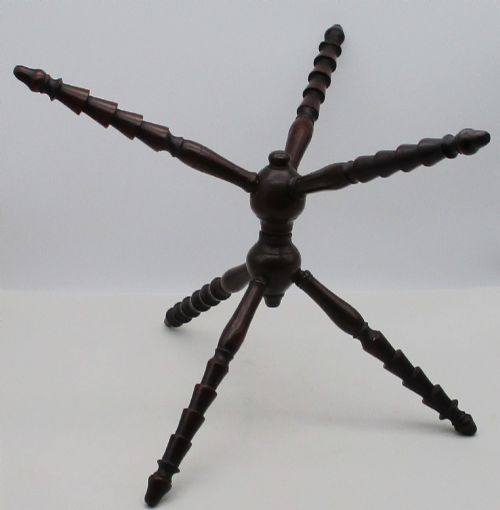
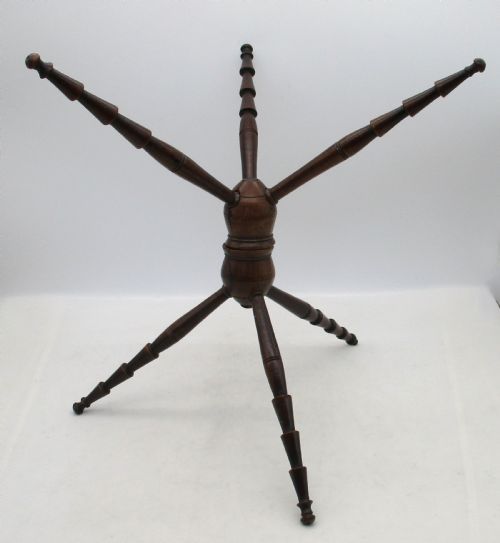
A georgian plate warmer encompasses fireside stands, rotating cats, and warming dishes designed to keep tableware hot before dining. You will most frequently encounter mahogany rotating fire cats, Old Sheffield plate warming dishes, and brass footmen on this page.
The objects span the eighteenth and nineteenth centuries, including specific forms like pedestals, argyle gravy warmers, and dish crosses. These serveware and hearth accessories reflect the dining habits of the period, when food needed protection against cooling during lengthy meals.
Materials and construction
Cabinetmakers utilised dense timbers like mahogany and oak to construct the stands and pedestals, often shaping them with rotating mechanisms. Metalworkers employed copper, brass, iron, and Old Sheffield plate to fabricate the vessels and dish warmers designed to hold hot water or embers.
Old Sheffield plate combined silver and copper fused together through heat and pressure, creating durable domestic metalware. Woodwork relied on traditional joinery and turning techniques to build stable fireside accessories that endured proximity to hearth heat.
Georgian Plate Warmer Retail Price Guide 2026
Typical asking prices for georgian plate warmer among the pieces listed under this phrase on Sellingantiques today, from the lower quarter to the upper quarter. They describe what is for sale here now, not the wider market.
Some rotating stands were called fire cats because their four legs and low posture mimicked a domestic pet warming itself by the hearth.
Factors of quality
Quality rests upon the crispness of the turning in wood items and the integrity of the fused metal on plated pieces. Superior examples display thoughtful proportions and careful execution of functional mechanics, such as rotating tops or fitted warming compartments.
Materials selection also distinguishes the range, where fine timber grain and substantial metal gauge indicate higher workshop standards. Better pieces retain their original mechanical components and structural harmony without clumsy alterations.
Gillows
The Georgian Plate Warmer Glossary
- Fire cat
- A small wooden or metal stand placed near the hearth to hold a plate or dish close to the fire. These clever items often feature rotating tops for convenience.
- Old Sheffield plate
- A composite metal made by fusing a thin layer of silver onto a heavier copper base. This technique preceded modern electroplating and produced rich domestic wares.
- Argyle
- A vessel designed to keep gravy warm by means of an internal cylinder filled with hot water. This kept animal fats from solidifying during winter meals.
- Footman
- A metal stand placed in front of the fireplace to support kettles or plates. They are typically fashioned from solid brass or iron.
Georgian Plate Warmer: Frequently Asked Questions
What is a plate warmer used for?
These items kept dinner plates and serving dishes warm before food reached the table in unheated dining rooms. Servants placed them near the hearth or filled their internal compartments with hot water.
They bridged the distance between the kitchen and the dining table, ensuring meat fats and sauces remained fluid during long Georgian meals.
What is Old Sheffield plate?
Old Sheffield plate is an early form of plated metal created by fusing silver sheets onto a thick copper ingot. This composite block was then rolled into sheets for manufacturing tableware.
Under magnification or wear, you can sometimes spot the reddish copper core showing through the thin silver layer along exposed edges.
How do I date a Georgian piece?
Dating relies upon timber selection, construction methods, and stylistic cues characteristic of the eighteenth and early nineteenth centuries. Mahogany grain, dovetail joints, and hand-beaten metal surfaces offer reliable chronological clues.
Comparing the specific hardware and turning styles against known examples helps narrow the decade of manufacture.