


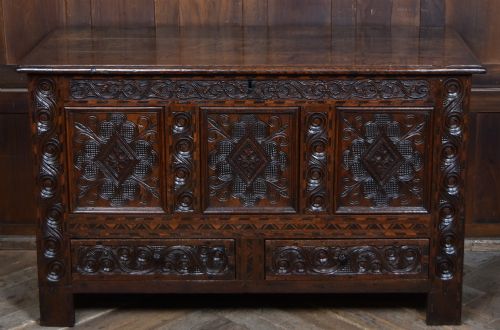
Georgian Period Wooden Chest
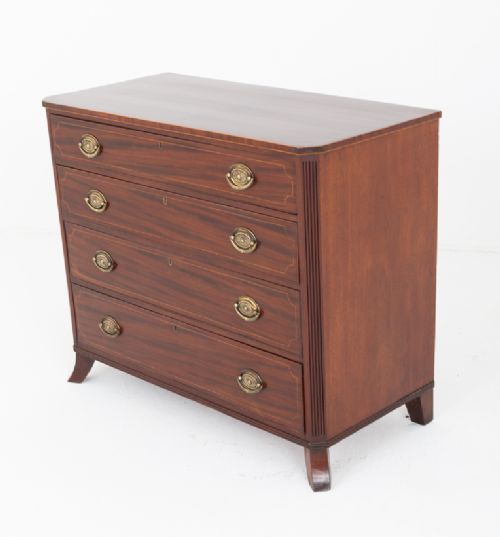
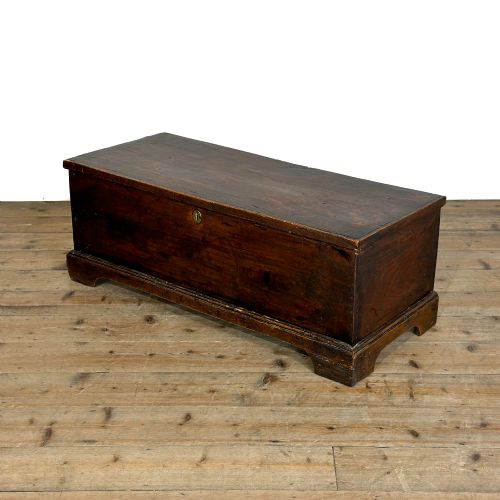
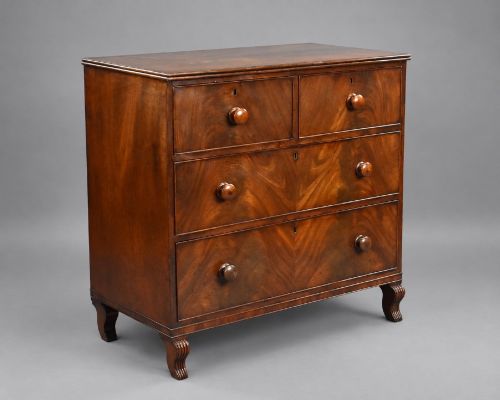
A georgian period wooden chest offers practical storage through centuries of craftsmanship, taking the form of sturdy oak coffers or figured mahogany drawers.
Georgian Period Wooden Chest
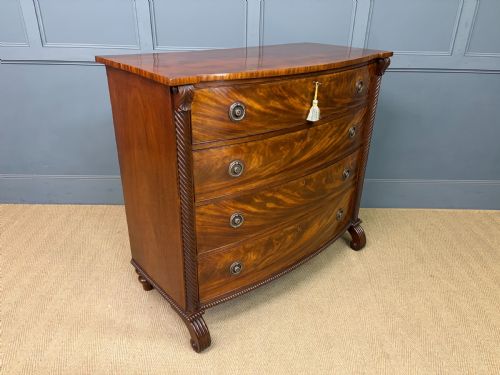
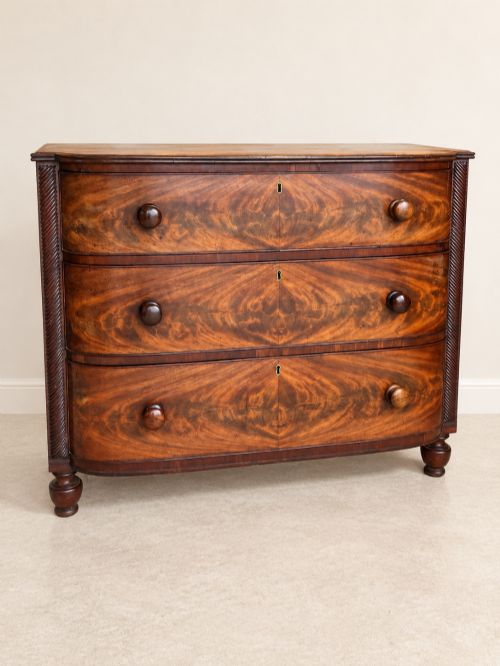
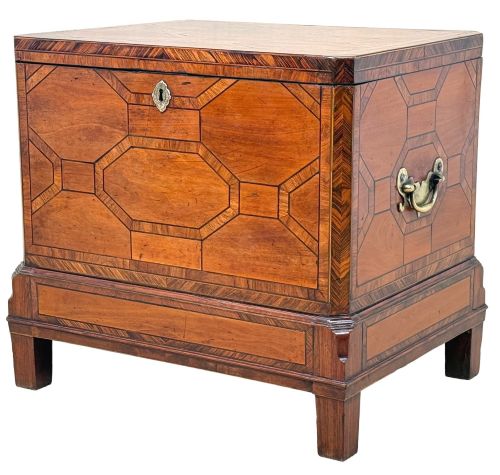
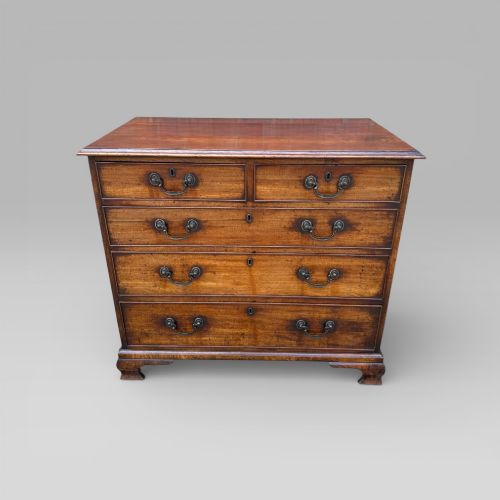
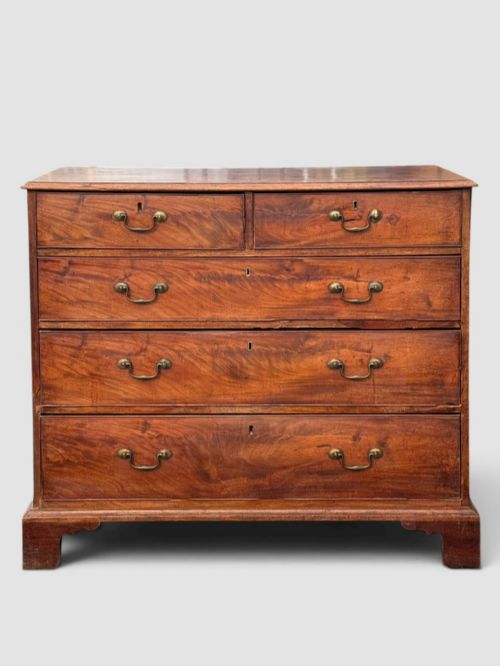
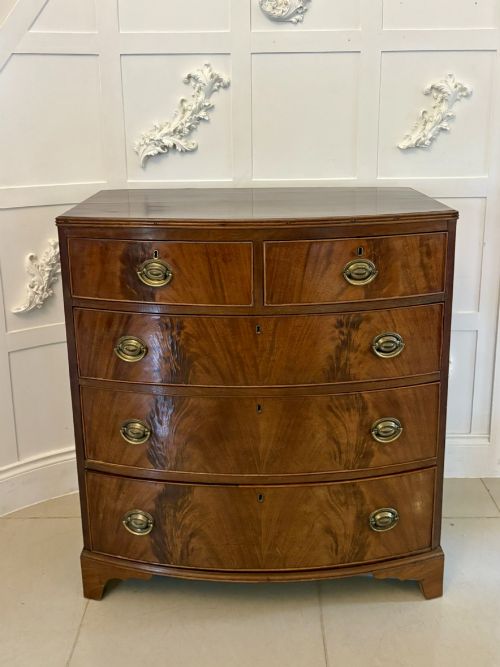
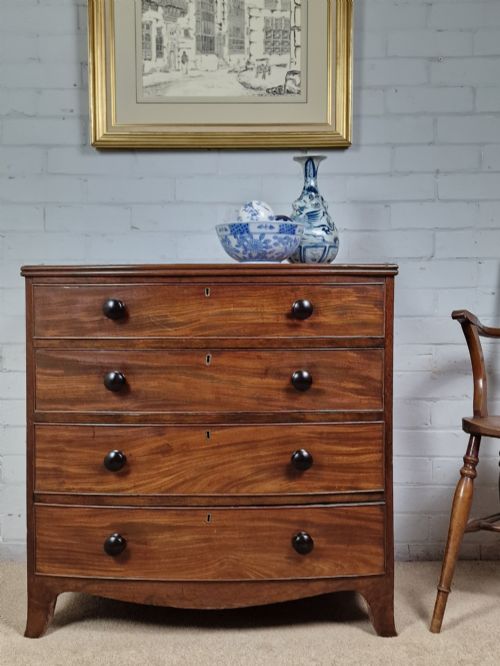
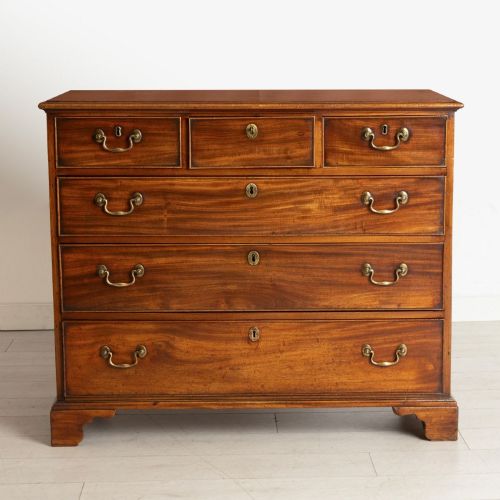
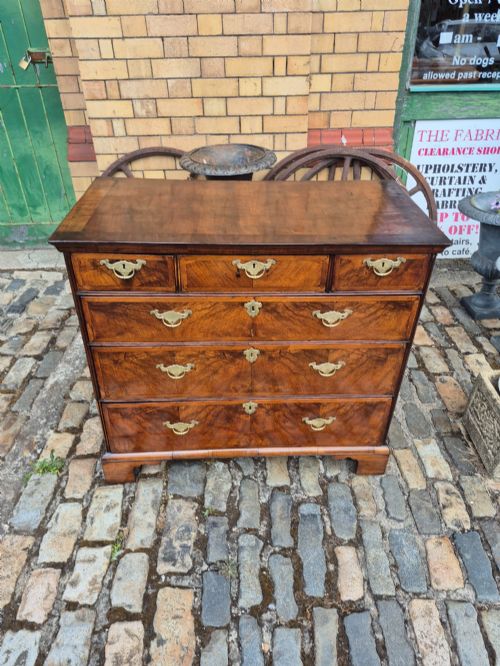
When searching for a georgian period wooden chest, buyers encounter a variety of forms including chests of drawers, blanket chests, coffers, and cellarettes. The listings on this page most frequently present mahogany and oak chests of drawers spanning the Georgian, Regency, and eighteenth-century periods.
These items range from modest elm blanket chests and oak bible boxes to substantial bow-fronted mahogany chests and walnut pieces on stands. Each version serves storage needs while displaying the proportions and timber selections characteristic of eighteenth and early nineteenth-century cabinet making.
How they were made
Cabinet makers utilised dense hardwoods such as oak, mahogany, walnut, and elm, often applying flame mahogany veneer to primary surfaces for visual depth. Construction relied on tight joinery, with brass handles and escutcheons fitted to drawer fronts and lids.
Surfaces received careful finishing to highlight the natural grain of the timber, whilst specialised pieces incorporated iron hardware or internal divisions for specific domestic uses.
Several listings include close stools cleverly disguised as small bedside chests, proving that eighteenth-century discretion had a sense of humour.
What varies in quality
Quality rests upon the selection of timber figures, such as highly grained flame mahogany or richly patinated pollard oak, and the precision of the underlying construction. Superior examples maintain original brass hardware, uncompromised drawer linings, and crisp geometric mouldings or carvings.
Pieces that retain a deep, natural patina and unblemished structural integrity distinguish themselves from items with extensive timber replacement or altered surfaces.
J Moorcroft
The Georgian Period Wooden Chest Glossary
- Coffer
- A heavy storage chest, typically constructed from oak and hinged at the top. These pieces often feature carved panels and served as early domestic furniture for linens and valuables.
- Cellarette
- A lockable container used for storing wine bottles, frequently found in mahogany or pollard oak during the Georgian and Regency periods. They sat on the floor or on dedicated stands.
- Bow front
- A convex, curved front profile popular on Georgian and Regency chests of drawers. This styling softens the geometric angles of case furniture.
- Chest on stand
- A tall storage form where a set of drawers sits elevated upon a separate or integrated base with legs. Examples in walnut and oak appear from the early eighteenth century.
- Patina
- The surface sheen and colour developed by wood over centuries of handling and exposure to light. A desirable depth of patina indicates age and gentle maintenance.
Georgian Period Wooden Chest: Frequently Asked Questions
What is a georgian period wooden chest used for?
These chests primarily served domestic storage needs, holding garments, linens, documents, and valuables in bedrooms and living spaces.
Today, buyers utilise them in hallways, bedrooms, and sitting rooms as functional storage surfaces that anchor a room's interior design.
How do I identify a Georgian chest?
Look for characteristic proportions, timber choices such as mahogany, oak, or walnut, and period-specific hardware like brass drop handles or escutcheons.
Examination of the drawer construction, dovetailing, and backboards also helps confirm the manufacturing era.
Are these chests suitable for daily use?
Solid hardwood construction and sturdy joinery make these pieces durable enough for everyday storage requirements in modern homes.
Care should be taken to maintain stable humidity levels to protect older veneers and solid timber panels from movement.
What is the difference between a coffer and a chest of drawers?
A coffer opens from a single hinged lid at the top, representing an older form of box storage designed primarily for bulky items.
A chest of drawers incorporates multiple horizontally sliding compartments accessed via individual pulls, offering organised storage for smaller garments.