

Georgian Period Storage
Georgian period storage comprises timber chests, cabinets and caddies built to hold household goods with practicality and simple proportion.
Georgian Period Storage
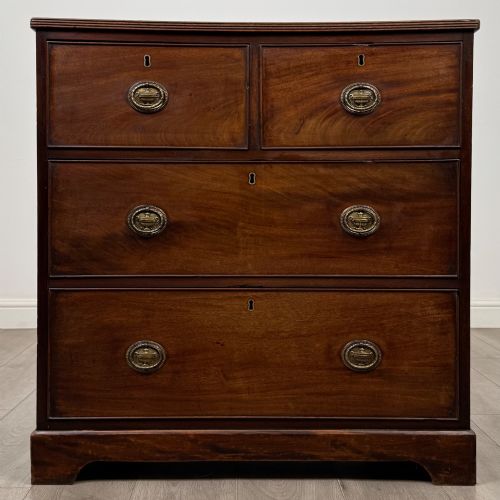
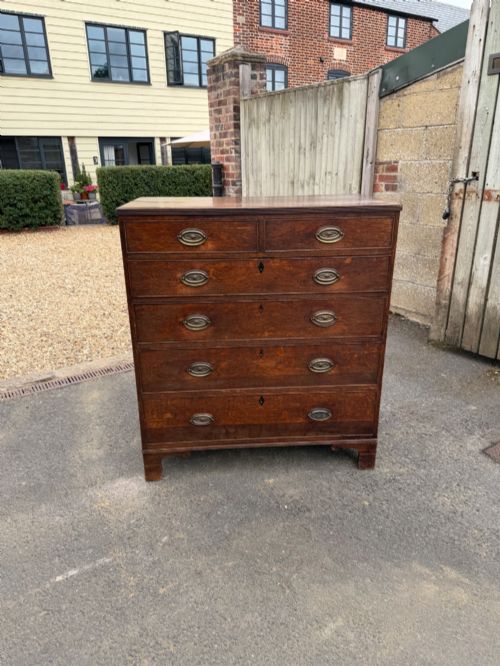
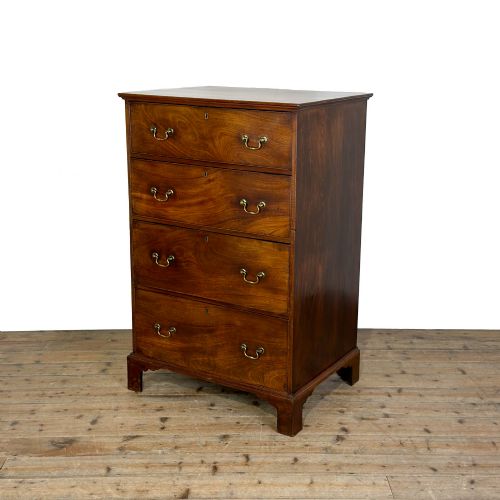
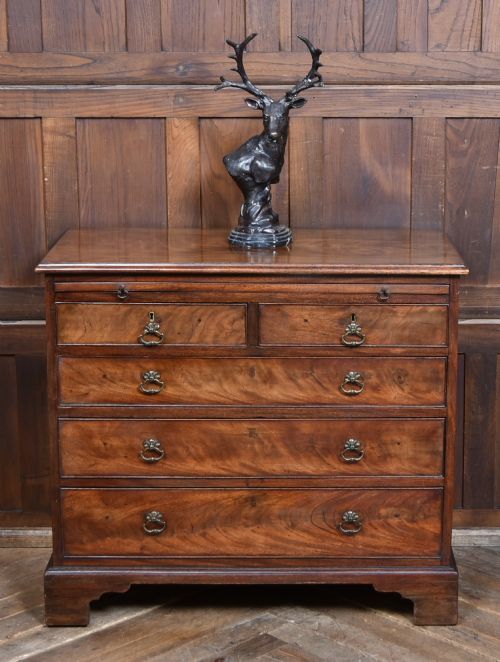
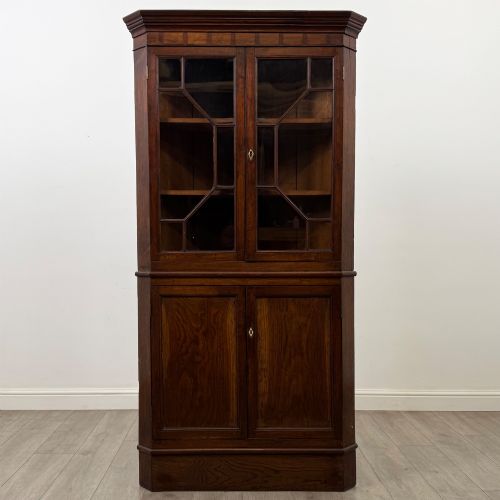
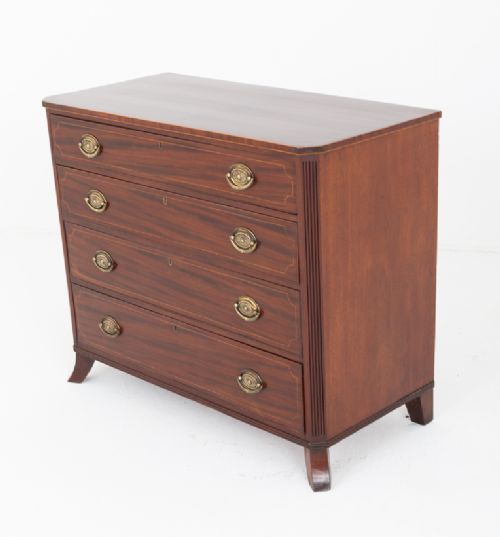
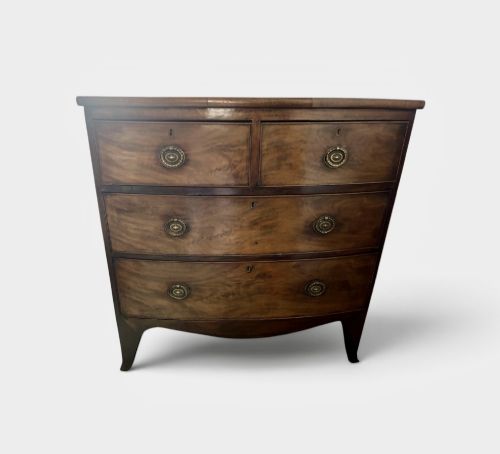
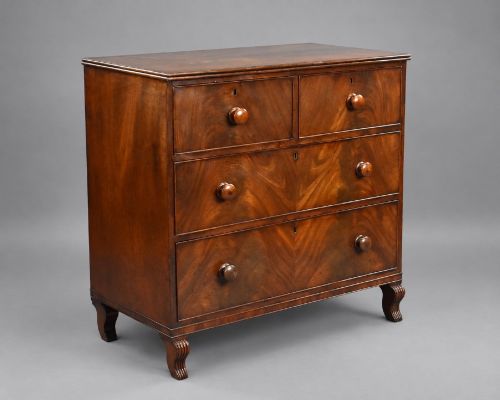
Georgian period storage centres on mahogany and oak chests of drawers, coffers and corner cupboards produced across the eighteenth and early nineteenth centuries. These pieces served domestic households for linen, silver, documents and small personal items, adopting rectilinear or bow-fronted profiles that suited domestic rooms.
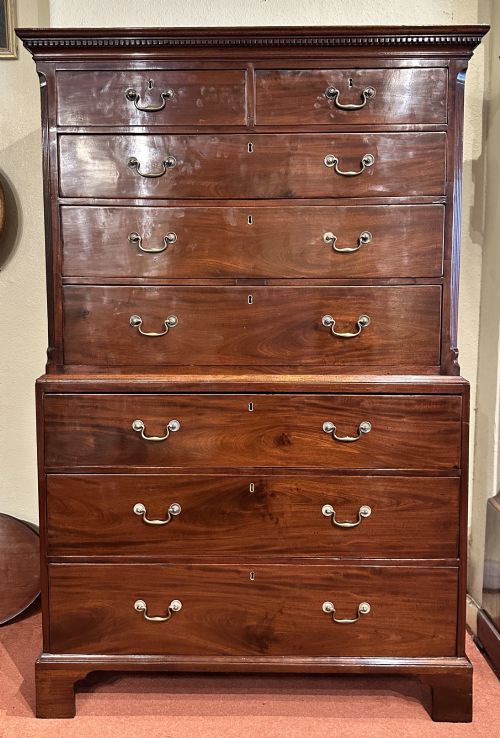
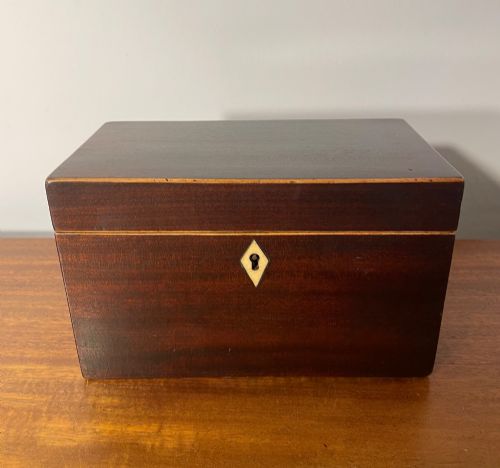
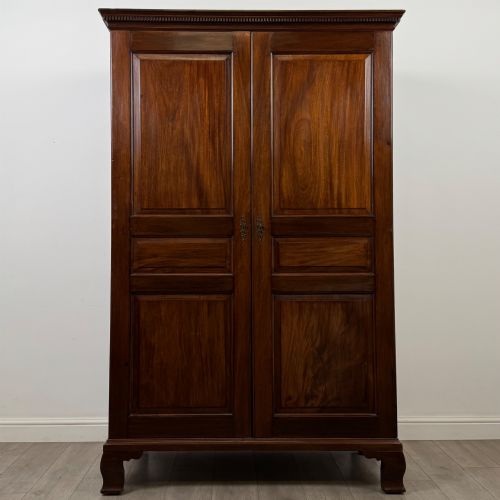
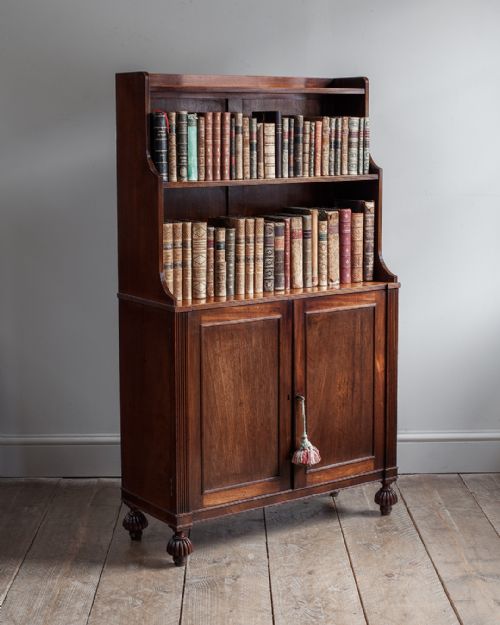
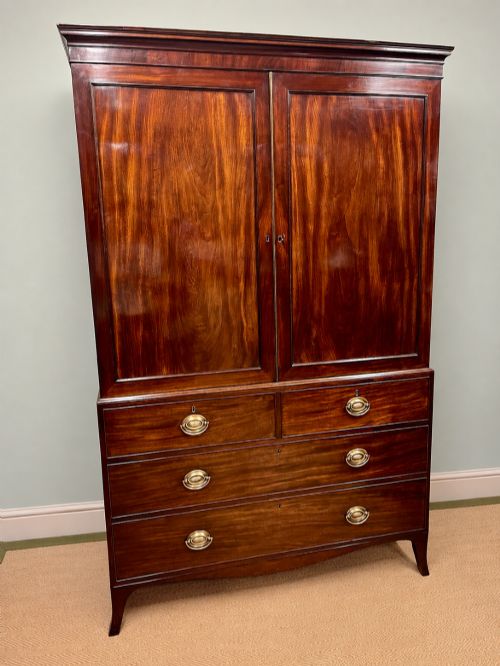
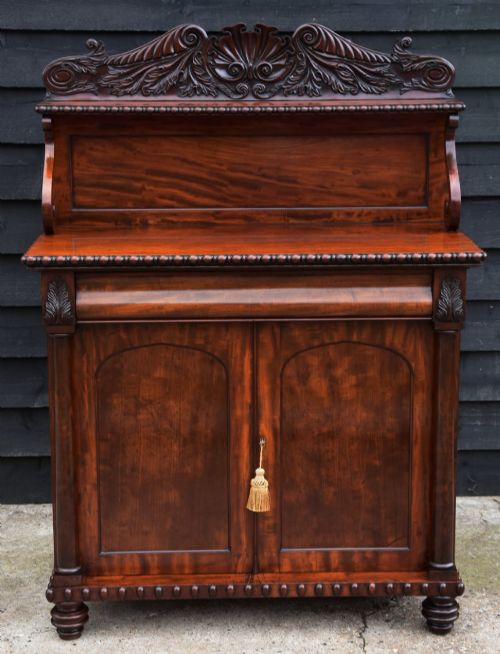
Chest variants include tall chest-on-chest forms, linen presses and smaller tea caddies, alongside sideboards and chiffoniers from the Regency era. Oak coffers and blanket chests represent earlier vernacular traditions, while mahogany pieces display the refined cabinet-making styles associated with George III and Chippendale designs.
Quality and Proportion
Quality rests upon the selection of timber figures, such as matched flame mahogany or figured burr oak, and the precision of the underlying joinery. The crispness of carved details, the retention of original brass fittings and the integrity of drawer linings distinguish superior examples.
Proportion and balance dictate the architectural success of a piece, from the sweep of a bow-front chest to the execution of bracket feet or cornices. Surface patina earned through age indicates how well a piece has been maintained over centuries.
Cellarettes and wine coolers from the Regency period were built heavy enough to keep fine vintages secure and cool near the dining table.
J Moorcroft
The Georgian Period Storage Glossary
- Chest-on-chest
- A tall storage unit comprising one chest stacked directly on top of another, often pairing smaller drawers above larger ones.
- Coffer
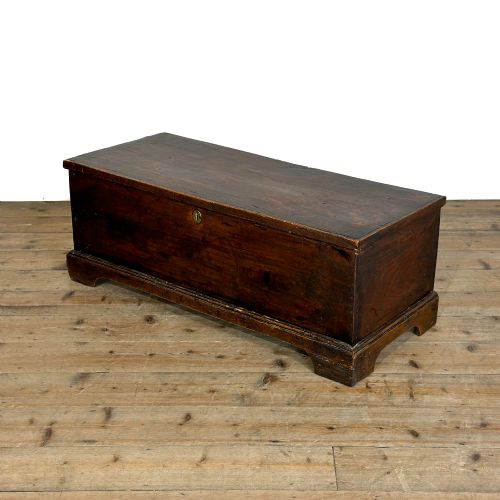
- A heavy wooden box with a hinged lid used originally for storing valuables, linens or dry goods.
- Bow front
- A cabinet or chest front that curves outward in a convex shape, popular in late eighteenth and Regency design.
- Chiffonier
- A low sideboard or cabinet featuring shelves or a small superstructure, developed during the Regency period.
- Linen press
- A tall cabinet enclosing sliding trays or shelves designed specifically to store household linen and garments.
Georgian Period Storage: Frequently Asked Questions
What was a tea caddy used for?
Tea caddies served to store precious loose tea leaves securely under lock and key in the parlour or dining room. Tea was an expensive commodity in the Georgian era, requiring dedicated wooden or brass-mounted containers to protect the contents from dampness and theft.
Many examples feature internal compartments with fitted lids for different varieties of tea. Their compact construction made them portable items moved easily around the home.
How do I identify a George III chest?
George III chests typically display solid mahogany or oak construction with hand-cut dovetails on the drawer sides and original brass pull handles. The proportions follow classical architectural rules, often standing on bracket feet or short ogee feet.
Inspect the secondary timbers inside the drawers, such as oak or pine, to confirm period authenticity. The absence of machine-tooled marks and the presence of hand-planed surfaces help distinguish these pieces from later reproductions.
Where should I place an oak coffer?
Oak coffers function well as blanket chests at the foot of a bed, as window seats, or as hall storage for shoes and textiles. Their robust construction and flat lids allow them to double as occasional seating or display surfaces in living spaces.
Keep wooden coffers away from direct heat sources and radiators to prevent the dry oak panels from splitting. Natural beeswax applied occasionally helps maintain the surface sheen and nourishes the aged timber.
What is the difference between a coffer and a chest?
A coffer generally denotes an earlier, heavier storage box constructed with framed panels and a hinged lid, often associated with seventeenth-century vernacular joinery. A chest of drawers introduces internal sliding compartments accessed vertically or horizontally through pull-out drawers.
Chests evolved to offer more organised storage for clothing and documents without requiring items to be stacked on top of one another. Both forms share roots in medieval trunk-making traditions before cabinet-making specialisations took hold.