
Georgian Period Portrait
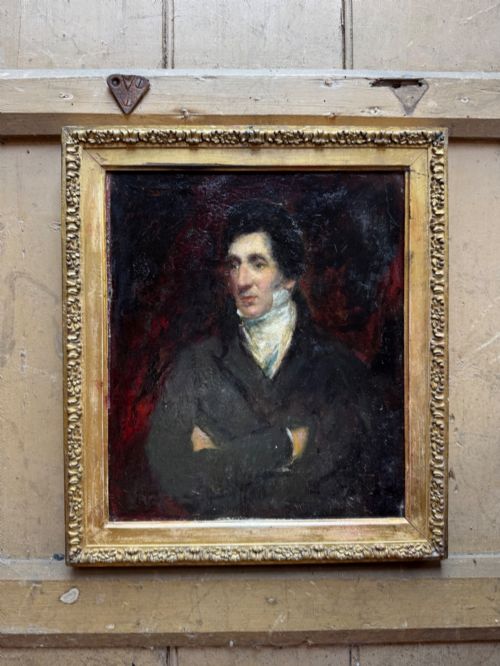
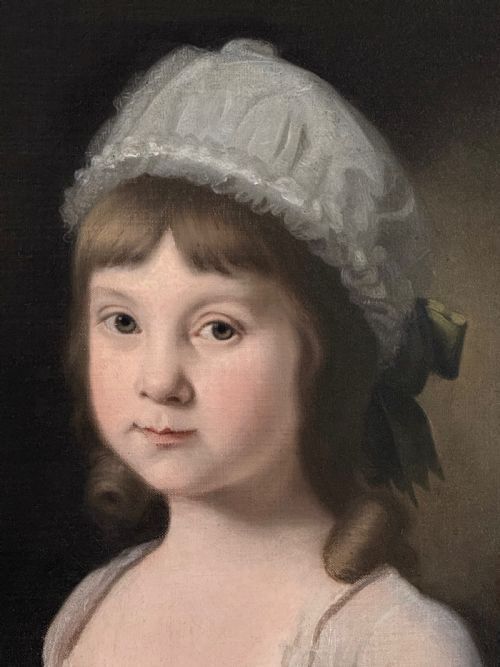
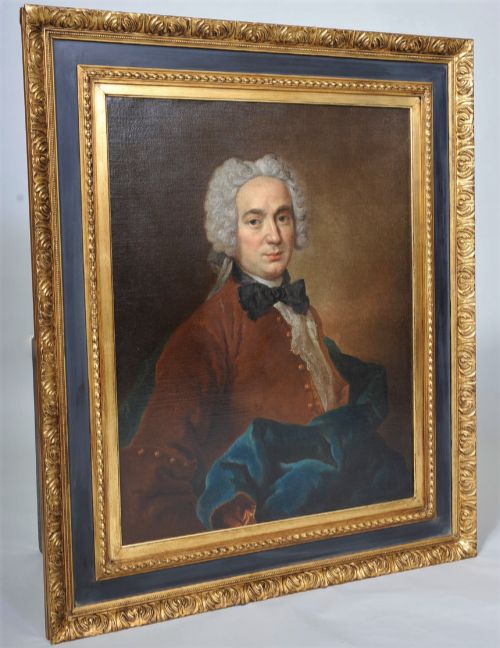
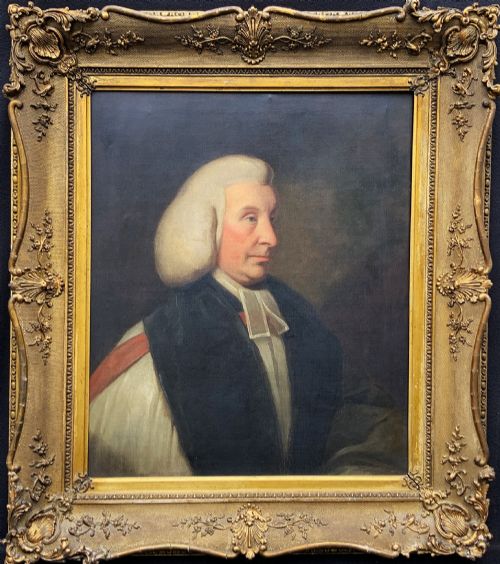
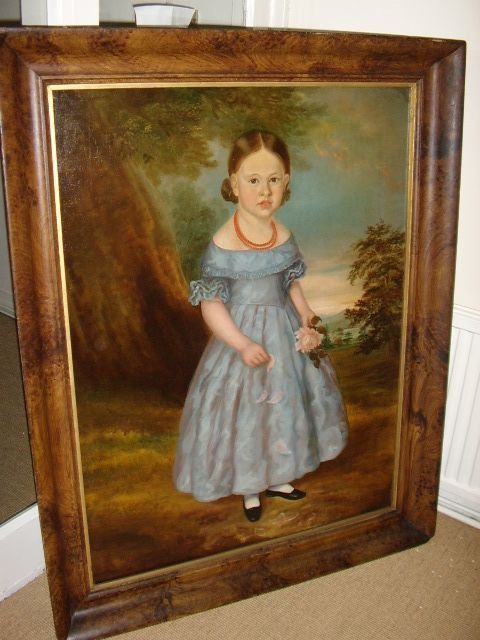
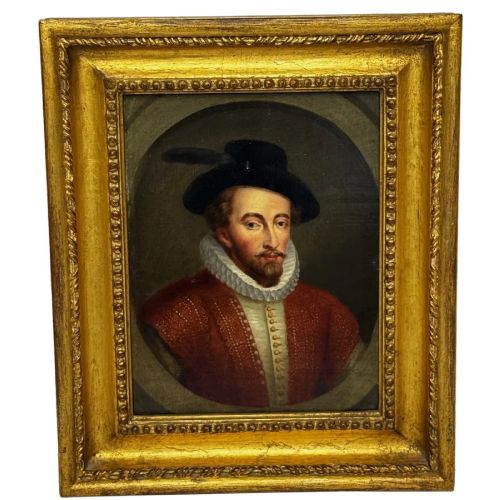
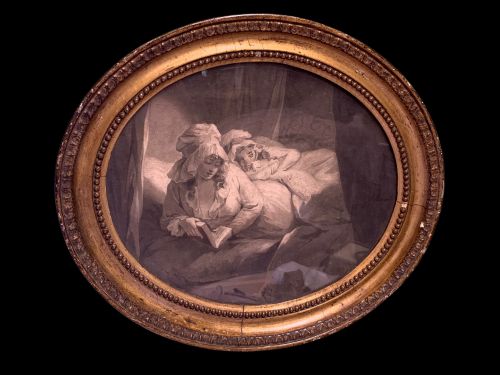
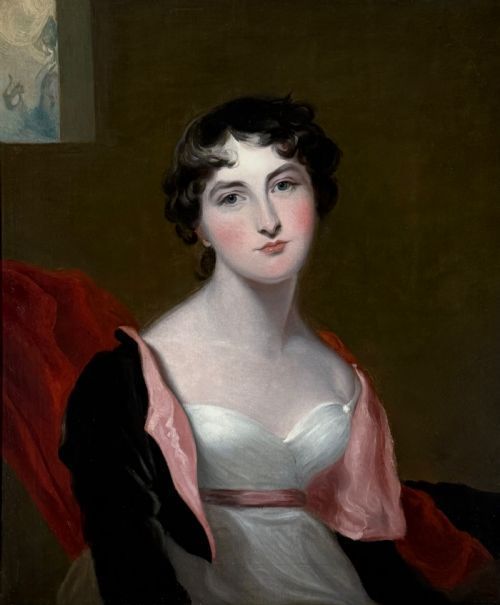
A georgian period portrait captures the faces and characters of past centuries through oil on canvas, delicate pastels, and detailed engravings.
Georgian Period Portrait
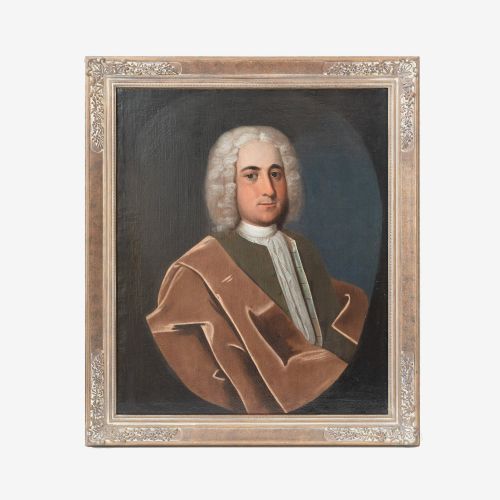
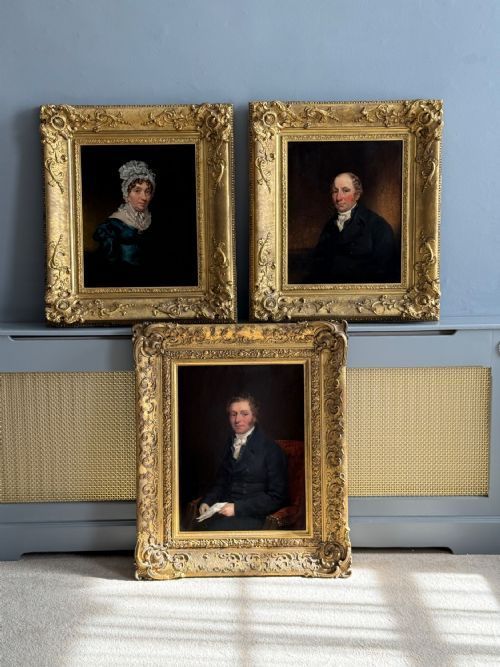
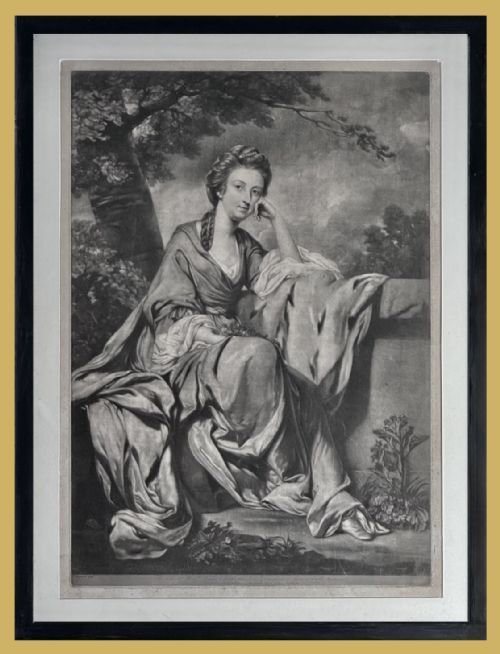
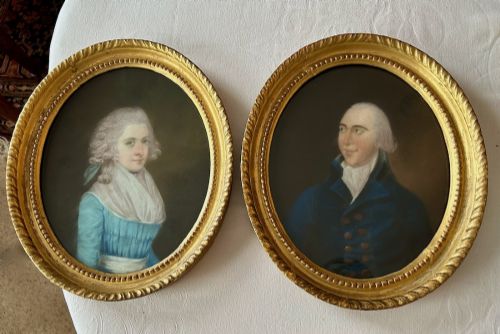
When searching for a georgian period portrait, buyers encounter a diverse range of artistic interpretations spanning the eighteenth and early nineteenth centuries. The selections include large oil paintings on canvas alongside intimate portrait miniatures, pastels, watercolours, and framed engravings.
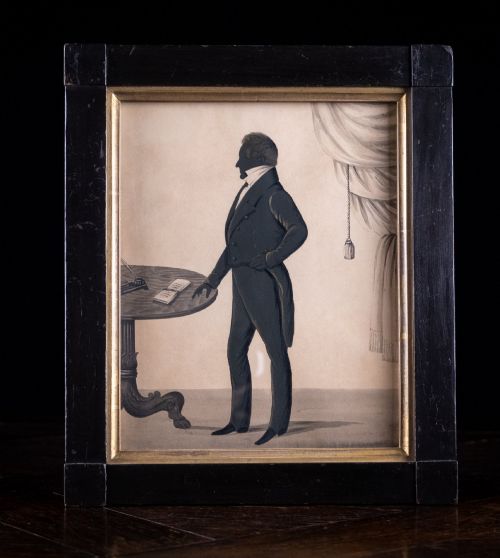
Most pieces date from the eighteenth century or the Regency era, depicting sitters from children to nobility in distinct regional British styles. Works vary from grand oil paintings of gentlemen and ladies to delicate silhouettes and reverse glass mezzotints.
Subjects range from named historical figures and family groups to anonymous sitters captured by provincial English schools or circle artists. These artworks reflect the shifting fashions of dress and portraiture traditions across the Georgian period.
Materials and construction methods
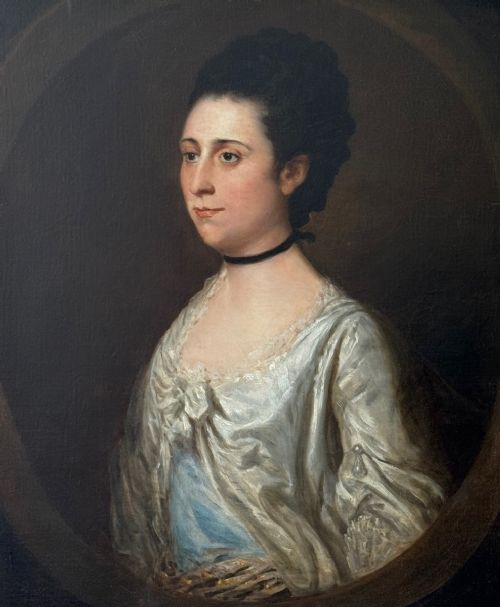
Artists painted primarily with oil paint on canvas or wooden panel, sometimes employing pastel, watercolour, and gouache on paper. Mezzotints and hand-coloured engravings utilised copper plates and fine paper impressions.
Framing played an integral role, featuring giltwood, moulded wood, and Hogarth frames finished with gold leaf. Portrait miniatures frequently incorporated glass protection and delicate mounts.
Materials span giltwood frames, gold leaf, glass, and wood panels alongside traditional canvas supports.
Distinctions in craftsmanship and execution
Quality rests in the precision of the brushwork, the anatomical accuracy of the hands and face, and the handling of fabric textures in garments. Superior examples demonstrate a vivid psychological presence and skilled rendering of light.
The preservation of the original surface, uncompromised pigment vibrancy, and the authenticity of period frames elevate certain pieces above standard works. Studio attributions or named hands often distinguish high-tier examples from anonymous school productions.
Joseph Clover RA·Edward Fisher·Sir Joshua Reynolds·John Russell·James McArdell·Thomas Beach·Sir Thomas Lawrence·Allan Ramsay·George Romney·Joseph Highmore
The Georgian Period Portrait Glossary
- Mezzotint
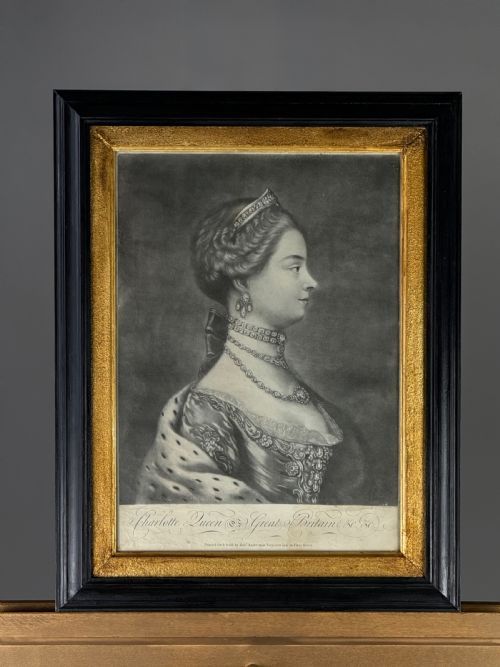
- A printmaking process of the tonal method, enabling rich gradations of dark and light through roughening a copper plate. This technique created velvety depths popular for reproductive portraits.
- Pastel
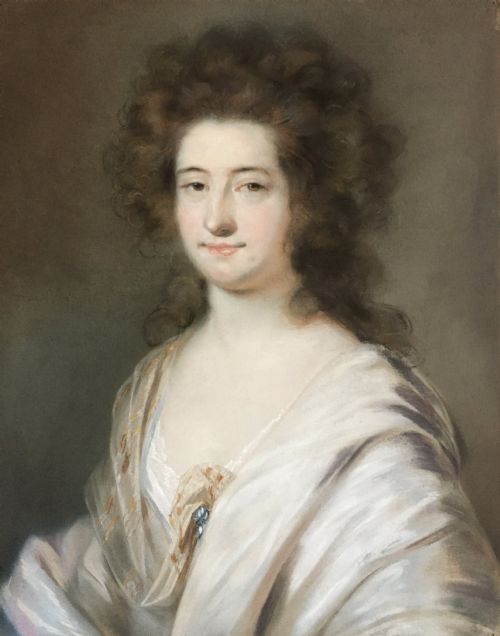
- A medium consisting of powdered pigment and a binder, producing matte colour fields on paper. Eighteenth-century artists used pastel for soft skin tones and delicate drapery.
- Giltwood
- Wood carved and coated with thin layers of gold leaf or powder. This finish provided ornate, reflective borders for prominent Georgian frames.
- Silhouette
- A portrait profile cut from black paper or painted onto card, glass, or plaster. These minimalist likenesses gained widespread popularity during the Regency era.
- Panel
- A flat wooden support used for oil paintings prior to the universal adoption of stretched canvas. Panels offered rigid foundations for detailed portraiture.
Georgian Period Portrait: Frequently Asked Questions
What is a georgian period portrait?
A georgian period portrait is a visual record of an individual created during the reigns of the Hanoverian kings. These works encompass oil paintings, watercolours, pastels, and prints.
They capture the likenesses of family members, public figures, and children using the distinct artistic conventions of eighteenth and early nineteenth-century Britain.
How do I care for an antique oil portrait?
Antique oil portraits require stable indoor environments away from direct sunlight and rapid humidity fluctuations. Ultraviolet light fades pigments and damages varnishes over time.
Dust surfaces gently with a soft, dry brush and consult a professional conservator for cleaning the canvas or repairing gilt frames.
How can I tell a pastel portrait from a painting?
Pastel portraits utilise chalky pigments on paper, presenting a soft, velvety texture without the glossy sheen of dried oil paint. They are typically framed under glass to protect the delicate powder surface from displacement.
Oil paintings feature textured brushstrokes on canvas or panel and do not strictly require glass glazing for everyday display.