
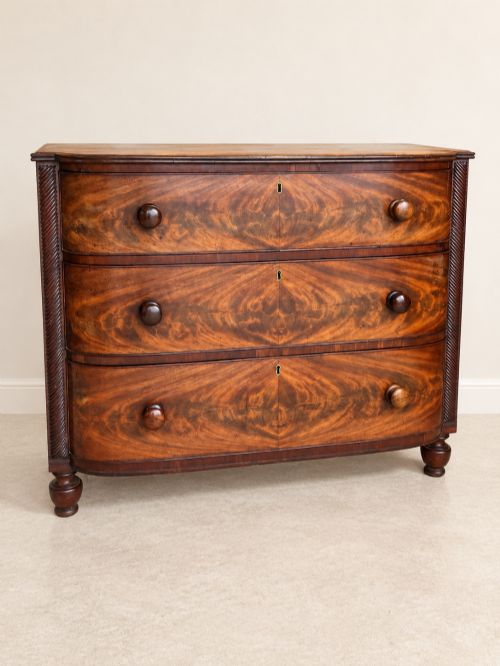
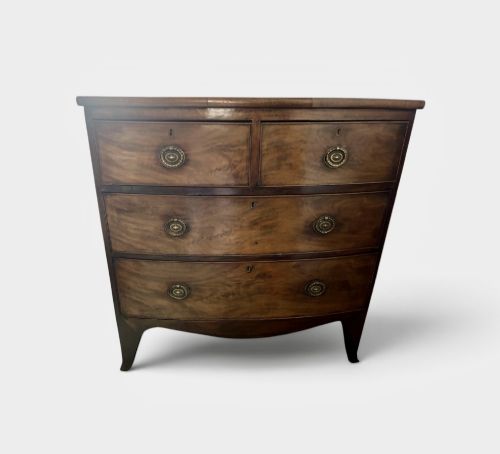
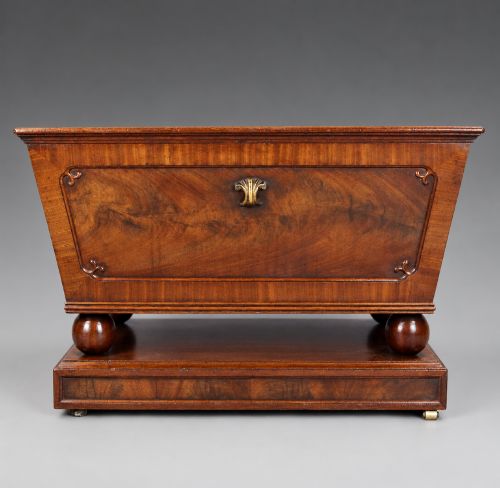


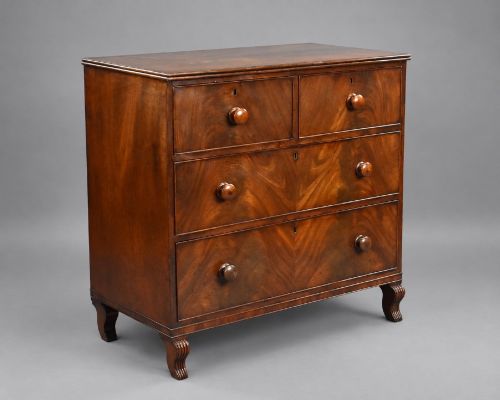
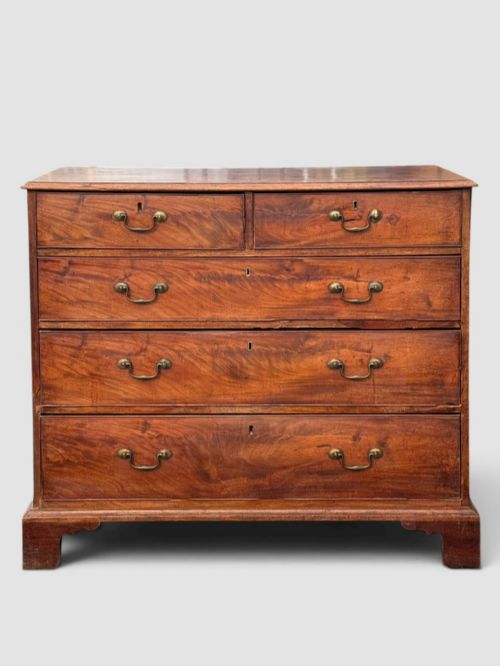
Georgian Period Chest
A georgian period chest brings sturdy construction and rich timber tones into a room, offering practical storage with classical proportions.
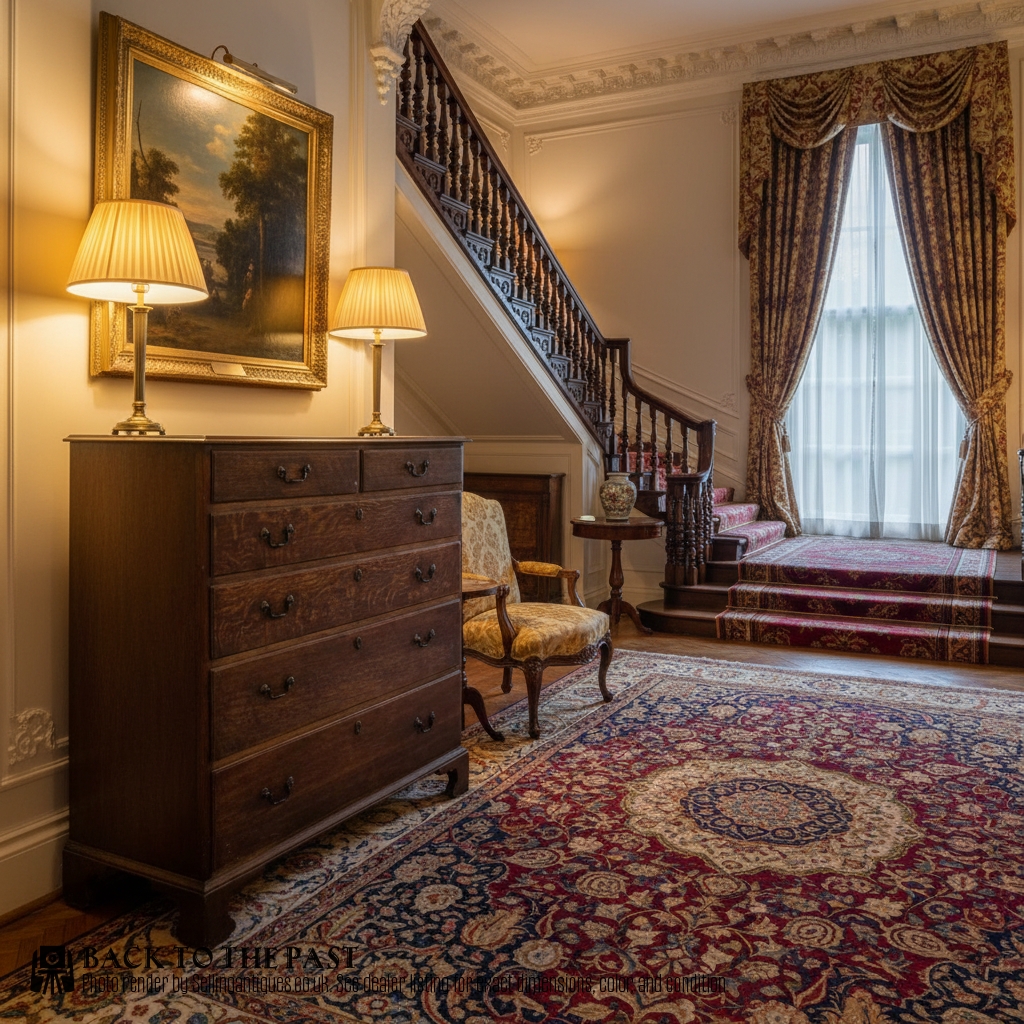
Georgian Period Chest
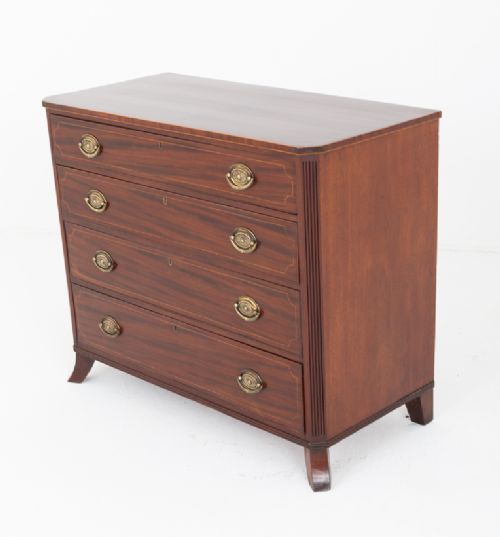
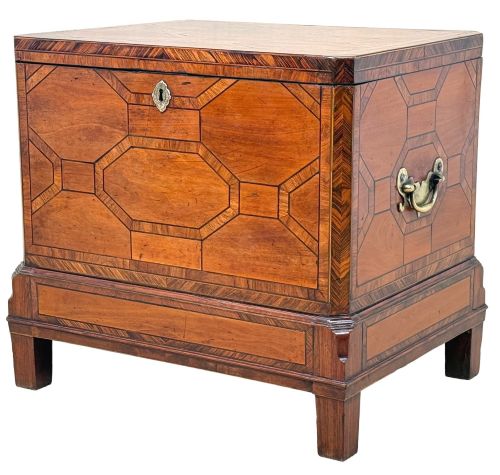
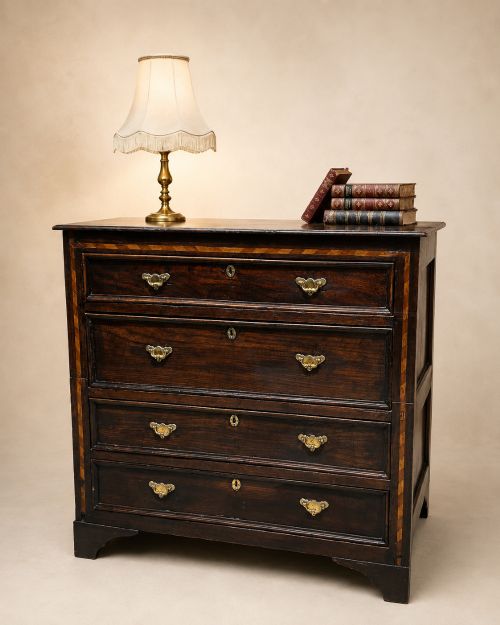
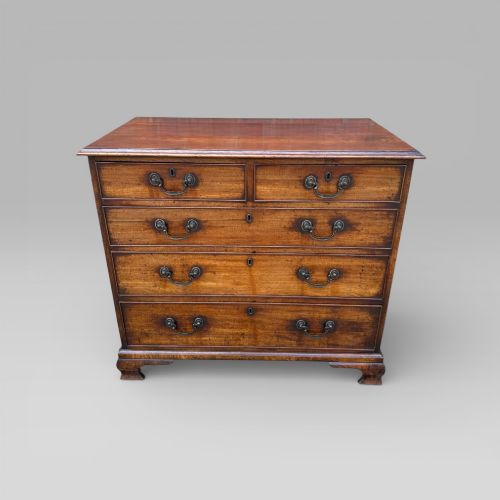
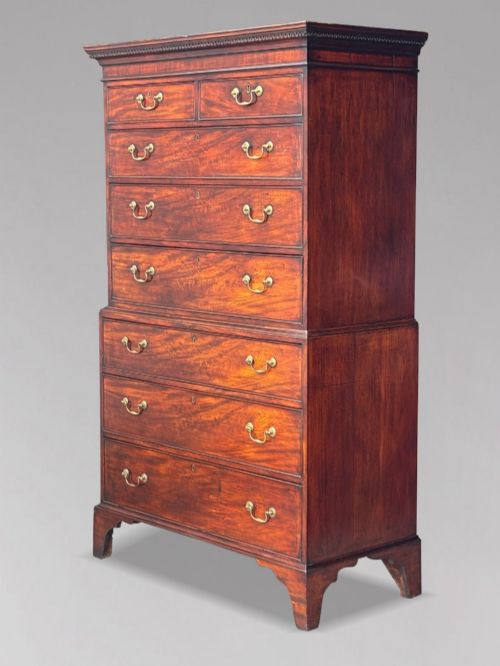
A georgian period chest encompasses a variety of storage furniture including chests of drawers, coffers, blanket chests, and tallboys from the eighteenth and early nineteenth centuries. The listings frequently feature mahogany and oak designs, spanning simpler vernacular pieces to refined formal furniture.
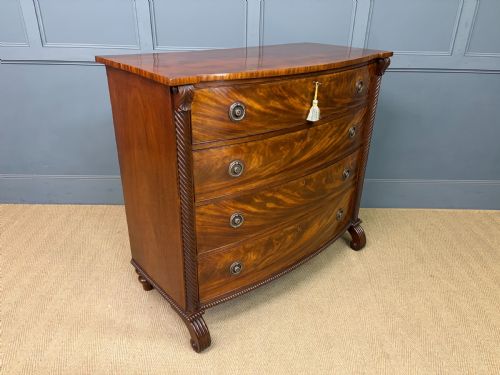
Buyers commonly encounter standard drawer configurations, bow front chests, and elevated forms such as chests on stand or chests on chest. These items originate from the 18th century, Georgian, Regency, and Queen Anne periods, reflecting the shifting tastes of domestic interiors over generations.
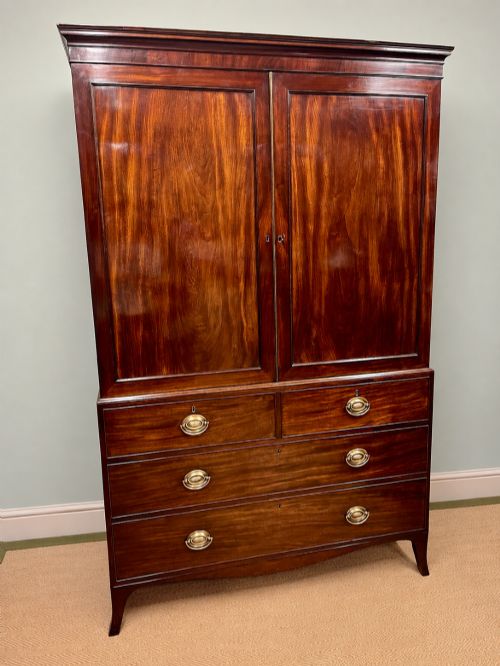
Forms extend beyond standard drawers to include linen presses, wine coolers, and spice cupboards, showing how cabinet makers addressed diverse household storage needs. Mahogany and walnut versions often display figured veneers or subtle string inlay.
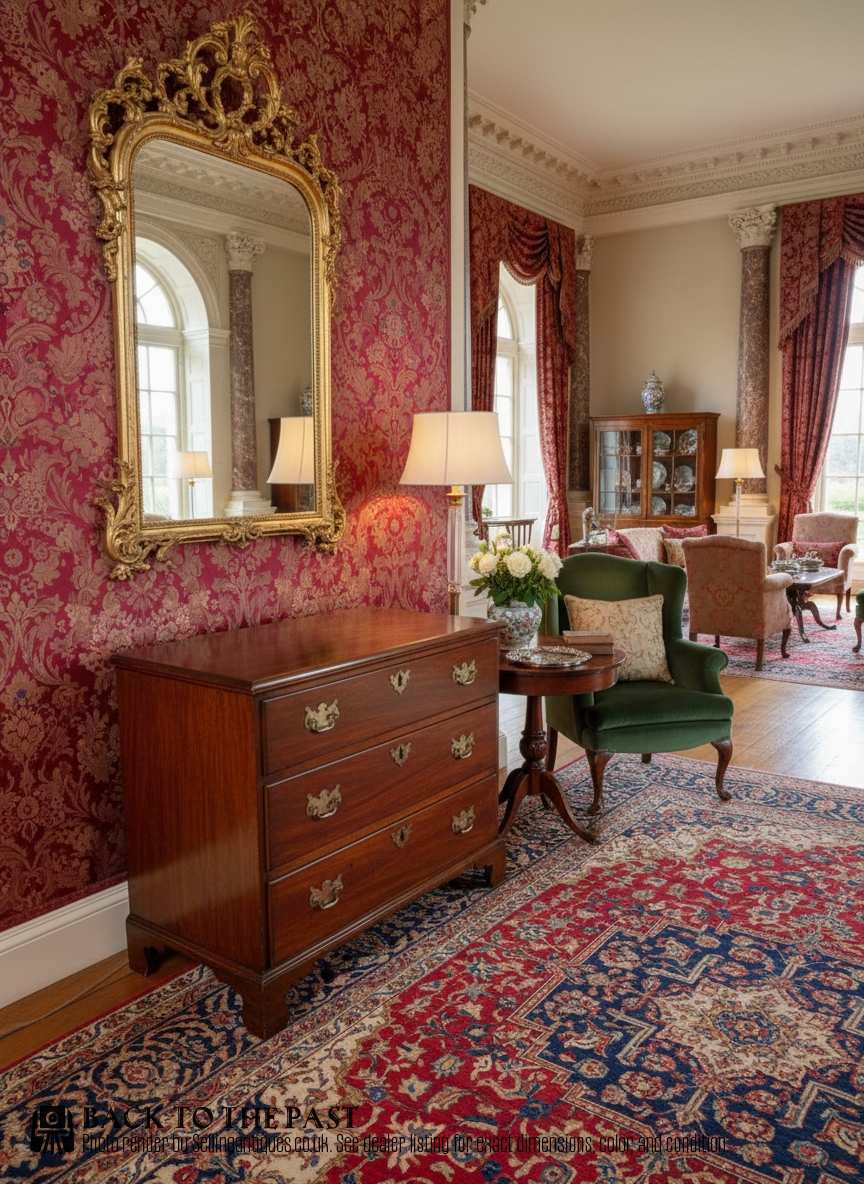
Materials and construction
Cabinet makers utilised dense hardwoods like mahogany, oak, and walnut, frequently selecting figured mahogany and flame mahogany veneers for primary surfaces. Secondary timbers such as oak provide sturdy interior framing and drawer linings.
Metal hardware, including brass handles and escutcheons, complements the timber construction. Joinery techniques incorporate dovetailed drawer construction and framed panels to accommodate natural wood movement.
Georgian Period Chest Retail Price Guide 2026
Typical asking prices for georgian period chest among the pieces listed under this phrase on Sellingantiques today, from the lower quarter to the upper quarter. They describe what is for sale here now, not the wider market.
Listings feature mahogany, oak, walnut, elm, and satinwood across eighteenth and nineteenth century periods.
Quality differences
Gradations in quality depend upon the selection of timber figures, such as matching flame mahogany veneer across drawer fronts, and the finesse of brass mounts. Simpler joined oak examples rely on robust construction and honest proportions rather than decorative veneers.
Refinements like serpentine drawer fronts, string inlay, and well-executed mouldings separate ambitious cabinet work from standard utility pieces. The preservation of original surfaces and handles also distinguishes finer examples.
Thomas Chippendale·J Moorcroft
The Georgian Period Chest Glossary
- Bow front
- A convex curved front facade popular on many drawer chests. This shape softens the profile of the furniture.
- Chest on chest
- A tall storage unit comprising one chest stacked directly upon another of similar width. This form maximises vertical storage space.
- Coffer
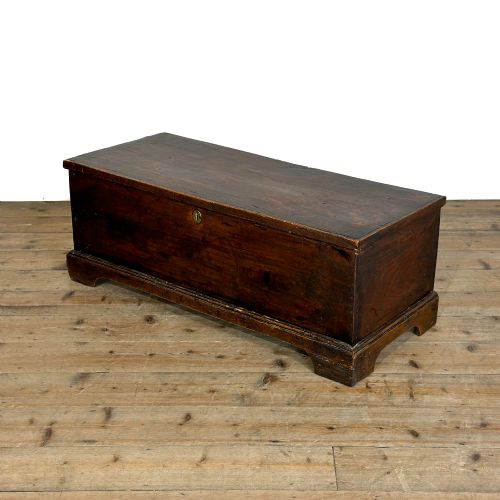
- A large wooden storage box with a hinged lid, often constructed from joined oak. These early pieces served multiple domestic purposes.
- Linen press
- A tall cupboard featuring upper storage for textiles above a base section with drawers. These units helped preserve household linens.
- Veneer
- A thin layer of figured wood applied over a secondary timber base. This technique allowed makers to display rich grain patterns.
Georgian Period Chest: Frequently Asked Questions
What is a georgian period chest?
A georgian period chest is a wooden storage item produced during the eighteenth or early nineteenth century, encompassing drawer units, blanket chests, and tallboys.
These items reflect the prevailing architectural styles and cabinet making techniques of the Georgian era.
How do you date a chest?
Dating involves examining the timber species, construction methods, hardware, and overall proportions of the piece. Oak is more common in earlier pieces, while mahogany and decorative veneers became widespread later in the eighteenth century.
Secondary woods and drawer dovetailing also offer clues to the period of manufacture.
Where were they used?
These chests functioned primarily in bedrooms, dressing rooms, and hallways for storing clothing, linens, and personal valuables. Larger coffers and mule chests found placement in living quarters and utility spaces.
Their robust construction ensured they could handle daily domestic demands.
How should I maintain the wood?
Maintenance involves keeping timber furniture away from direct heat sources and sudden humidity changes to prevent wood splitting. Regular dusting with a dry cloth preserves the finish.
Applying traditional wax polish occasionally helps nourish older wood surfaces.